

What is the history of Seltmann Weiden?
Luxurious interiors and exquisite dishes deserve the perfect setting. For centuries, tableware has sparked the imagination. Fine porcelain, often beautifully and intricately painted, is a small masterpiece of applied art. Many companies producing porcelain and tableware have a long and fascinating history. So, what is the story of Seltmann Weiden, and what sets German porcelain with this logo apart? What designs does the manufacturer offer, and which interiors and kitchen styles does it complement?
The history of Seltmann Weiden – over a hundred years of experience
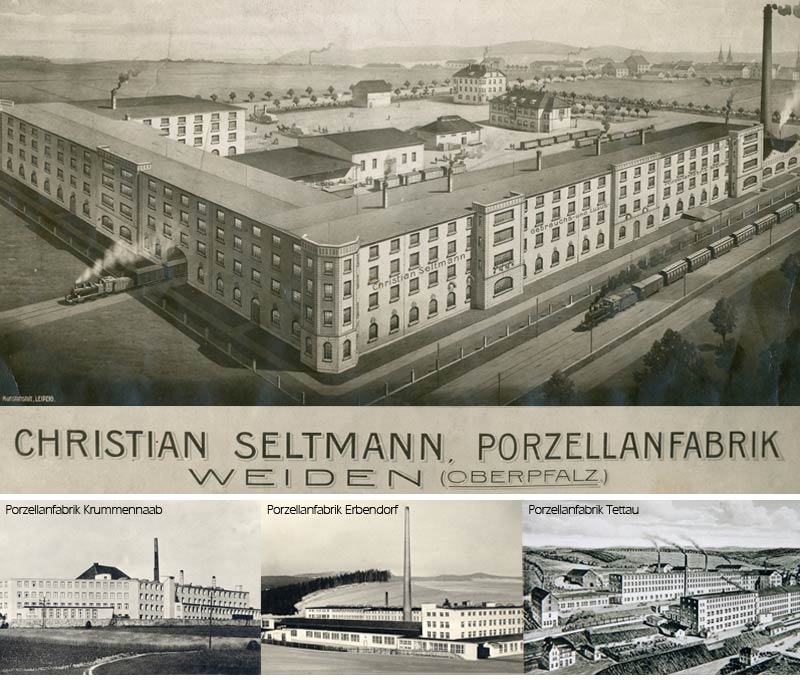
The story of Seltmann Weiden is a fascinating tale of passion, family tradition, and an unwavering pursuit of perfection that has shaped the history of porcelain for over a century—not only in Germany, but around the world. This renowned German porcelain brand was founded in 1910 in Weiden in der Oberpfalz, where Christian Wilhelm Seltmann set out to create more than just a factory—he built a symbol of quality, elegance, and durability. The history of Seltmann Weiden is also the story of generations of people who, with dedication, have crafted porcelain that seamlessly blends traditional craftsmanship with modernity.
Today, despite the passage of time and dynamic changes in the market, the company remains true to its values – it continues to manufacture exclusively in Germany, with respect for the environment and attention to detail. Contemporary German porcelain by Seltmann Weiden delights with both classic designs and bold, modern collections. They continue to inspire generations – at the table, in the kitchen, and at the heart of the home.
Beloved and renowned Bavarian porcelain – the story of Seltmann Weiden gracing elegant homes for generations
The story of Seltmann Weiden unfolds not only within the walls of Bavarian manufactories, but above all in homes where, for generations, the ritual of gathering around the table has been cherished. This is traditional porcelain that has accompanied families through holidays, Sunday dinners, and everyday conversations over tea. In many households, tableware from this brand is passed down from generation to generation—cups once used by great-grandmothers for coffee now serve their granddaughters, and plates that witnessed a mother’s first birthday now grace the tables of her children’s children.
Seltmann Weiden porcelain is more than just an elegant accessory—it’s a witness to emotions, laughter, memories, and traditions that unite a family. Sitting at a table set with this porcelain, we feel part of something greater—a story where closeness, generations, and the beauty of shared moments truly matter. It’s this unique atmosphere that has made traditional Seltmann Weiden porcelain not only an icon of style, but also the heart of many family stories.
What makes the finest German porcelain stand out?
What sets the finest German porcelain apart? It’s not just the quality of the material and the precision of craftsmanship, but also a passion deeply rooted in tradition. Passed down from generation to generation, it enhances the beauty of everyday rituals. The story of Seltmann Weiden porcelain is a perfect example of this unique culture. It’s not just the history of a factory, but a living tale of families who have gathered around the same table for years. They nurture bonds and memories over the same porcelain tableware.
Bavarian porcelain has always been a symbol of class, durability, and style, with its secrets hidden in a few key features:
- Exceptional quality and durability – fired at high temperatures, resistant to damage, and designed for everyday use, including in dishwashers and microwaves.
- Precise hand-crafted embellishments – every detail is the result of masterful craftsmanship, combining traditional techniques with modern design.
- Elegance and timelessness – classic lines and delicate ornaments make this porcelain perfect for both lavish dinners and family breakfasts.
- Tradition captured in form – each collection draws on the history of German craftsmanship, creating an emotional bridge between the past and the present.
- Sentimental value – this is porcelain that often becomes an heirloom. It is frequently passed down from grandmothers to granddaughters. It carries memories, emotions, and family stories.
Seltmann Weiden is more than just porcelain – it’s a lifestyle where porcelain tableware becomes not only a table decoration, but also the heart of the home.
How to choose porcelain tableware?
Choosing the perfect porcelain dinnerware set is not just about aesthetics, but also functionality and the emotions tied to everyday use. Whether you dream of classic elegance or seek a modern design that complements minimalist interiors, it’s worth choosing a brand that bridges both worlds.
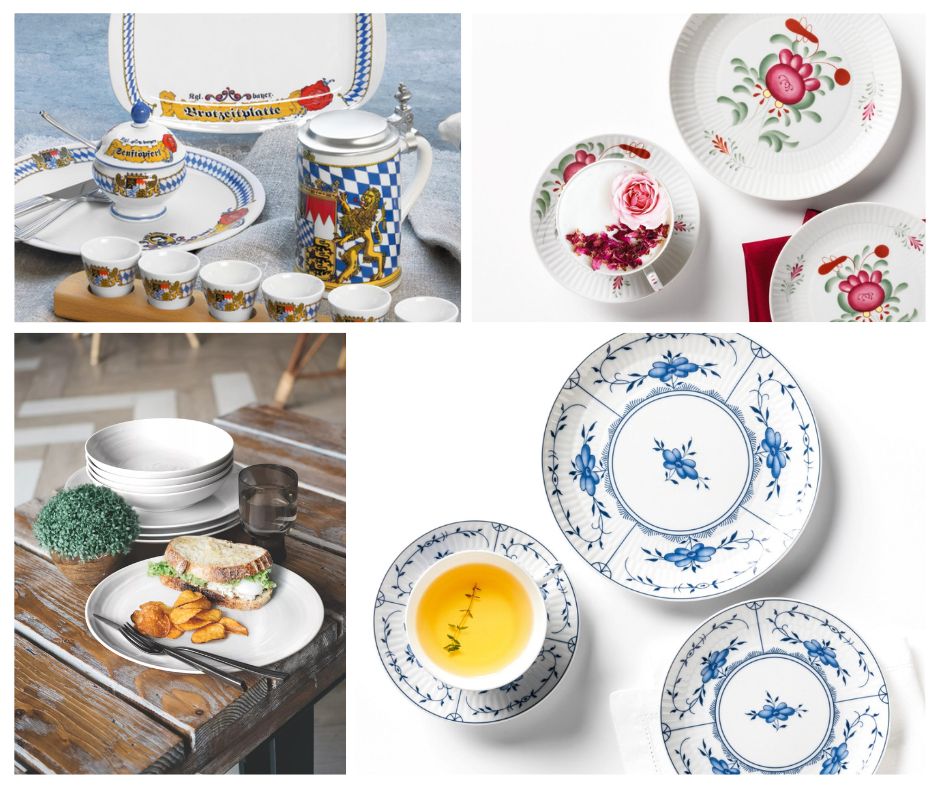
The history of Seltmann Weiden porcelain proves that tradition and innovation can go hand in hand. That’s why their collection features both sets reminiscent of your grandmother’s china cabinet and modern plates with bold lines and colors. When choosing, it’s worth paying attention to the quality of craftsmanship, resistance to damage, and dishwasher safety. These are the qualities that make porcelain an everyday companion, not just a decorative accent.
Porcelain cup with character
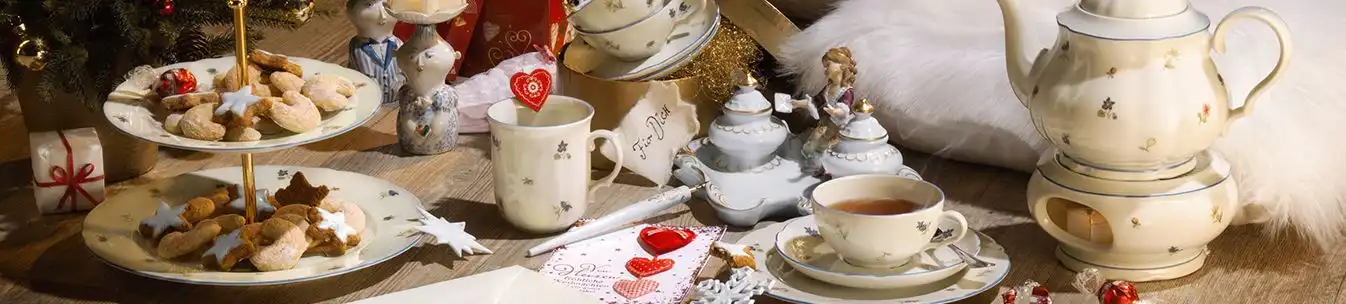
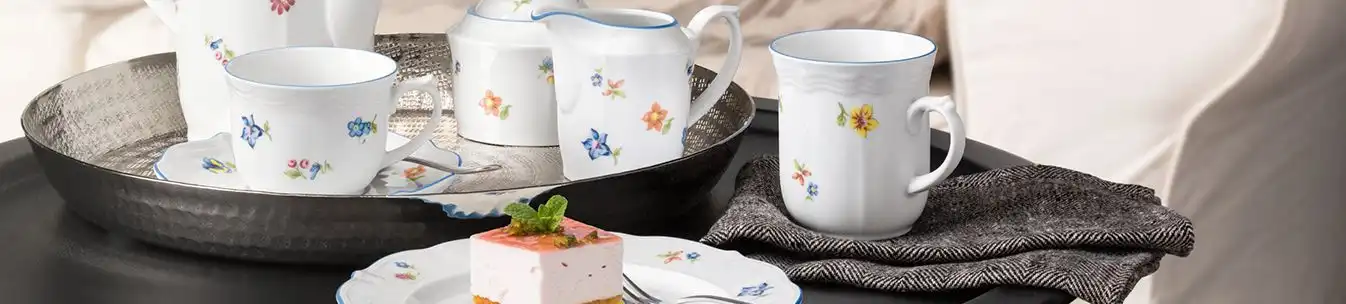
A well-designed cup is more than just a vessel—it’s a piece of functional art that can reflect our style and personality. Porcelain cups by Seltmann Weiden are a perfect example of attention to detail: from the precise handle, through the proportions of the cup, to the exquisite decorations—both classic and modern. This Bavarian brand offers cups adorned with romantic floral motifs, evoking memories of cozy tea times at grandma’s house. On the other hand, minimalist, geometric patterns fit perfectly into a modern kitchen setting. Such a porcelain cup with character can easily become your favorite companion for a morning ritual or an afternoon moment of relaxation.
Seltmann Weiden porcelain tableware as a gift
Elegant, timeless, crafted with meticulous attention to detail. Seltmann Weiden tableware is a gift that impresses not only with its appearance, but also with its durability. It’s the perfect choice for a wedding, anniversary, or housewarming. A classic expression of good taste and practicality. You can opt for a traditional set—reminiscent of your grandmother’s sideboard, with delicate gilding and intricate florals—or choose more contemporary designs featuring geometric patterns and unique shapes. Such a gift will not only adorn the table, but can also become part of a family story, passed down from generation to generation.
Classic porcelain or modern design – how to choose the right one for your interior?
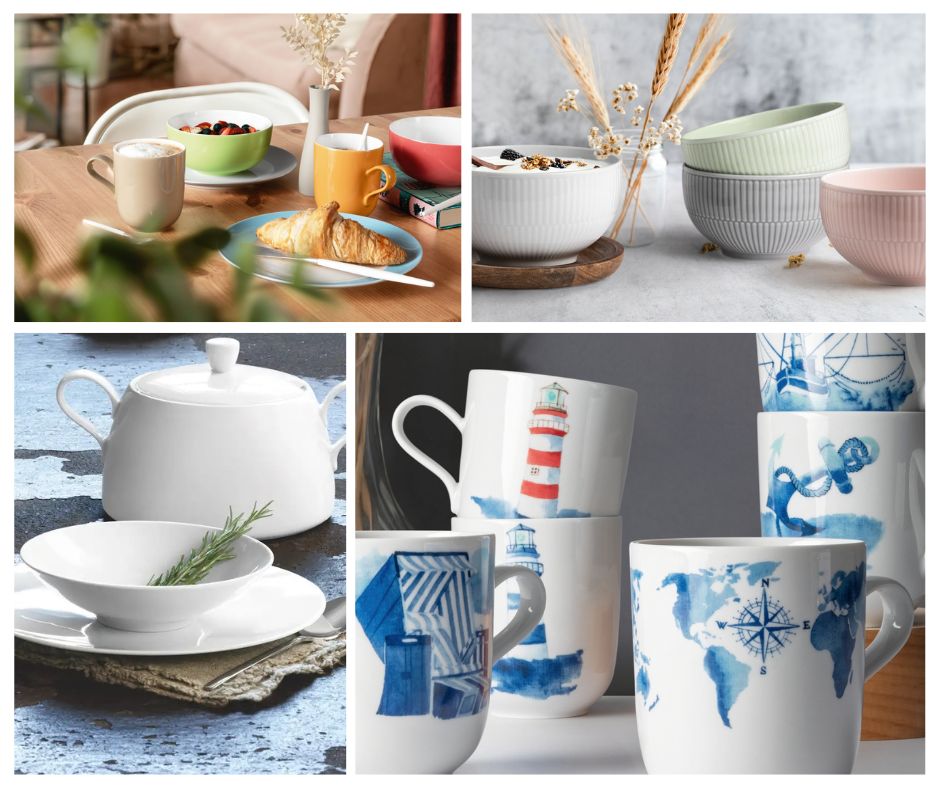
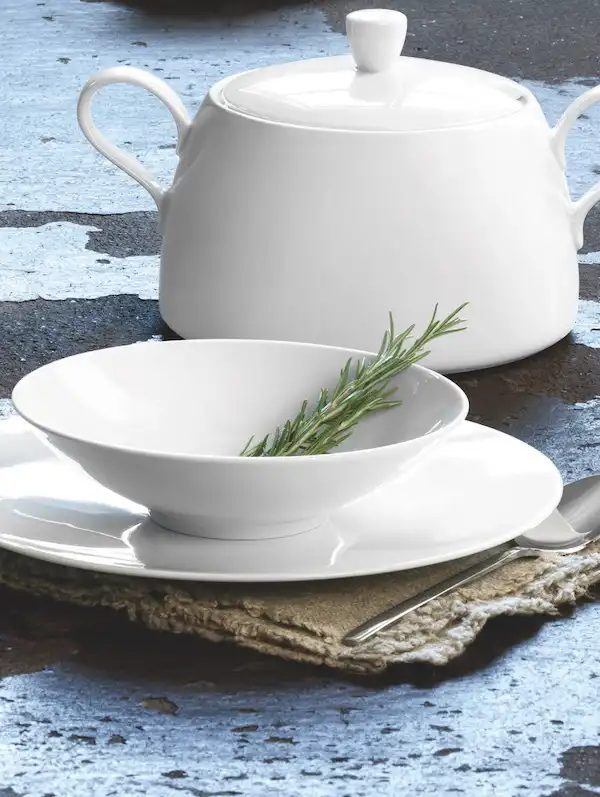
Choosing porcelain for your interior décor is a great opportunity to highlight the character of your space and express your personal taste. If your interior features a vintage, rustic, or classic style, traditional Seltmann Weiden porcelain is the perfect choice—floral motifs, delicate reliefs, and classic shapes create a cohesive, harmonious look. On the other hand, for modern, minimalist spaces, porcelain with clean lines, often featuring contrasting finishes, surprising colors, or innovative shapes—such as geometric plates or designer sugar bowls—will be an ideal match.
With Seltmann Weiden’s extensive range, you can create your own unique table setting. It will be both functional and stylish—whether you prefer classic elegance or modern design.
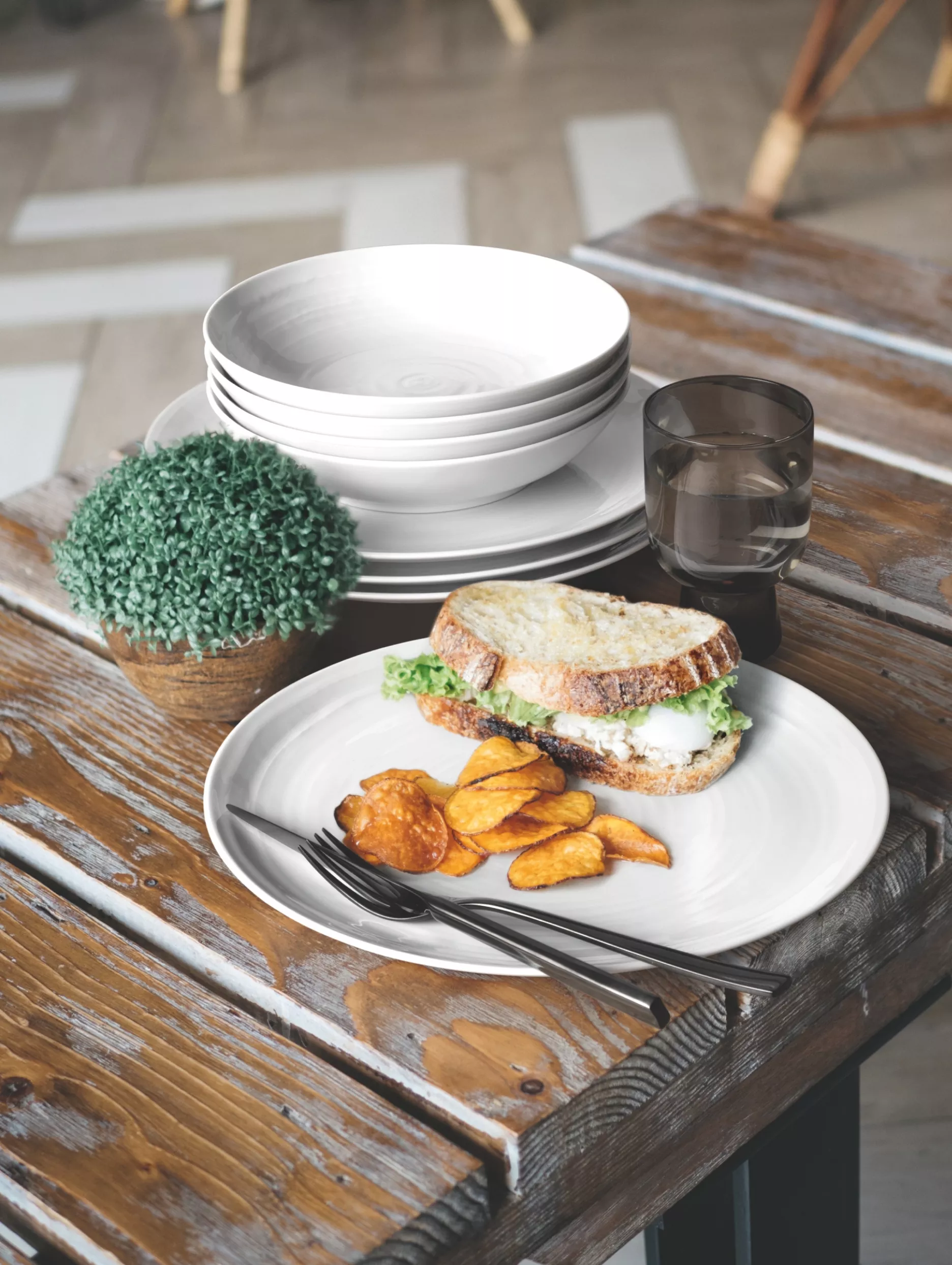
Porcelain tableware is more than just everyday objects. It’s a vessel of tradition, carrying emotions and memories from one generation to the next. The story of Seltmann Weiden porcelain is the story of families cherishing the ritual of shared meals, celebrating every moment spent around the table. By choosing porcelain, we’re not only decorating our homes—we’re also creating a legacy. It will stay with us forever—a cup from a grandmother’s cabinet or a plate that becomes part of family gatherings. What story will you create with your porcelain? Will it be a timeless classic that connects generations, or a modern design that leaves a lasting impression on your loved ones?




Leave a Comment