

What defines the Baroque style in interior design?
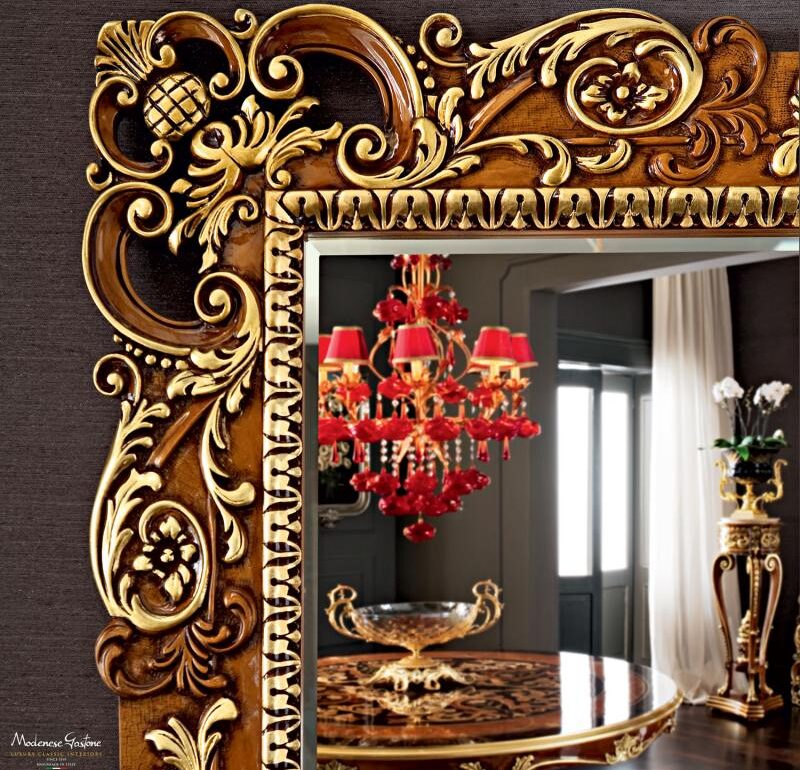
Do you want to give your home a unique touch? Are you drawn to references from the past? If so, the in contemporary interiors is perfect for you! Many people wonder how to design a space that reflects the Baroque era without making it feel ‘old-fashioned.’ This look is absolutely achievable by combining the colors and ornamentation characteristic of Baroque style with modern techniques in paint application and material finishing.
However, it’s important to keep the right proportions in mind. The dominance of Baroque in the décor imposes certain limits on modern solutions, so not everything is possible in such a room. Is it worth it, then? In our opinion, yes—by maintaining harmony and ensuring the combination is tasteful, you can achieve stunning results that will appeal not only to those fascinated by Baroque, but even to those who may not always recognize the style. This is because Baroque interiors are exceptionally elegant and stylish.
What does Baroque style look like in architecture?
The origins of the Baroque period date back to the turn of the 16th and 17th centuries. This style first emerged in Italy, but quickly spread to France and then throughout Europe. Its main premise was to break away from the harmony and regularity of the Renaissance. Hence the name of the era, <strong>derived from the word barocco</strong>, which means a pearl of irregular shape. The Baroque style is characterized by opulence and a love of ornamentation, evident in both art and architecture.
The distinctive features of works from the height of the Baroque era are especially prominent, but even today, many people remain fascinated by this period and seek out its influences. These references most often appear in architecture, as anyone can arrange their home in the Baroque style. All it takes is to remember the key elements, which include:
– combining contrasting wall and furniture colors,
– opulence and ornamentation,
– gold accents in accessories,
– play of light through irregular walls,
– a sense of disorder in the form.
Baroque features might suggest that interiors could feel chaotic and overwhelming. However, it is essential to use contrasts and diversity to create a harmonious whole that is both elegant and inviting. Baroque-style rooms appear monumental and cool, yet they are comfortable and people enjoy spending time in them.
How to create a Baroque style interior?
Like any style, the Baroque also reveals its features in various ways. One of them is the use of solutions and materials that, before the, were not very popular or were combined in completely different ways. Baroque buildings stood out for their size—they were truly monumental.
Their interiors, on the other hand, featured numerous decorations and objects designed solely to add character to the arrangement. Frescoes, sculptures, and ornaments played a significant role, distinguished from the previous era by their dynamism. In Baroque paintings and sculptures, movement is a key element. Such works of art ensure that interiors are never dull or monotonous. They also break the harmony and simplicity, which is, after all, characteristic of the Baroque style.
Beautiful era
How can you achieve this effect in a modern interior? Before you start creating a Baroque arrangement, consider whether you have enough space. In a small area, the Baroque style doesn’t look as impressive as it does in a larger space. The abundance of ornaments and accessories can become overwhelming. That’s why this décor is usually chosen by homeowners with more spacious rooms. Once you’re sure you want to reference this era, you can start planning the details.
The contrast and abundance of decorations can be overwhelming for many people, so they seek the support of an architect who knows how to combine everything tastefully. However, those who arrange the space themselves should remember that Baroque is, above all, about wood and marble. In 16th-century interiors, paneling reigned supreme on the walls alongside paintings and mirrors. Today, the Baroque style can be highlighted with decorative panels and slats. Stucco is also a wonderful element in such a room. These materials create an effect reminiscent of the era, blending it with modernity.
The Baroque style influences furniture and decorations
Walls and floors are important elements of any interior, but what truly defines the space is what we place on the parquet. When we think of the Baroque style, we imagine opulence and lavish ornamentation, which calls for the presence of such items as:
– mirrors,
– images,
– sculptures,
– furniture.
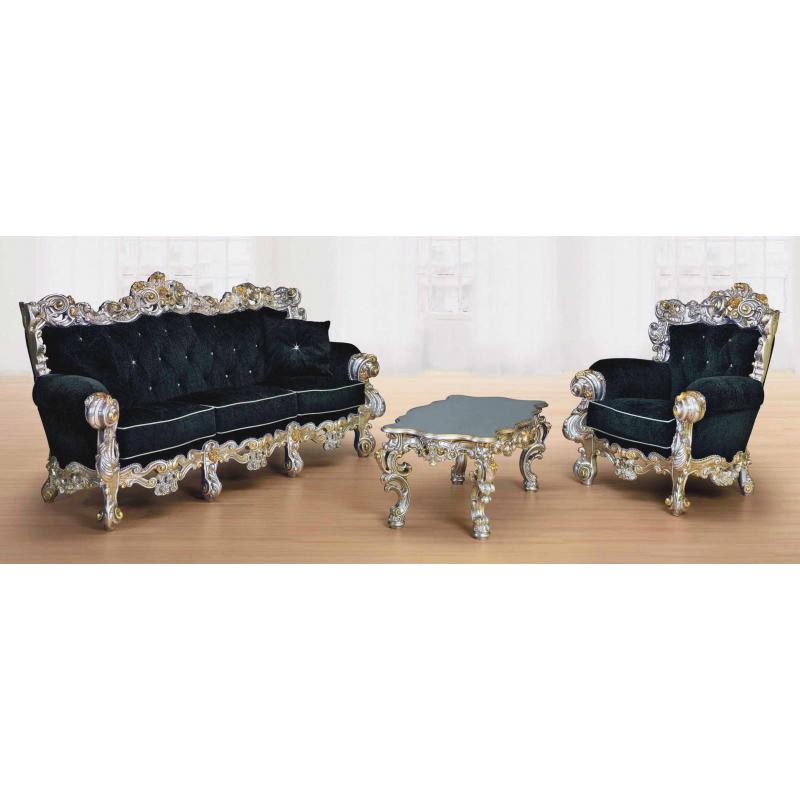
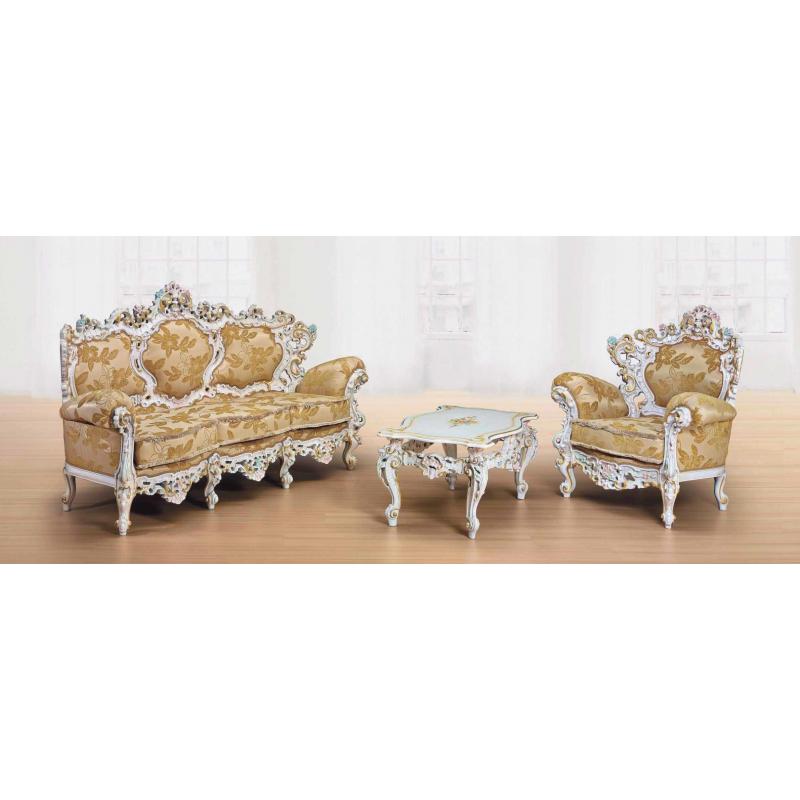
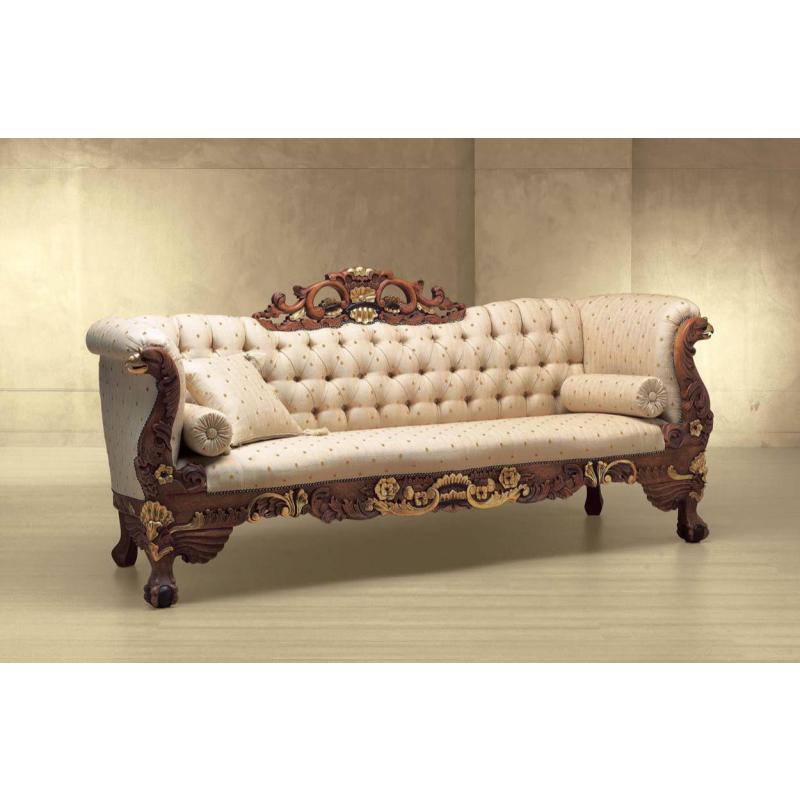
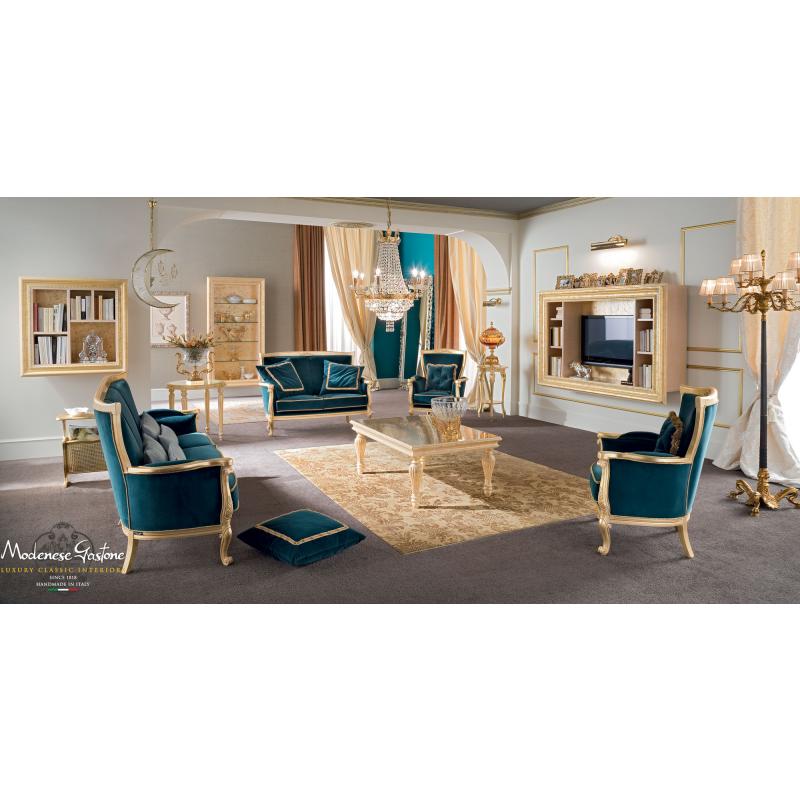
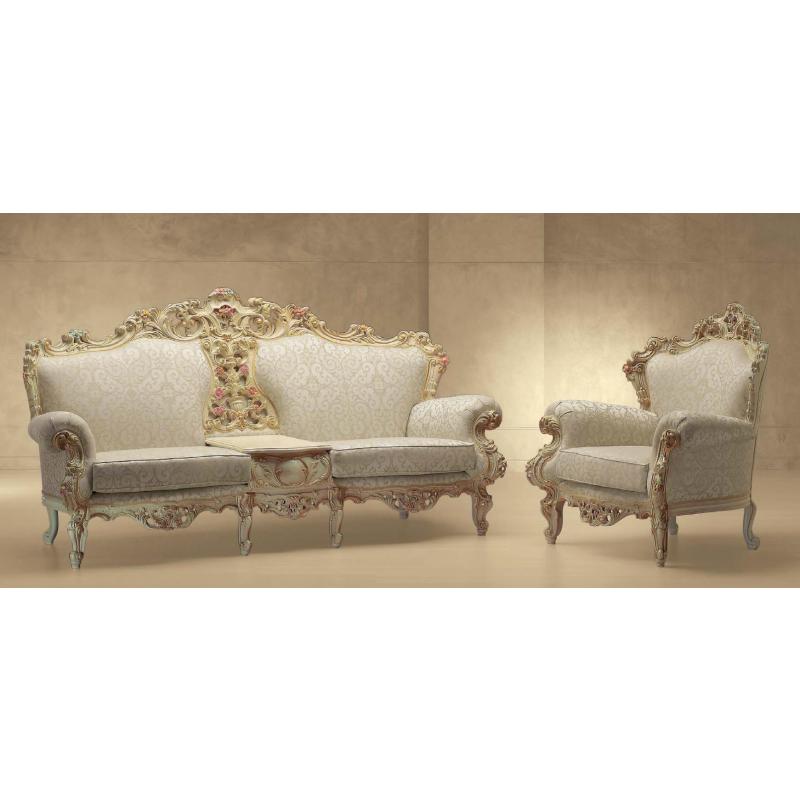
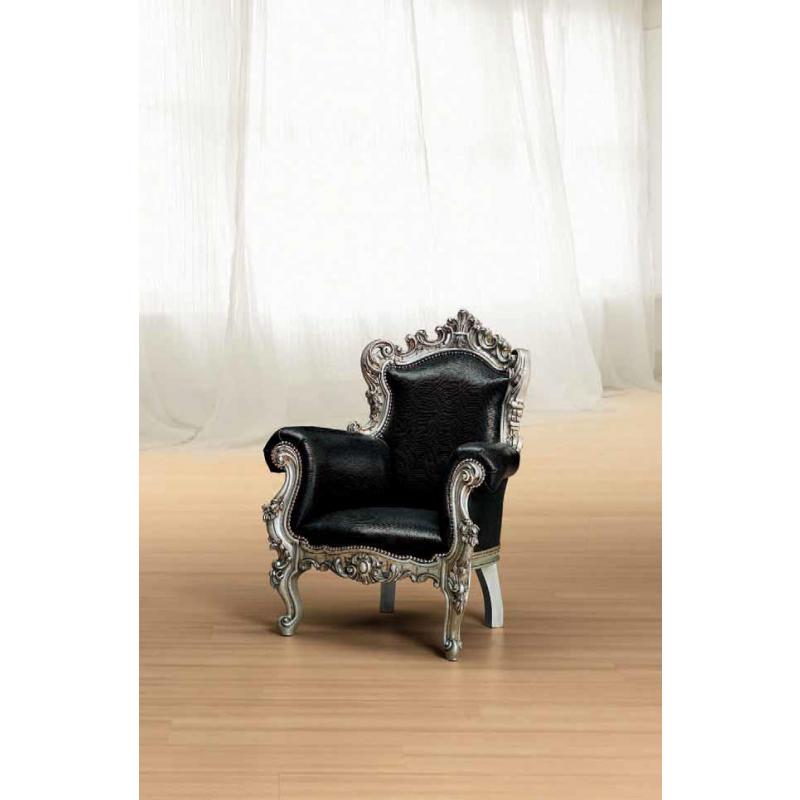
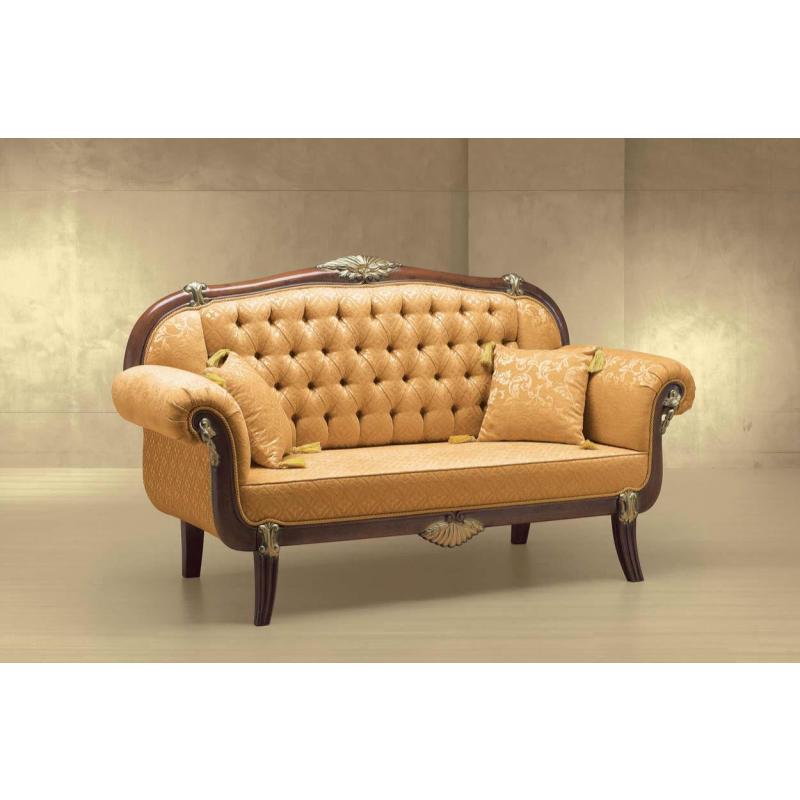
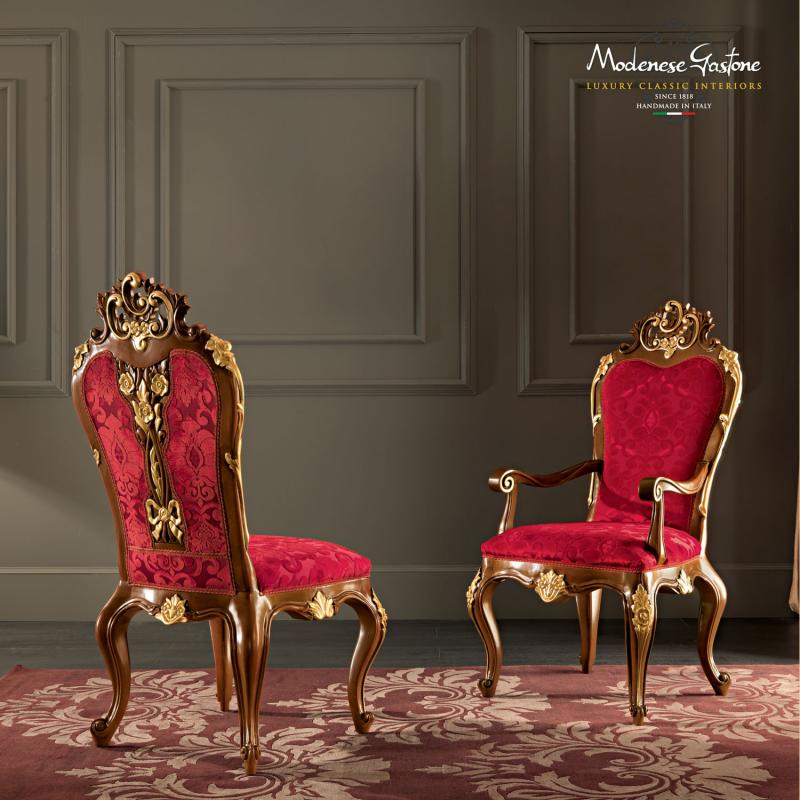
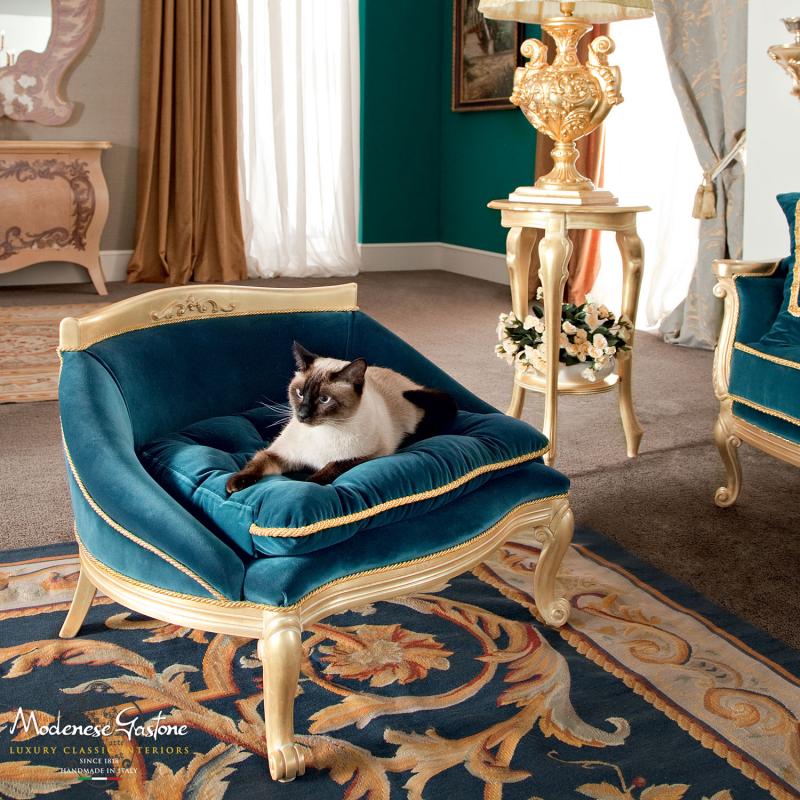
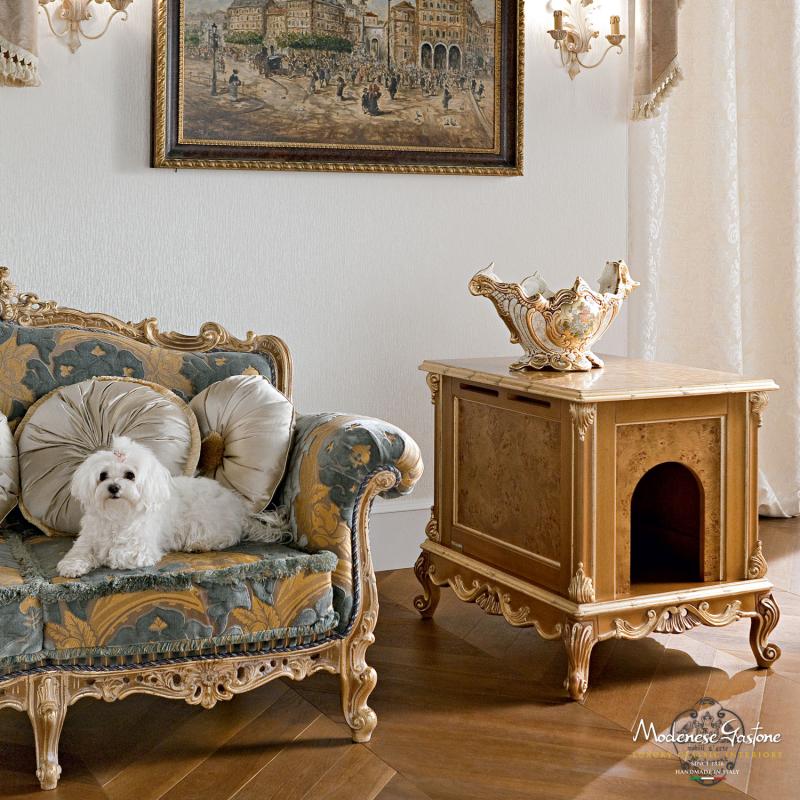
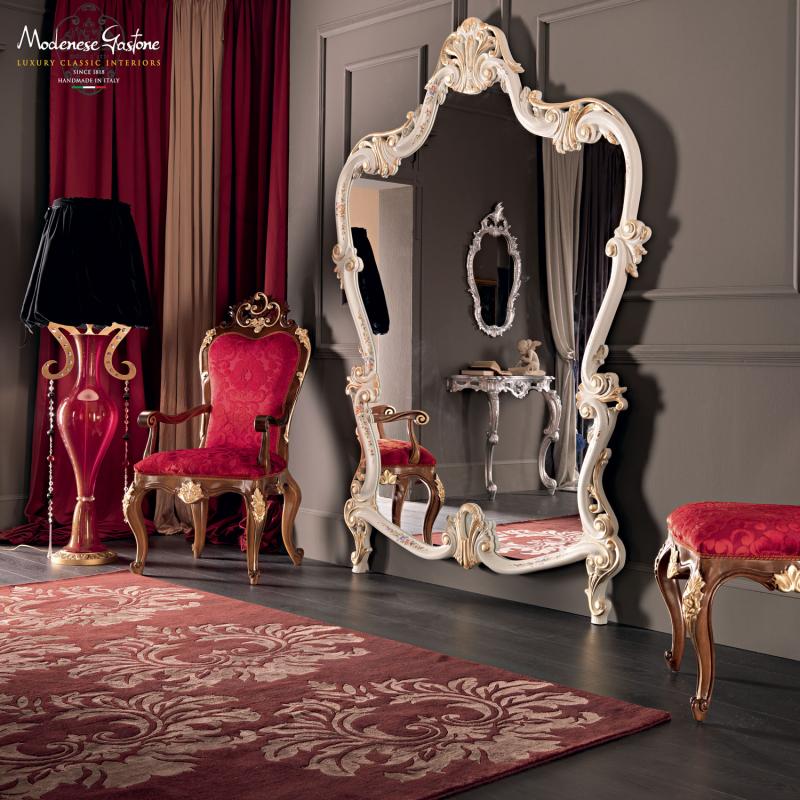
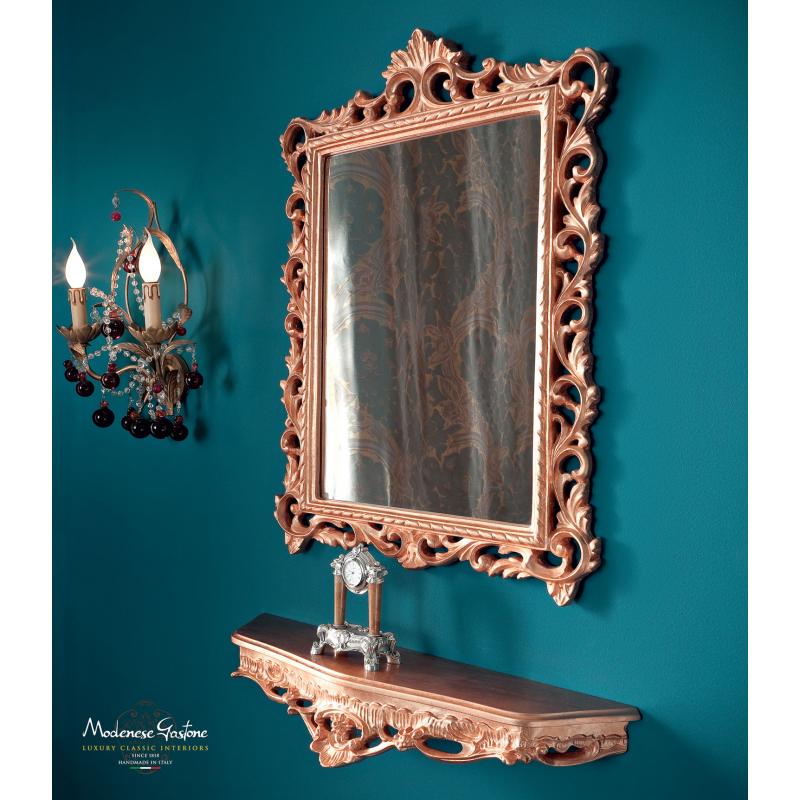
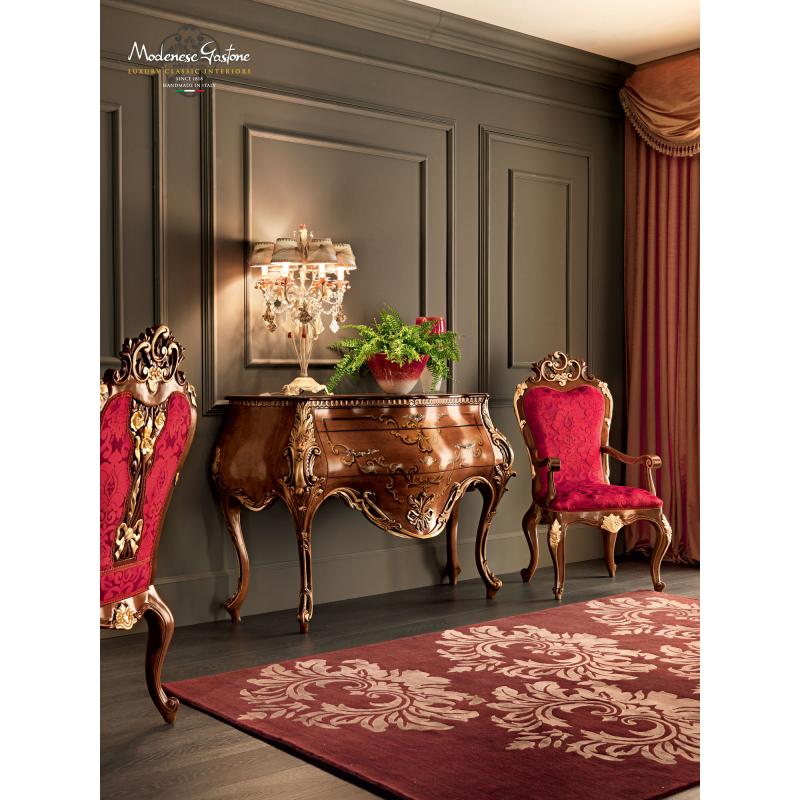
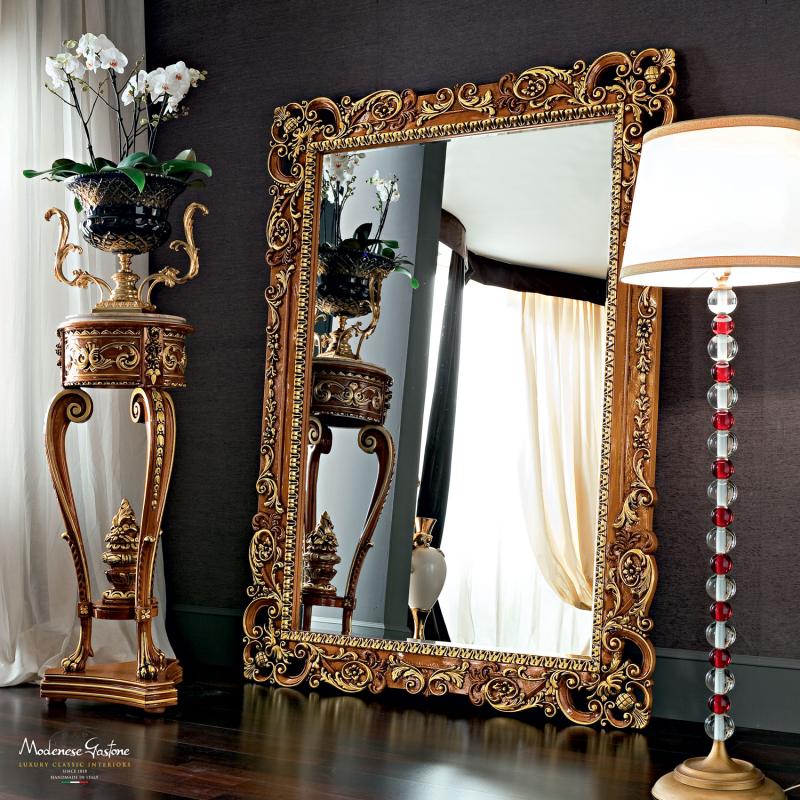
All of this is characterized by irregular shapes, bringing a sense of dynamism to the space. The artworks depict figures in motion or restless nature, while paintings and mirrors are set in ornate frames. Gilding plays an important role, and when combined with wooden furniture and light-colored walls or cushions, it creates an impression of grandeur. Tables, chairs, and cabinets look as if they were taken straight from palaces, and their color schemes often create striking contrasts. It is.
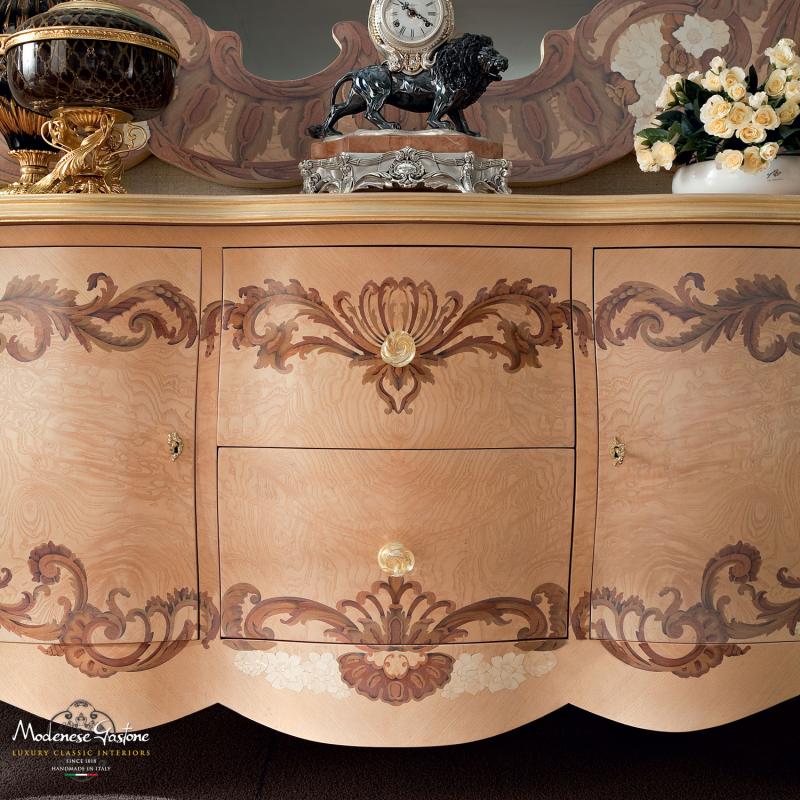
A light cabinet can feature dark doors or handles, while a bed with a dark frame may have a light upholstery.. You’ll also find beiges and browns. The dominance of light tones warms up the interior and makes it appear more spacious, which is highly desirable in this type of décor. The subtle palette is broken up by touches of red or green, as well as deeper shades of brown that further emphasize the importance of wood.
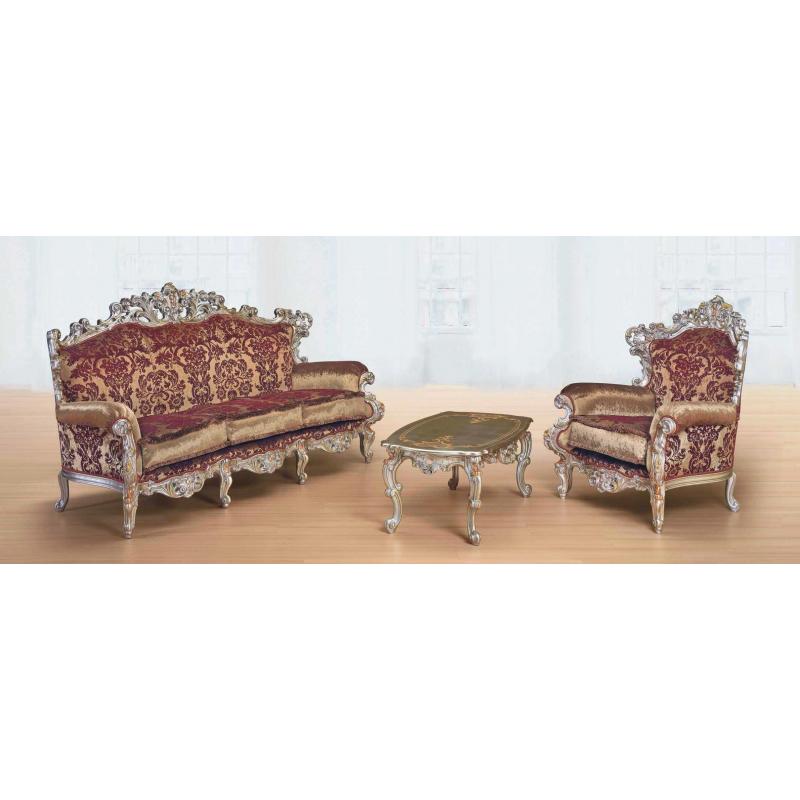
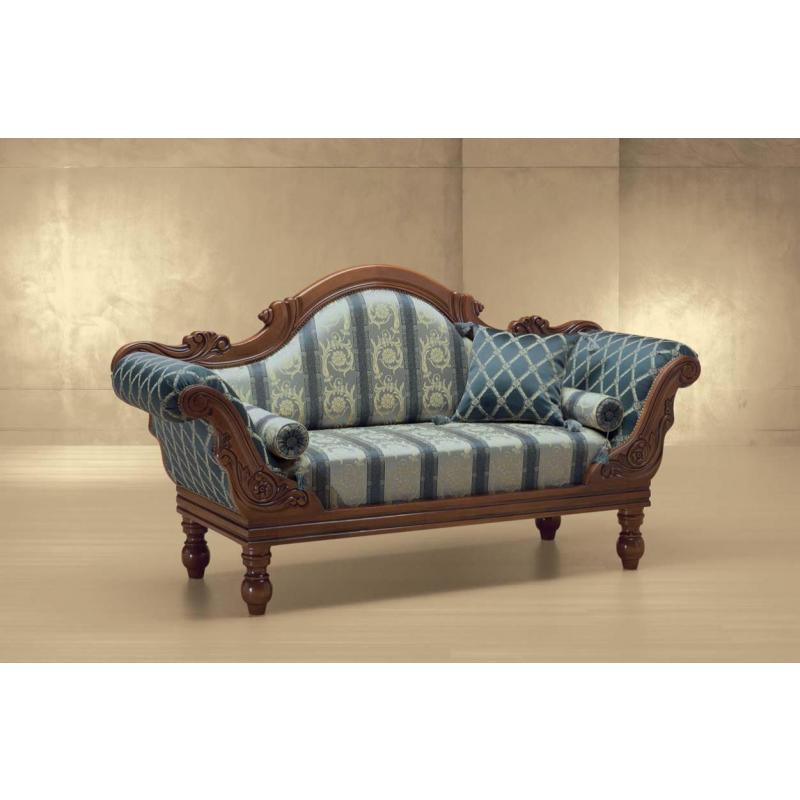
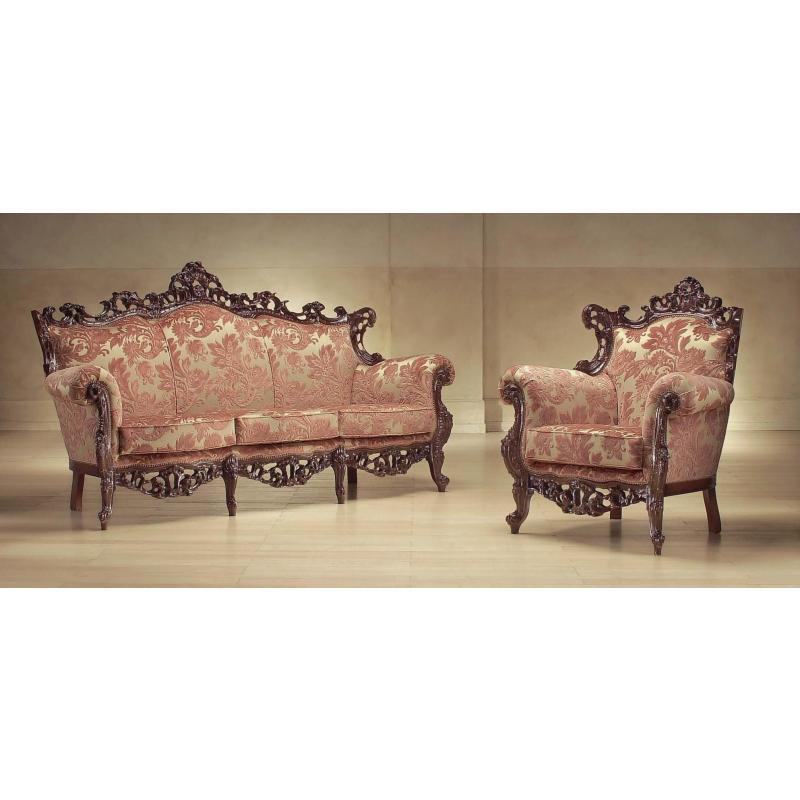
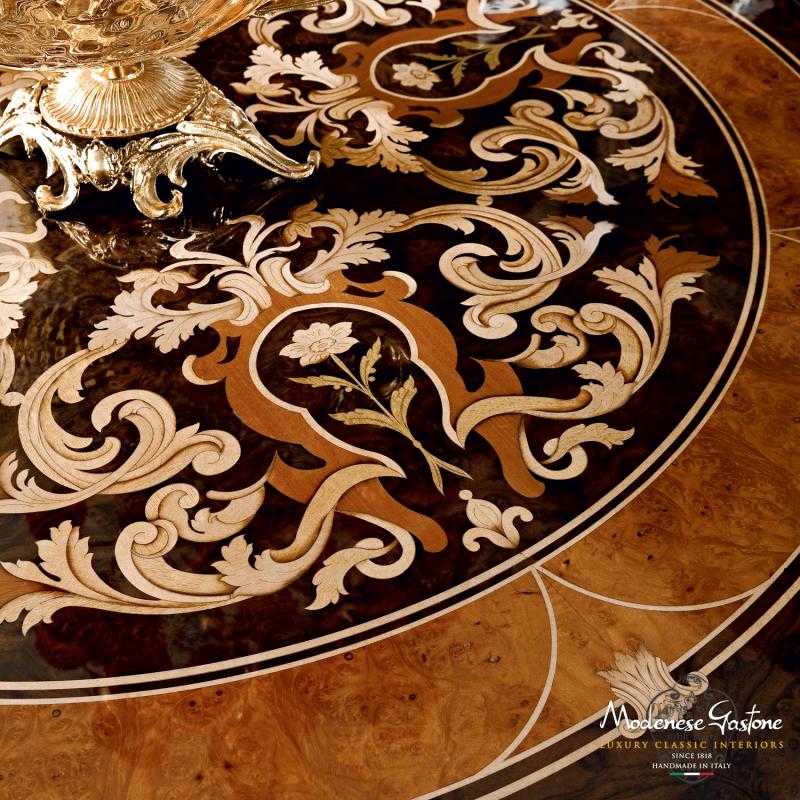
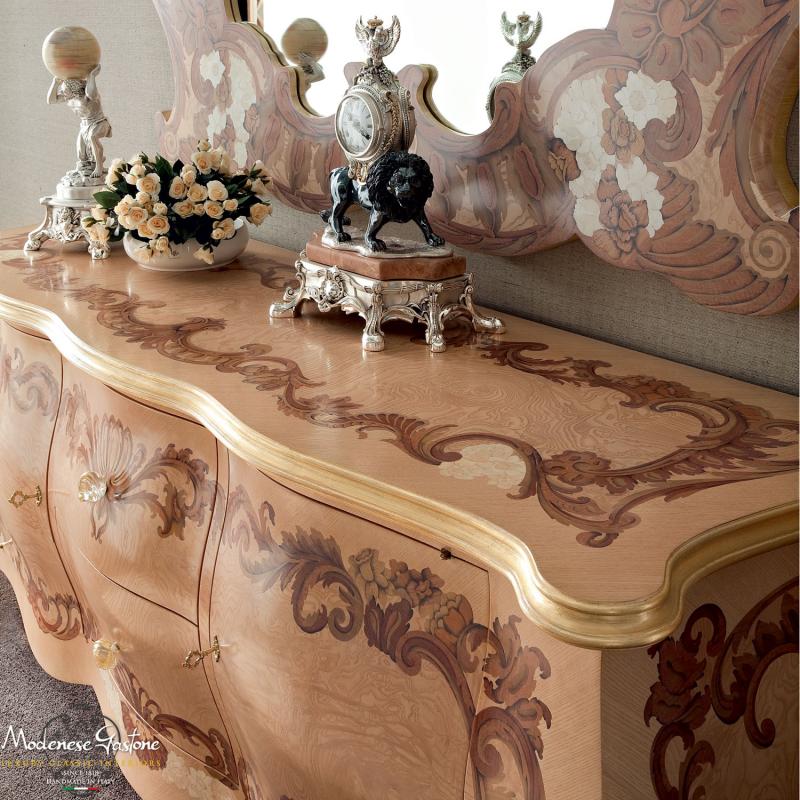
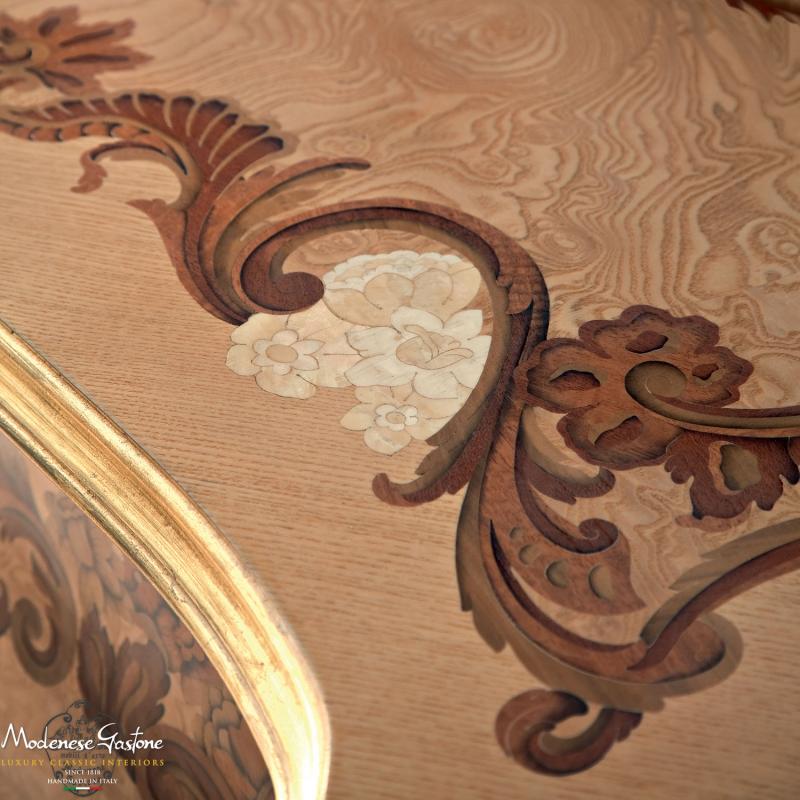
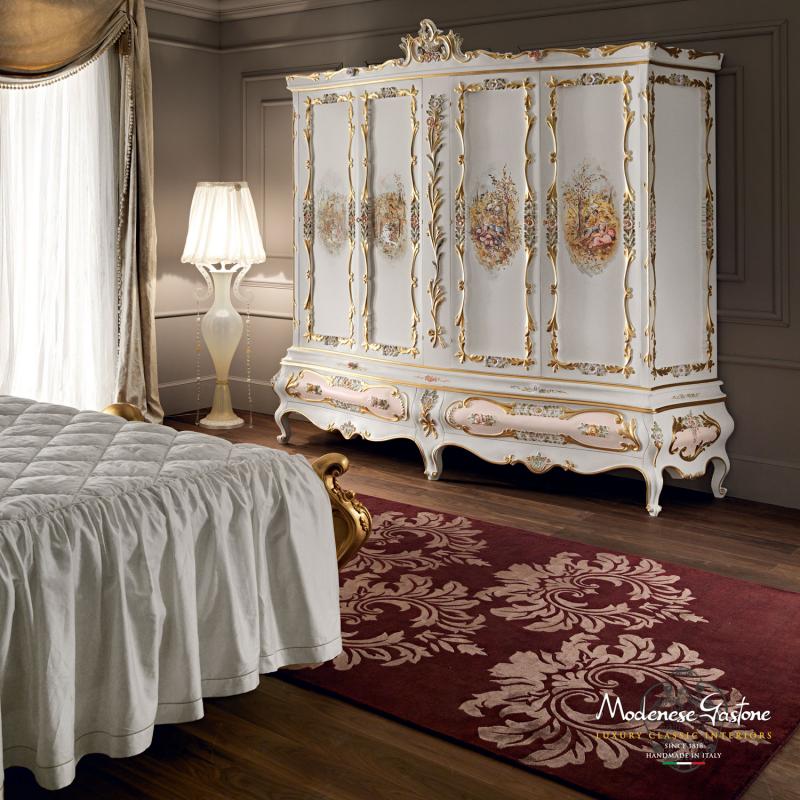
But colors are just the beginning. The character of an interior is also shaped by its forms. Baroque style is all about irregular lines, abundant curves, and rounded shapes. This is evident in the ornate frames of paintings and mirrors, as well as in the construction of the furniture. Even cabinets and tables that appear simple often feature various motifs—most commonly floral—on their surfaces. The legs of Baroque furniture are also small works of art. The same goes for chair backs, where right angles are a true rarity.
Where can you use the Baroque style?
The distinctive features of each arrangement mean that it fits perfectly in some places, while in others it simply doesn’t work. That’s exactly the case here. The Baroque style looks magnificent in palace interiors and large churches. It also shines in villas and spacious houses. In apartments, however, it doesn’t make quite the same impression. to showcase its grandeur without overwhelming the room. With a large area at your disposal, you can create this kind of arrangement in any space. The fundamental characteristics of the era—colors, ornamentation, and materials—should always be preserved, while also taking into account the specifics of each room. What should you keep in mind?
Baroque in the living room
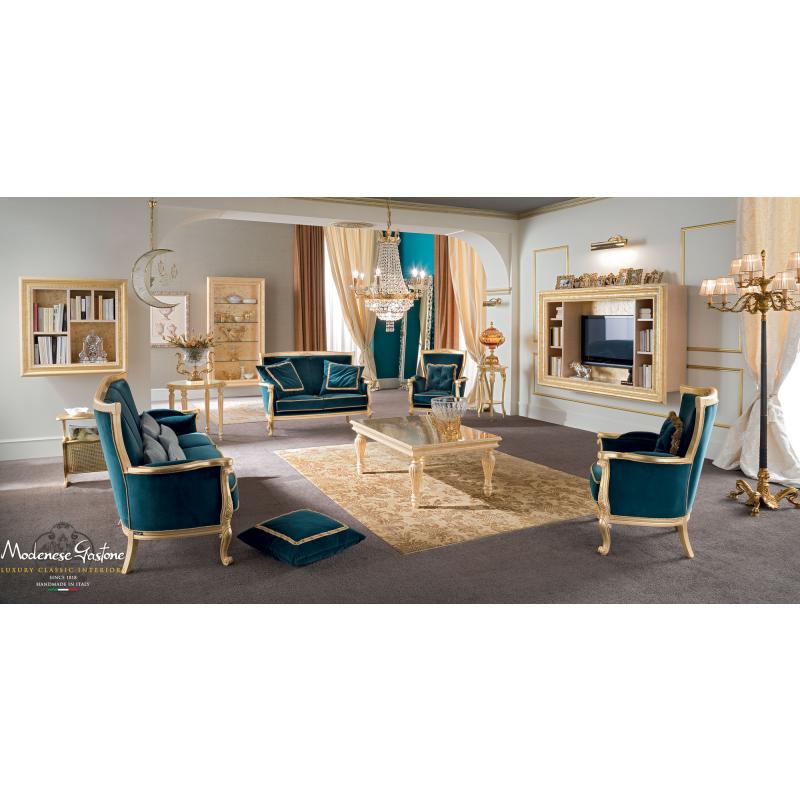
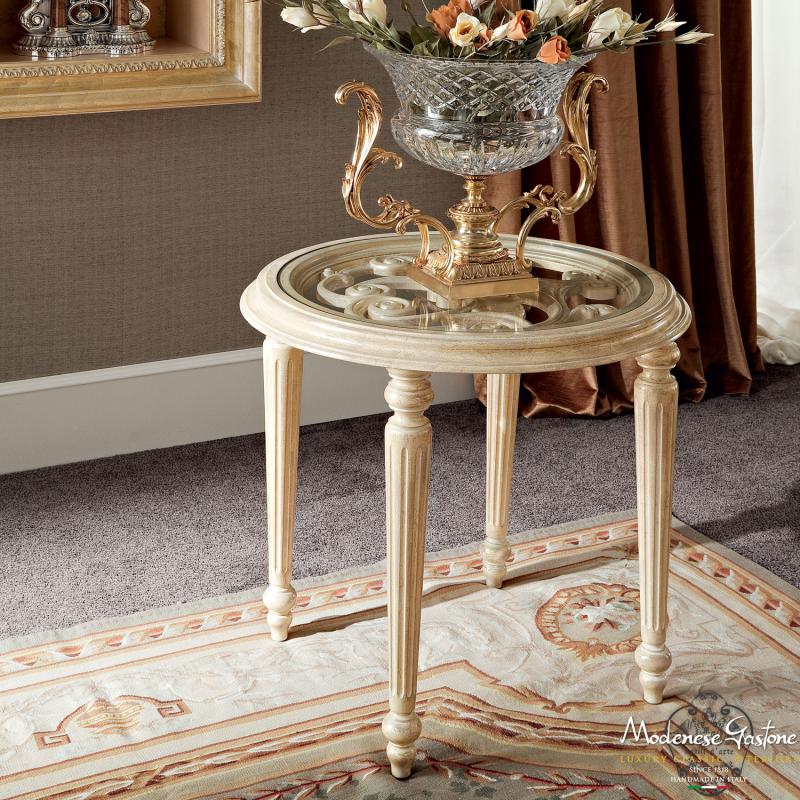
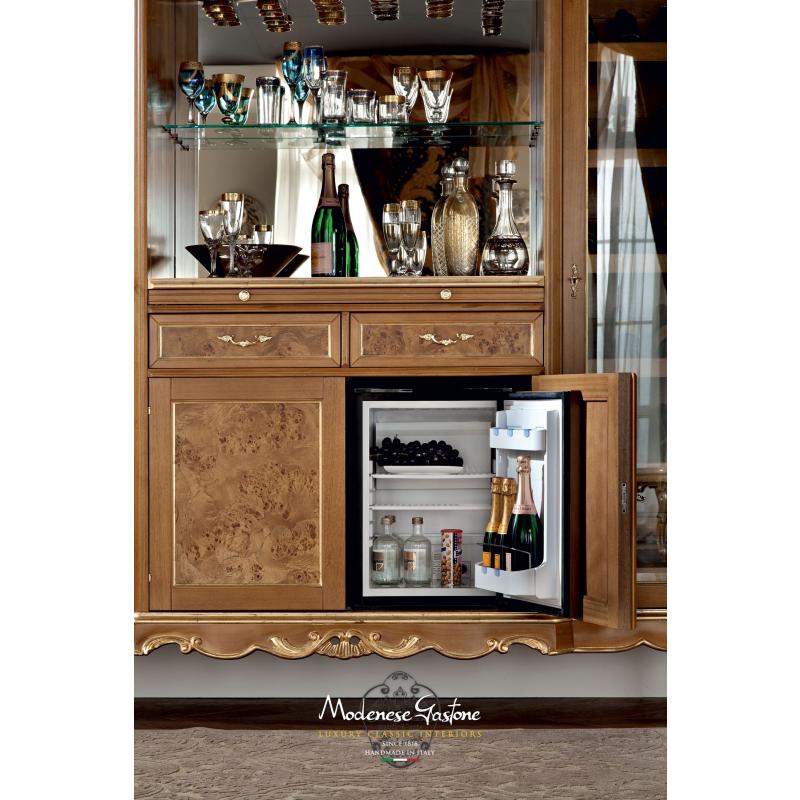
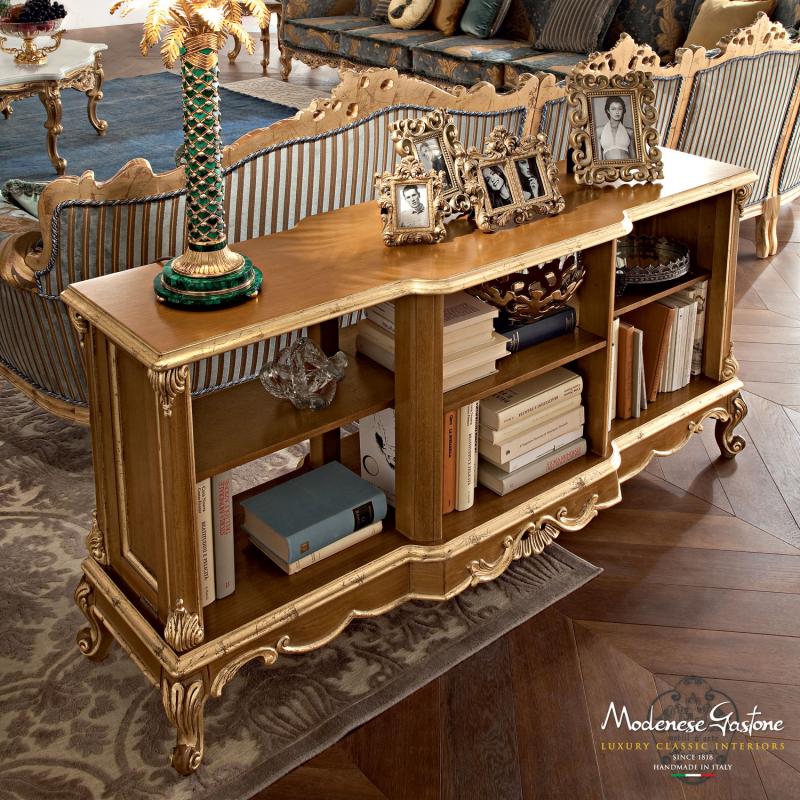
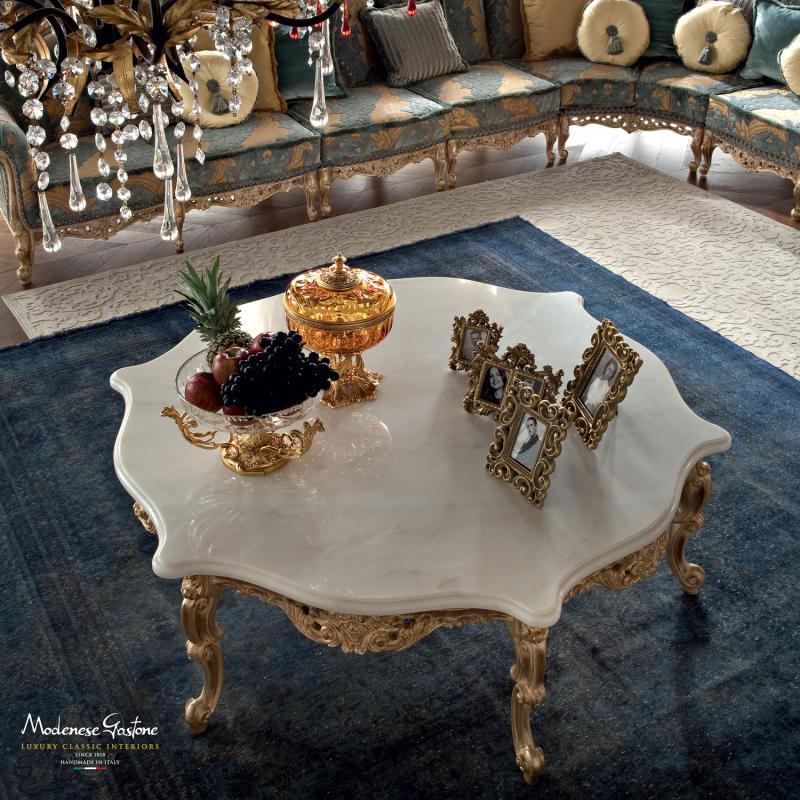
The living room is the main, most representative space and usually the largest one. Nowadays, most people choose to decorate this interior in the Baroque style. Ornate furniture is all you need—true enthusiasts search for original pieces from the era, but modern reproductions can also perfectly capture the atmosphere. A coffee table is an essential element in such a living room. Sculptures and paintings are a must. However, a kitchenette is not recommended. This modern solution may clash with a décor inspired by such a distant past.
Opulence matters, but it also requires moderation. Too many artworks can overwhelm and even ruin the charm of the interior. Sometimes it’s easier to opt for gilded accents, which also enhance the sense of luxury but do so more subtly. Creating a wall niche is an excellent idea, as is adding dark accents for contrast. The brightness of the walls can also be balanced with plants (both real and artificial), which look lovely on the table and sideboard. A living room arranged this way is tasteful and makes a stunning impression.
Baroque style in the bedroom
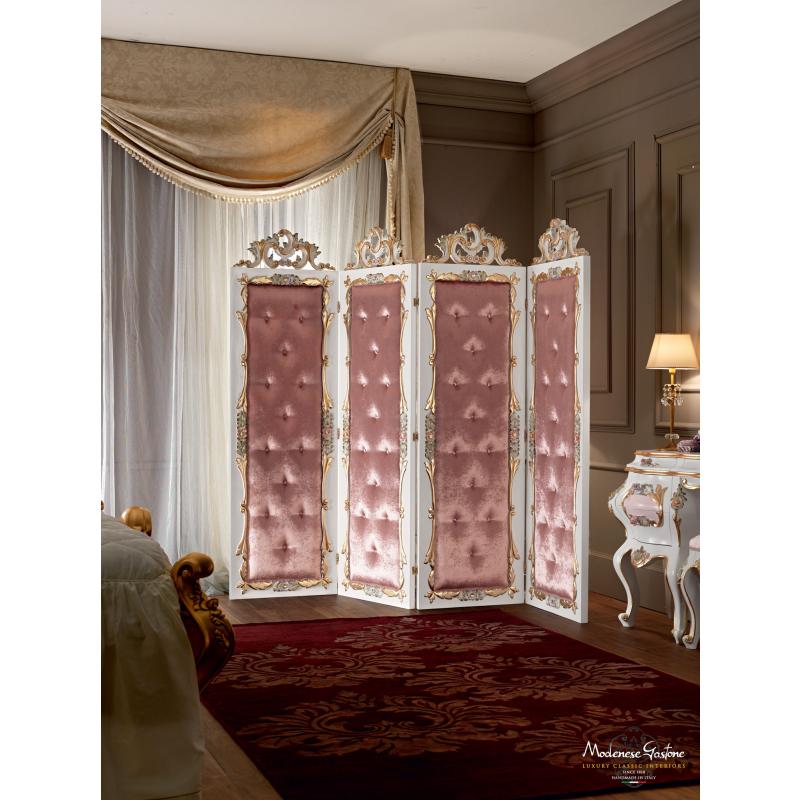
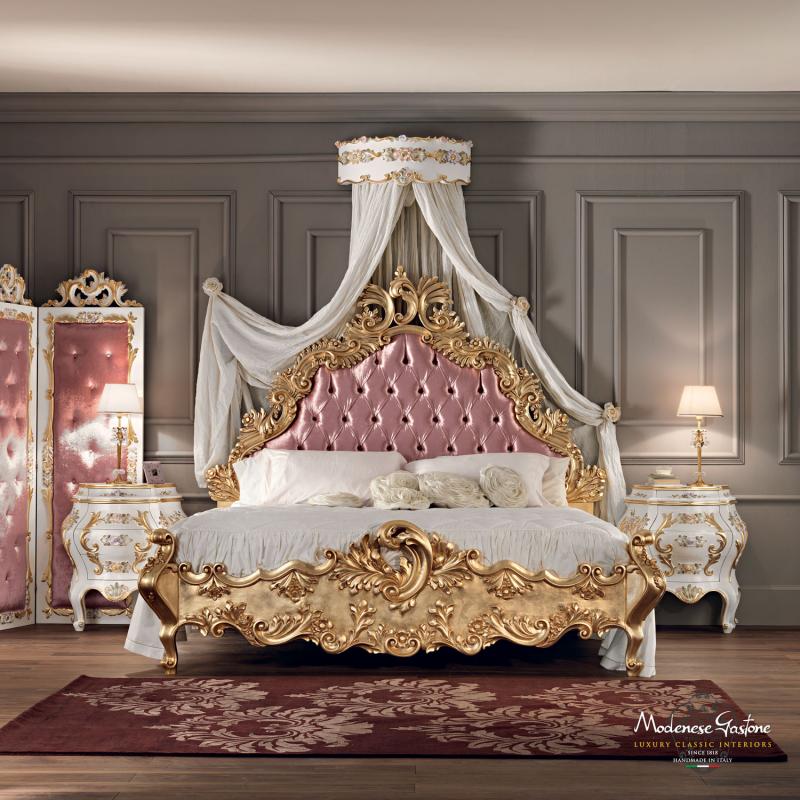
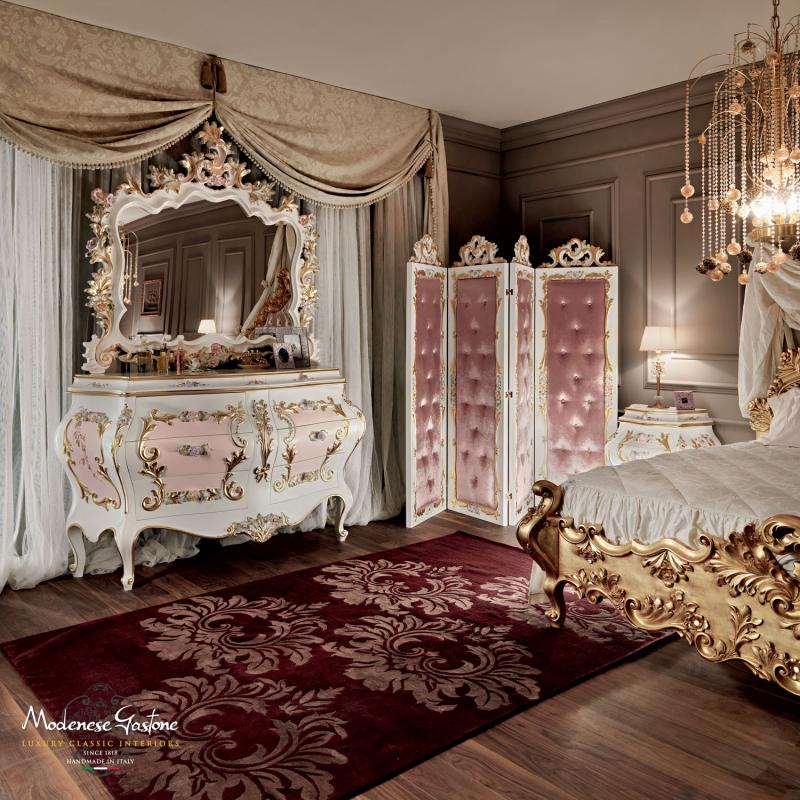
In a room designed primarily for relaxation, the Baroque style is a wonderful choice. Light colors promote tranquility, while understated elegance brings a sense of calm. The most important feature of the bedroom is the bed. It should be wooden, decorative, and topped with a canopy. But what about those who prefer upholstered beds? Does this mean you have to give up on a Baroque-inspired bedroom? Absolutely not!
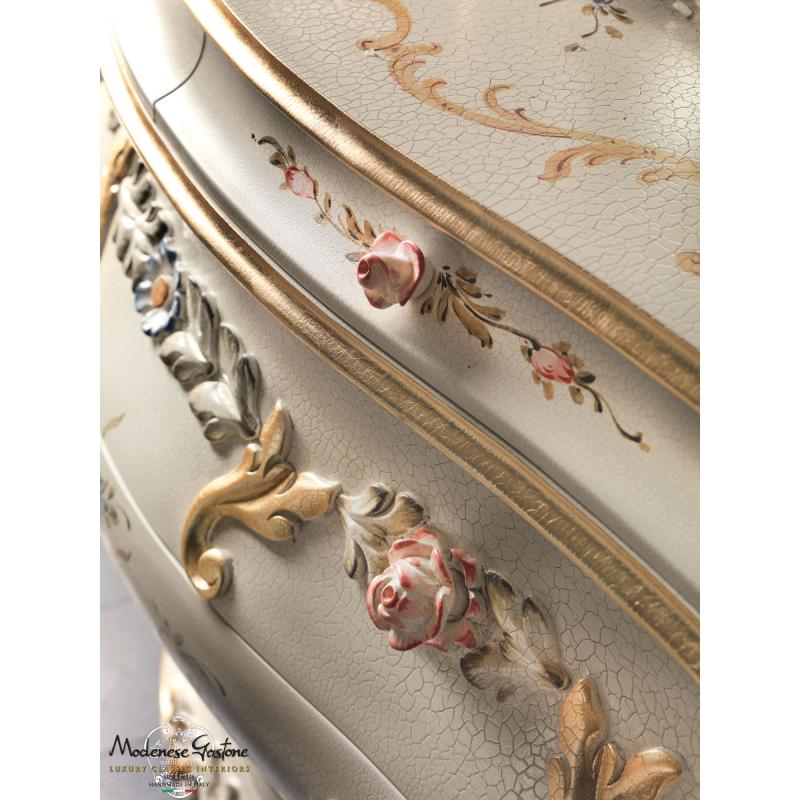
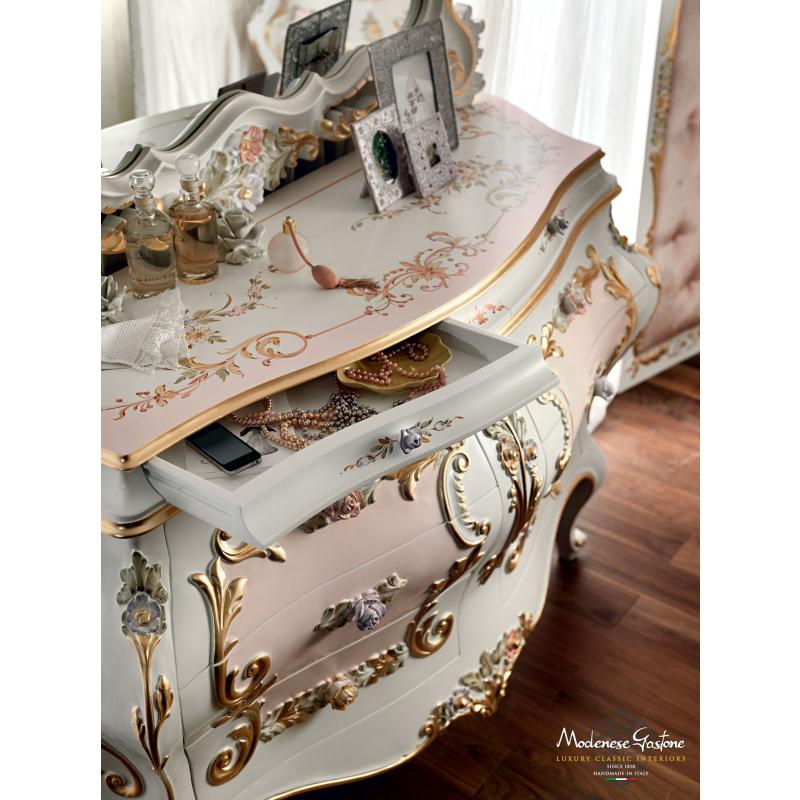
You can swap classic wood for elegant upholstery and replace the canopy with a decorative headboard. The style will be preserved, while the bedroom becomes exceptionally comfortable. Decorative pillows—an absolute must in a baroque arrangement—will also guarantee comfort. Many of them are satin and kept in soft shades of white, ecru, and beige, but a touch of contrast is also welcome. The functionality of a baroque-style bedroom is enhanced by a vanity table, which, during the heyday of the era, was an indispensable element of any sleeping quarters.
Baroque bathroom
This is another space often decorated in the Baroque style. Mirrors play a key role in the bathroom. Those with ornate, gilded frames look exquisite. Here, you can also beautifully combine Baroque with modernity. To achieve this, marble or graphite tiles are laid on the floor. Finding them in Baroque-inspired colors is easy, and the effect is immediate. Marble also looks stunning on the walls. In Baroque style, bathroom fixtures feature golden accents: faucets, bathtubs, and hangers in this color create an impression of opulence. In the bathroom, Baroque and contemporary elements blend most beautifully, making it easy to create a space that feels luxurious rather than overdone.
How to illuminate the Baroque style?
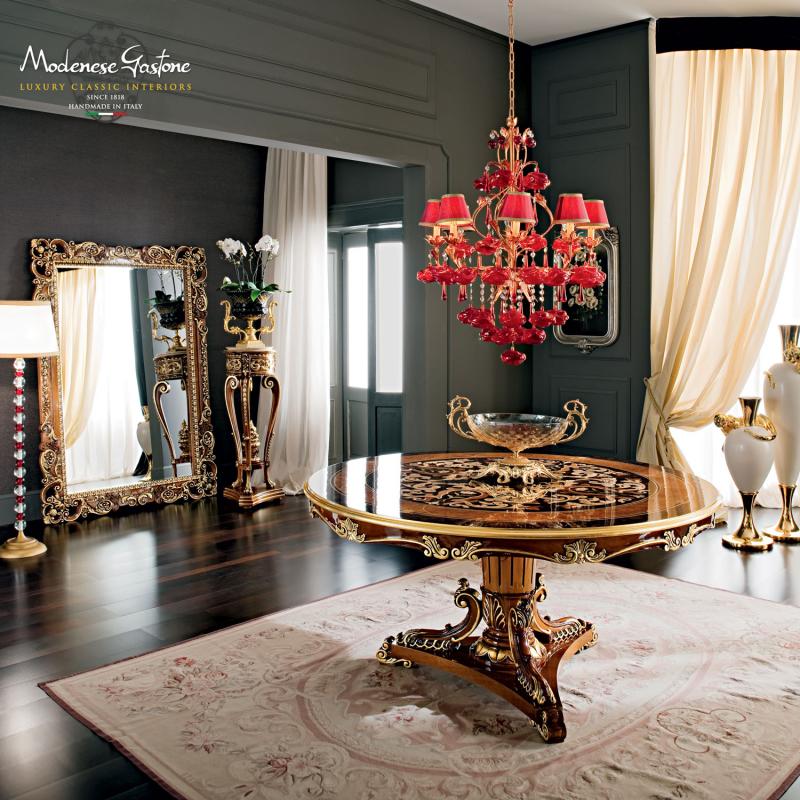
The play of light beautifully and effortlessly highlights the grandeur of the interior, and the bright shades of Baroque make this even easier. A chandelier above the table is a perfect choice, especially one adorned with glass crystals that scatter the glow. In spaces dominated by the Baroque style, you’ll often find many gilded lamps and wall sconces. These are a must on bedside tables, at key points in the room, and on both sides of the mirror. When the light reflects off them, the interior appears larger and feels warmer. Light is even used to accentuate exhibits in museums, and since Baroque was meant to emphasize opulence, creating an impression of splendor with lighting is a common practice. This brings the room to life, and the golden accents shine brilliantly.
If you want to design and furnish a desk in the Baroque style, write to – biuro@luxuryproducts.pl




Leave a Comment