

Well-being as the new definition of beauty

Did you know that Polish women spend around 2.8 billion zlotys a year on premium cosmetics? That’s more than they spend on books and theater combined. But that’s just the beginning of the story.
Cleopatra’s baths in donkey milk weren’t just a whim. They were the first documented form of luxury skincare, which today we’d call “premium wellness.” The Egyptians had their oils and Nile mud masks. The Greeks exfoliated with honey and sea salt. In India, Ayurveda was already blending beauty rituals with a philosophy of life.
Well-being as the new definition of beauty, from ancient elixirs to neuro skincare
That’s exactly why neuro-skincare was created— cosmetics designed to influence our well-being through the skin.
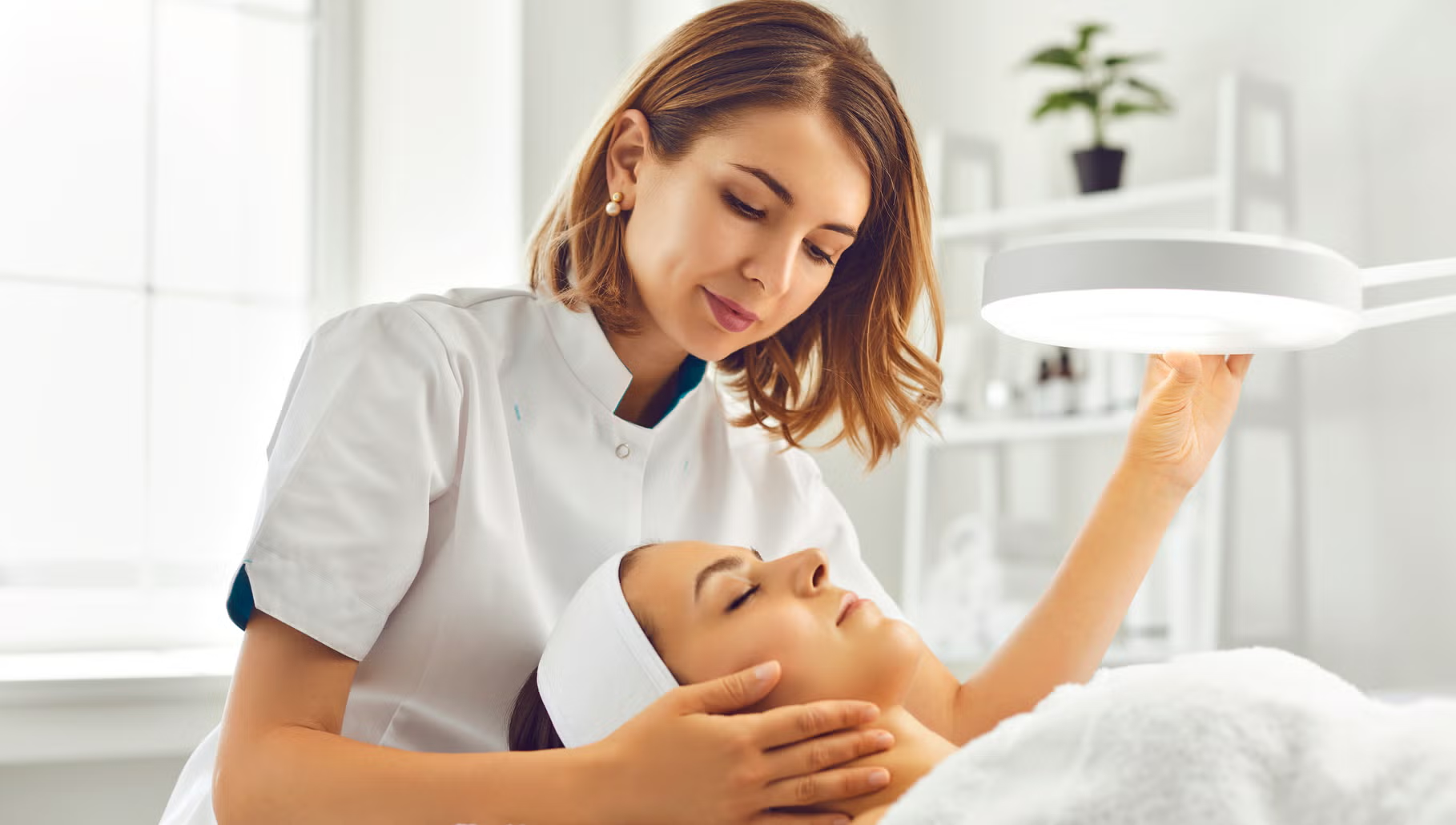
photo: fresha.com
It sounds like science fiction, but it works. Active ingredients that supposedly “communicate” with our nervous system through receptors in the skin. Who would have thought that from Cleopatra’s baths we’d end up with creams designed to calm us down?
This whole evolution shows one thing—well-being is no longer just a basic need. It’s become a form of self-expression. A luxury we buy not just for the results, but for the entire ritual. For that moment when you apply a 300-zloty serum and feel like you’re doing something truly special for yourself.
It might sound strange, but I think that in ten years we’ll have cosmetics tailored to our DNA and mood. Does it sound like the future? Or maybe it’s already here, and we just don’t know it yet.
Holistic premium beauty rituals – how luxury embraces body and mind
Warm water flows over your skin, and the air is filled with the scent of neroli. The first drop of bergamot oil touches your temple—and you already know this evening will be different. That’s the magic of premium holistic beauty rituals. It’s not just about your skin. It’s about resetting your entire system.
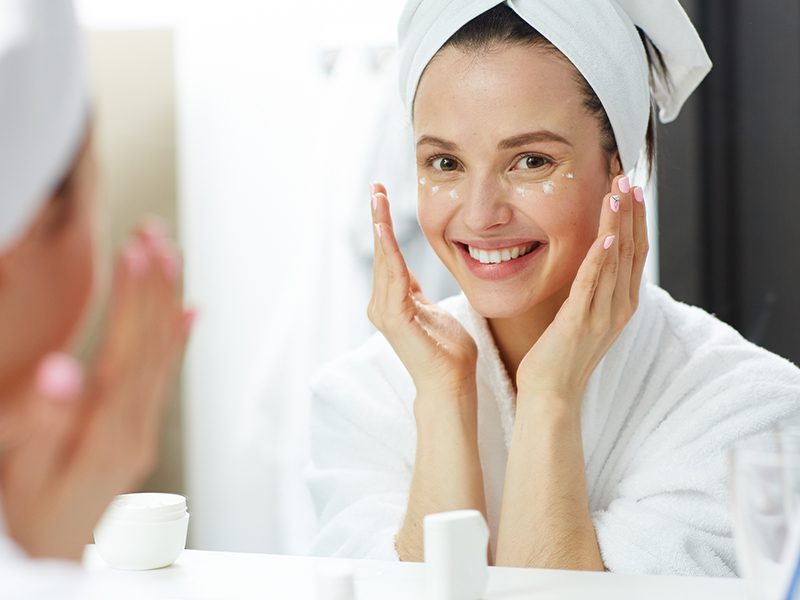
photo: pure-beautyproducts.com
Recently, I tried the DECORTÉ AQ ritual—the one with peptides and white orchid extract. “Bare-skin will” is their slogan, but it sounds more like a life philosophy. The product is applied with a special technique—small circles, moving from the center of the face outward. Peptides penetrate deeper when the skin is warmed. And the botanicals? They work on the level of neurotransmitters.
The mechanism is simple yet brilliant. Touch activates A-beta nerve fibers, which block pain signals. That’s why a facial massage instantly soothes you. But peptides go further—they stimulate collagen production and simultaneously affect the brain’s pleasure center. Neuroprotection isn’t just a buzzword. It’s real protection for nerve cells against oxidative stress.
At Guerlain Spa in Versailles, they blend tradition from 1828 with mindful touch protocols from 2025. A strange combination? Not at all. Old recipes for honeys and oils work just as well as they always have. But now we know why. Mindful touch protocols are a precise map of points on the body that connect to specific areas of the brain. Fifteen minutes of this massage lowers cortisol by 30%.
Aromatherapy works through the limbic system—the oldest part of the brain. Lavender calms, rosemary energizes, and ylang-ylang balances emotions. This isn’t placebo. It’s pure neurobiology.
To bring this home, you need a wellness wheel—the concept of six dimensions of well-being.
The physical dimension is the quality of the products—cold-pressed oils, preservative-free hydrosols. The emotional dimension is the atmosphere—candles, music, room temperature. The social dimension can be tricky—sometimes it’s better to turn off your phone. The intellectual dimension is awareness of what you’re doing. Why this particular oil? How does it work on your skin?
photo: exclusiveaestheticsawb.com
The spiritual dimension is intention. It might not sound scientific, but studies show—conscious action boosts the placebo effect by 40%. And the occupational dimension? That’s simply regularity. A ritual must be a ritual, not a one-off treat.
At home, I start with an oil cleanse—slowly, without rushing. Then a rose toner, also applied with mindful touch. Finally, a niacinamide serum and a jade roller facial massage. The whole routine takes 20 minutes, but the effect lasts all night. The skin is smoother, but more importantly—the mind is calmer.
Luxury brands have known this for years. That’s why their spas offer “journeys,” not just single treatments. That’s why they pack products in heavy jars and add applicators made from natural stone. It’s not a whim. It’s psychology. The feel of marble or jade sends different signals to the brain than plastic does.
Contemporary neuro-skincare is exactly that—a fusion of science and sensory experience. Active ingredients must work on the skin. But texture, scent, and application method must work on the brain. Only together do they deliver the full effect.
The question of rhythm is also fascinating. Premium rituals last at least 60 minutes. That’s no accident—that’s how long the nervous system needs to switch into regeneration mode. Shorter treatments give a cosmetic effect. Longer ones—a systemic effect.
The next step is to ask about responsibility. Because luxury is about more than just sensations.
Ecology and ethics in luxury beauty – when the well-being of the planet meets your radiance
Did you know that the average woman generates around 2.3 tons of CO₂ per year by using conventional cosmetics? Now imagine you could reduce that by 70% without giving up luxury. That’s exactly what clean beauty promises.
photo: ayd.com.sg
Take La Mer and their latest line. Their iconic cream used to cost a fortune and generate tons of waste. Now? It still costs a fortune, but the packaging is recycled, the algae are sustainably grown, and the effect is just as stunning.
| Aspect | Conventional luxury | Eco-luxury |
|---|---|---|
| Packaging | Plastic + cardboard | Glass + bamboo |
| Ingredients | Petrochemistry | Bioactive natural |
| Production | High CO₂ emissions | Carbon neutral |
| Efficiency | Quick action | Long-term benefits |
Something fascinating is happening with the I-Beauty segment in India. The market is growing by 12% annually, but this isn’t just an ordinary boom. It’s the nano-encapsulation of Ayurvedic ingredients.:seedling: Turmeric in nanoparticles penetrates deeper than any retinol. Ashwagandha in creams reduces cortisol through the skin.
I stayed at the Four Seasons Resort in the Maldives—the first luxury resort certified for biodiversity protection. Their spa uses only local plants they cultivate themselves. A massage with coconut oil from their own palms, a scrub made from shells collected on the beach after a storm. But the most interesting part? Guests pay $800 for a treatment, and 15% goes directly to a coral conservation program.
The resort employs marine biologists as spa therapists. In the morning, you dive with them to plant corals. In the afternoon, you get a massage with algae you helped collect. This isn’t ordinary wellness—it’s a blend of personal luxury and real environmental impact.
Biotech-Ayurveda is a trend that’s changing everything. Instead of synthetic peptides, we have fermented adaptogens.:seedling: A laboratory in Bangalore has developed a way to increase the bioactivity of brahmi by 300% through probiotic fermentation. The result? A serum that truly reduces wrinkles while supporting the skin’s microbiome.
These innovations come at a price. Nano-encapsulated Ayurvedic ingredients are more expensive than regular ones. But the results? After three months of using such a serum, my skin looks better than after years of conventional skincare.
It’s interesting how these trends are starting to make their way into the corporate world. Companies are discovering that investing in sustainable beauty for female employees isn’t just a PR move. It’s a way to build a culture of responsibility that translates into every area of business.
Well-being in corporations: luxury beauty benefits as an HR tool
“We’ve stopped treating well-being as a nice-to-have—it’s now a business necessity,” says Monika Kowalska, HR director at a Warsaw-based corporation. And she’s absolutely right.
Data from EY Polska in 2023 reveals something fascinating. Companies that implemented well-being programs with beauty elements saw a 20-30% increase in productivity. Those aren’t small numbers. That’s real business impact.
In January 2024, PARP published a report that surprised me. 60% of companies in Poland now consider well-being benefits a “necessity,” not a luxury. Something has shifted in the job market.
I know two Polish companies that went all in on this. The first—a large law firm in Kraków—introduced spa vouchers for its female lawyers. The result? Staff turnover dropped by half within a year. The second, from the IT sector, took it even further: in-office massages, monthly beauty treatments. Employees stopped taking sick leave so often.
In 2023, the Leon Koźmiński Academy studied something interesting—the reduction of the “Sunday afternoon syndrome” among people using beauty-well-being programs.
How to implement this? Here’s a simple list that works:
- Start by assessing the team’s needs
- Set a budget – 150-300 PLN per person per month is a reasonable starting point
- Find local partners – spas, beauty salons
- Introduce a voucher or card system
- Measure results – absenteeism, turnover, satisfaction
Not everything has to be expensive. One company started with free neck massages on Fridays. Employees were thrilled.
ROI? It’s easier to calculate than you think. The cost of recruiting one person averages 15,000–20,000 PLN. If a well-being program costs 2,000–3,000 PLN per employee per year and reduces turnover, the math is simple.
The future is heading toward even greater personalization. Apps that tailor benefits to individual needs. AI that suggests the right kind of relaxation. It sounds like science fiction, but it’s already happening.
Your future in the light of conscious luxury – next steps towards beauty and well-being
Conscious luxury is more than just a trend—it’s a lifestyle that’s gaining momentum. Right now, we’re on the brink of a revolution in how we think about well-being and beauty.
The wellness market is booming—forecasts predict it will reach $8 trillion by 2030. What does this mean for you? Investing in yourself will no longer be a whim; it will become the norm. Companies will compete for your attention, offering ever-better products and services. This means better prices and higher quality for you.
Artificial intelligence is transforming the way we approach the aesthetics of life. Apps like Mirror and Oura already analyze your needs and tailor recommendations. In a few years, AI will know which cosmetic ingredients work best with your skin, which scents influence your mood, and even which colors make you feel your best.
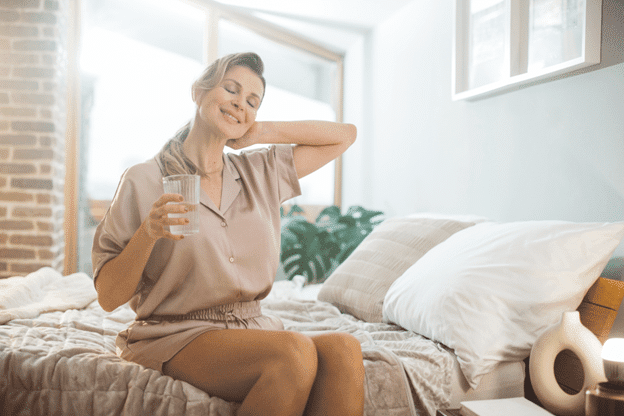
photo: premierskinclinic.com
Test yourself:
Do you know what brings you the most joy in your daily life? When was the last time you bought something you truly needed, not just wanted? What small changes could you make as soon as tomorrow?
The future belongs to those who understand the difference between having and being. Conscious luxury is an investment in yourself—in your energy, health, and confidence. Don’t wait for the perfect moment. Start with small steps, but start today.
Your future in the light of conscious luxury is entirely up to you. The market will give you the tools, technology will make choices easier, but the decision is yours.
NUDI
beauty editor
Luxury Blog




Leave a Comment