

Warsaw Districts Ranking 2025 – Where Is the Best Place to Live?
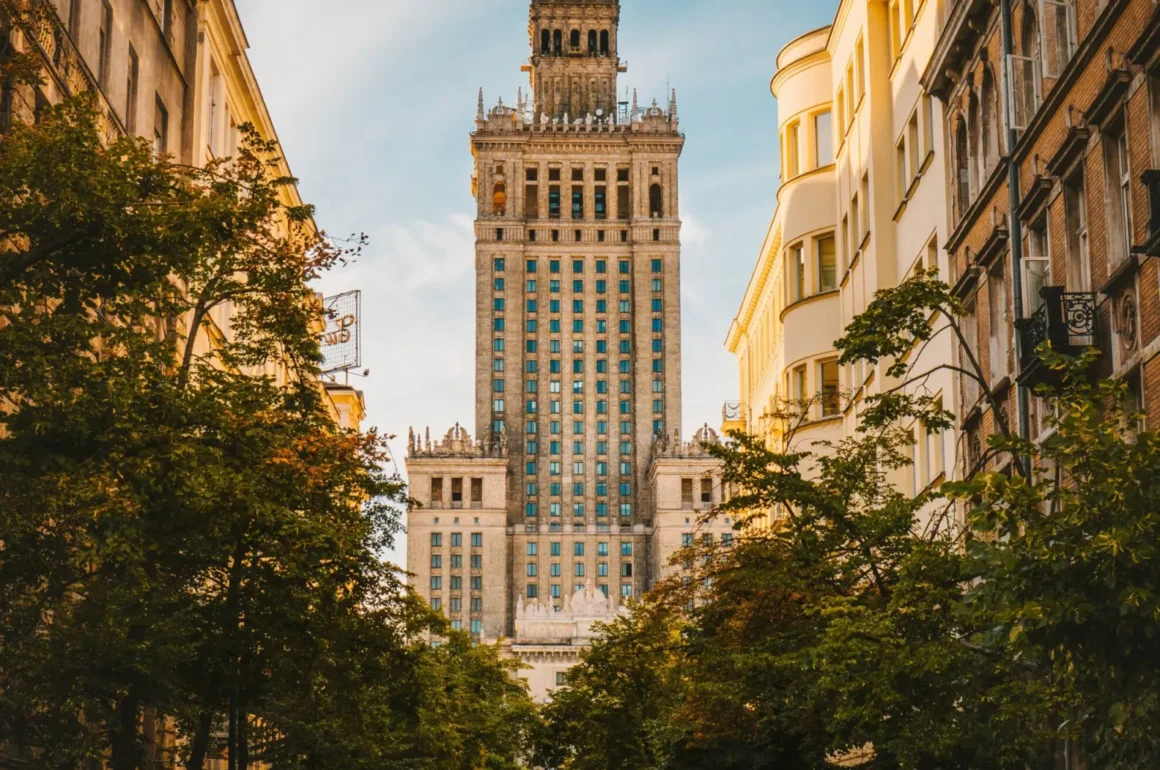
“1.8 million residents over 517 km²” – these aren’t just numbers in the city hall statistics. These are people who wonder every day if they’ve chosen the right neighborhood to live in.
Imagine Ania, who has just been promoted and can now afford to move from her studio apartment in Bemowo to something bigger. One evening, she sits down with her laptop and types into Google, “where to live in Warsaw.” She’s not alone—searches like this are breaking popularity records in 2025.
Warsaw Districts Ranking 2025
Why is everyone suddenly talking about neighborhood rankings? Because the city is changing faster than ever. The metro in Bemowo, new housing estates in Mokotów, the revitalization of Praga. What was true about these neighborhoods just five years ago now sounds like stories from the past.
A district ranking isn’t just a numbers game. It’s an attempt to answer the question every Warsaw resident planning a move asks themselves: where will I be happy for the next few years?
In this article, you’ll find answers to three key questions: how to objectively evaluate a district, which areas of are leading in 2025, and what exactly you should do to make a smart decision.
I won’t give you ready-made solutions. Each of us has different priorities—one dreams of greenery outside the window, another wants to get to work in twenty minutes. But there are things you can measure and compare.
Ania from our example probably doesn’t know yet that her decision depends on a dozen or so factors, which can be captured in specific indicators. But before we move on to how district rankings are created…
How the ranking is created – criteria, sources, and evaluation method
Where do these numbers actually come from? I hear this question every time someone looks at the district ranking. I’ve wondered about it myself, especially when I saw how drastically some positions have changed over the years.
The entire system is based on five main evaluation criteria. Quality of life accounts for 35% of the total score—here we look at access to public transport, shops, schools, and kindergartens. Safety weighs in at 25% and includes crime statistics as well as residents’ subjective sense of security. Economy, at 20%, covers housing prices, average local earnings, and job availability. The environment makes up 15%—air quality, greenery, and noise levels. The final 5% comes from residents’ opinions collected from various sources.
But note – these proportions haven’t always looked like this. In 2013, when the ranking was created, economics accounted for as much as 40% of the weight. Back then, it was mainly about where things were cheapest. In 2017, the first major change occurred – safety gained importance after several high-profile incidents in the city. 2023 brought an ecological revolution – the environment jumped from 5% to the current 15%. And this year, for the first time, we included social media as a source of opinions.
Data sources form a whole mosaic of information. The main pillar is the Statistical Office – this is where we get hard data on crime, prices, and demographics. The “Happy Home ” 2024 report provides us with unique insights into satisfaction with place of residence. Beesafe.pl 2024 is our safety database, analyzing real-time police reports.
This year’s novelty is post monitoring on X – the algorithm scans entries tagged with district names and classifies them as positive, negative, or neutral. It sounds a bit like science fiction, but it offers an interesting perspective on how people truly perceive their neighborhoods.
Normalizing indicators might be the most boring, yet the most crucial part of the entire process. After all, you can’t compare apartment prices in złoty with the number of crimes per thousand residents. Each indicator is converted to a 0-100 scale, where 100 represents the best district in a given category, and 0 the worst. Only then do we multiply by the weight and sum up the results.
Sometimes I think that all these numbers are just an attempt to capture something elusive—the feeling of what it’s like to live in a particular place. But it’s precisely thanks to this methodology that we can show which neighborhoods truly offer the best living conditions.
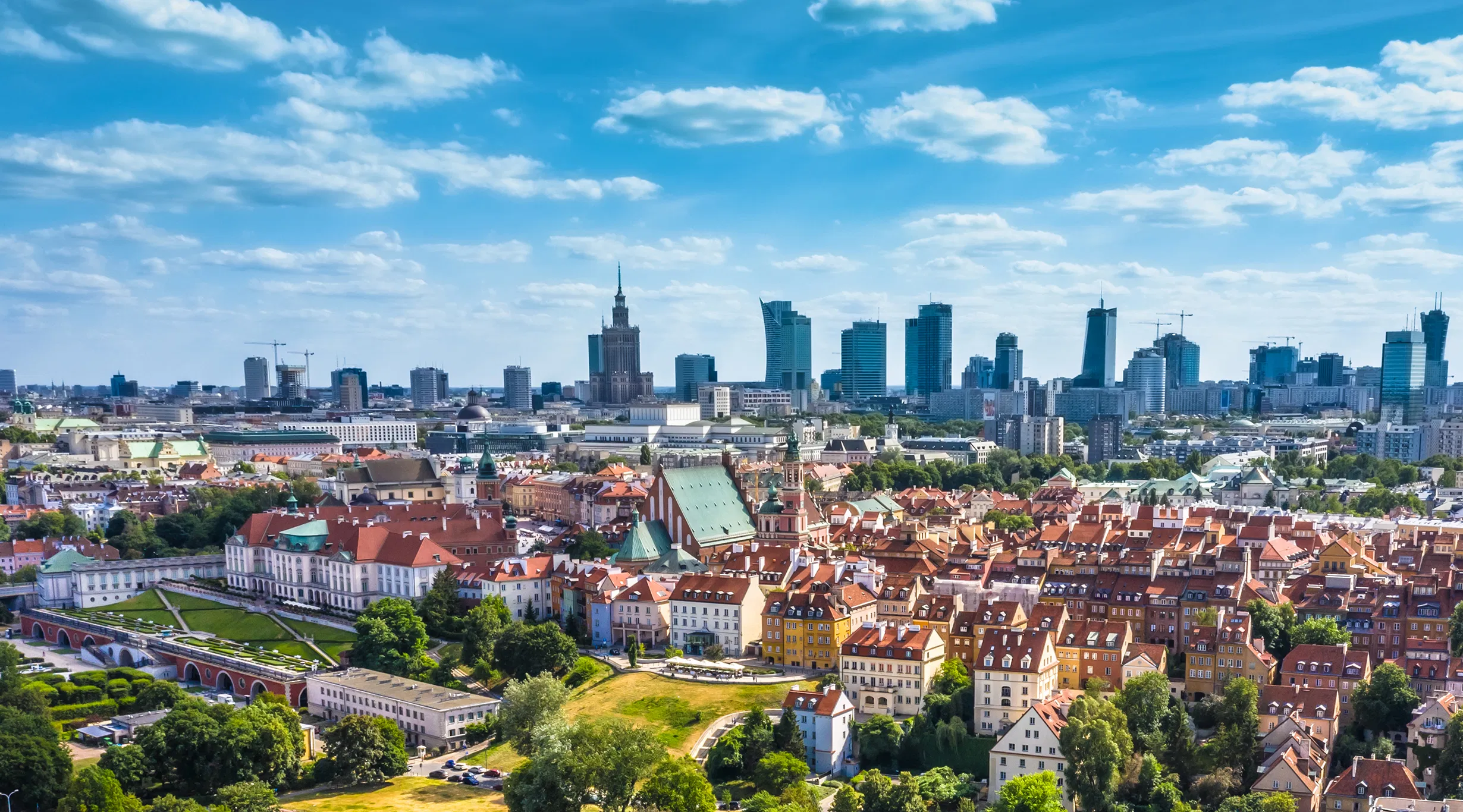
Leaders and Outsiders 2025 – A Practical Analysis of Districts
Who would have thought that in 2025 we would still be debating whether Praga is a district for the brave and Wilanów only for the wealthy?
| District | Price per m² (PLN) | Crime (per 1,000 inhabitants) | Metro access (min) | Green areas (%) |
|---|---|---|---|---|
| Ursynów | 12,800 | 2.1 | 3 | 45 |
| Wilanów | 18,500 | 1.8 | 12 | 48 |
| Mokotów | 15,200 | 2.5 | 2 | 35 |
| Żoliborz | 14,100 | 2.1 | 8 | 42 |
| Ochota | 12,900 | 3.2 | 4 | 28 |
| Wola | 13,700 | 2.8 | 5 | 31 |
| Praga Północ | 9,800 | 6.4 | 7 | 22 |
| Bemowo | 10,200 | 4.1 | 15 | 25 |
| Targówek | 8,900 | 5.8 | 18 | 19 |
Ursynów ticks almost every box—you get peace and quiet, the metro right at your doorstep, and parks just a stroll away. The catch? Pileckiego at 5:30 PM is a traffic nightmare. Wilanów is still reserved for those who can afford 18,500 per square meter, but at least you no longer have to spend half the day getting to the city center. The metro line is still a trek, but you get tranquility and greenery in return.
Mokotów boasts excellent metro access, but apartment prices keep rising and, surprisingly, there are few parks for such a large district. Żoliborz remains a charming spot for those who appreciate pre-war vibes—safe, green, though sometimes a bit dull. Ochota has surprised everyone—prices are relatively reasonable, the metro is close by, but it could use more green spaces. Wola continues to evolve, and the results are already visible—crime rates are dropping, and public transport works well.
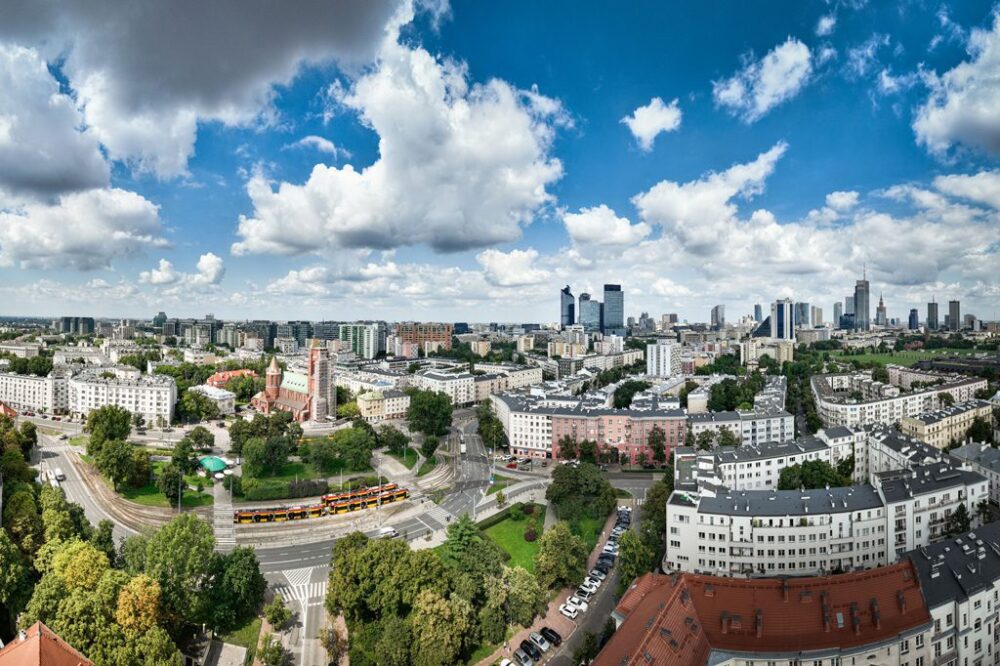
At the bottom of the table, we have a trio that probably surprises no one. Praga Północ still struggles with safety issues, although 6.4 crimes per thousand residents isn’t exactly a disaster—other districts have simply managed to bring the numbers much lower. Bemowo mainly suffers from terrible public transport access. Targówek rounds out the list, but honestly, for just under 9,000 per square meter for real estate, it’s worth considering.
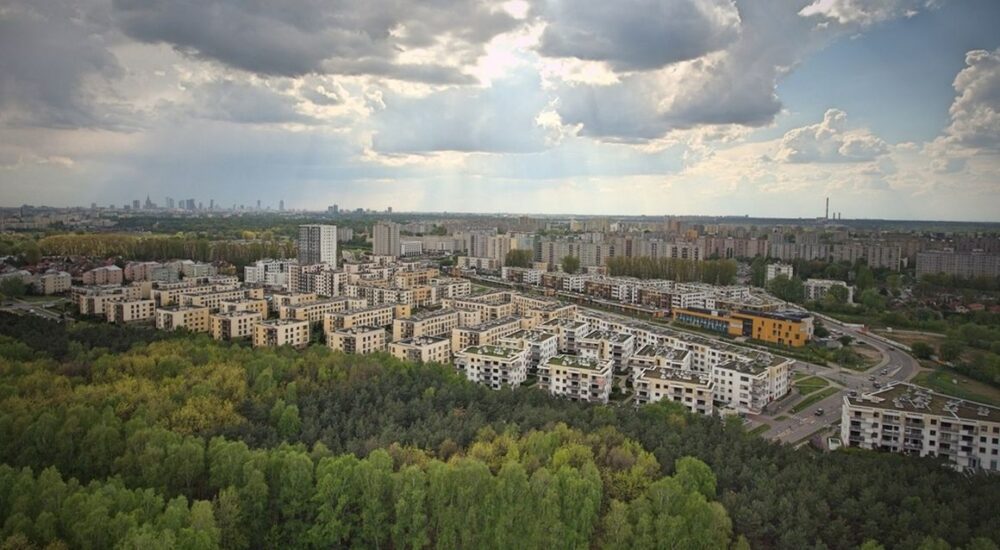
It’s interesting how much reality has challenged our Warsaw stereotypes. Praga does have higher crime rates, but the difference is no longer as dramatic as it once was. Wilanów is no longer just an enclave for the wealthy—the infrastructure is improving, although prices are still intimidating. Ursynów has proven that you can be both affordable and high-quality at the same time.
These numbers show where it’s really worth looking, but each of us has different priorities.
What’s next? Conclusions and a guidepost for future residents of Warsaw
You already have the data—now it’s time to act. The key takeaway? There’s no such thing as a perfect neighborhood —only ones that fit a particular lifestyle.
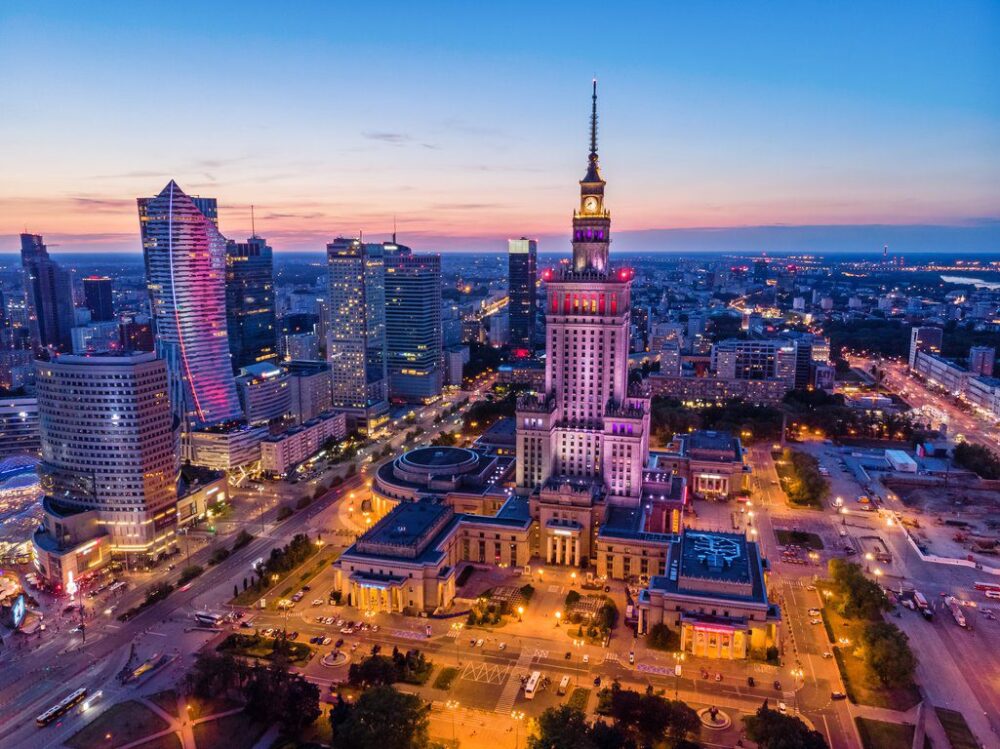
Lesson one: central location doesn’t always mean comfort
Mokotów or Żoliborz often outperform Śródmieście when it comes to everyday convenience. Traffic jams, lack of parking spaces, noise—these are the costs of a prestigious address. Sometimes it’s better to live 15 minutes further away and enjoy some peace and quiet.
Lesson two: public transport rules
The metro changes everything. Neighborhoods near metro stations grow at a rapid pace. And those without good connections? They gradually lose their appeal, no matter what other advantages they may have.
Lesson Three: The Future Lives on the Outskirts
Gentrification has already reached Praga and Wola. Now it’s moving further—Bemowo, Białołęka, and even parts of Ursus are undergoing a transformation. The pioneers of this process are often the ones who benefit the most.
Checklist before you move ✅
Ask yourself these five questions before making a decision:
- Can I get to work without transfers in less than 45 minutes?
- How much does my monthly apartment upkeep plus commuting cost?
- Do I have a store, a pharmacy, and a service point within a 10-minute radius?
- What will this neighborhood look like in 10 years — better or worse?
- Do I feel safe here at different times of day?
Interesting changes are on the horizon. A new district is already taking shape in Bemowo—by 2030, a small town with offices and apartments is set to rise there. Ecology is no longer just a trend; it’s becoming a necessity—neighborhoods with greenery and clean air will only get more expensive.
Oh, and one more thing. Don’t wait too long to make your decision. Warsaw is changing faster than you think, and great housing opportunities disappear in a flash. It’s better to make an imperfect choice today than a perfect one in two years, when prices will have gone up.
Jan
real estate & business editor
Luxury Blog





Leave a Comment