

Top film festivals in Poland – prestige, numbers, trend
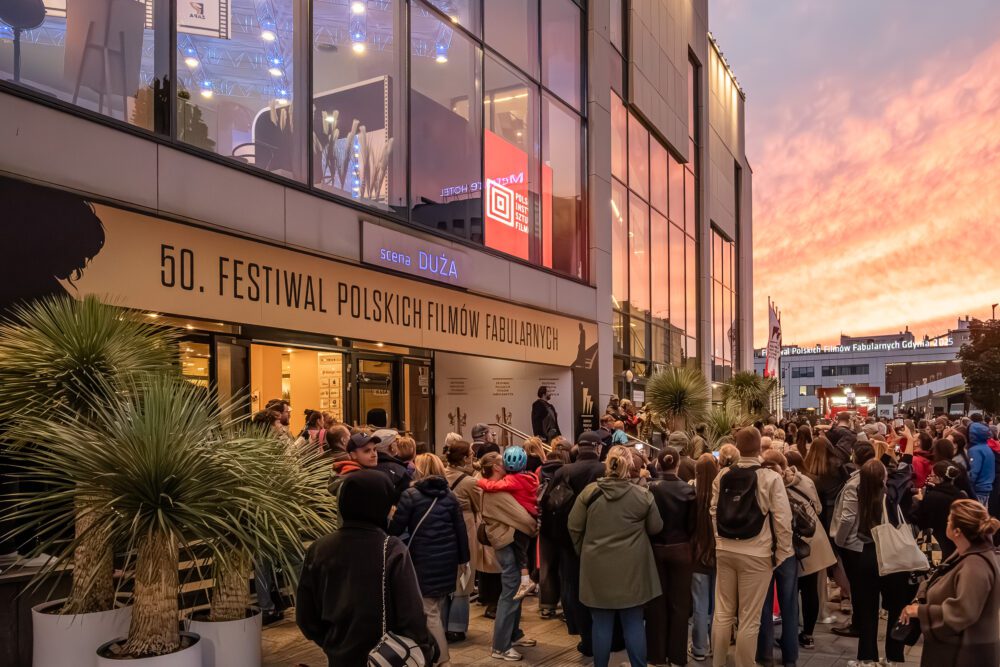
There are over 100 film festivals held annually in Poland, but what does “TOP” really mean? There is no single official list, no institution issues certificates. Instead, we have a combination of criteria that together create the picture: FIAPF statuses, Oscar qualifications, the scale of the program, attendance, and something less measurable—the atmosphere and impact on film culture.
Top film festivals in Poland – discover our guide
Because these are spaces where the industry meets the audience without intermediaries. A festival is not just a screen; it’s conversations after screenings, Q&A sessions with creators, sometimes a chance encounter in line for coffee that changes your perspective on a film. For the industry, it’s a showcase; for us, it’s a chance to see titles that will never make it to multiplexes.
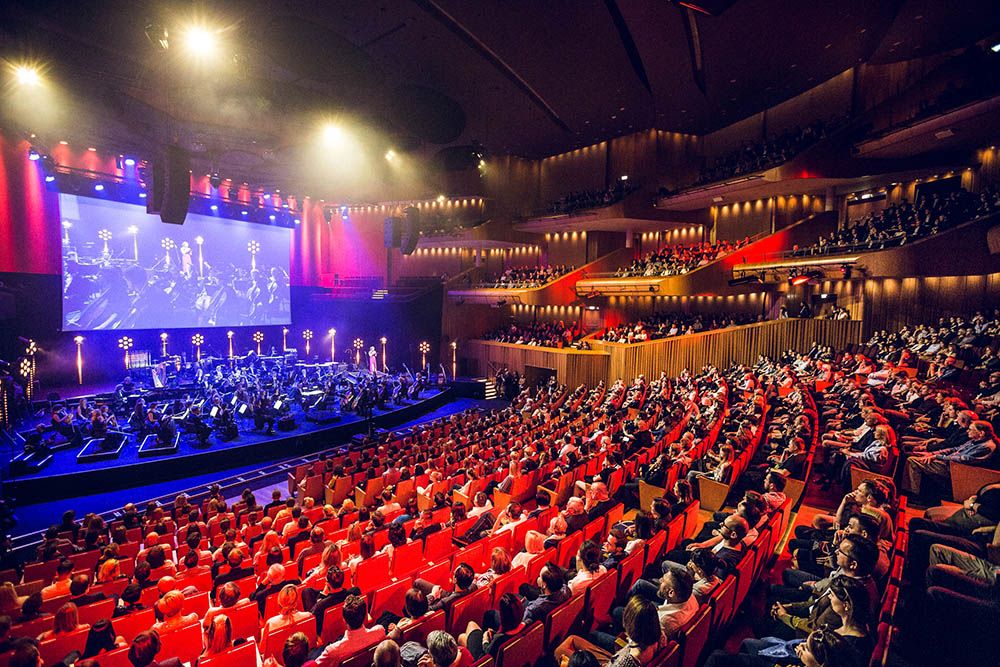
In this guide, we combine hard data (international accreditations, statistics) with soft data (how it feels there, what remains after the festival). Below you’ll find evaluation criteria, profiles of key events, the history of the Polish festival scene, and trends for 2024–2026. Straightforward and to the point.
Criteria of prestige and significance
For a festival to make it into the “TOP” set, it needs more than just a cool poster and a few good films. We look at both hard, measurable factors and… well, let’s call it the vibe. Because prestige is the sum of facts and feelings.
Accreditations and qualifications: hard marks of prestige
Here, paperwork and international stamps matter:
- FIAPF (Fédération Internationale des Associations de Producteurs de Films) – grants accreditation to competitive festivals. WFF has held Class A status since 2009, placing it alongside Cannes and Berlin. It’s like the Champions League in football, but for festivals.
- Oscar and EFA qualifications – KFF has been submitting short films to the Oscar race for years; MDAG joined in 2024. When a festival opens the path to the Oscars, premieres come naturally.
- Audience reach – Nowe Horyzonty attracts 169,000 viewers (2025), MDAG expands to 7 cities. Thresholds? Tens of thousands is the minimum for “TOP,” hundreds of thousands is a power move.
Audience, program, and atmosphere: what else matters
Numbers are one thing, but what also matters is:
- Quality of selection – world premieres, discoveries, consistent curatorial approach year after year.
- Industry market – Polish Days (WFF), pitching sessions, VR sections. The festival carries a different weight for professionals than for the general audience.
- Festival experience – atmosphere, organization, audience impressions. Blogger rankings (e.g., garretreza.pl) evaluate exactly this, subjectively but influentially.
Each of these elements adds points to the unwritten scoreboard. Next, we profile specific TOPs with the numbers on the table.
TOP Polish festivals in numbers
The table below gathers festivals that truly set the rhythm of Polish film life. Some focus on national cinema, others are international hubs, while still others occupy narrow but prestigious niches.
| Festival | City | Founded | Status/awards | Latest numbers | Why in the TOP |
|---|---|---|---|---|---|
| FPFF Gdynia | Gdynia | 1974 | Golden Lions | approx. 50,000 spectators (est.) | overview of Polish cinema, national prestige |
| New Horizons | Wrocław | 2001 | EFA recommendation | 169,000 participants (2025), ~460 films (2024) | the largest art-house in PL, the voice of the audience |
| Camerimage | Toruń | 1993 | Golden Frog | ~200 films / 60 countries (2024) | global festival of cinematography |
| WFF | Warsaw | 1985 | FIAPF class A | 100+ movies | international competition, audience awards |
| KFF | Kraków | 1961 | Oscar-qualifying | 200+ films, Golden Dragon/Lajkonik | the oldest in PL (doc./anim./short) |
| MDAG | 7 cities | 2004 | Oscar qualifications (from 2024) | 181,000 participants (2025) | the largest documentary festival in the country |
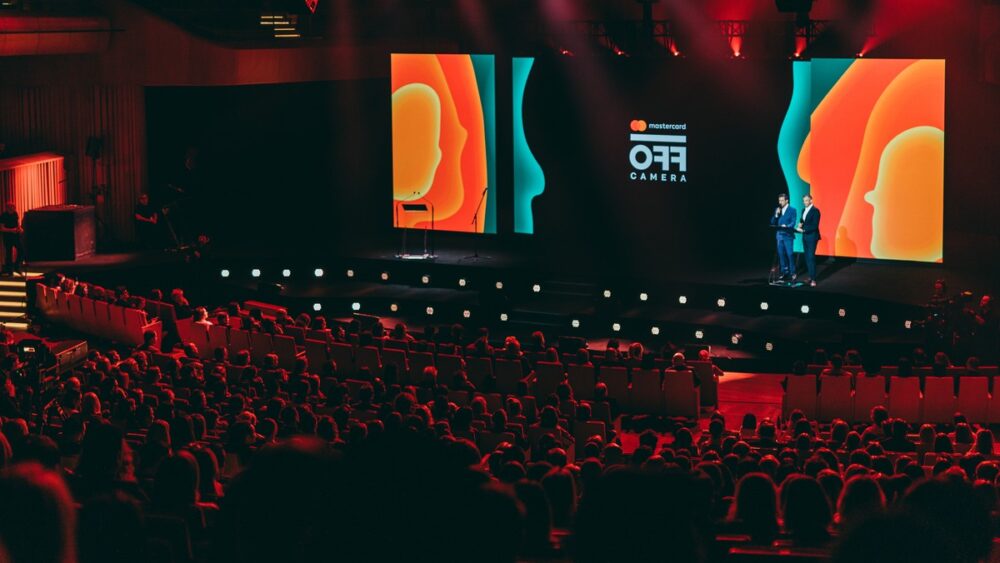
| Off Camera | Kraków | 2008 | prizes of 25,000–100,000 USD | >100 films | high grants, independent cinema |
Camerimage and KFF have separate Oscar-qualifying statuses (for the main cinematography competition and short film/documentary categories, respectively), which puts them on the global map. WFF, on the other hand, belongs to the select group of class A festivals according to FIAPF, so it competes side by side with Berlin or Cannes in terms of formal recognition.
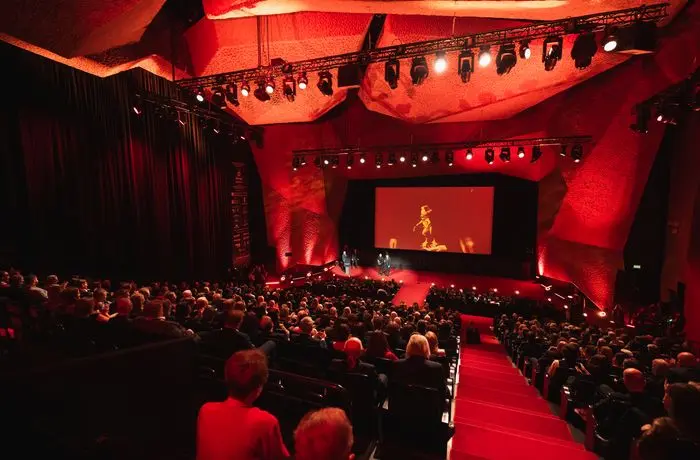
The list shows that the Polish TOP is a mix: from a national review (Gdynia), through mass art-house events (Nowe Horyzonty), to specialized events with international reach (Camerimage, MDAG). Together, they create an ecosystem that has room for both blockbusters and expert niches.
History and evolution of Polish festivals
The National Film Festival in 1961, or KFF, began as a propaganda tool of the Polish People’s Republic. But it became something more. Documentary filmmakers and animators suddenly had a space where they could experiment. It is the oldest short film festival in Europe and it is still going strong.
FPFF is a different story. The Polish Film Festival began in Gdańsk in 1974. Everything was fine until 1987, when the authorities decided to move it to Gdynia. A punishment for Gdańsk’s ties to Solidarity? Probably. The Golden Lions remained, and the prestige grew.
Warsaw Film Festival (1985) began as a local film week. Roman Gutek and later Stefan Laudyn turned it into an international brand. In 2009, FIAPF awarded it Class A status. That was the moment when Warsaw joined the league of Cannes or Berlin, at least formally.
The late 90s and the festival boom
After 1989, everything opened up. Camerimage in 1993 (Marek Żydowicz focused on cinematographers, because no one else was doing it), New Horizons in 2001 (Sanok, then Cieszyn, finally Wrocław from 2006), Millennium Docs Against Gravity in 2004 ( previously Planete+ Doc Review), Off Camera in 2008 with high cash prizes for independent creators.
Disputes? Camerimage moved from city to city (Łódź, Bydgoszcz, Toruń, then Toruń again) because local politics and money were the deciding factors. Gdynia had its own award controversies. But it was precisely these tensions that showed festivals are about more than just cinema. They’re about prestige, tourism, and the identity of the city.
Records, hybrids, and new accents (2024-2026)
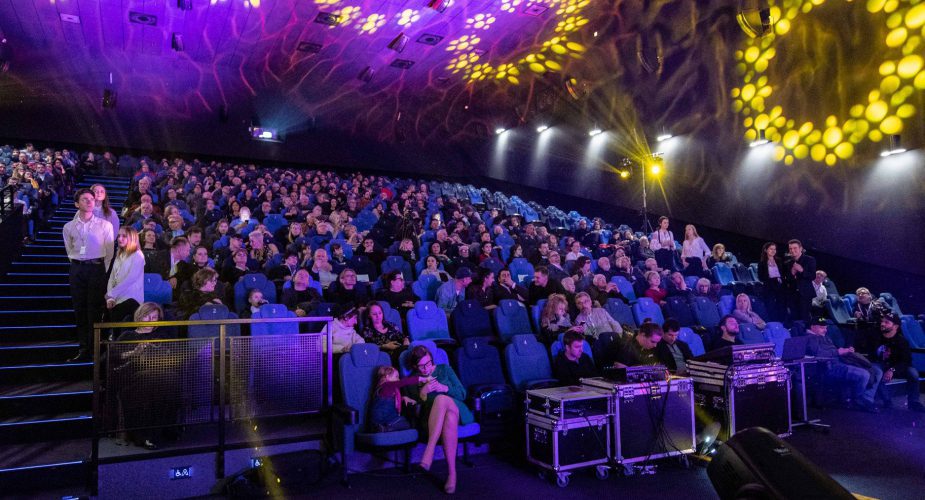
Even though streaming reigns supreme at home, Polish festival cinemas are bursting at the seams. The numbers from 2025 speak for themselves and somewhat dispel the myth of the “end of the big screen.” And with the 2026 calendar already filling up, it’s worth knowing what lies ahead.
Records 2025: audiences return to venues
Między Dwa Ognie Gdynia recorded 181,000 participants (for comparison, the previous year there were 165,000). Nowe Horyzonty in Wrocław summed up the edition with a total of 169,000 people, of which 124,000 actually attended screenings. This shows that people still want to watch films together, in a dark theater, and not just scroll through VOD on the couch.

Calendar 2026 and the evolution of standards
Key dates for next year (to mark in your calendar):
- Off Camera, 19th edition: 24.04-3.05.2026
- MDAG, 23rd edition: 8-17.05.2026
- WFF, 42nd edition: 9-18.10.2026
- Camerimage, 34th edition: 7-14.11.2026
FIAPF has refreshed the A-list structure, which has affected the position of WFF and the Krakow Film Festival (according to Screen Daily). Many events stick to the hybrid model (in-person plus online), as the pandemic has shown that flexibility pays off. VR has ceased to be just a gadget and has become a permanent part of the program.
Industry and program: what drives the upcoming editions
Support for Ukrainian cinematography has become a standard, not a one-time initiative. Polish Days and similar industry sections are gaining momentum, as networking and premieres drive the entire machinery of the film business. Festivals today are not just showcases, but places where a real market takes place.
What are “TOP” festivals really?
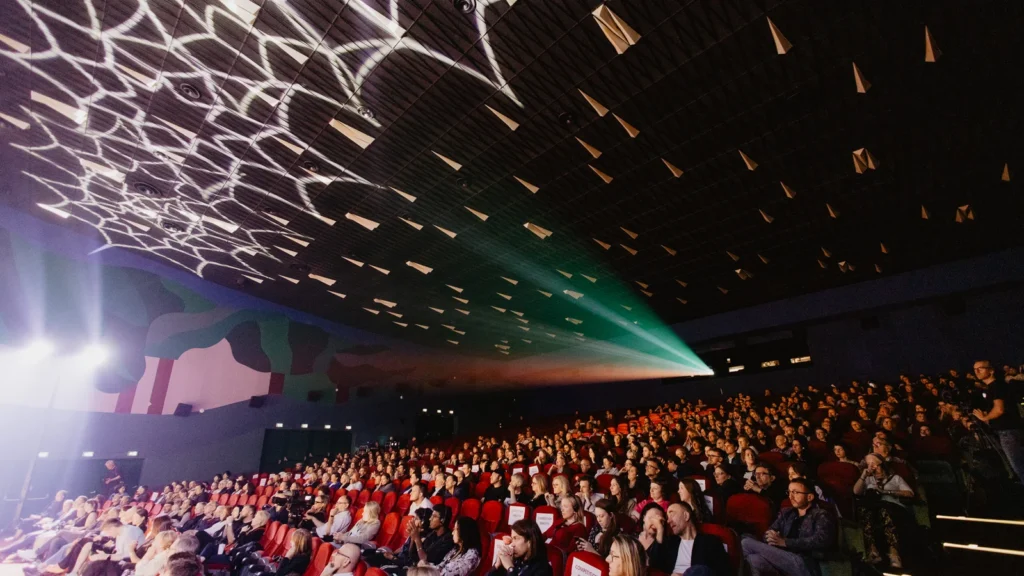
TOP festivals are more than just major events on the calendar. They are places where prestige meets real impact on filmmakers’ careers, where audience numbers confirm cultural significance, and trends cannot be ignored. We can talk about international status, competitions awarding debuts that later win Oscars, or regional festivals attracting tens of thousands of viewers each year.
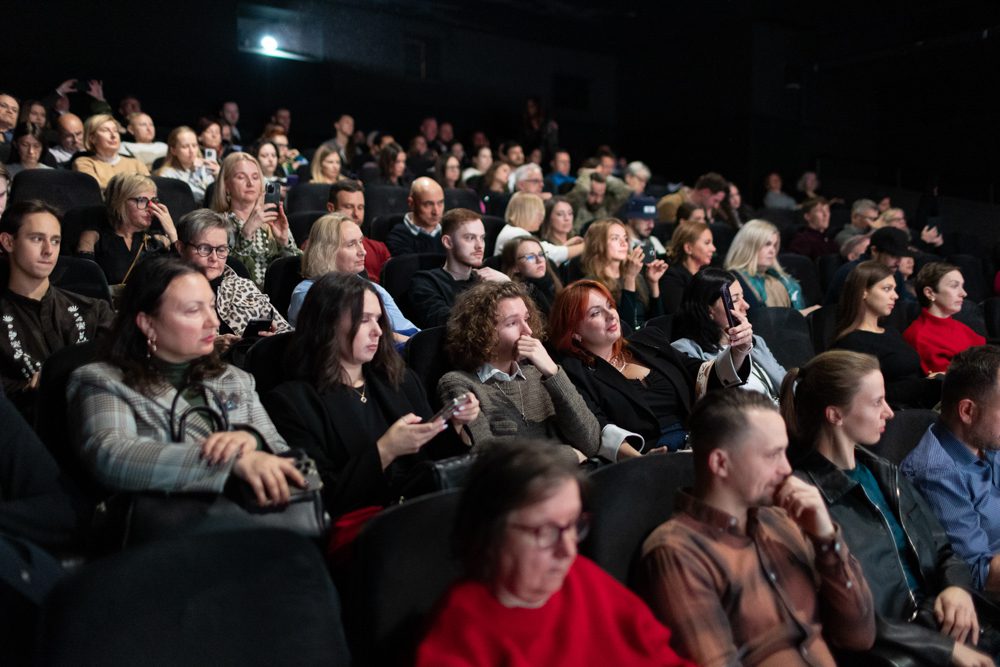
Each of these aspects matters, but only together do they create a picture of what makes a festival a true point of reference. It’s not about subjective impressions, but about measurable indicators: media reach, the production budgets of the films shown, attendance, the presence of international distributors. These elements determine whether the event remains niche or becomes a real player on the map of Polish cinema.
And that’s exactly why it’s worth taking a closer look at those festivals that consistently meet these criteria. Because they are the ones shaping what we’ll see in cinemas a year or two from now.
Suzi TT






Leave a Comment