

The National Art Center in Tokyo
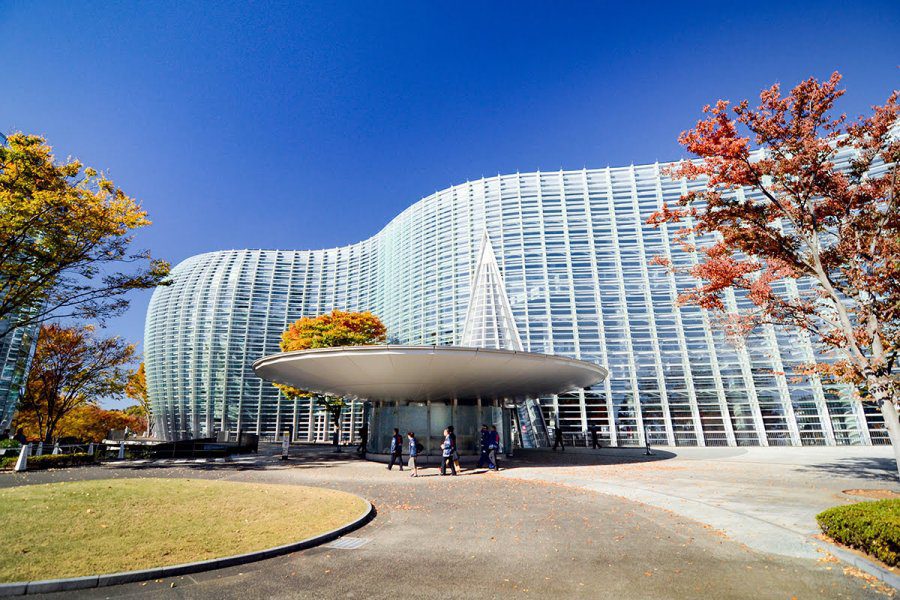
The National Art Center, Tokyo, also known as The National Art Center, Tokyo, is a captivating cultural venue in the heart of Japan. This museum stands out for its unique approach, focusing on artistic diversity and not maintaining a permanent collection. Embracing the concepts of change and multiculturalism, the museum reflects the vibrant character of Japan. Let’s take a closer look at this remarkable institution.
The National Art Center in Tokyo: history and architecture
The museum’s opening in 2007 marked a breakthrough moment in the art world. The building, designed by the renowned architect Kishō Kurokawa, is not only one of the most fascinating in Tokyo, but also stands as an example of modern innovation and creativity in the design of cultural spaces. Another interesting example of museums is the one from New York.
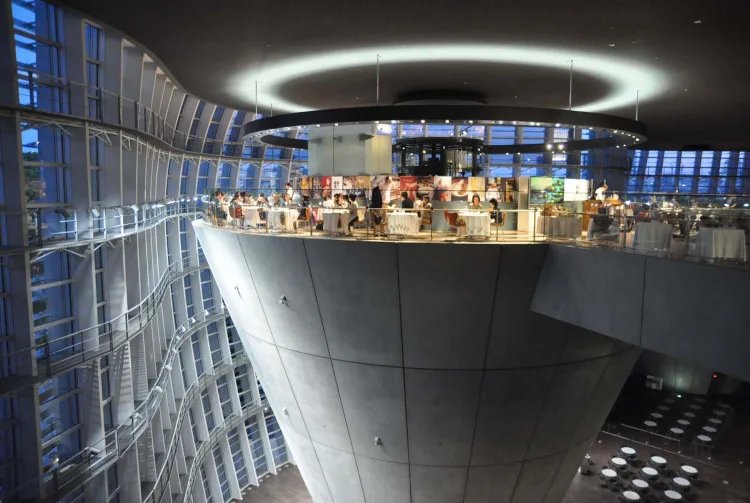
The building that now serves as the National Art Center in Tokyo previously housed a research institute of the University of Tokyo. It is known as “Hyakudan Kaikan,” which can be translated as “House of a Hundred Rooms.”
This is an architectural style defined by harmony, simplicity, and elegance, drawing inspiration from classical architectural models. The building features distinctive elements such as columns and spacious interiors, giving it a monumental appearance.
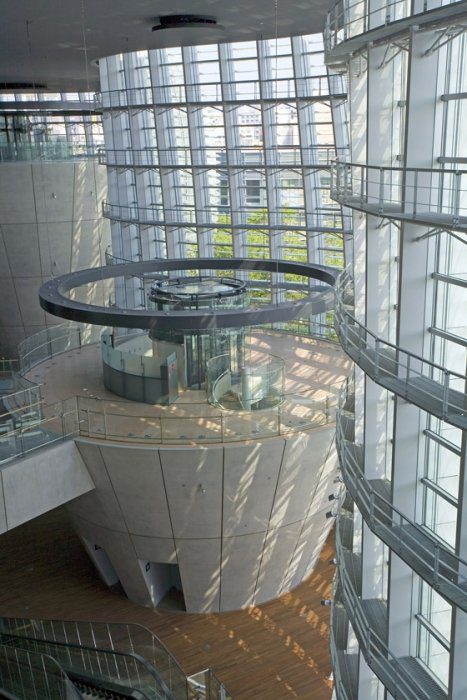
The uniqueness of the building lies in its austerity and simplicity of form, which was a common approach in neoclassical architecture. However, despite its simplicity, the building is elegant and can occasionally be used for hosting cultural events and exhibitions.
No own collection
The National Art Center in Tokyo does not have a permanent collection, which makes it unique. Instead, it focuses on organizing thematic exhibitions that showcase works by various artists and art movements. It’s a perfect opportunity to discover the diversity of artistic expression. In the past, the National Art Center in Tokyo has featured works by renowned artists such as Hokusai, Monet, and Picasso. This is a place that regularly offers fascinating exhibitions, presenting different periods and artistic styles.

The concept of having no permanent collection and rotating exhibitions highlights the museum’s commitment to exploring different facets of art and shaping new perspectives.
Art library
The museum has its own Art Library, which plays a key role in collecting and providing access to information about art. For researchers and art enthusiasts, it is an invaluable source of knowledge.
Educational programs
The National Art Center offers a rich educational program, including workshops, lectures, and other activities. These initiatives help visitors understand art and encourage a more mindful appreciation of it.
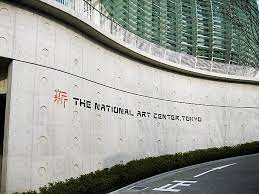
The museum plays a key role in showcasing both Japanese and international art. It is a place that inspires and encourages reflection on the diversity and richness of art.
The National Art Center in Tokyo is a gem in Japan’s cultural landscape. This venue blends captivating architecture with artistic diversity, serving as a vital source of inspiration for both locals and art enthusiasts from around the globe.






Leave a Comment