

The history of the BMW brand — A Munich story
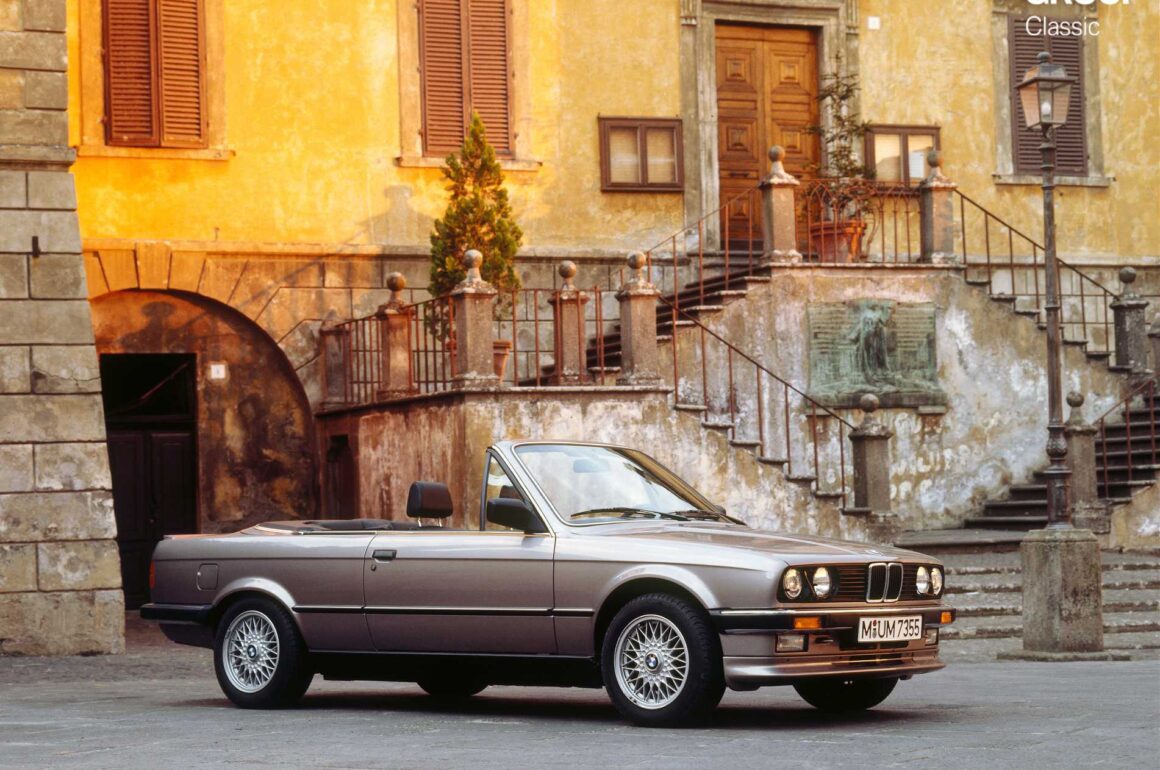
The history of the BMW brand is an epic journey through decades of engineering precision and automotive innovation. The story of the BMW brand — A Munich tale began in 1916 in Munich, where BMW set new standards in the automotive world by combining advanced technology with a passion for speed. It was here, in the heart of Bavaria, that a brand was born which quickly became synonymous with excellence, performance, and the unmatched joy of driving. From its first aircraft engines, through legendary models like the 328, to modern icons such as the M series and electric i models, BMW has always pushed the boundaries of what’s possible on the road. This Munich tale is not just the story of a company, but a celebration of the automotive spirit that inspires drivers around the world to reach for more — faster and better.
Table of Contents:
- The Story of BMW — A Munich Tale
- From aircraft engines to motorcycles (1916–1923)
- BMW’s Debut in the Automotive World (1928–1939)
- The difficult years of war and reconstruction (1939–1959)
- The birth of the modern BMW brand (1960–1980)
- The New Millennium — Innovation and Sustainability (2000–2020)
- BMW today — a leader in technology and driving excitement
- Four pillars of success — BMW, MINI, Rolls-Royce, and BMW Motorrad
The history of the BMW brand — A Munich story
Today, BMW is a global leader in the automotive segment, offering prestigious brands such as, MINI, Rolls-Royce, and BMW Motorrad. It meets the needs of the most demanding customers worldwide. However, the brand’s beginnings in 1916 were much more modest and full of challenges before the company transformed into a symbol of luxury and innovation. Discover the fascinating of BMW, which shows how the brand was born out of passion and became one of the most influential forces in the automotive world.
Beginnings — from aircraft engines to motorcycles (1916–1923)
BMW was founded on March 7, 1916, in Munich by Karl Rapp and Gustav Otto. Initially, the company operated under the name Rapp Motorenwerke, specializing in the production of aircraft engines. Soon, however, the enterprise was transformed into Bayerische Motoren Werke, symbolizing its regional roots and ambitions in the automotive industry. The company’s first major success was the six-cylinder BMW IIIa aircraft engine, renowned for its outstanding performance at high altitudes.
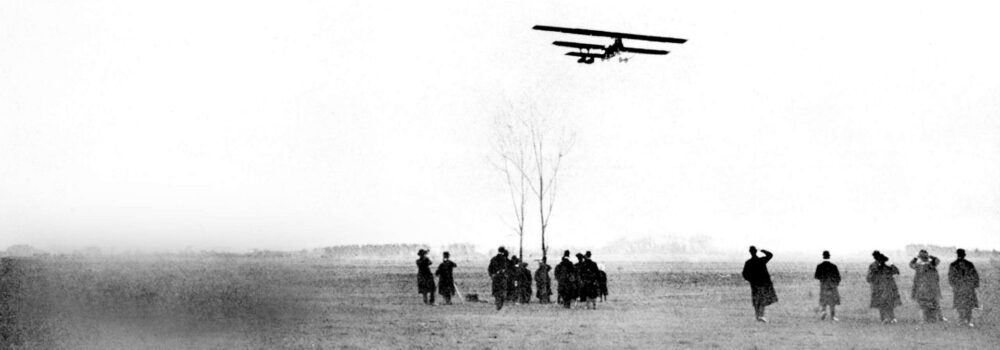
After the end of World War I, as a result of the provisions of the Treaty of Versailles, BMW was forced to cease the production of aircraft engines. The company had to adapt to the new reality, which led to the expansion of its operations to include motorcycle manufacturing.
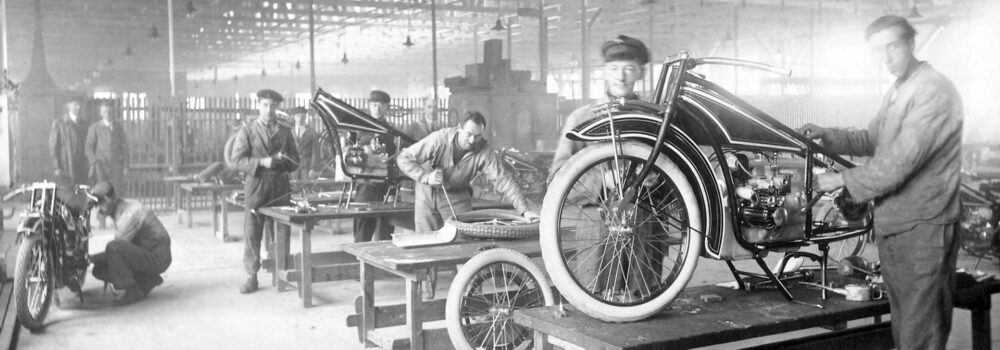
In 1923, BMW launched its first motorcycle. The R 32 stood out for its innovative boxer engine and shaft drive system. This model laid the foundation for the brand’s later successes in the motorcycle segment.
BMW’s Debut in the Automotive World (1928–1939)
The years 1928–1939 mark the period when BMW made its grand entrance onto the automotive stage, taking its first steps into the world of cars and laying the groundwork for future successes. The company, which began by manufacturing aircraft engines, decided to venture into a new industry. It all started with the acquisition of the factory in Eisenach in 1928, where small but popular Dixi cars were produced. This is how the first BMW car was born – the Dixi 3/15 PS model, a licensed version of the British Austin 7.
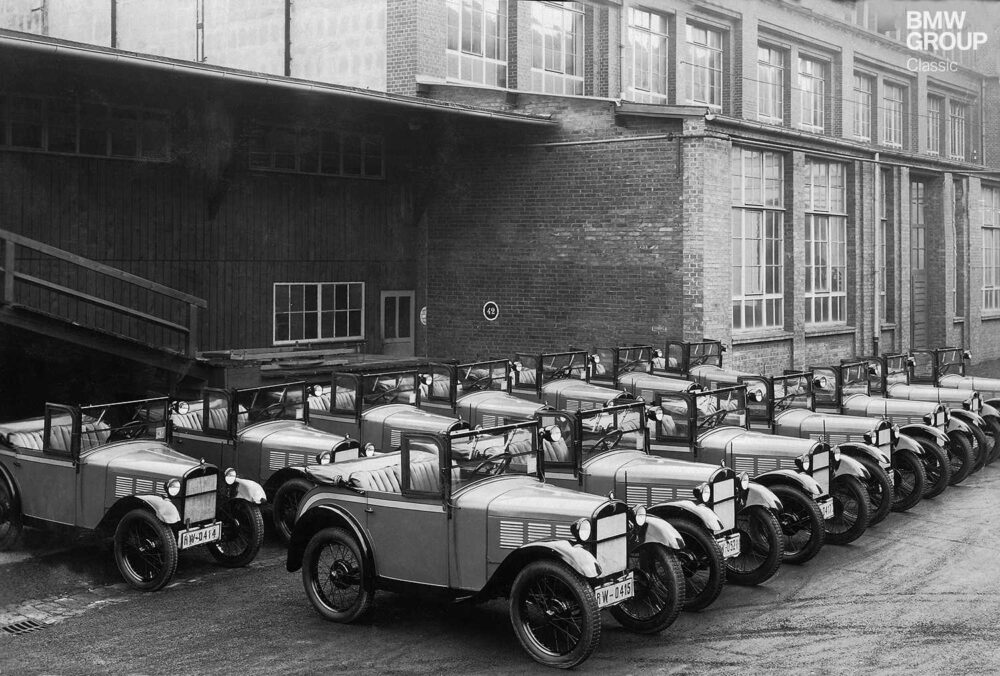
The BMW Dixi played a pivotal role in the brand’s history, being the first car to introduce BMW to the automotive market. The Dixi 3/15 PS model was a compact, economical vehicle that quickly gained popularity among German drivers. The car was equipped with a four-cylinder engine with a displacement of 748 cm³, generating 15 horsepower. This allowed it to reach a top speed of around 75 km/h. While such performance may seem modest today, at the time Dixi offered an exceptionally good value for money, which attracted many customers, especially during a period of economic uncertainty.
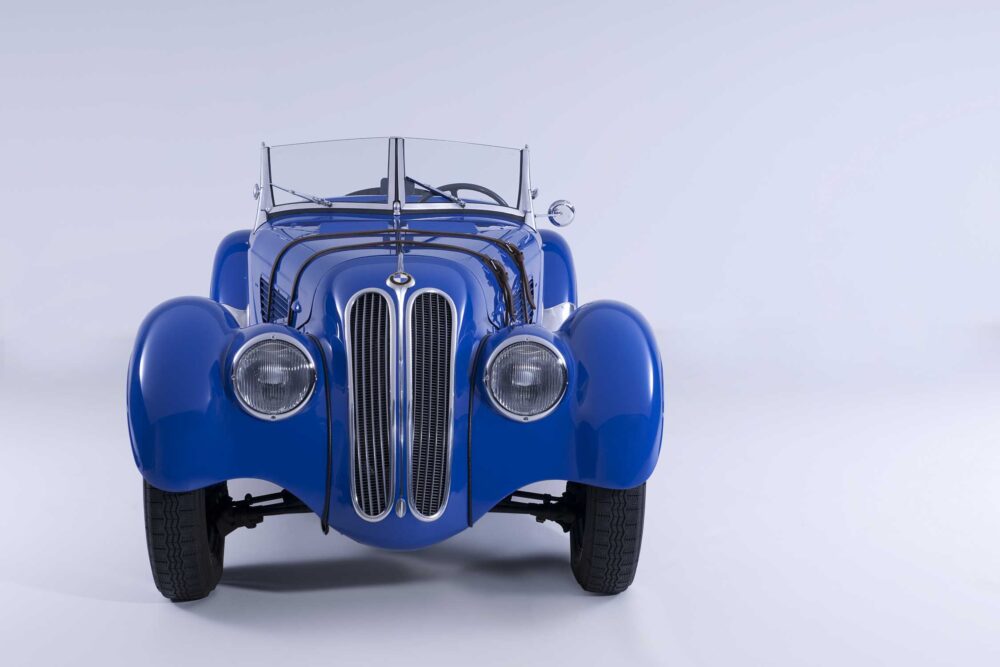
The 1930s marked a period of dynamic growth for BMW in the passenger car segment. During this time, models were created that became permanently embedded in the history of automotive engineering. The BMW 328—a sporty roadster—earned a reputation as one of the most beautiful designs of its era and achieved numerous racing successes. This model became a symbol of engineering precision and sporting spirit, qualities that continue to define the BMW brand to this day.
Difficult times of war and reconstruction (1939–1959)
After the difficult post-war years, BMW returned to manufacturing aircraft engines for the German army. The company was on the brink of collapse, forced to rebuild its capabilities. The post-war period was especially challenging—Allied bombings and the dismantling of factories caused enormous losses, and the plants in Eisenach came under Soviet control.
The Birth of the Modern BMW Brand (1960–1980)
Faced with difficulties, BMW decided to focus on producing smaller, more affordable cars, which proved to be a breakthrough. In 1961, the 1500 model was introduced, launching the “Neue Klasse” series of compact sedans. These dynamic, innovative cars set a new direction for the brand, transforming BMW into a manufacturer of modern, sporty, and elegant vehicles.
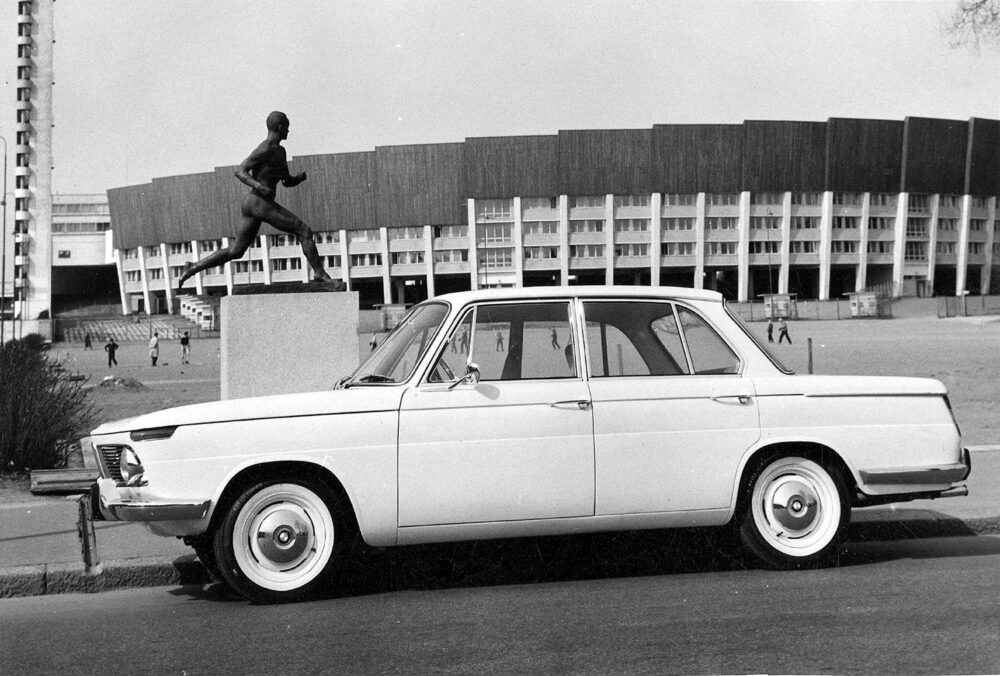
The 1970s marked a period of expansion and consolidation of BMW’s global position. The newly opened research and development center in Munich in 1972 became a hub of innovation, where the legendary 3, 5, and 7 Series models were created.
The 1980s and 1990s — The History of BMW — A Munich Story
The 1980s and 1990s marked a period of rapid growth and the introduction of models that would permanently define the brand’s identity. In 1985, BMW unveiled the first M3, which became an icon among sports cars by combining racing performance with everyday practicality. The M series quickly became synonymous with top-tier engineering and pure adrenaline on the road.
BMW has successfully entered foreign markets, opening new production facilities in the United States and South Africa. The company also began to invest heavily in research on new technologies, which resulted in the introduction of advanced safety and comfort systems.
The New Millennium — Innovation and Sustainability (2000–2020)
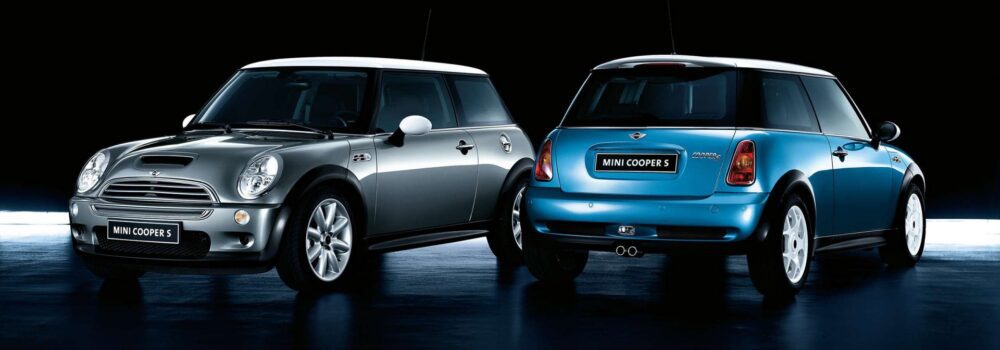
Entering the new millennium brought BMW both new challenges and opportunities. The company focused on developing technologies related to ecology and sustainability. In 2001, BMW launched the Mini, reviving the legendary British brand under its wing, which also turned out to be a huge success.
Additionally, a key milestone was the launch of the BMW “i” series in 2013 – a line of electric and hybrid cars, including the revolutionary i3 and the sporty i8. BMW became one of the leaders in the electric vehicle market, combining sustainability with the brand’s signature driving dynamics.
BMW today The history of the BMW brand — A Munich story
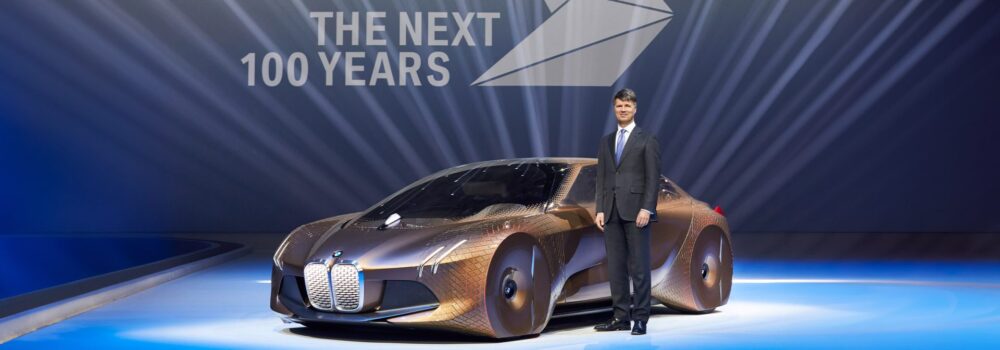
Today, BMW is a global brand that constantly strives to set new standards in the automotive industry. The company continues to expand its range of electric and autonomous vehicles, while also introducing innovations to its traditional combustion engine models.
Headquartered in Munich, BMW remains true to its Bavarian roots, standing as a symbol of German quality, precision, and unmistakable character. This is the story of a brand that continually pushes boundaries and inspires generations of drivers around the globe. BMW doesn’t just build cars—it creates emotions that accompany every journey.
Four pillars of success — BMW, MINI, Rolls-Royce, and BMW Motorrad
Today, BMW Group is much more than just BMW. The brand continues to grow and gain prestige thanks to four key brands: BMW, MINI, Rolls-Royce, and BMW Motorrad. Each of them makes a unique contribution to the premium offering, which includes passenger cars, motorcycles, and mobility services.

Leave a Comment