

The history of porcelain – China’s white gold
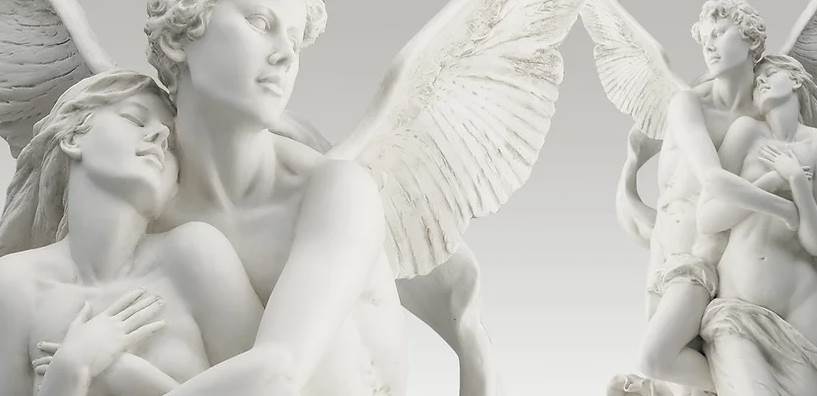
If anyone thinks that is boring, they’re deeply mistaken! Just consider that for centuries, Europeans puzzled over how to create the material known as “white gold.” This delicate ceramic even kept alchemists awake at night—those same alchemists who claimed they could turn base metals into gold. One of them eventually succeeded, but generations had already passed since the first porcelain arrived in Europe from China. It is China, after all, that is considered the birthplace of porcelain.
If you own porcelain dishes or ornaments, you can see for yourself—and touch will only confirm it—that Chinese ceramics, compared to those native to Europe, are truly “worlds apart.” After all, porcelain is simply a type of ceramic, which we usually associate with rough, hard, and heavy vessels made from orange clay. But porcelain is neither heavy nor rough. On the contrary, it’s light, delicate, and smooth. In some cases, you could even say it’s semi-translucent when you hold it up to the light!
Thousands of years in pursuit of perfection. The origins of porcelain history
It is not known exactly when the Chinese began producing porcelain, using this material not only for vessels but also for numerous works of art. It is estimated that the first smooth ceramics—called “primitive porcelain”—. However, this early porcelain had little in common with the type that later became widespread. It was more similar to a basic material suitable for making watertight vessels. The real porcelain boom began during the Han dynasty, when the first kilns were built—between 25 and 220 CE.
The earliest such wares were known as celadon. Today, porcelain and celadon are recognized as separate types of ceramics. However, it’s worth noting that in Chinese, there is only one word that refers to both of these variants of Chinese ceramics (ci 瓷). Celadon is a type of early porcelain with a distinctive greenish hue. Hundreds of years of Chinese state evolution and successive dynasties further diversified the porcelain and celadon industries. Later, new variations of Chinese ceramics emerged.
The history of porcelain – the earliest processing techniques
The most famous and still widely used type of porcelain originated during the Yuan dynasty, at the turn of the 13th and 14th centuries. This true, hard porcelain was made from petuntse, also known as porcelain stone (a feldspar rock) ground into powder and mixed with kaolin (white porcelain clay). Each ingredient served its own purpose.
During firing at 1450 degrees Celsius, pentuse would vitrify, giving porcelain its distinctive visual appeal, while kaolin helped the piece retain its shape. Europeans—trying to find a “recipe” for producing this type of porcelain—ended up inventing a different kind. This was soft-paste, made from a mixture of clay and crushed glass. It is also known as artificial porcelain.
The Travels of Marco Polo and Alchemy: How Europeans Tried to Imitate Chinese Porcelain
Some claim that the first person to bring porcelain to Europe was the famous Venetian merchant and traveler Marco Polo. This is, of course, only half true—he did bring it, but certainly not as the first. It’s unclear exactly when Chinese ceramics reached Europe. First, they had to become widespread in Central Asian countries so that Arab merchants could sell them to Europeans. It was most likely these merchants who first brought objects made from this precious material to Europe. It’s worth adding a small digression here.
The name celadon probably comes, the first sultan of Egypt, who lived in the 11th century. He was famous for his great passion for Chinese ceramics – later called celadon – with its greenish hue… That celadon shade. And the name of this color also hints at something. Traces of celadon have also been discovered in Spain, which during Saladin’s time was still partly ruled by Muslims. In the Aljaferia fortress (Zaragoza, Spain), a fragment of an 11th-century ceramic bowl made of celadon was found.
In that case, Marco Polo couldn’t have been the first. However, the fact remains that in the 14th century he returned from China, bringing back various goods. Among them were different vials and containers filled with Chinese spices and herbs. One of these was a beautiful, small, gray-green jar. That’s when the term porcelain was born. Marco Polo called this unique, delicate vessel. This word comes from Old Italian,, which was the name for sea snails whose shells, according to Polo, resembled the color of his jar. Other names for this mollusk include kauri, or in Polish… porcelanki.
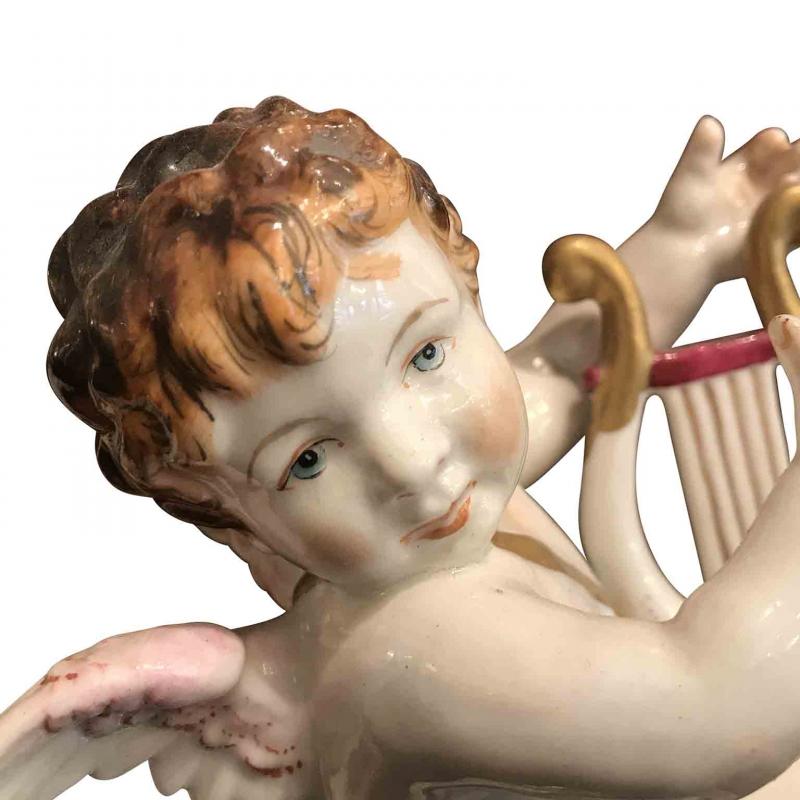
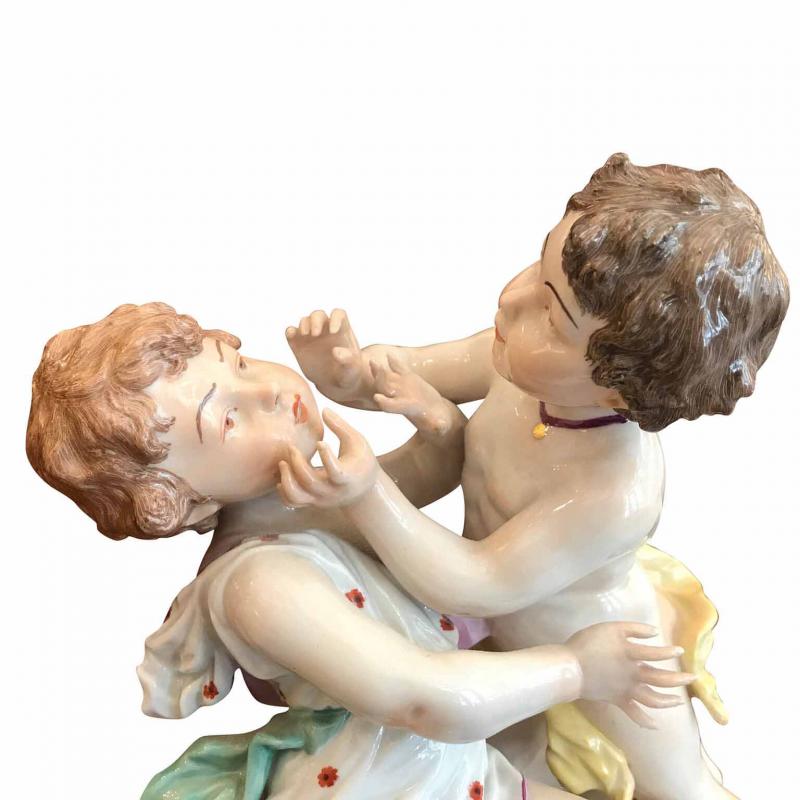
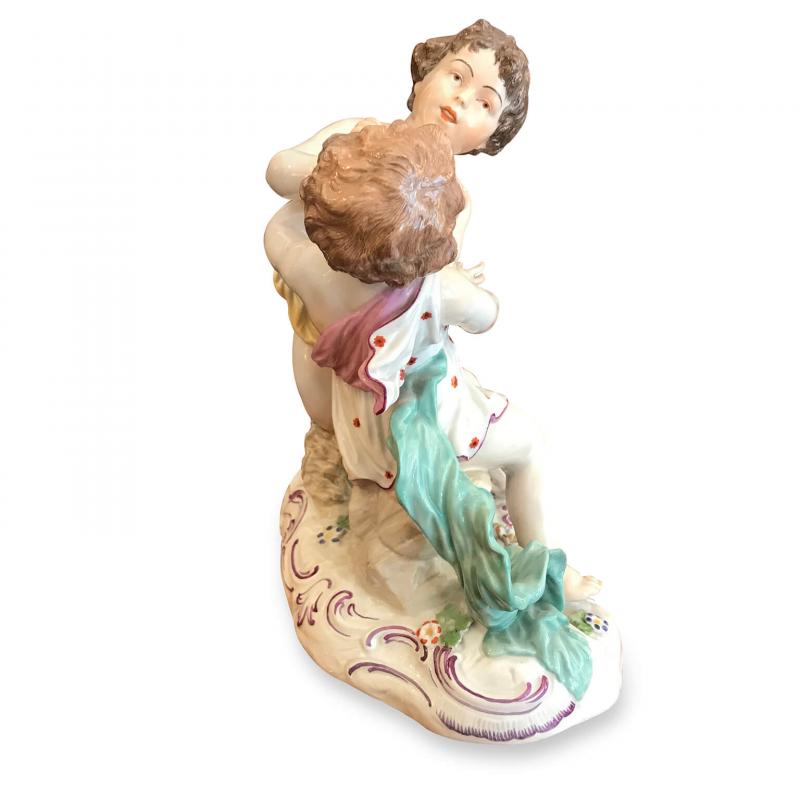
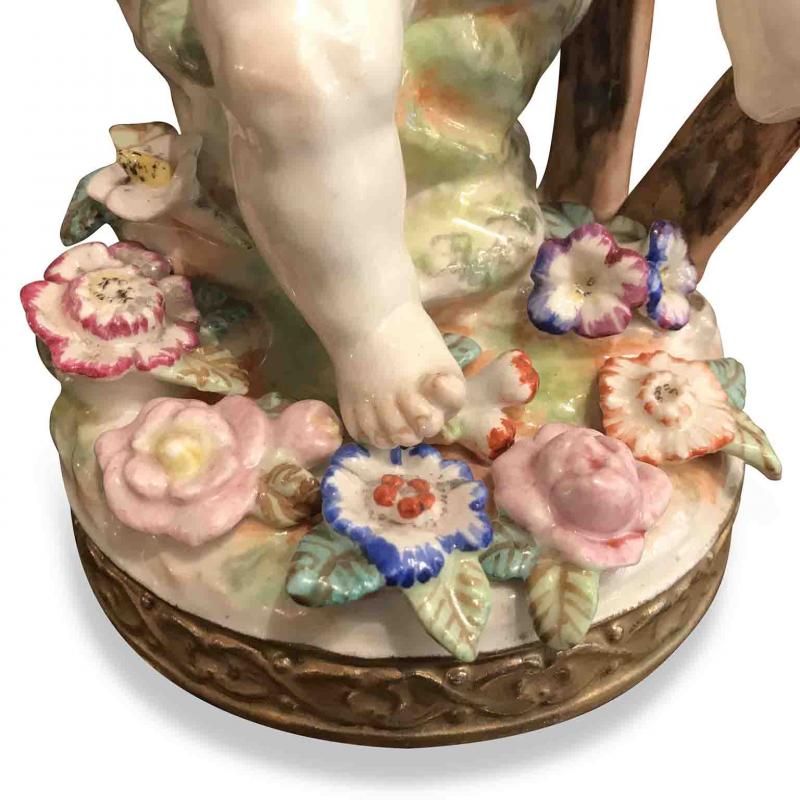
An elephant (in a china shop?) and the Polish question. Augustus II the Strong as the owner of the first porcelain manufactory in Europe
After that, things got much easier. Porcelain and celadon flowed into Europe along the Silk Road and later via Dutch sea routes. By then, Europeans had become thoroughly familiar with this refined Chinese ceramic and were racking their brains over how to produce vessels from the same material in Europe. Unlike today, manufacturing in Europe back then would have been much cheaper than importing goods from China. It took HUNDREDS of years before Europeans figured out how to imitate Chinese ceramics. No wonder, considering even Marco Polo wrote complete nonsense about how it was made!
“Vessels are made from fragile earth or clay, which is dug up as if from a mine and piled into huge mounds, then left for thirty or forty years exposed to wind, rain, and sun. During this time, the earth becomes so refined that the vessels made from it have an azure hue and a very brilliant sheen,” Polo wrote in his journal.
And what is the history of porcelain in Europe?
Johann Friedrich Böttger—a German from Saxony—is credited as the creator of European porcelain. Böttger was an alchemist—yes, he too believed he could turn lead into gold. Porcelain, however, proved to be a far greater challenge. Eventually, he succeeded. On January 15, 1708, the first European porcelain formula was created. It was a momentous event, worthy of informing the king himself! Interestingly enough… the Polish king—Augustus II the Strong.
A year later, the first porcelain manufactory in Europe was established, precisely at Albrechtsburg Castle in Meissen (Saxony), founded by Since the King of Poland came from the Saxon dynasty, Saxony was also under his rule. Thus, the ruler of the Polish–Lithuanian Commonwealth became the owner of the first and only porcelain factory in Europe at that time! In the following years, manufactories were also established in Austria and England.
Interestingly, some sources claim that Augustus II the Strong imprisoned Böttger, who, as an alchemist, was supposed to “crack the porcelain code” for the ruler to satisfy his porcelain obsession.
“Don’t you know it’s the same with oranges as it is with porcelain—that once someone develops a taste for one or the other, they can never get enough and always want more?” the King of Poland is said to have written in one of his letters.
Porcelain worth more than gold? The most famous porcelain ornaments and tableware
One such porcelain gem—an —was discovered in a house near London. For a long time, it stood there unnoticed, treated as an ordinary vase. In reality, it may have been looted by the British from the Summer Palace in Beijing during the Opium Wars in 1860. The beautifully painted vase was auctioned off and returned to China. In 2010, a Chinese buyer purchased it for $83 million—fifty times its starting price!
Different continents – different histories of porcelain
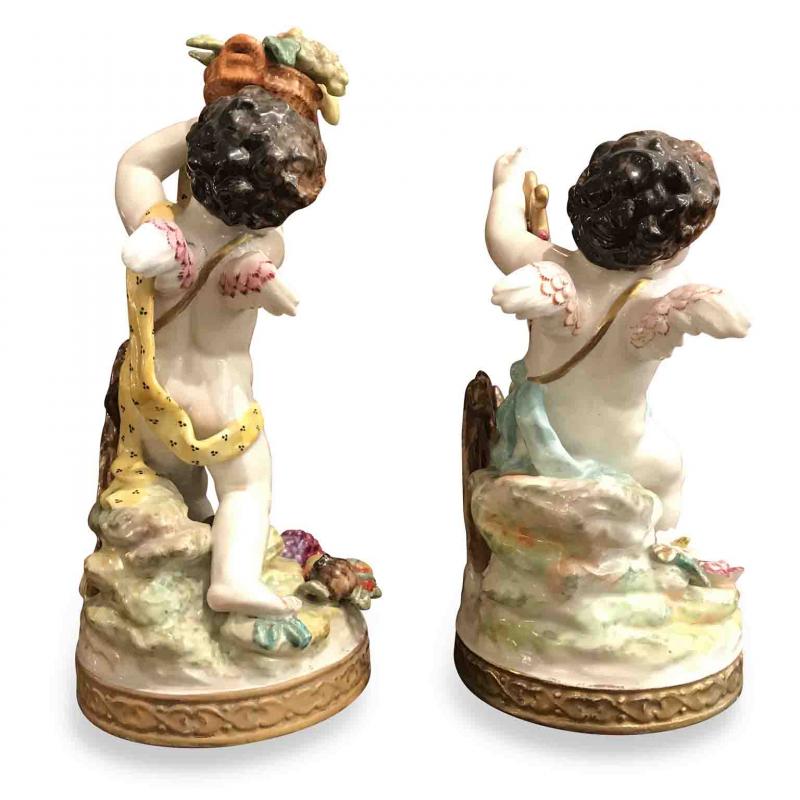
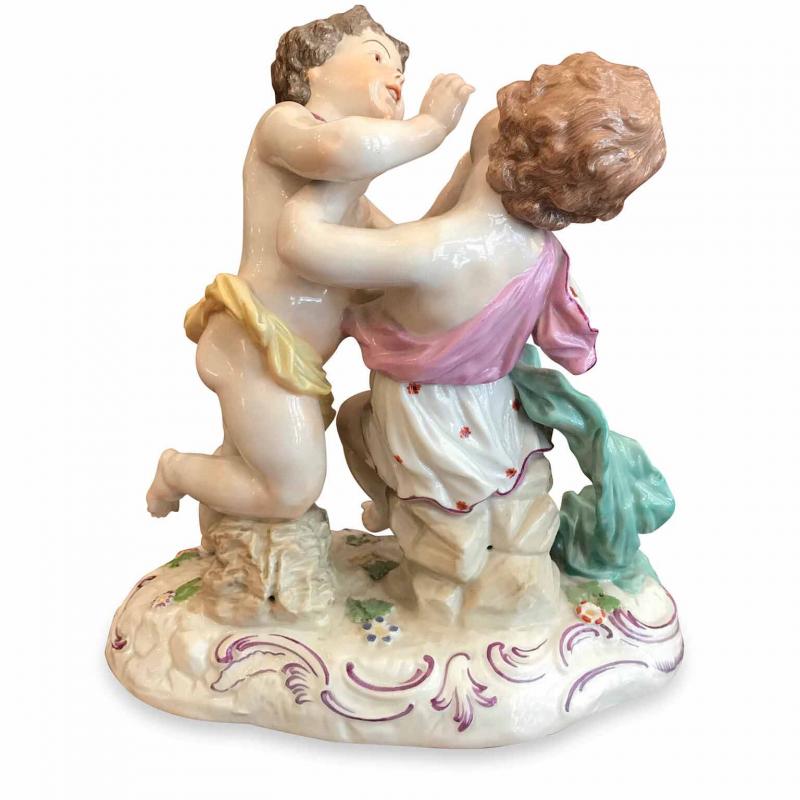
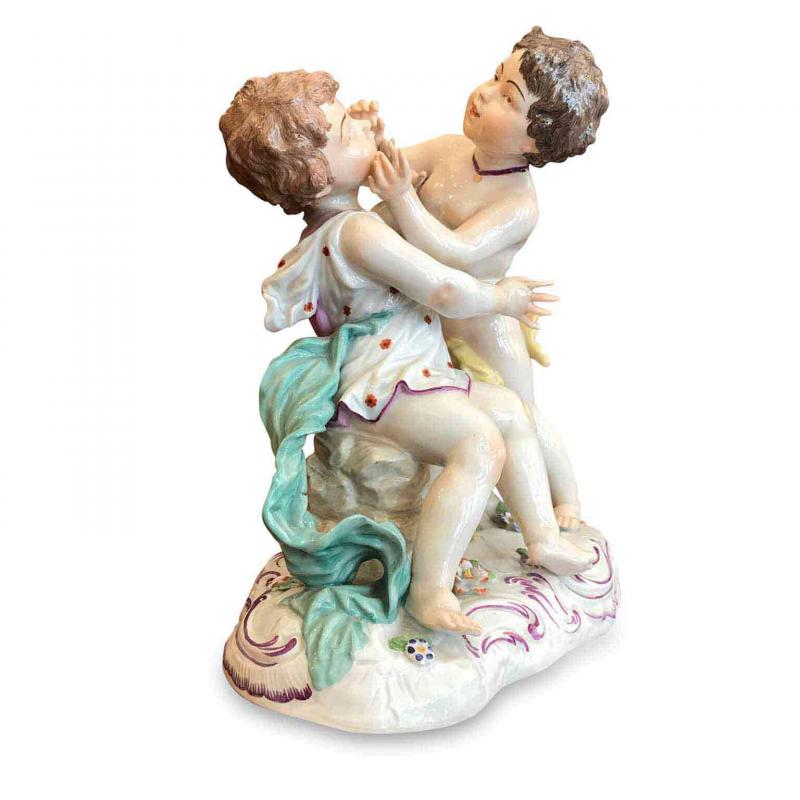
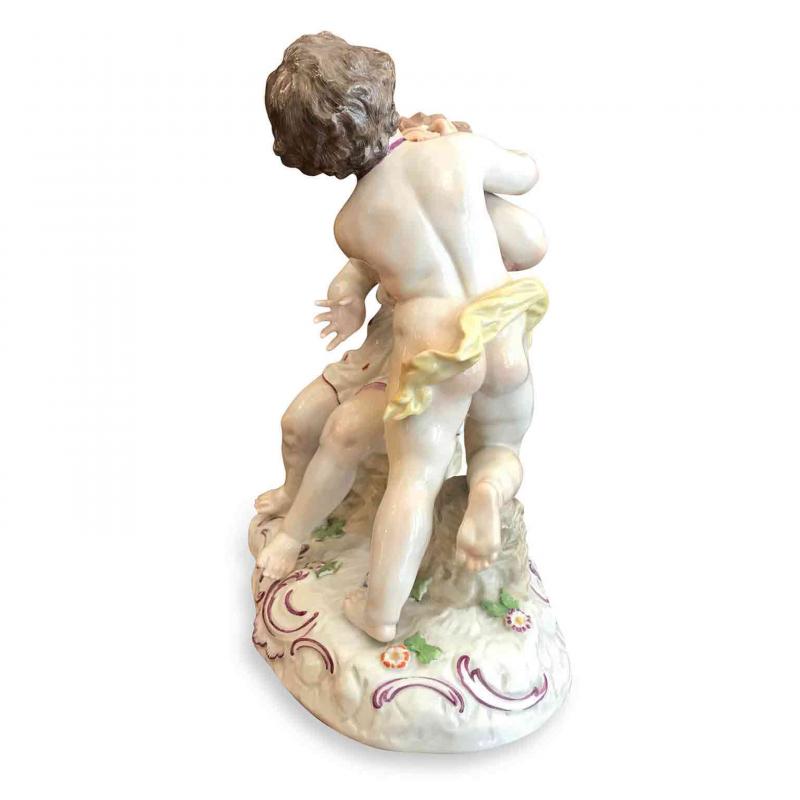
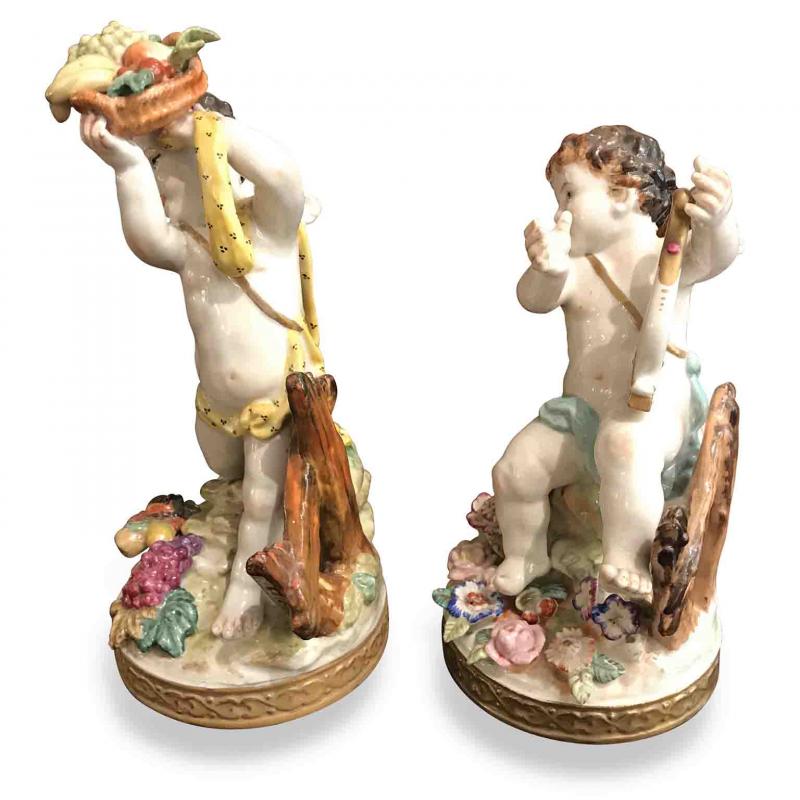
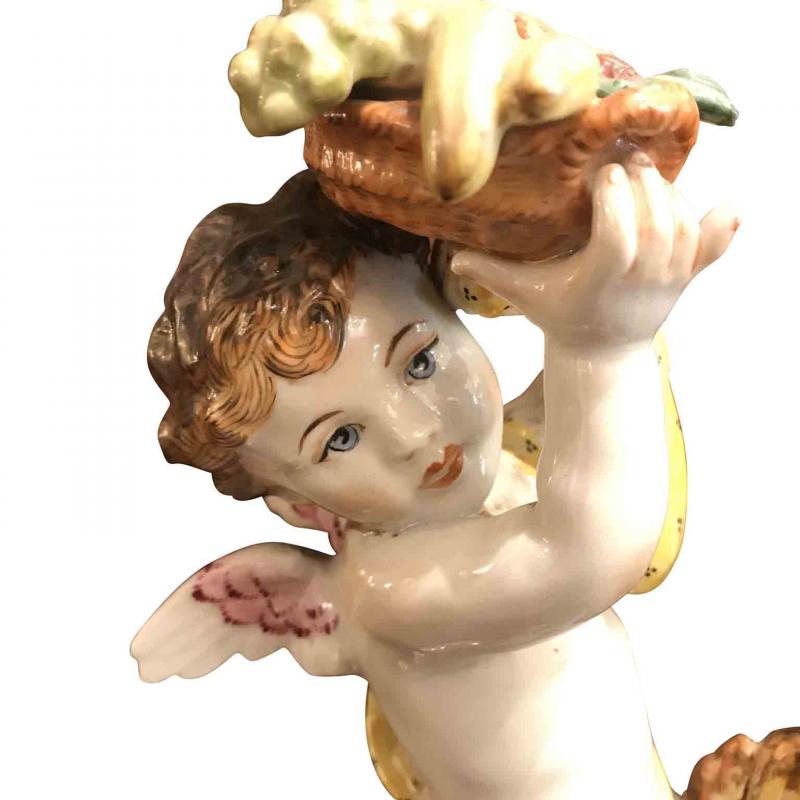
Chinese porcelain ornaments have always been and will remain the most valuable, but European porcelain also stands out in this regard, even though it is essentially an “imitation” of the Chinese original. As it turns out, Johann developed such an excellent formula that Meissen (or Dresden) porcelain became one of the most sought-after, right alongside the original Chinese pieces. It is Meissen porcelain that should immediately come to mind when we see porcelain figurines.
Early works from the Meissen manufactory have fetched thousands of dollars. Some have been auctioned for as much as $200,000. However, the most famous pieces are by Johann Jakob Kirchner and Johann Joachim Kändler. Kirchner’s 1732 creation depicting a bird – – was sold at auction in 2015 for $1,071,209, despite signs of restoration and repair.
Other famous porcelain items include, among others, Sevres figurines and Capodimonte porcelain—the latter from a manufactory founded in Italy by Maria Amalia of Saxony, granddaughter of Augustus the Strong and Queen of Spain.



Leave a Comment