

The culture of using business card holders
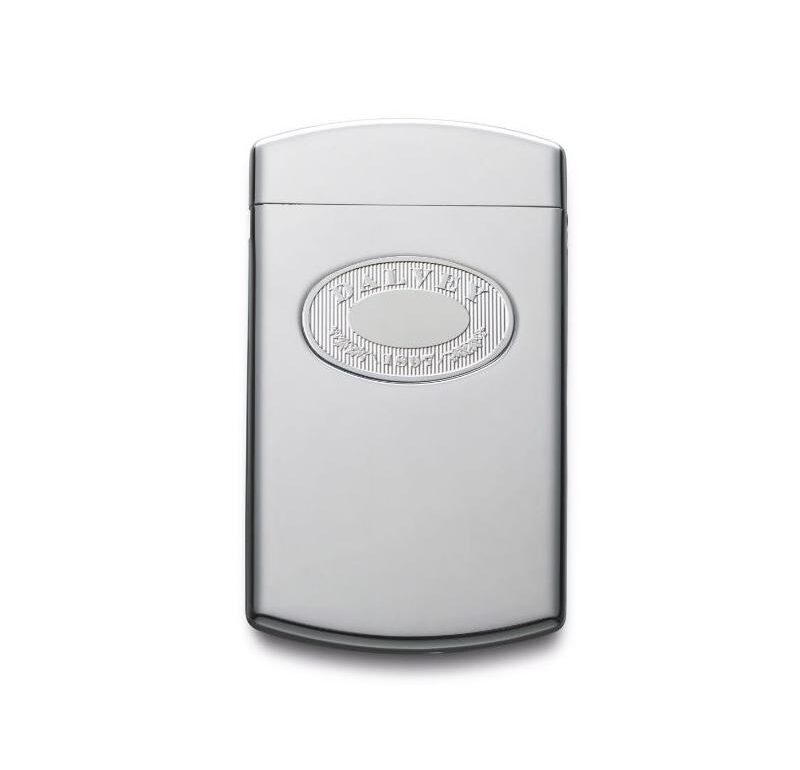
Business etiquette is pure savoir-vivre in relationships between people sharing common interests. The culture of using business cards dates back to the 15th century, when the first handmade cards appeared. In Europe, business cards became popular in modern times, in France during the reign of Louis XIV, where they were an attribute of the aristocracy.
The use of business cards and card holders is part of business culture, a broad concept relating to human behavior in professional situations. Today, it serves as an element of business promotion. It encompasses the rules and proper conduct in social life and the application of these principles in the wider context of professional life.
Business card exchange etiquette
The art of exchanging business cards lies in understanding both cultural differences and the customs of the market where we want to promote our business. Familiarity with these aspects will certainly make it easier to navigate the international business environment. Keeping them in mind allows us to tailor our communication style, which may vary depending on whom we are speaking with. Using business card holders is an elegant tool for building your brand and plays a key role in making a strong first impression when presenting your business card.
Business etiquette outlines three situations when you should present your business card:
-at the beginning of the meeting,
-during the meeting,
-at the end of the meeting.
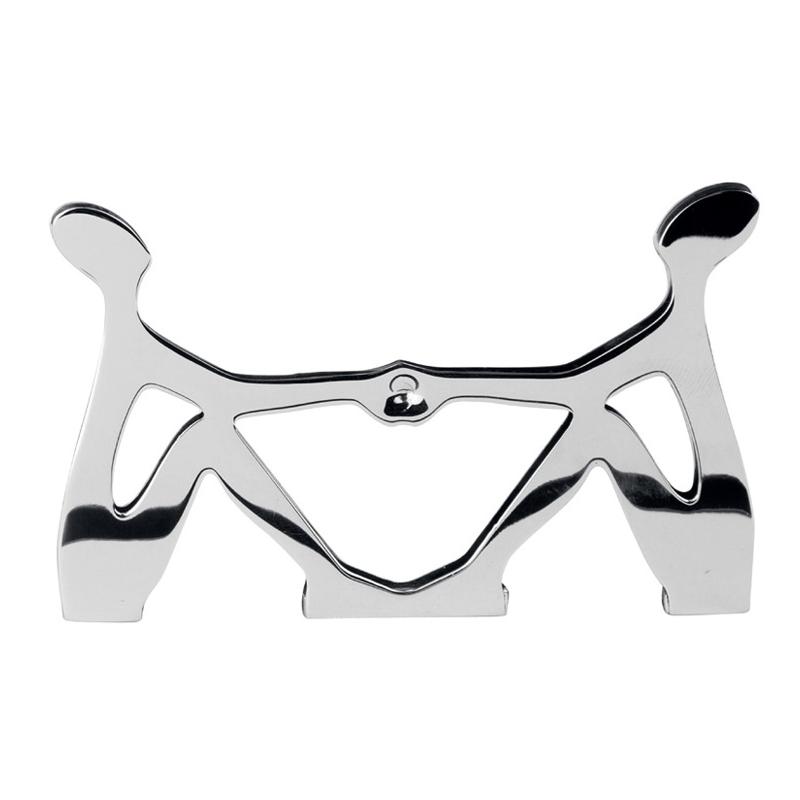
What to pay attention to when exchanging business cards:
- We hand over the business card in a clear way so that the recipient can read it correctly.
- We do not ask for additional information that is not on the business card; if any details are missing and the person handing it over does not offer to provide them, it is not considered polite to request them.
- We do not hand out business cards to a higher-ranking person; instead, we wait for them to take the initiative according to precedence.
- We refrain from making comments, even if we feel we have received an exceptionally unattractive business card.
- Discretion is important when exchanging business cards, as this is not an act that calls for ostentatious gestures, but rather for gratitude and attention. We show respect to the person handing us their card by briefly looking at it and then placing it in a card holder.
- In some cultures, handing out business cards is a ritual. In Asia, special importance is attached to exchanging elegant cards. In their culture, it is essential to present and receive a business card with both hands, often accompanied by a bow.
- If you receive a simple, classic business card without extensive information or advertising slogans, a good way to remember it before placing it in your cardholder is to make handwritten notes on it about the person and the institution they represent.
- We don’t show off or exchange business cards while eating at the table; if the meeting includes refreshments, the aperitif is a good time for that.
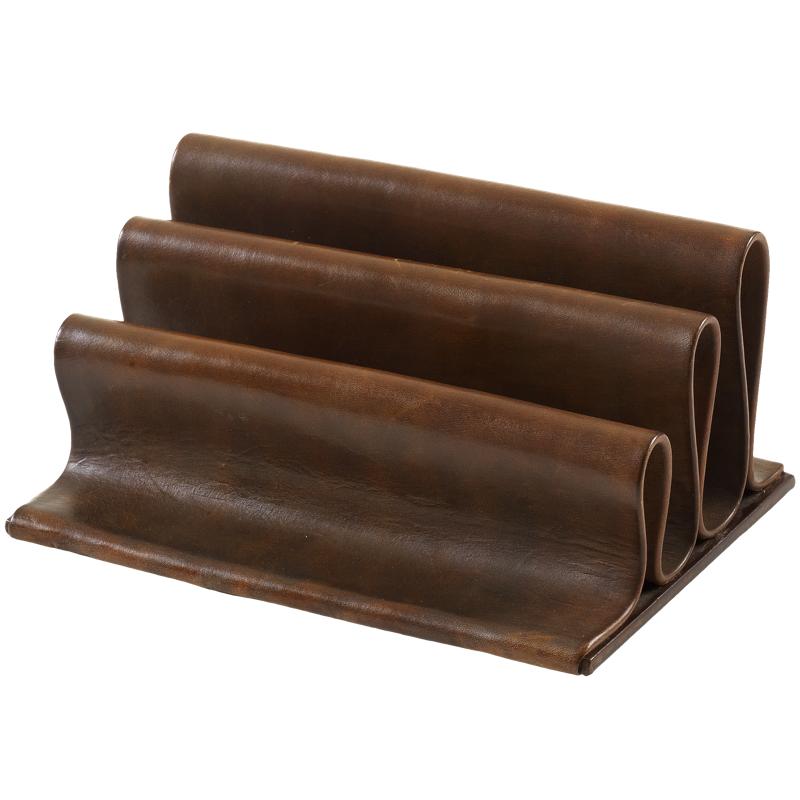
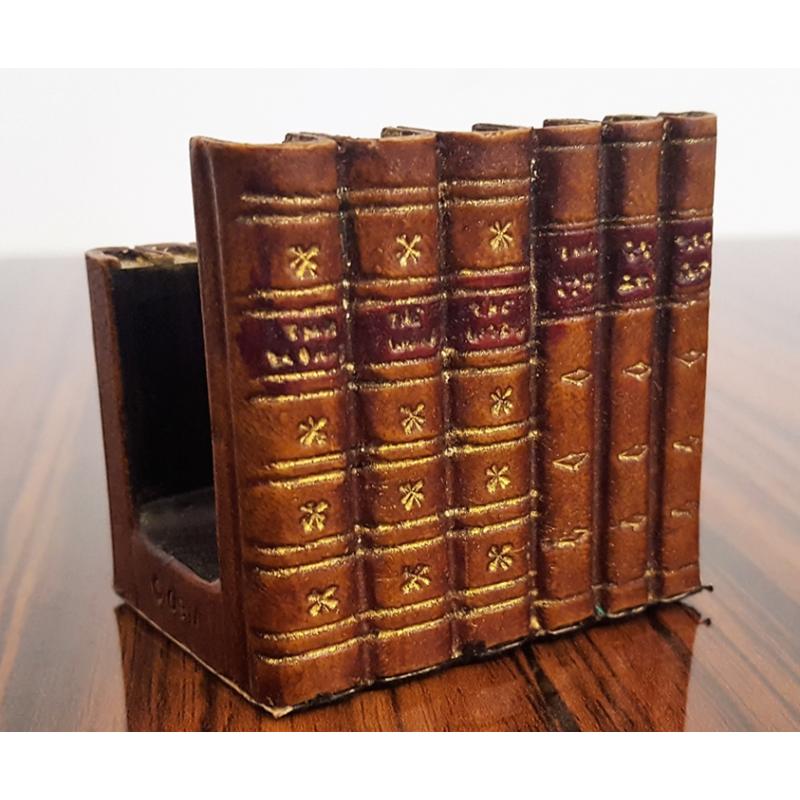
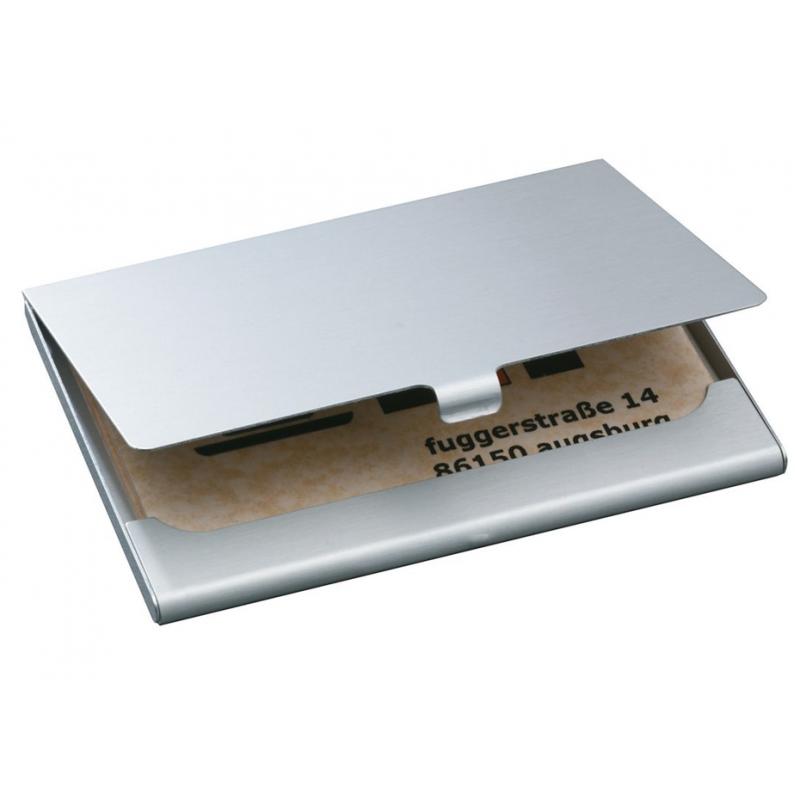
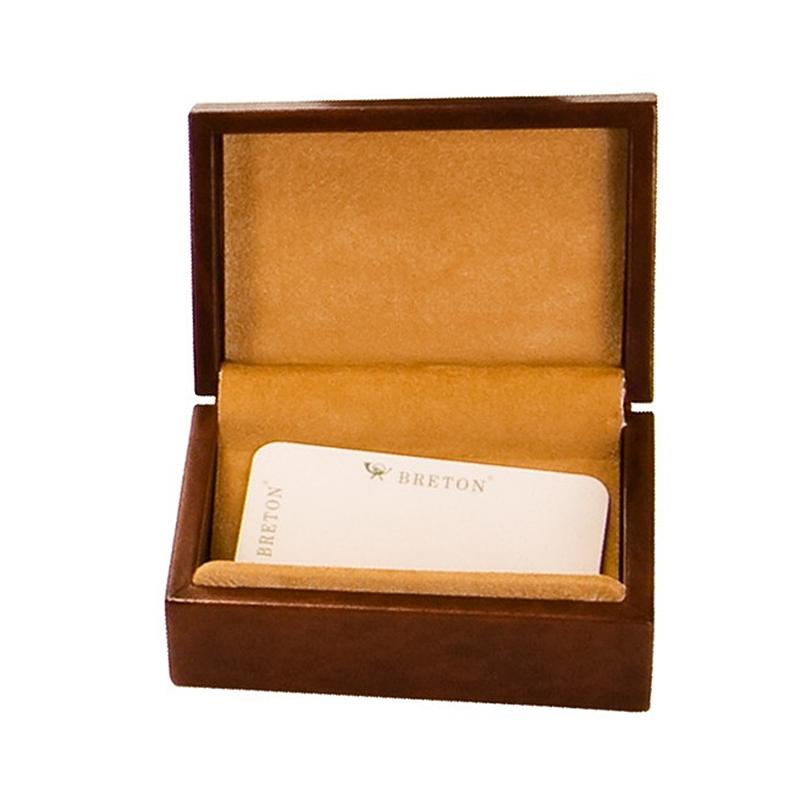
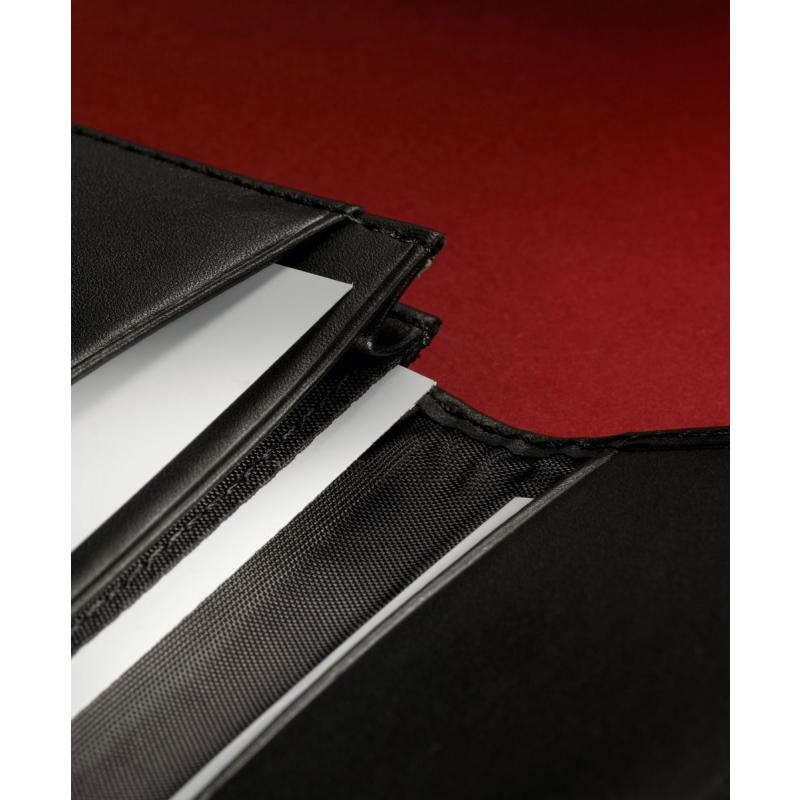
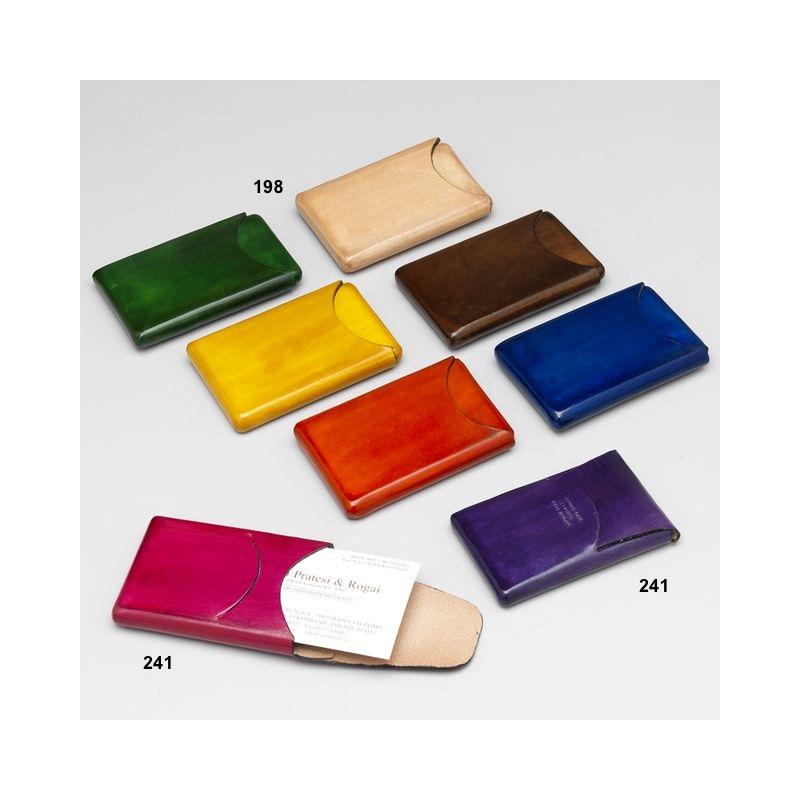
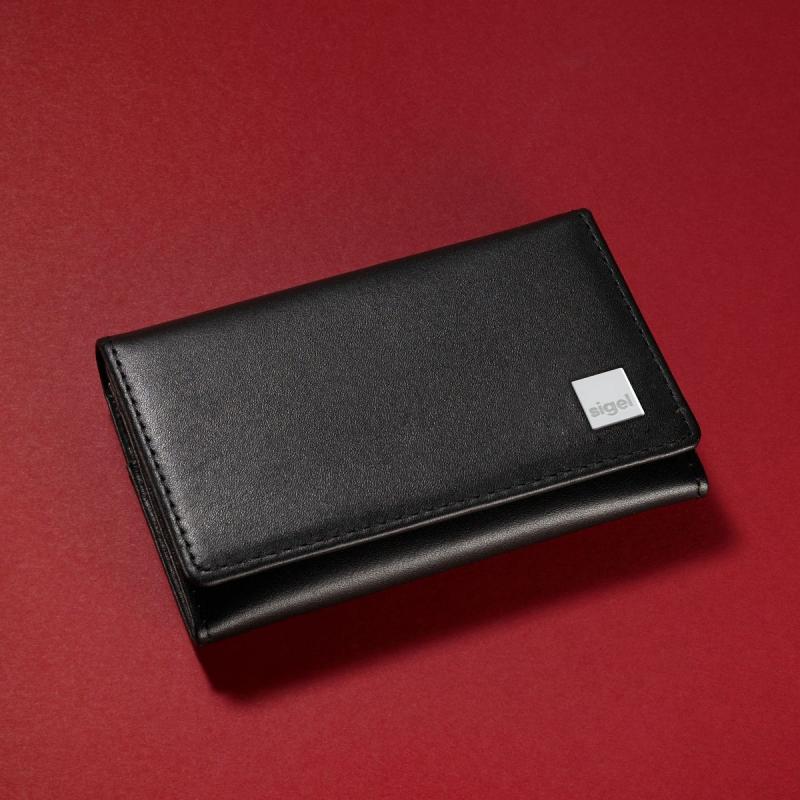
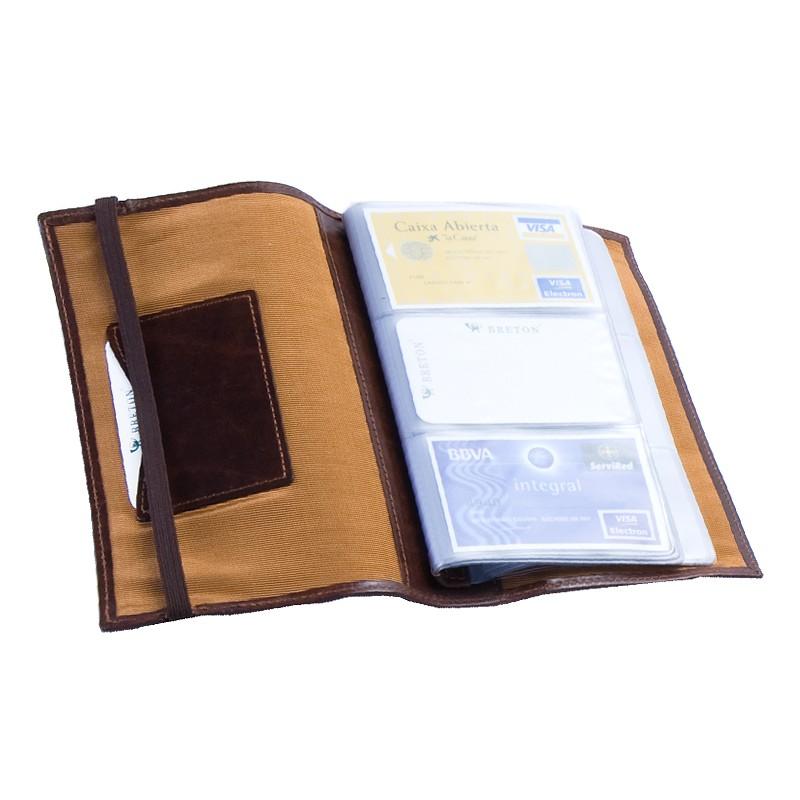
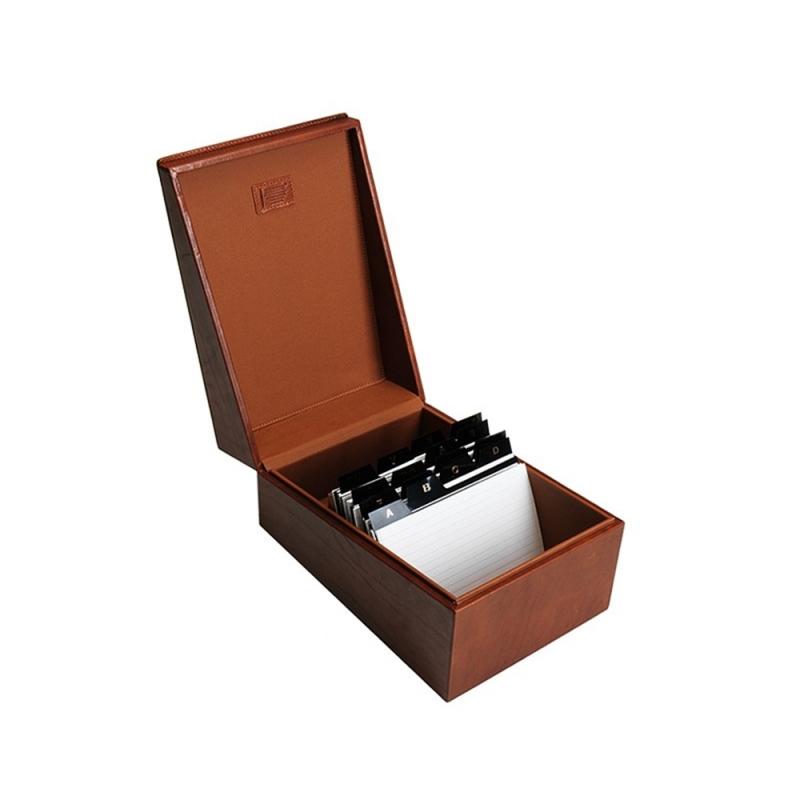
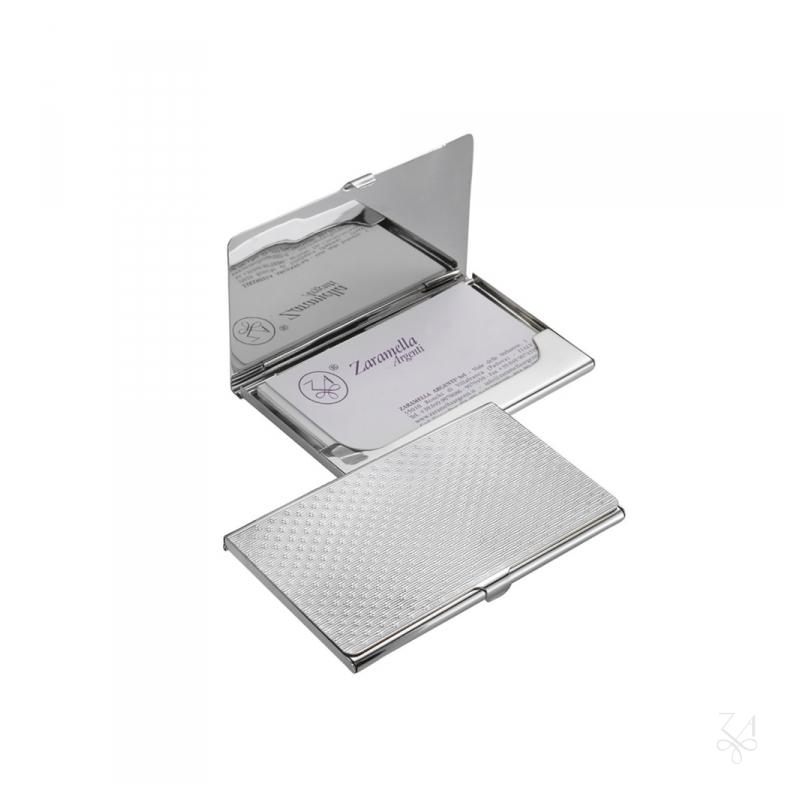
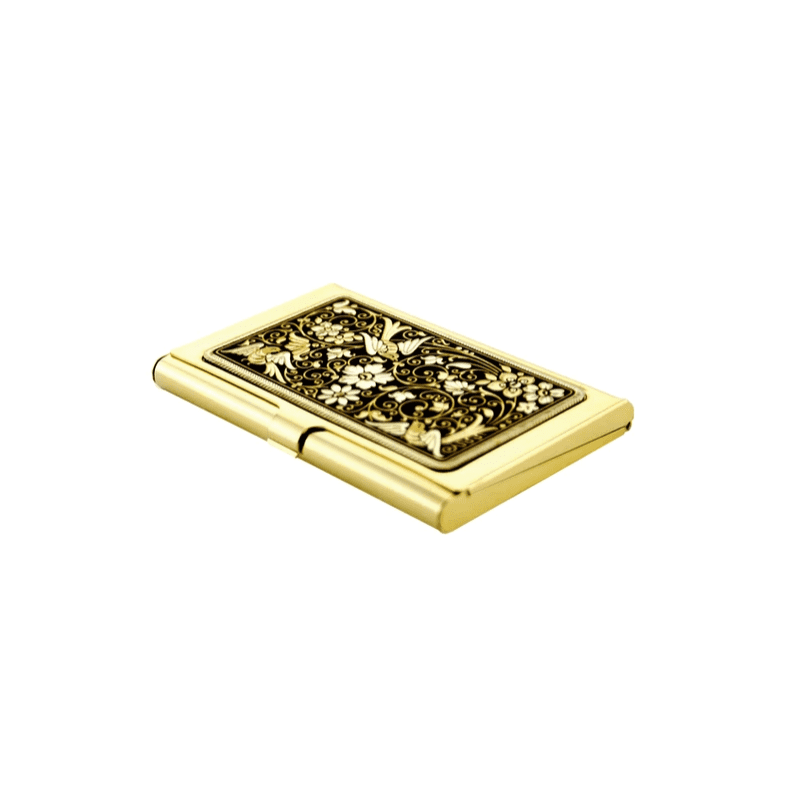
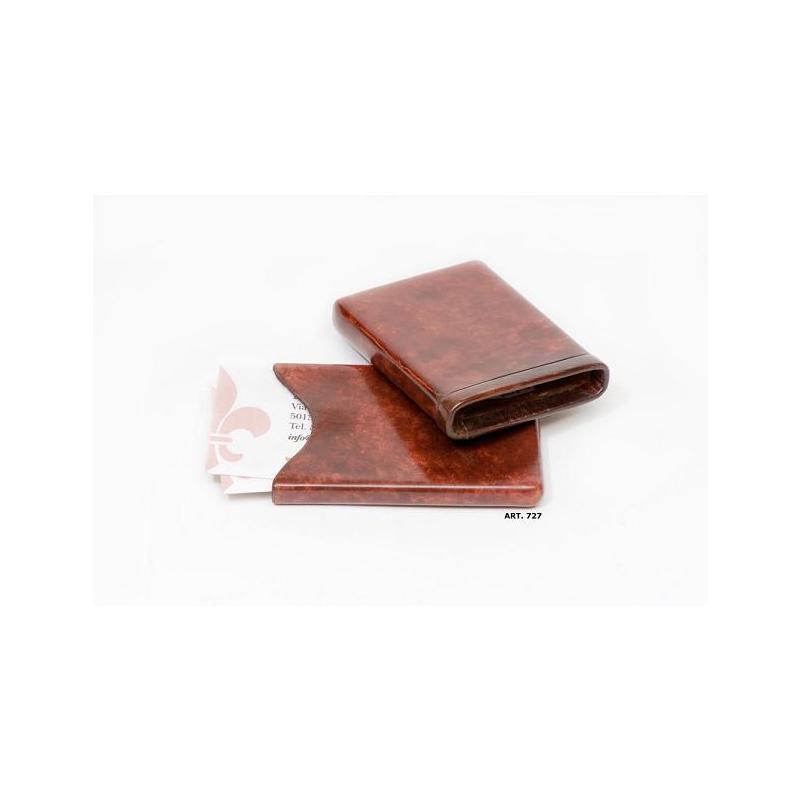
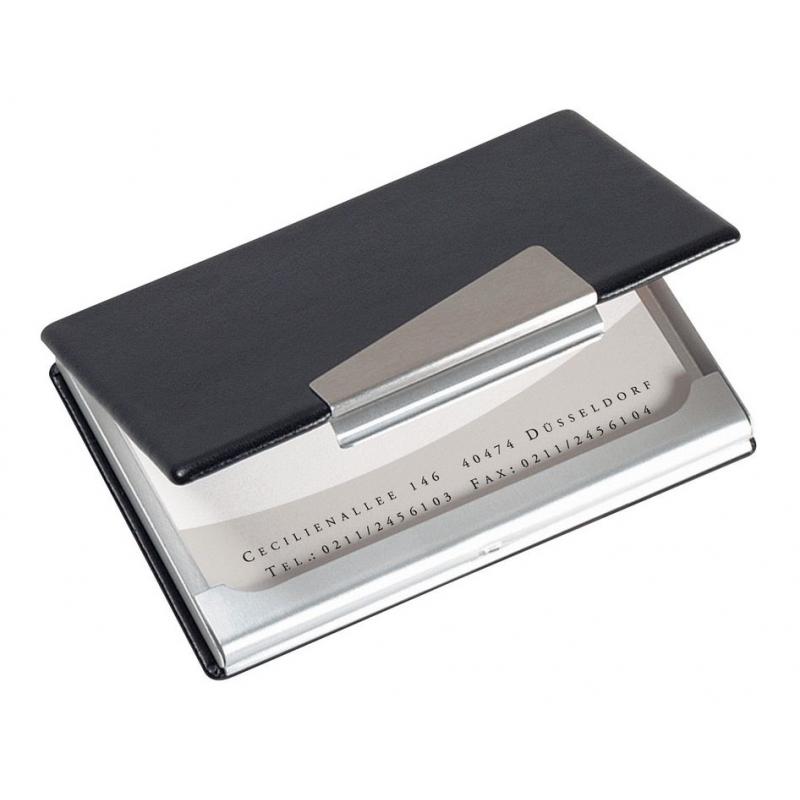
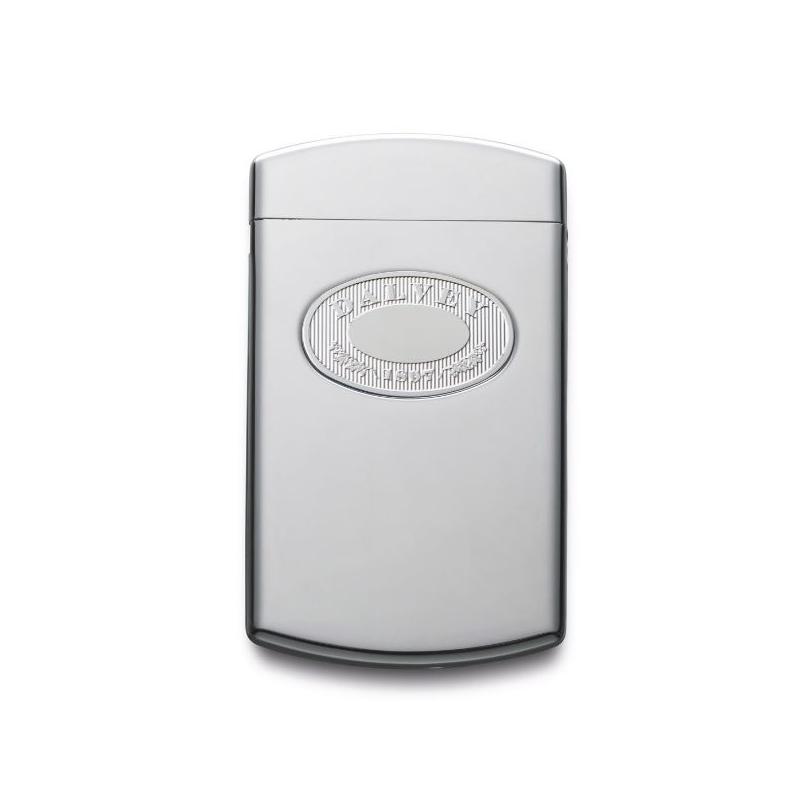
- A business card holder is a key element of prestige and personal image for anyone who values their business partners. There are two main types of business card holders: a compact case for your own cards and a “book-style” version for cards you receive from others. The first type is especially practical, as you can carry it with you, keeping your cards protected from damage and ensuring you always have a supply on hand.
- If, during a meeting, we temporarily store business cards received from others in such a business card holder, we should promptly place them in the appropriate spot after the meeting, as otherwise we risk handing one out as our own next time.
The history of business cards and card holders
In the 15th century in China, business cards were calligraphed on silk or rice paper. When they were first introduced, medieval officials were required to use paper cards containing their personal information. The history of business cards in Europe most likely began when the maritime explorer Marco Polo brought the idea for this custom, which gradually gained popularity in France and Italy.
At first, they were used among aristocratic circles as calling cards and to announce one’s visit by sending a messenger with a card. Upon arrival as a guest, a lady was expected to present her calling card directly to the hostess.
Business cards were made from white cardboard, featuring a handwritten name and surname, and were often adorned with a drawing commissioned from an artist or another form of graphic design. Creating a business card with a photograph was a significant expense. The pioneer of photographic business cards in France was André Adolphe Eugène Disdéri. The history of business card creation is also closely linked to printing. In Germany in the 18th century, business cards were produced using various techniques:
-offset
-chromolithography
-woodcut
-lithograph
-photography
Business cards began to be used in the United States at the end of the 19th century, and that’s when their marketing value started to grow. See what the Luxury Products store has to offer in this regard.

Business accessories
The first impression you make on a business partner often determines the successful completion of a deal, which is why appearance matters so much in the business world. From business card holders and business cards to office accessories and etiquette. A professional office is a multifunctional space—it must be both representative and practical. When selecting office items, you should focus on the consistency of the message you want to convey through the elements that shape your image.
The use of business cards is based on handing your contact a card that contains your contact details and represents your professional image. Today, business cards are primarily used to build your brand and foster business relationships. The art of exchanging business cards requires sensitivity, a personal touch, and depends on the specific situation. It’s hard to say that any particular moment is completely inappropriate, but it’s worth considering the timing to avoid a faux pas.
An additional asset to your appearance is the right choice of business accessories, such as a portable business card holder, which comes in handy during meetings, as well as office equipment that matches the tone of your business. Business accessories also make a great gift idea for people involved in business and those who want to effectively shape their professional image.


Leave a Comment