

The best sushi in Tokyo – top 5 places you need to know
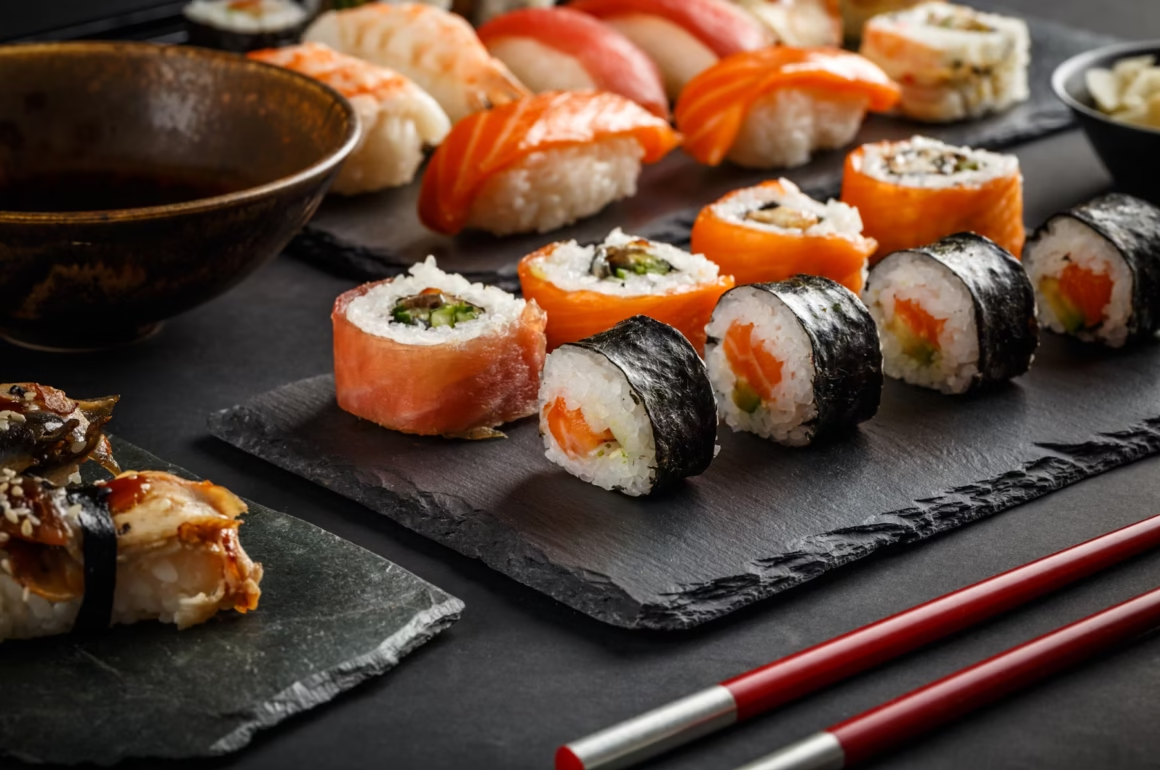
Did you know that one city has more sushi restaurants than entire European countries combined?
Tokyo boasts around 3,500 sushi restaurants. That’s the highest concentration in the world. For comparison, all of France has maybe a third of that number. And it’s not just about quantity—the quality is simply unmatched. Discover the best sushi in Tokyo with our recommendations.
I remember the first time I heard about Hanaya Yohei. Back in 1824, this guy invented nigiri—the style of sushi everyone knows today. Before that, fish was fermented for months. Yohei decided to serve fresh fish on rice immediately. A revolution that changed everything.
The best sushi in Tokyo – discover our secrets
Today, that freshness is still the foundation. The Toyosu Market supplies over 2,000 tons of fish every day. Every single day. These are quantities that are hard to even imagine. But when you try real Tokyo sushi, you instantly understand why this logistics operation makes sense.
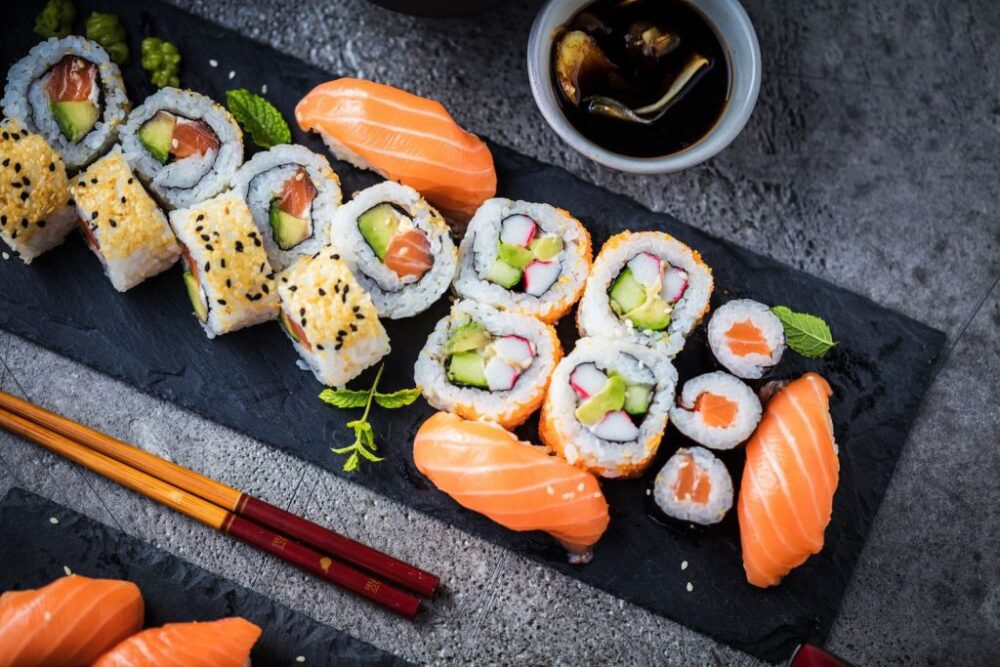
photo: secretldn.com
“Sushi isn’t just food, it’s a conversation between the master and the guest” —that’s what one sushiman told me in a tiny eatery in Tsukiji. Every bite tells the story of that day, that fish, that moment.
After the pandemic, the sushi scene in Tokyo became even more refined. The restaurants that survived had to be truly exceptional. The Michelin Guide here boasts 400 stars—“it’s out of this world” compared to other cities.
That’s exactly why I decided to create this ranking of the best spots. You won’t find standard advice about reservations or prices here. I want to show why each of these restaurants is a legend. How to recognize true mastery from mere marketing.
Because honestly, not every sushi place in Tokyo is phenomenal. You need to know where to look.
Top 5 roundup: must-visit places
These places changed the way I see sushi forever.
#1 Sukiyabashi Jiro
Ginza. Here, everything revolves around Jiro Ono—99 years old, a living legend. His son Yoshikazu now handles most of the service, but the old master still oversees every single piece of fish.
• Try: uni (sea urchin)—their signature
• Atmosphere: minimalist, no small talk, just pure perfection
• Fun fact: Jiro still practices hand massage to keep the perfect 36.5°C temperature
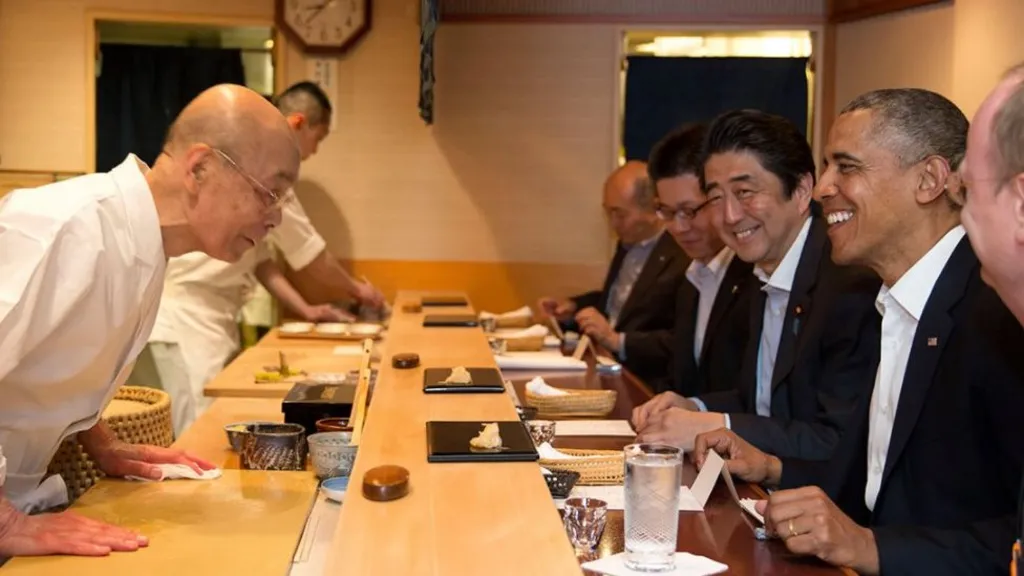
photo: bbc.com
#2 Sushi Yoshitake
Ginza again, but a completely different philosophy. Masahiro Yoshitake experiments with tradition without breaking it. Three-star precision in every move.
• Try: kohada served at the start—the chef does this on purpose to “cleanse the palate”
• Atmosphere: more relaxed than at Jiro, you can actually ask questions
• Fun fact: Yoshitake uses five different types of sea salt
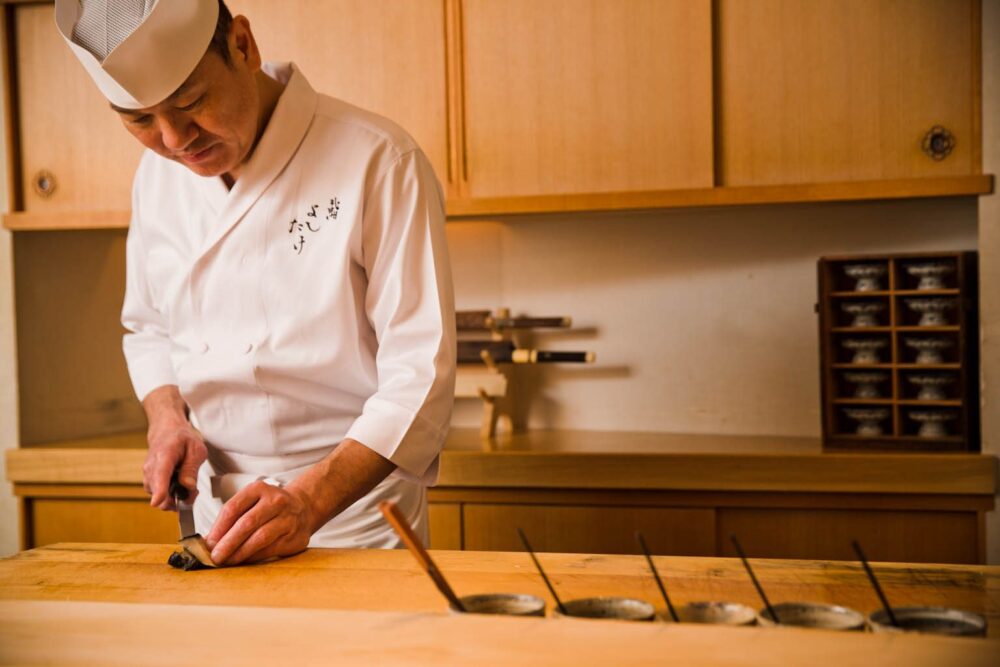
photo: tableall.com
#3 Kyubei
Ginza for the third time. The oldest spot on the list—open since 1936. Yosuke Imada, the current chef, is the fourth generation in his family.
• Try: anago (sea eel)—their recipe hasn’t changed in decades
• Atmosphere: traditional elegance, white aprons, wooden counters
• Fun fact: they have their own fishing boats that deliver fish at 4 a.m.
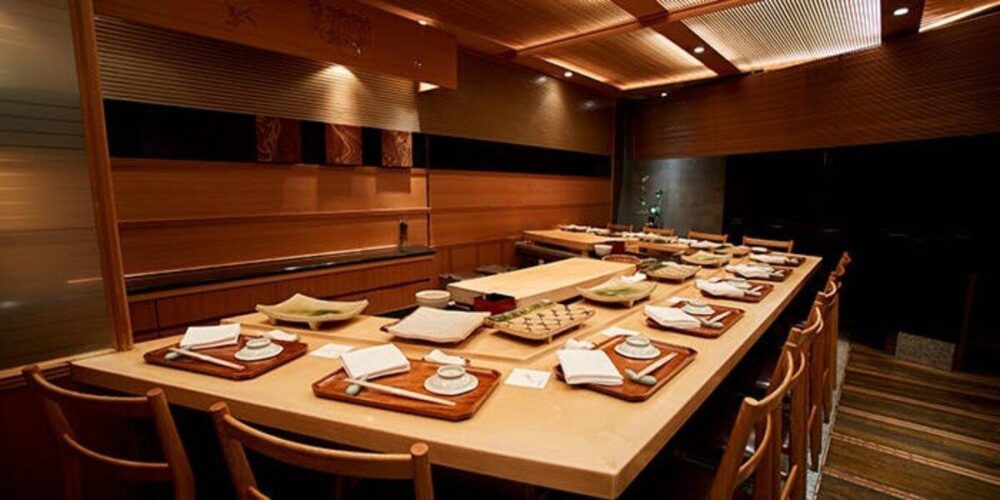
photo: japan-food.guide
#4 Sushi Saito
Roppongi. Takashi Saito trained at Kyubei and now surpasses the master. Some say it’s the best sushi in Tokyo. Me… I don’t know, it’s hard to compare perfection.
• Try: chu-toro (medium-fatty tuna)—melts like butter
• Atmosphere: calm, intimate, just 7 seats at the bar
• Fun fact: Saito goes to Tsukiji market himself at 5 a.m., every day for 30 years
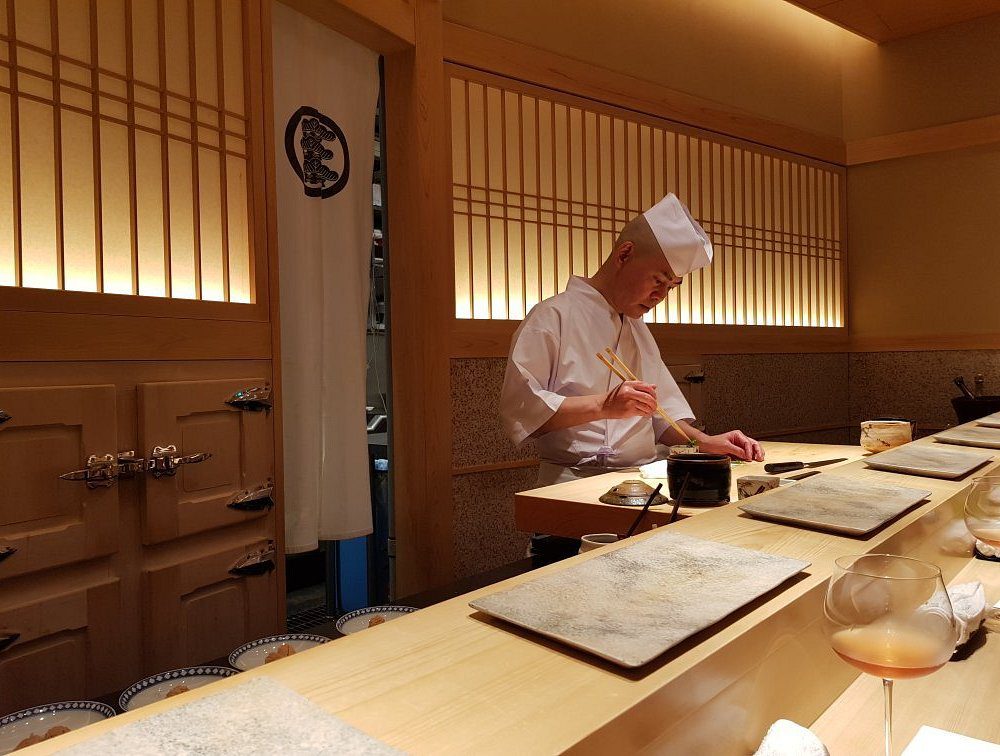
photo: tripadvisor.com
#5 Mizutani
Ginza, one last time. Hachiro Mizutani trained under Jiro but took his own path. Less stiff protocol, more joy in eating.
• Try: tamago (omelet) at the end—a sweet finish
• Atmosphere: warmer than with other masters, Mizutani loves to joke
• Fun fact: he adds a touch of yuzu to the wasabi—his own signature twist
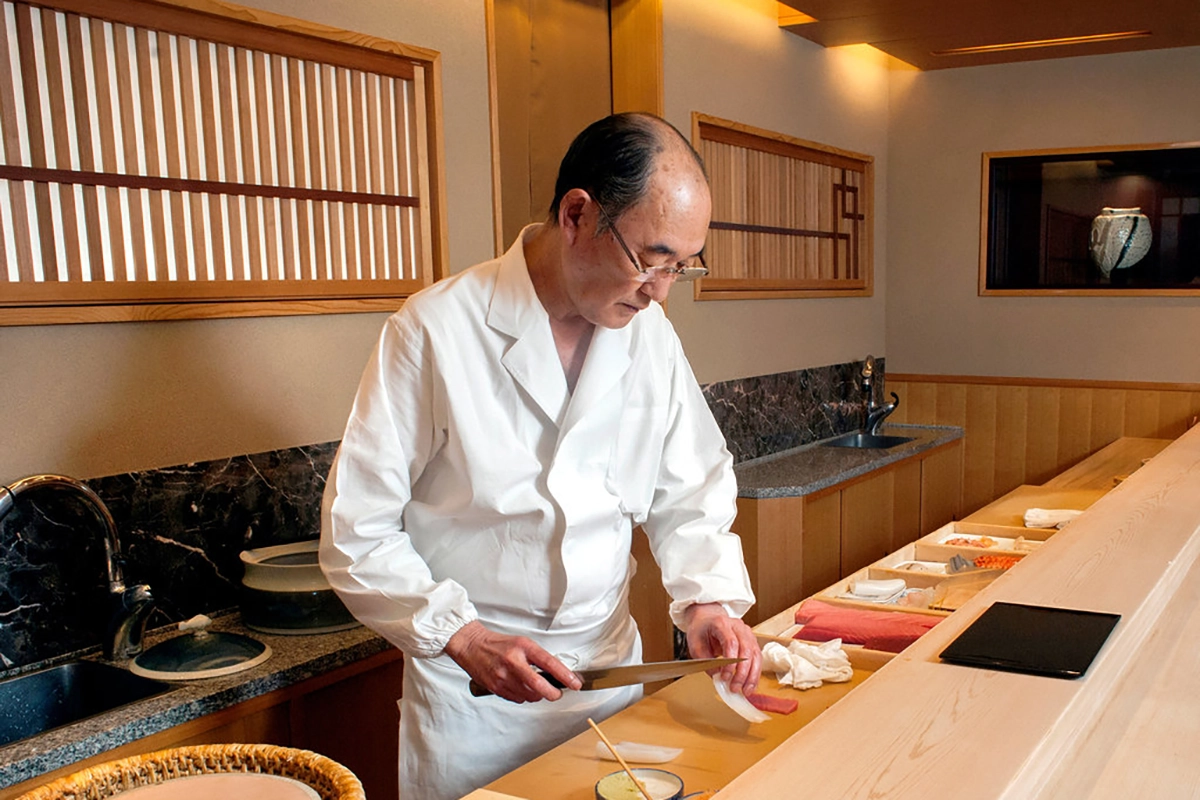
photo: touchofjapan.com
| Place | District | Price (¥) | Michelin | Highlight |
|---|---|---|---|---|
| Sukiyabashi Jiro | Ginza | 40,000+ | ★★★ | Jiro Ono (99 years old) |
| Sushi Yoshitake | Ginza | 35,000+ | ★★★ | Kohada at the beginning |
| Kyubei | Ginza | 25,000+ | ★★ | Family tradition |
| Sushi Saito | Roppongi | 30,000+ | ★★★ | Perfect chu-toro |
| Mizutani | Ginza | 28,000+ | ★★★ | Yuzu in wasabi |
All of these places are impressive, but each in its own way. Jiro is the epitome of classic, Yoshitake is modernity within tradition. Kyubei has the soul of old Tokyo, Saito stands for technical mastery, while Mizutani radiates warmth and hospitality.
Where, when, and for how much? You’ll find out in a moment.
How to make the most of your visit: reservations, budget, etiquette
I remember standing in front of Sukiyabashi Jiro at six in the morning, hoping I might snag a last-minute spot. Naive? Absolutely. But thanks to that mistake, I learned everything about how to actually book a seat at Tokyo’s top sushi bars.
Reservations are essential—you won’t even get close to the bar without one
Three months in advance is the minimum for decent places, six for legends like Jiro. But don’t just call blindly. TableCheck and Pocket Concierge are your best friends—these apps have deals with restaurants and sometimes you’ll get a seat even when direct bookings are closed. Pocket Concierge has better connections with high-end spots, but charges a commission.
Your hotel can help too, especially if you’re staying somewhere upscale. The concierge has their ways.
Budget—this is where it gets interesting. ¥5,000–10,000 for omakase is standard, but since 2023 prices have gone up about 10–15 percent. Even sushi isn’t immune to inflation. Add sake to that, there’s no tipping, but sometimes a service charge is included.
Let’s be honest—it’s not cheap. But if you’re already flying to Tokyo…
INFO: International Sushi Day – 18.06! Some places offer special menus then, but reservations are even harder to get.
Bar etiquette is a whole different world. Wasabi doesn’t go into soy sauce—the chef has already prepared each piece just right. When offering someone food with chopsticks, use the end that hasn’t touched your mouth. And never leave your chopsticks sticking upright in rice—that’s associated with funerals.
Sit up straight, watch the chef, and don’t take photos without asking. Some chefs like to chat, others prefer silence.
Seasonality matters a lot. Uni is best in winter and early spring. Summer reservations open in March—that’s when you should grab spots for June and July. Every season has its treasures, but you need to know when to book what.
Mistakes tourists should avoid:
- Last-minute booking
- Being late (10 minutes = reservation cancelled)
- Mixing wasabi into the sauce
- Eating nigiri with a fork
- Leaving large pieces
March is a magical month – that’s when they plan the menu for the entire year and open reservations. If you’re considering a visit, check the app calendars now.
Pack your chopsticks for the future: your next step after Tokyo sushi
After three days in Tokyo, my bag is full of memories, but my mind is buzzing with plans. It may sound strange, but only now, as I pack chopsticks into my suitcase, do I truly understand what has happened.

photo: justonecookbook.com
What I’m packing in my mental bento – three things that changed the way I think about sushi:
- Sushi isn’t fast food—it’s meditation in motion. Every bite deserves attention. In Poland, I often treated it like an ordinary lunch.
- Seasonality is sacred here. In autumn, eat mackerel; in spring, young bamboo shoots. There’s no such thing as “always available.”
- The relationship with a sushi master is a one-man show. Sitting at the counter is no coincidence—it’s the best seat in the house.
Looking to the future is what fascinates me most. AI is already analyzing guests’ preferences at top restaurants. By 2030, omakase could be personalized based on our DNA and flavor history. Sounds like science fiction? Lab-grown bluefin tuna is expected to hit plates as early as 2027.
Trend radar: Virtual reality in sushi restaurants, where a chef from Tokyo will guide a tasting for guests in Warsaw —a technology already being tested in 2024.
My two-step plan for returning home looks like this. Step one—sign up for a nigiri-making course in Poland. Not to become a master, but to understand how much work goes into every bite. Step two—International Sushi Day falls on June 18, so I’ve already marked my calendar for a return to Tokyo next year.
Back to packing… these chopsticks will remind me that real sushi is more than just food. It’s a philosophy you can practice anywhere.
Are you ready to change your approach to sushi tomorrow?
Nadine
lifestyle editor
Luxury Blog





Leave a Comment