

The best snowboard company – how to choose the right brand for you
In 2025, more than 30 million people worldwide are snowboarding, with an estimated 200,000–300,000 fans in Poland. The equipment market is growing globally by several percent each year, so when you type “best snowboard brand” into Google, you get dozens of rankings. And guess what? Burton tops most of them. But right after that, you’ll see:
- Capita
- Nitro
- Jones Snowboards
- Lib Tech
- Polish Pathron and Drake
Does that mean Burton is objectively the best? Not exactly.
The best snowboard company – a closer look at premium brands
photo: maisonsport.com
The thing is, “the best” means something different for a beginner all-mountain rider spending a week at a resort, a freestyle enthusiast training in the park, and a freeride fan exploring off-piste. Technologies, board shapes, durability, and price all vary — from a few hundred zlotys for a second-hand board to over 4,000 for a splitboard.
The goal of this article is to help you figure out for yourself which brand fits your riding style, budget, and expectations. We’re not looking for a single winner — because there isn’t one. We’re searching for the best brand for you, and I promise I’ll help you find it!
What does “the best snowboard company” really mean? Key criteria for choosing
When you say “the best snowboard company “, what do you really mean? It’s not about the brand that tops every ranking subjectively—it’s about the one that best fits your specific needs on the slopes.
Riding style and skill level – the first filter when choosing a brand
Before you even look at rankings, you need to figure out two things: how you ride and how well you ride. A beginner freestyler needs a completely different board than a splitboarding expert, and an all-mountain board for an intermediate rider is a whole different story. Some brands specialize in park riding (e.g., Rome), while others focus on backcountry gear—which already eliminates half of your options right from the start.
Budget, quality, sustainability, and reviews – what else matters?
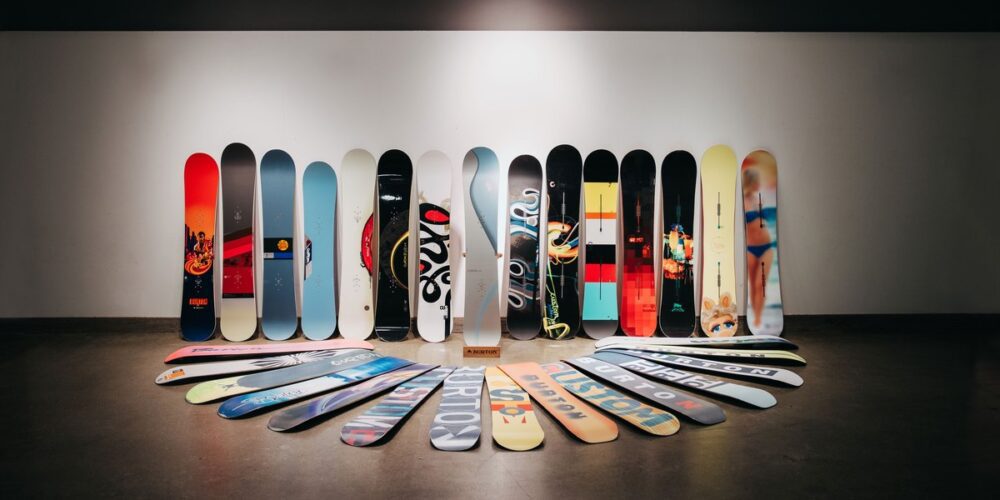
photo: burton.com
And of course, there’s the money. A board will cost you 1500-4000 PLN, bindings 600-2000 PLN, boots 800-2500 PLN – but the most expensive option isn’t always “the best for you.” Besides the price, it’s worth considering:
- Craftsmanship – warranty, materials, after-sales service
- Technological innovations – is the company testing new solutions or just copying the competition?
- Sustainable production – for many, ecology is no longer a whim but a must-have
- Availability in Poland – because boards from USA may have issues with local servicing
- User reviews (just watch out for fake reviews online)
Rankings give you a starting point, but the final choice is a combination of these criteria with your budget and riding style. In the next section, we’ll take a closer look at specific market leaders—you’ll see how these criteria work in practice.
Global market leaders: Burton, Capita, Nitro, Jones, and Lib Tech
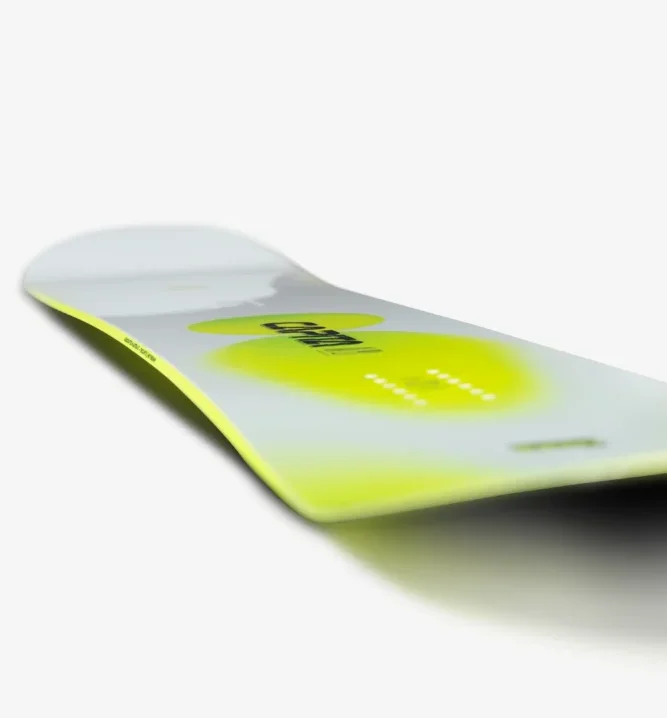
photo: eu.capitasnowboarding.com
A handful of snowboard brands truly dominate the global market—not just on Polish slopes, but in sales rankings, technological innovation, and industry test results. Burton, Capita, Nitro, Jones, and Lib Tech are names that appear in almost every “best” snowboard roundup for 2025. But what exactly makes them stand out from dozens of competitors?
Burton – a global leader and driving force in innovation
Burton was founded in 1977 and still holds the largest market share today—estimates put it at around 30-35% of global snowboard sales. Their all-mountain models, such as the Burton Custom Flying V and Custom Camber, have been industry benchmarks for years. Step-On, their strapless binding system launched in 2017, was initially met with controversy, but by the 2024/25 season it’s a mature, truly convenient option for those who don’t like crouching in the snow. Burton also invests in its own factories (including in Vermont and Austria), so they control quality from design to finish.
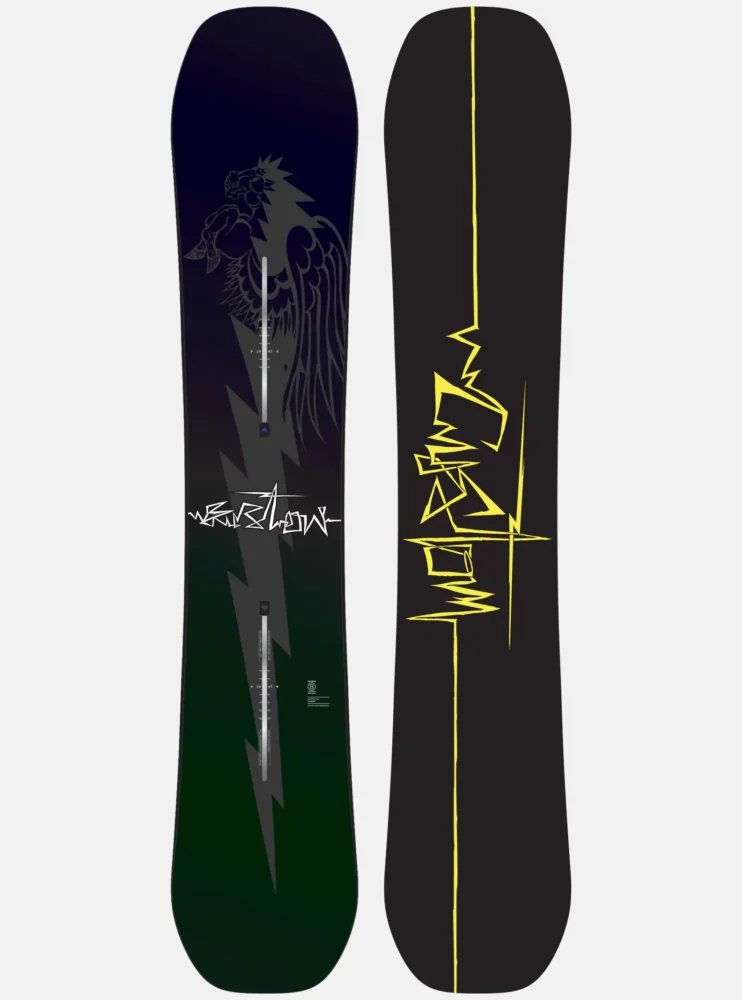
photo: burton.com
Capita and Nitro – the kings of freestyle and all-mountain
Capita (an Austrian brand, part of the Blue Tomato group) is renowned for models like the Capita DOA (Defenders of Awesome) — a versatile board with excellent pop, consistently topping freestyle/all-mountain rankings. Nitro (a German company founded in 1990), on the other hand, is known for the Nitro Team and Nitro Quiver — boards appreciated for their value for money and progressive hybrid camber. Both brands strongly support European sponsored riders and hold a solid position in parks and on the piste.
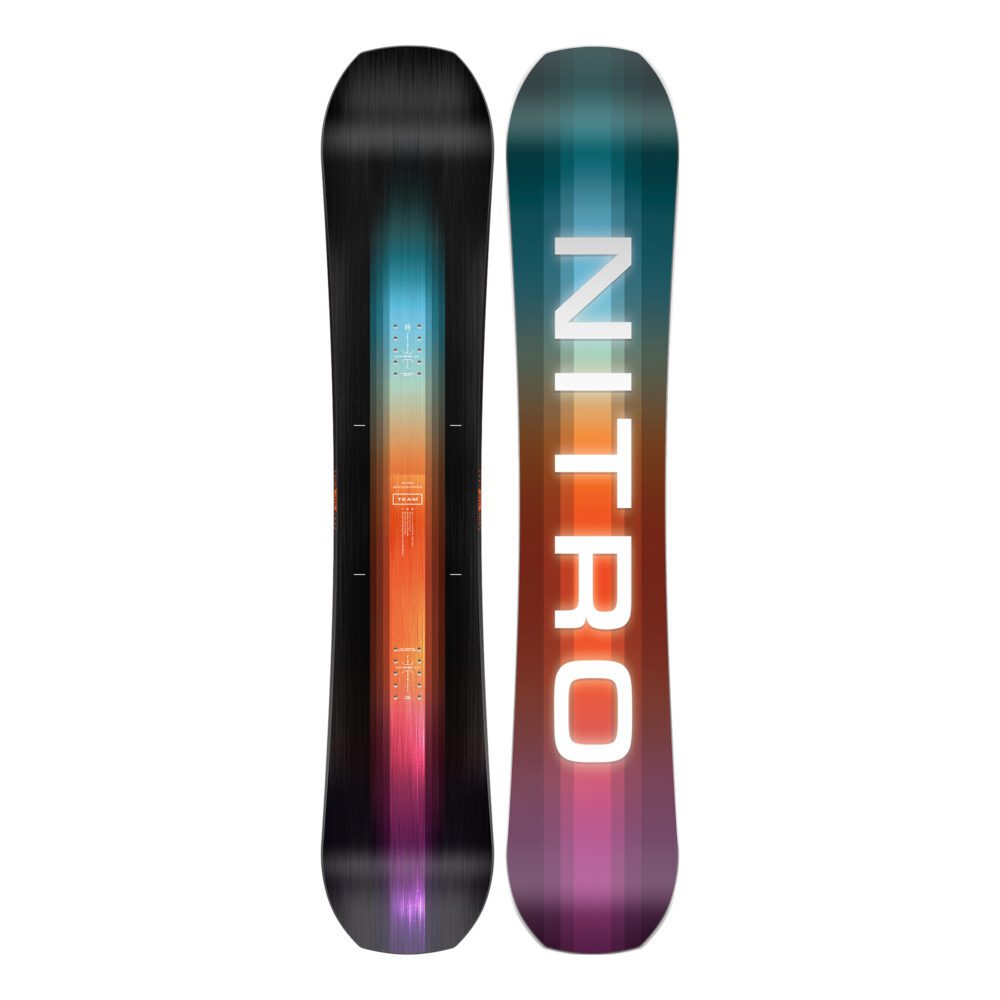
photo: nitropolska.pl
Jones and Lib Tech – freeride and sustainability in the spotlight
Jones Snowboards (founded by Jeremy Jones in 2009) has focused on the freeride segment from the start: Jones Flagship is a backcountry icon, while the Ultra series offers “extra-light” constructions for ski touring. The company puts a huge emphasis on sustainable production—CO₂ emission offsetting, recycled cores, partnerships with environmental organizations.
Lib Tech (part of Mervin Manufacturing, USA) is known for radical material innovations: a core made from poplar wood blended with bamboo, a bio-plastic topsheet, and the Magne‑Traction system (wavy edges for better grip on ice). The Lib Tech T.Rice Pro model (endorsed by snowboard legend Travis Rice) is a classic all-mountain/powder board. Sustainability? The Washington State factory runs on renewable energy and minimizes chemical use.
Salomon, Rome SDS, Arbor, and K2 also have their share (Salomon estimated at ~10-12%), but the five brands above form the core of the global offering. Just remember: “best globally” doesn’t always mean “best for you on a Polish slope”—more on that in a moment.
Polish snowboard market: which brands matter on the slopes?
Polish slopes are becoming increasingly crowded — it’s estimated that over 150,000 people now snowboard regularly, and the value of the equipment market is growing by several percent each year. This is not only the result of the pandemic-driven boom in outdoor activities, but also greater accessibility of slopes and improved quality of Polish runs.
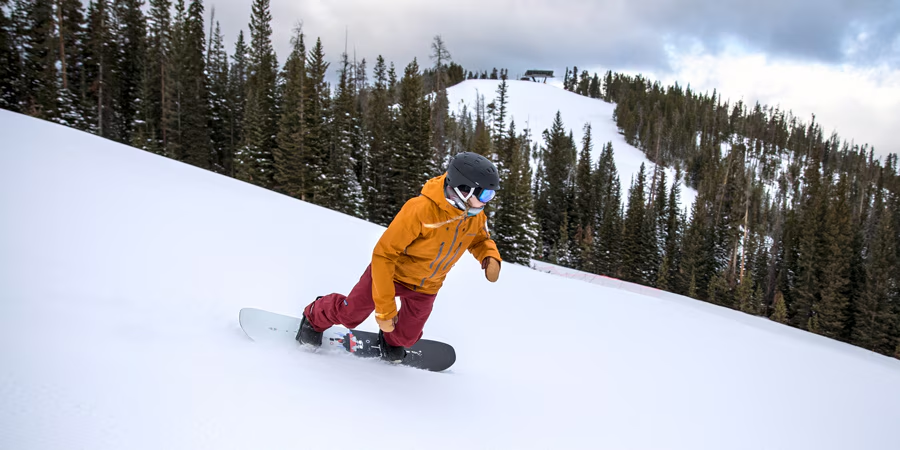
photo: rei.com
Who dominates snowboard sales in Poland?
Two brands dominate Polish specialty stores: Burton and Nitro. Burton has held the top spot for years, although Nitro is quickly catching up thanks to more attractive prices and a wide range of boards for beginners. In recent seasons, Capita and Jones have become increasingly visible—especially in online offers and boutiques targeting more demanding riders. These brands are gaining popularity among those looking for boards with character, not just mainstream bestsellers.
Polish brands: Pathron and Drake on the rise
It’s worth paying attention to the domestic brands Pathron and Drake. Both brands offer boards at competitive prices, tailored to the conditions of Polish slopes—which are often lower and less steep than those in the Alps. Pathron regularly appears in freeride rankings, while Drake is recognized for bindings that won’t break the bank. For many Poles, this is the perfect solution for beginners or as a second board for experimenting.
E-commerce has also changed the game—price comparison sites and specialized stores make it easy to find out who has the best deal. Interest in splitboards is also growing, though it’s still a niche market. Poland has its own market specifics—a global brand doesn’t always mean the best choice for local conditions and budgets.
How to choose a brand to match your riding style, skill level, and budget
Choosing a snowboard brand isn’t a popularity contest – it’s about finding gear that matches the way you actually ride. And what you ultimately want to do on the slopes.
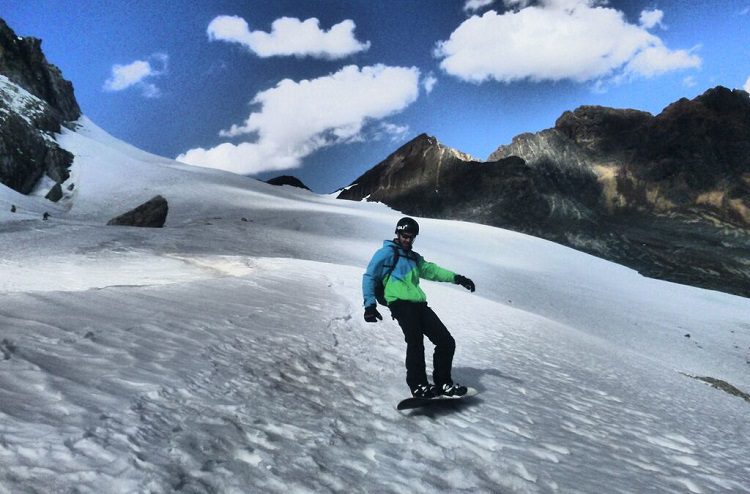
photo: lapazlife.com
First skateboard: which brand to choose for beginners?
At the beginning, you need a board that forgives mistakes, not one that demands acrobatic precision. Look for models described as “all-mountain” with a soft or medium flex—they’ll be stable but not too demanding. Polish brands (like Nidecker or Pathron) offer excellent entry-level boards at reasonable prices, often featuring technology borrowed from more expensive competitors. Burton Instigator or Ride Agenda are other examples—simple, predictable, and perfect for learning.
Freestyle and freeride – different needs, different brands
If you’re drawn to the park and tricks, look for brands with freestyle DNA. Rome SDS, Capita, or lines like Burton Process feature a twin shape, shorter length, and flex that makes spins easier. For freeride and deep snow, it’s a different story—here, stability, a stiffer build, and a directional profile matter most. Jones Snowboards or freeride lines from GNU are classics for steep descents and powder.
Small budget, big possibilities: how not to overpay for a logo
You don’t have to buy the most expensive brand to ride well. Sometimes, the “best company” is simply the one that gives you the right gear for a reasonable price. Nitro, Salomon, or the mentioned Polish brands often win when it comes to value for money—invest your savings in good bindings and boots, because that’s where comfort truly matters.
And one more thing: even the best board won’t replace a helmet, wrist guards, and a back protector. Protective gear isn’t optional—it’s essential, no matter which brand you choose.
Your next board: how to choose a brand wisely and what the future holds
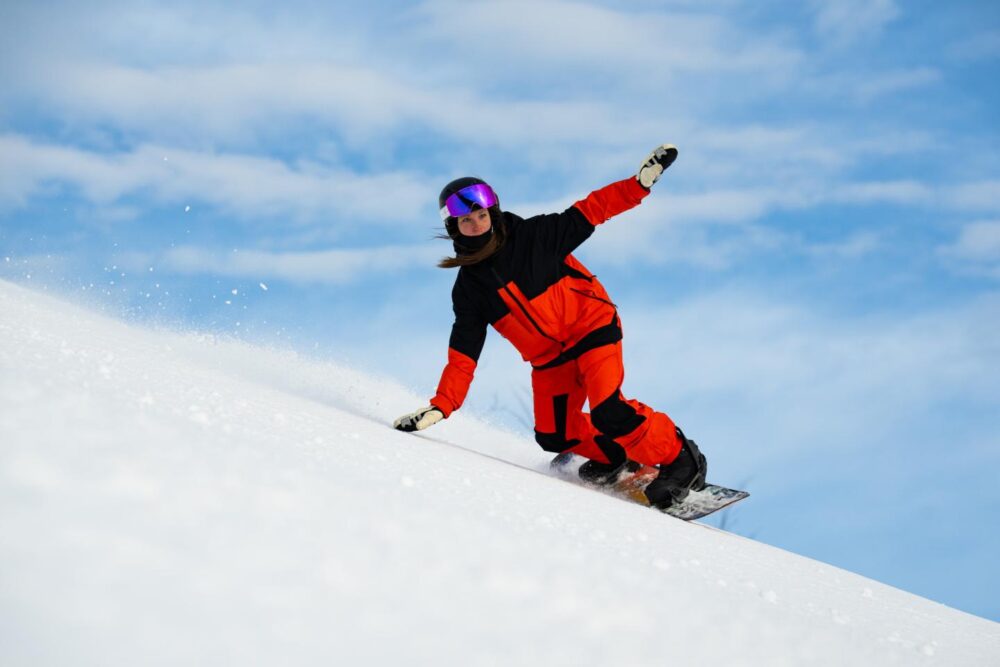
photo: crystalmountain.com
There’s no single best snowboard brand for everyone—the best one is the one that truly matches your riding style, skill level, budget, and values. It might sound cliché, but that’s the point: making an informed choice instead of blindly following the hype.
Trends that will reshape the ranking of top brands
The coming years will bring significant changes. The importance of eco-friendly materials and bioplastics will grow—this is no longer a fad, but the new standard. Technology is also advancing: binding systems are evolving, and AI-powered tools for selecting equipment online are emerging. Polish brands are gaining strength, while Asian manufacturers are making a stronger entry into the European market. And two more things: snowboarding among women is booming (companies are responding with dedicated lines), and splitboarding is no longer a niche—this is changing both construction and product offerings.
The industry is evolving rapidly. It’s worth staying up to date, testing different solutions, and making conscious choices—not just based on the logo.
Toony ZI
sports & moto editorial team
Luxury Blog




Leave a Comment