

The 10% rule for yachts – fact, myth, or a misunderstood guideline?
Every sailor knows at least a few “golden rules”—from the fact that the weather will always change, to various ways of assessing safety on the water. These rules of thumb circulate around marinas like rumors, passed from one person to another. But sometimes, something odd comes up. The 10% rule for yachts is a key topic.
This quote perfectly captures the issue that owners and enthusiasts of sailing face today. Everyone’s heard of it, some even follow it, but no one really knows where this mysterious 10% rule originated.
What makes it so fascinating is that it concerns very practical matters. People make purchasing decisions worth tens of thousands of zlotys, relying on a rule whose origins no one can explain. Marina after marina, chandlery after chandlery—you hear about this 10% everywhere, but the sources? It’s as if someone carefully erased them.
The 10% rule for yachts – the mysterious principle
The issue isn’t just for the curious. The sailing industry needs clear guidelines. Manufacturers of equipment, consultants, instructors—all of them walk a fine line between “how it’s always been done” and what actually makes sense. And this rule sits somewhere in the middle, as elusive as Baltic Sea fog at dawn.
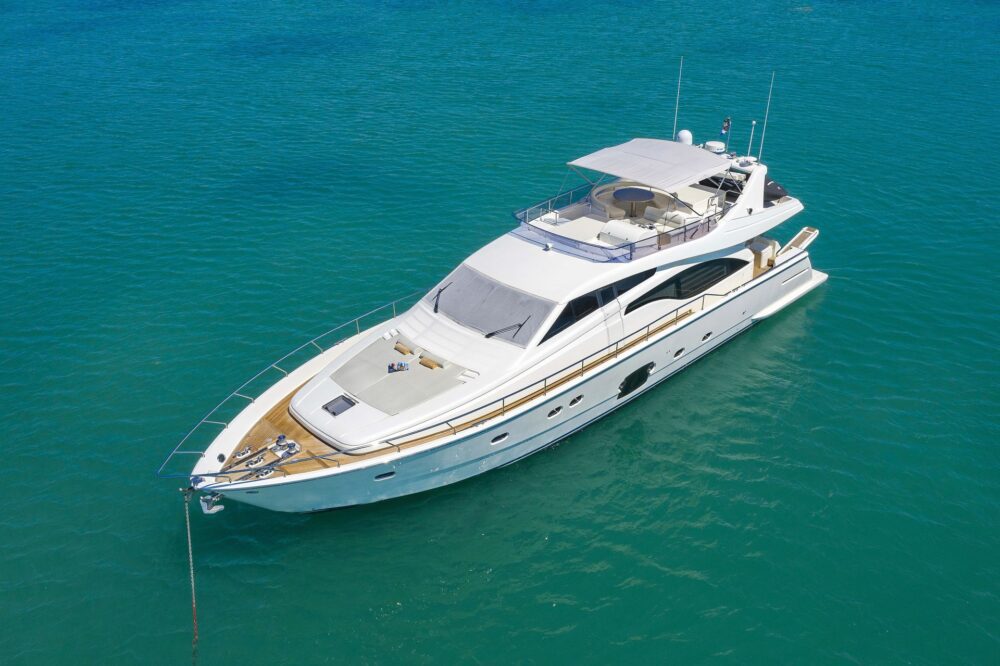
photo: arthaudyachting.com
You’d think that in the age of the internet, every piece of information could be tracked down, but here we hit a wall.
To unravel this mystery, we’ll need to explore three key areas. First, we’ll look at possible sources—does the rule come from insurance practices, or perhaps from shipyard experience? Then we’ll check how this principle affects sailors’ everyday decisions and whether it has any rational basis at all. Finally, we’ll consider what to do with all this and how to approach the topic sensibly.
Maybe it’ll turn out to be one of those things that just “are”—like the tradition of ducking under the boom or cursing during anchor watch. Or maybe we’ll find something more.
Since we already know the information is missing, let’s take a look at where this number might have come from.
Where could the 10% rule have come from – the three most likely sources
Round numbers have a strange power. Ten percent somehow sounds more credible than 8.7% or 11.3%. Maybe that’s why this particular figure is so deeply rooted in the minds of sailors. But where could it actually come from?
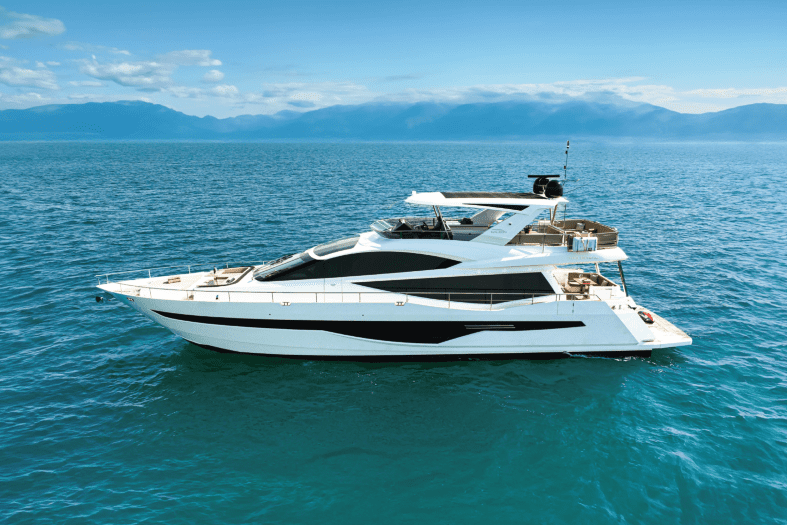
photo: hydro-watersports.com
Hull design and safety is the first path worth considering. In yachting literature, you can sometimes come across the concept of “reserve buoyancy.” A yacht architect might theoretically assume a ten percent safety margin when calculating stability. For example, if a yacht with a displacement of 8 tons requires a certain amount of ballast, the designer might add 10% “just in case.” That sounds reasonable, though it’s hard to find concrete sources confirming this practice.
The second hypothesis leads to taxes and duties. In the European Union, some imported yachts are indeed subject to a 10% duty. Imagine someone buying a yacht in the Caribbean and bringing it to Europe. The customs office will charge exactly that 10%. Maybe that’s where the association of this amount with the yacht’s value comes from? The argument in favor is simple—people remember the amounts they have to pay. The counterargument is that not all owners import yachts.
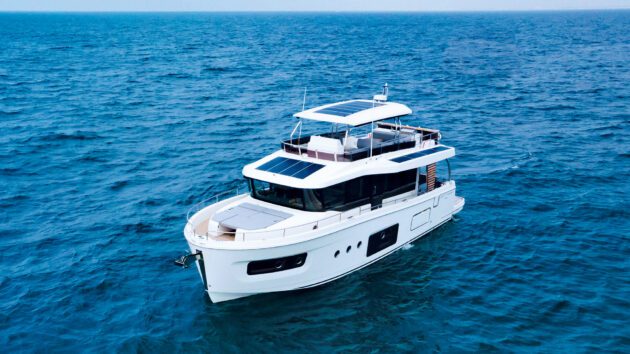
photo: ybw.com
The third path leads through insurance and deductibles. The deductible in yacht insurance policies is often exactly 10% of the damage or the entire yacht’s value. For example: a yacht worth 200,000, a claim for 50,000—the owner pays 5,000 out of pocket. That’s a tangible sum that any owner can easily calculate.
| Hypothesis | Arguments for and against |
|---|---|
| Design | Pro: logical safety margin, common in engineering. Con: lack of documentation for this practice |
| Taxes/duties | Pros: a specific amount set in EU regulations, easy to remember. Cons: applies only to imports |
| Insurance | Pros: direct contact of each shipowner with this amount. Cons: not everyone has insurance |
Probably each of these paths could have contributed to the popularity of this number. But does it have any practical significance for today’s yacht owners?
How (Not) to Apply the 10% Rule in Shipping Practice
The owner of a 15-meter yacht keeps hearing the same advice: “Budget 10% of the yacht’s value for annual maintenance.” Sounds reasonable, right? The problem is, this rule can be a trap.
Before you take this rule for granted, it’s worth asking a few specific questions. First—does this rule cover only maintenance, or does it also include insurance and mooring fees? Second, what about the age of the vessel—does 10% make sense for a 30-year-old yacht as much as for a new one? Third, how intensively is the yacht used? Is it docked in the marina for 10 months a year, or is it actively sailing? Fourth—what geographical area will it be used in? The Baltic Sea is very different from the Mediterranean. And finally, the fifth question—does the calculation include planned upgrades?

photo: blog.getboat.com
These questions are not random. Each one can shift your budget up or down by several percent.
Case study: The owner of a Bavaria 44 from 2008, valued at 400,000.00 PLN, set an annual budget of 40,000.00 PLN (exactly 10%). Actual costs: mooring 18,000.00 PLN, insurance 8,500.00 PLN, engine service 12,000.00 PLN, sail replacement 15,000.00 PLN, minor repairs 6,500.00 PLN. Total: 60,000.00 PLN, which is 15% of the yacht’s value. That’s a 50% budget overrun.
A miscalculation in costs can be financially painful. That’s why it’s worth consulting a PZŻ surveyor before making a purchase —they can point out potential issues with a specific vessel. An industry lawyer will help you understand your insurance obligations. And an experienced mechanic can assess the technical condition of the propulsion system.
The 10% rule is a starting point for discussion, not the ultimate truth. Some owners spend 5%, others 20%. The difference lies in the details, which need to be checked individually.
The actual budget depends on many variables. It’s worth understanding them before committing to a particular yacht.
See also – famous Arabian horse studs in Poland
What’s next? An action plan for truth seekers about the 10%
Critical thinking in sailing isn’t a luxury—it’s a necessity. Too many decisions are made based on hearsay rather than verified facts.

photo: blog.yachtic.com
After analyzing various sources and cases, several things become clear. The 10% rule does appear in official documents, but its application is… flexible. The second finding—most sailors have no idea where these numbers actually come from. And the third? Official institutions often rely on data that’s years out of date.
This leads to the question: how do you continue your own research? You don’t have to stop at what you already know.
The roadmap for further research should cover three levels:
- Registers of the Polish Yachting Association – that’s where you’ll find the official guidelines and their updates
- International Maritime Organization archives – source documents, often in English
- Publications of the Institute of Construction and Engineering – technical reports on safety standards
Each of these sources requires a different approach. PZŻ responds to emails, IMO has open databases, and IBI publishes reports quarterly.
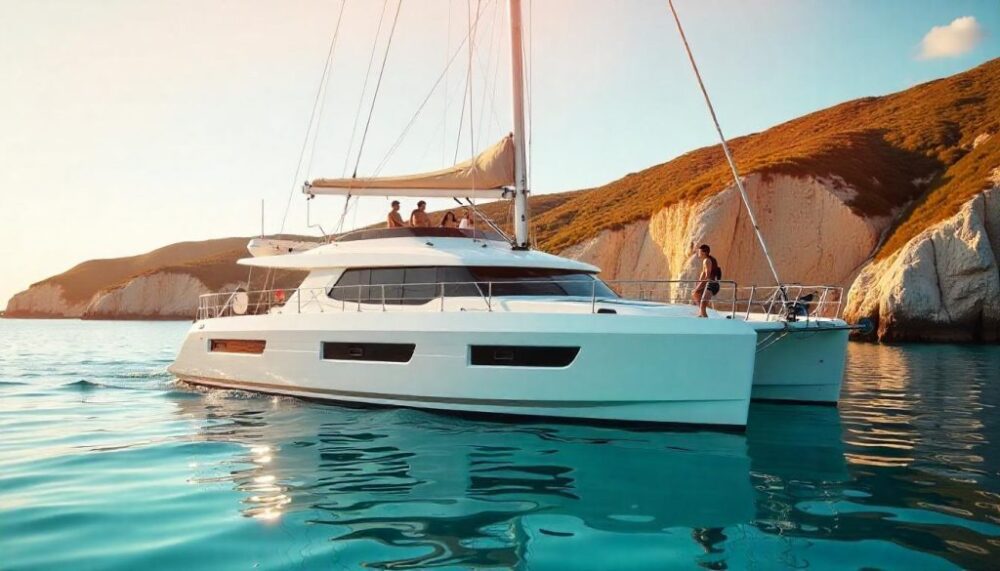
photo: blog.getboat.com
The outlook for the coming years is intriguing. Eco-yachting is gaining momentum, which means new regulations are on the horizon. By 2030, we’ll likely see changes in percentage standards—especially those concerning materials and emissions. It may turn out that the current 10% is either too little or too much, depending on new environmental standards.
However, not everything can be found in official documents. Sometimes the best information circulates among people—on forums, in yacht clubs, or during conversations at the marina.
It’s worth sharing your own observations. Someone might have noticed discrepancies in regulations during a cruise. Another person may have dealt with an inspection that applied different standards than expected. Yet someone else might have come across documents that don’t match the official version.

photo: planm8.io
The sailing community has the potential to solve the mystery of this 10% together. All it takes is to start sharing what each person knows from their own experience. Maybe then we’ll be able to piece together the full picture.
Moon Mark
lifestyle editor
Luxury Blog
And here you’ll find the best premium destinations for your 2026 vacation






Leave a Comment