

Ranking of Luxury Electric SUVs 2026 – Who Wins and Why
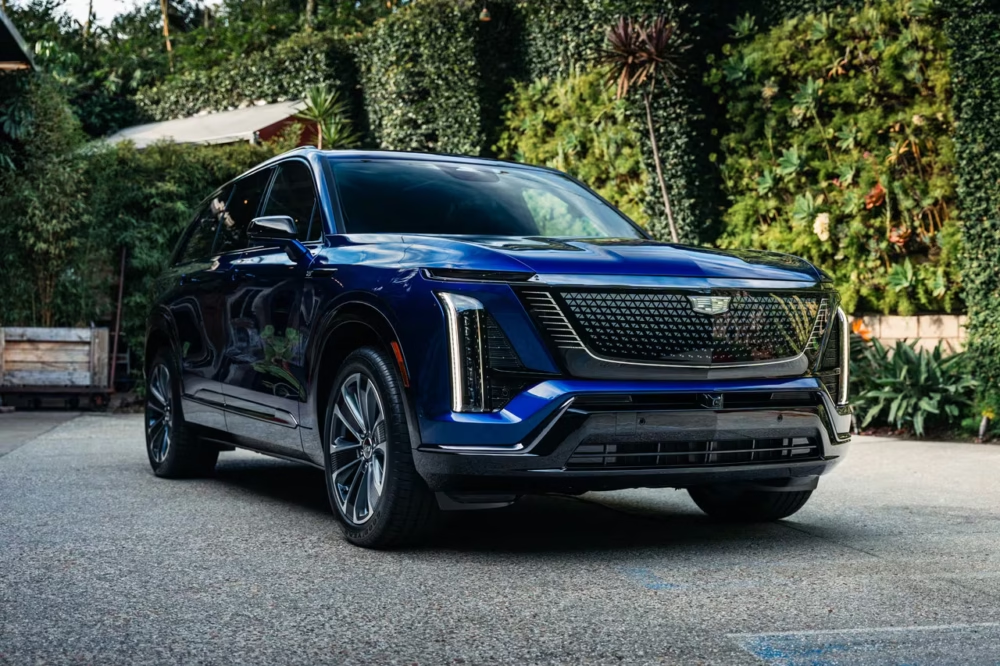
The share of EVs in new car sales in the US exceeded 12% in 2026, and in the premium SUV segment, this figure already reaches 20-25%. These are no longer experiments for early adopters. This is a mature market where concrete comparisons matter: range, charging power, quality of finish.
Ranking of luxury electric SUVs 2026: the electric start
Flagship models now offer 400+ miles of EPA range (approx. 650 km), fast charging at 350 kW+ (10-80% in 20 minutes), and native integration with the NACS network. AI infotainment and OTA updates are no longer ” premium features,” they’re simply standard. In this context, the ranking no longer compares promises, but actual everyday usability.
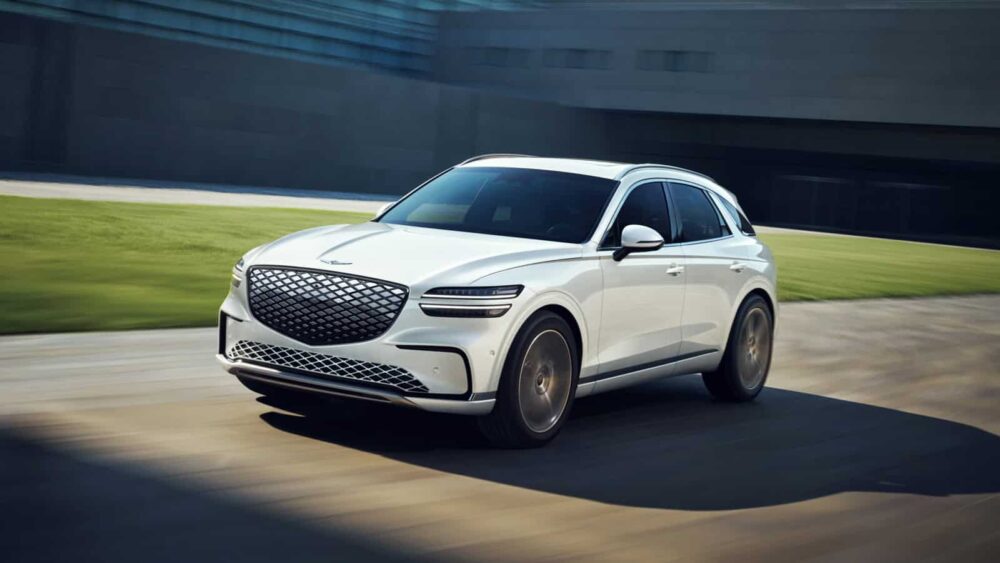
photo: electrifynews.com
My ranking covers only BEVs (fully electric SUVs), excluding plug-in hybrids. Price range: $50,000–$150,000+, meaning a segment where customers expect not just range, but also refinement. You’ll get a clear evaluation methodology, a list of leaders in each category (range, comfort, tech), and tips on which model offers the best value for your priorities. No marketing fluff.
How is the ranking created?
A good ranking is not a matter of personal taste, but a system. I have compiled the methodologies of four leading sources that take the evaluation of cars truly seriously. U.S. News & World Report currently classifies over 28 models of luxury electric SUVs (as of III.2026) and uses a precise weighting model. Car and Driver conducts instrumented tests with over 200 measurement points, from 0-60 mph acceleration to braking at various speeds and track handling. MotorTrend emphasizes real-world driving, meaning how the car performs in everyday family use, with cargo and practicality. Pursuitist brings something different: the perspective of opulence, luxury as an experience, not just specifications. Together, these four provide a complete picture, both technical and emotional.
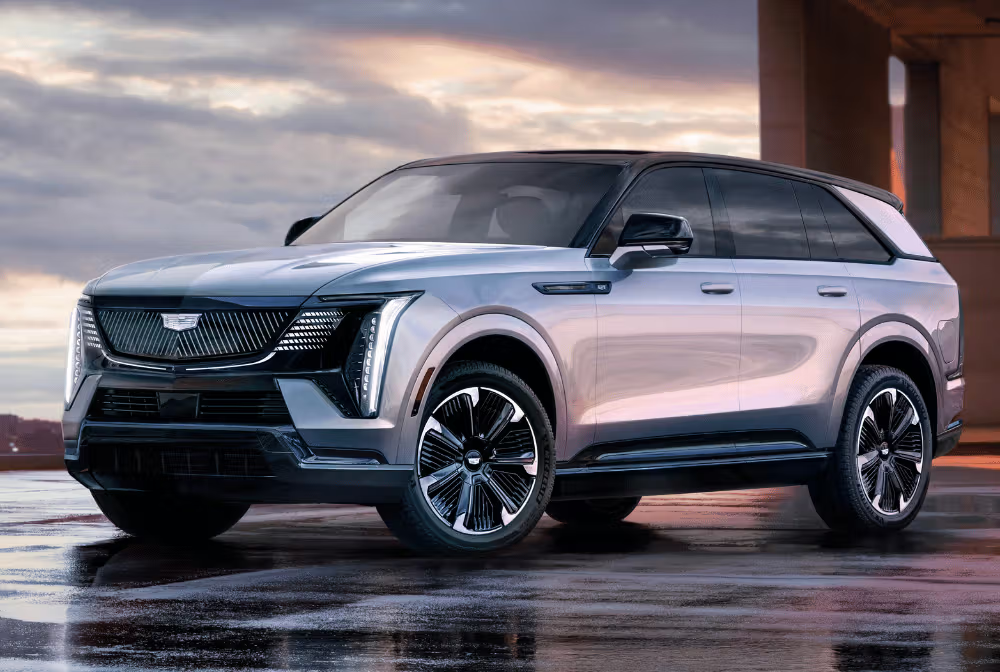
photo: truecar.com
Criteria and evaluation weights
U.S. News uses the following weights, which make sense for this category:
- Performance 30% (acceleration, power, dynamics)
- Efficiency/range 25% (EPA range, MPGe, charging efficiency)
- Interior 20% (material quality, spaciousness, comfort)
- Tech/safety 15% (ADAS Level 2+/3, infotainment, assistance systems)
- Value 10% (price/equipment ratio)
Metrics? Concrete numbers: 0-60 mph time, peak DC charging power (kW), EPA range in miles, autonomy systems, interior finish quality. Each car gets points in every category, then we multiply by the weight and sum it up. Simple, transparent. I’m updating the data for Q3 2026, so you can be sure the list covers 2025-2026 models with the latest information. I’m not guessing who wins — the numbers speak for themselves.
photo: electriccarscheme.com
Top 2026: segment leaders and model strengths
I’d start by saying that the market has indeed produced a few clear winners. Lucid Gravity GT is the absolute range champion: from $81,000 to $142,000, it offers 337 to 450 miles EPA, 828 hp, and a 0-60 mph sprint in 3.4 seconds thanks to a 123 kWh battery. U.S. News ranked it #1 in its category, which basically surprised no one. BMW iX xDrive60 (#2 according to U.S. News) strikes a balance of luxury: $75,000–$112,000, 283–364 mi, 516–650 hp, 3.8 s, 111–116 kWh battery. It’s for those who want a balance of range, power, and prestige without going overboard on price.
Porsche Macan EV Turbo ($83,000–$115,000) is the driver’s choice. Car and Driver named it the top pick in the compact segment: 288–315 mi, 630 hp, 0–60 mph in 3.1 s, 100 kWh battery. If you love to drive and feel the road, this is your model.
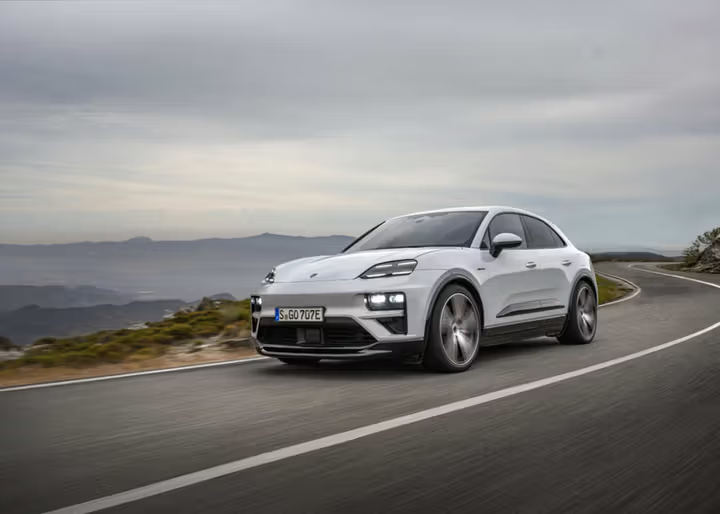
photo: truecar.com
Family-friendly, off-road, and supremely luxurious
Rivian R1S Max (77,000–130,000 USD) fits the whole family with three rows: 410 mi, 700+ hp, 3.4 s, 180 kWh battery, and 81–93/70–80 MPGe city/highway. Practicality meets adventure. Mercedes G‑Class E V (approx. 161,000 USD) is an off-road icon electrified: 239–292 mi, 579–639 hp, 4.6 s, ~100 kWh, U.S. News #2 in its niche. For those who care about the legend.
Cadillac Escalade IQ? A pure statement: 127,000–151,000 USD, 450 mi, 750 hp, 4.9 s, over 200 kWh. You don’t buy it for the MPG (though it’s decent), you buy it for the effect.
| Model | Price USD | Range mi (EPA) | HP | 0-60 mph | Battery kWh |
|---|---|---|---|---|---|
| Lucid Gravity GT | 81,000-142,000 | 337-450 | 828 | 3.4 s | 123 |
| BMW iX xDrive60 | 75,000–112,000 | 283-364 | 516-650 | 3.8 s | 111-116 |
| Porsche Macan EV Turbo | 83,000–115,000 | 288-315 | 630 | 3.1 s | 100 |
| Mercedes G‑Class EV | ~161,000 | 239-292 | 579-639 | 4.6 s | ~100 |
| Rivian R1S Max | 77,000-130,000 | 410 | 700+ | 3.4 s | 180 |
| Cadillac Escalade IQ | 127,000–151,000 | 450 | 750 | 4.9 s | 200+ |
Everyone has their own niche, and knowing what matters under the hood will help you choose the right one.
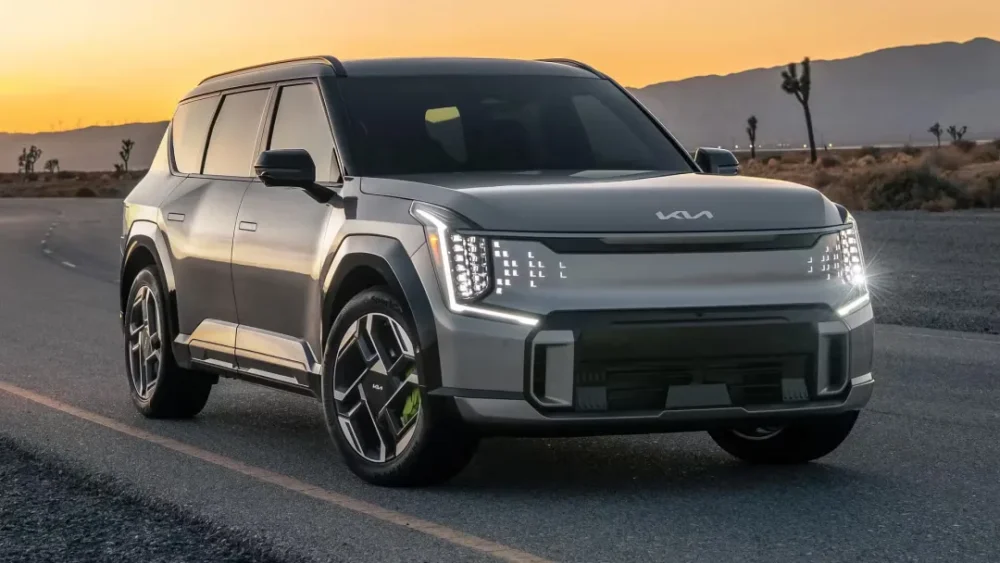
photo: tynan.com.au
Technology and performance
When you pay 400,000+ PLN for an electric SUV, you’re not just buying a battery on wheels. You’re buying time, comfort, and technology that should simply work without question. In practice, three things matter: how fast you can charge, how much the car supports you, and whether it can handle going off-road.
Charging and architecture: 800 V in practice
The 800 V architecture, which you’ll find in the Porsche Macan Electric or Audi Q6 e-tron (both on the PPE platform), is not just a marketing gimmick. Higher voltage enables charging power of 270–350 kW without overheating the cables. Typical 400 V models reach 150–200 kW and require about 30 minutes.
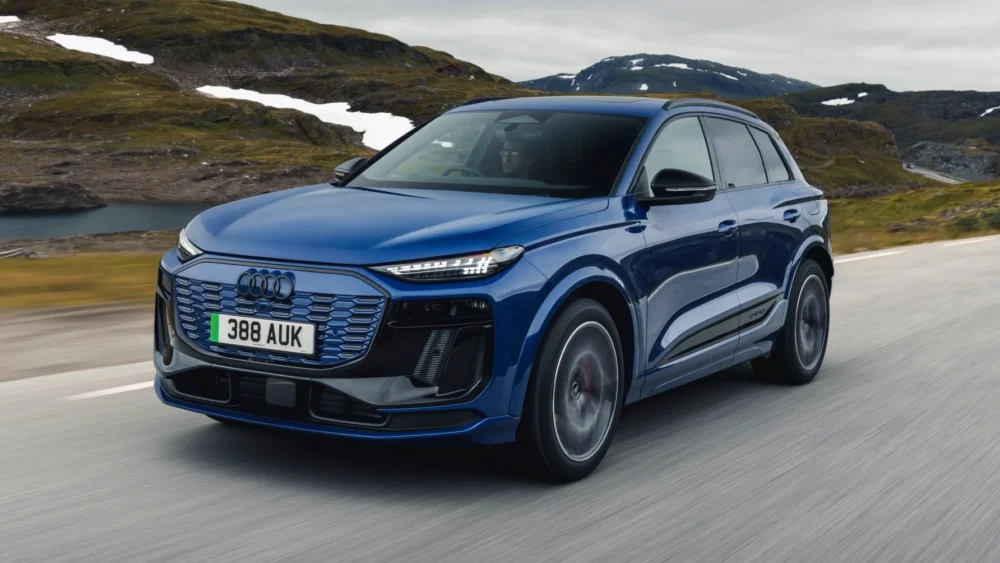
photo: topgear.com
More important? NACS standardization (Tesla port). By 2026, most brands will offer an adapter or native port, opening up access to the Supercharger network. And bidirectional charging (V2L/V2H), which lets you power your home or tools, plus OTA updates that improve range without a service visit.
ADAS, OTA and off-road: functional luxury
GM Super Cruise lets you take your hands off the wheel on highways (Level 2+), Mercedes Drive Pilot goes further, taking legal responsibility in traffic jams up to 60 km/h (Level 3). That’s the difference between “the system assists” and “the system drives.” In practice? Super Cruise works on 640,000 km of roads in the US, while Drive Pilot is currently available only in California and Nevada.
Off-road? Mercedes G-Class EV features G-Turn (on-the-spot rotation thanks to quad-motor), Rivian R1S offers air suspension with adaptive ground clearance. Efficiency is 3–4 miles/kWh (about 5–6 km/kWh), with batteries boasting a density of 300+ Wh/kg. You won’t beat diesel on the highway, but in the city, you’re almost maintenance-free.
Prices, segments, and the concept of value
The luxury BEV-SUV market in 2026 will range roughly from $50,000 to $150,000+, though the upper limit is practically open-ended. The Genesis GV60 is positioned closer to the lower end and offers a very real alternative for someone seeking quality without ostentatious extravagance. On the other hand, there’s the Maybach EQS SUV, which boldly stretches that upper bracket and targets clients who value prestige more than their electricity bill. The Volvo EX90 sits somewhere in the middle, focusing on family safety and Scandinavian aesthetics.
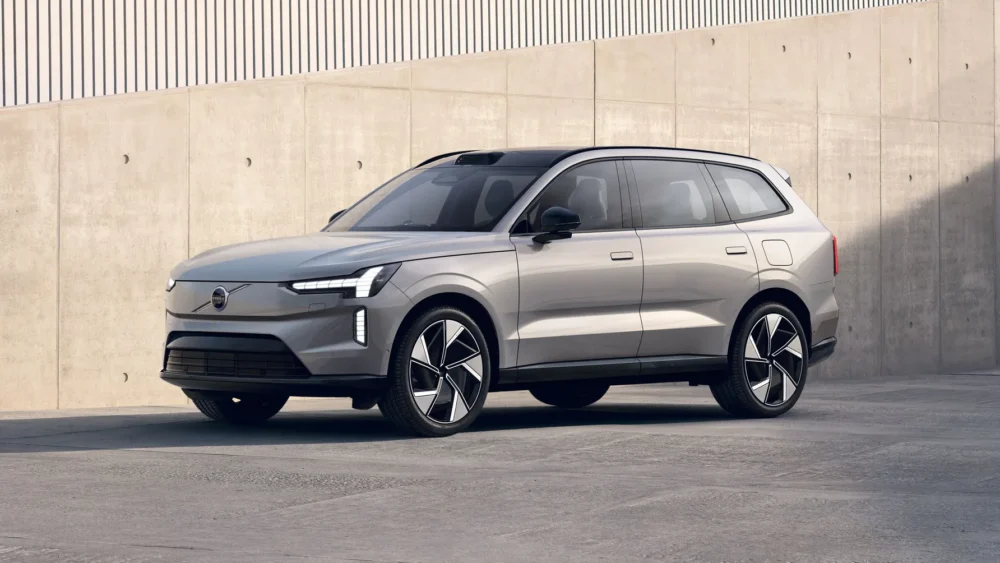
photo: topgear.com
Now, how do you interpret “value”? People think of the purchase price, but the real cost includes charging (usually cheaper than gasoline, but not always), depreciation (which can be brutal in the first three years), and access to infrastructure. NACS in the USA makes life easier, but Europe is still a patchwork of standards. OTA updates can add features after a year of use, which is cool, except sometimes they fix things that should have worked from the start.
Market data and risks 2026
EV share in the USA hovers around 12% in 2026, with luxury segments generating about 20-25% of premium SUV sales. Tesla Model Y and X together hold 59% of the EV market share in the USA (data from Q4 2025), so the dominance is still clear. Globally, e-SUVs will reach 286 billion dollars in 2026, with a projected CAGR of 12.4% to 727 billion by 2034.
But there are caveats. The real range is usually 70-80% of what the EPA shows. Lucid had early software bugs that annoyed owners. Ethics also raise questions: funding from Saudi PIF, cobalt from questionable sources. Market growth slows in 2026, so not every manufacturer will survive.
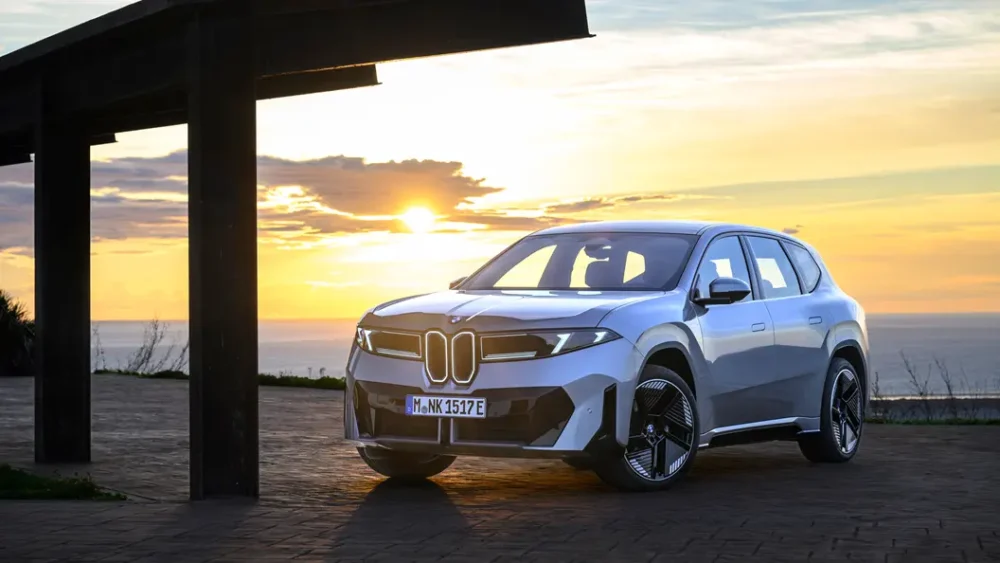
photo: carmagazine.co.uk
Between maturity and breakthrough
Now, after examining five models, it’s clear: EV battery technology in the premium segment in 2026 really delivers. Each of these SUVs has its own distinct personality—from the sporty aggression of Porsche, through the American flair of Cadillac, to the Scandinavian elegance of Volvo. The testing methodology I used here highlights something important: concrete data and transparent criteria help cut through marketing noise and reveal what you’re truly getting for your money.
The luxury market has always been a testing ground for innovations that later trickle down. With electric SUVs, we see the real benefits: uncompromised range, charging faster than a coffee break, and performance worthy of sports cars. These are no longer promises for tomorrow—they’re today’s reality.
photo: lexus.com
A conscious choice is a long-term choice. In the premium segment, you’re not buying a car for just three years—it’s an investment in comfort and technology that will truly serve you for the next decade.
Tom St





Leave a Comment