

Quiet luxury: what it is and why it’s taking the fashion and style world by storm
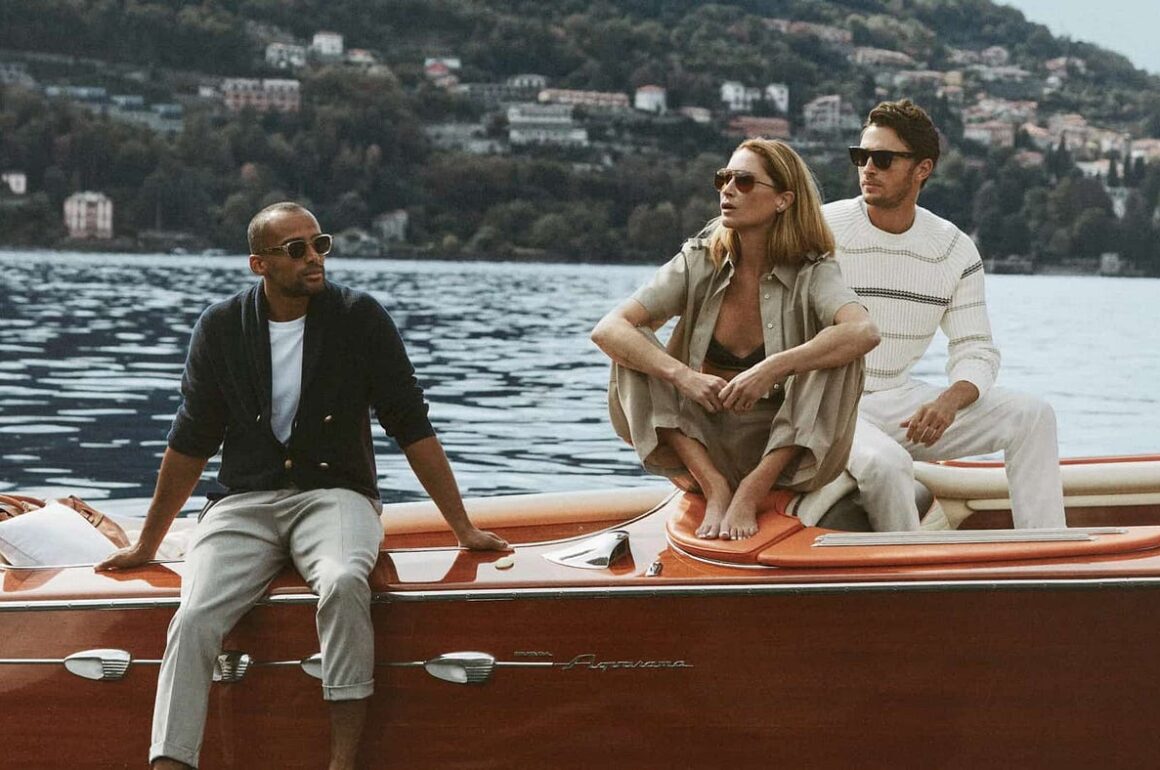
Quiet luxury is the new definition of elegance that doesn’t shout about itself on every corner. It’s as if someone finally realized that true class doesn’t need advertising.
The quiet luxury style is all about wearing expensive things that no one notices right away. A cashmere sweater with no logos. Shoes that cost a fortune but look… ordinary. It’s a bit like a secret code for those in the know.
Photo: lapatiala.com
A new definition of luxury: the rise of the quiet luxury trend
Why is this trend gaining popularity? Maybe because people are tired of all that ostentation. Social media has shown everything to the limit. Now, being discreet is in style.
The values behind quiet luxury are, above all, quality of materials and craftsmanship. Someone buys a coat they’ll wear for ten years, instead of five cheap jackets. It makes sense, doesn’t it?
It’s also interesting to observe how consumer mentality is changing. Younger generations no longer want to display their status through branded logos. They prefer to invest in things that are beautiful in themselves. This could mean that society is maturing when it comes to consumption.
Quiet luxury is a response to the visual overload of our times. In a world full of noise, whispers become the loudest.
Key features of quiet luxury
Quiet luxury is something completely different from those shiny handbags with big logos that you can spot from afar. People often think that luxury has to shout about itself, but the truth is quite the opposite.
The quiet luxury style is all about letting quality speak for itself. The materials are the finest available—cashmere, silk, top-grade leather. But there are no labels shouting, “look how much this costs.” It’s a bit like fine wine—a connoisseur will recognize it instantly, while the average person might just walk by without noticing.
Minimalism is key. Simple cuts, muted colors, no unnecessary accessories. Lesser-known luxury brands often specialize in exactly this approach. Their clients don’t want to show off—they want to feel special.
Discreet elegance means more than showing off. The top niche brands understand this perfectly. They create items that look ordinary, but their true value is revealed the moment you touch them. Expensive niche products often cost a fortune, yet no one will notice at first glance.
The difference between traditional luxury and quiet luxury? The former aims to impress others, while the latter is meant to please the wearer. Traditional luxury is a spectacle; quiet luxury is a personal pleasure. Sometimes I wonder if it’s simply a matter of age—younger people want to stand out, while older ones prefer comfort without the spotlight.
This approach transforms the entire philosophy of consumption. Instead of buying things that impress others, you choose those that bring joy in everyday use.
The history and evolution of the concept of quiet luxury
Quiet luxury isn’t a new trend, as it might seem. Its roots go back to times when true aristocracy didn’t need to show off.
In the 19th century, wealthy European nobility wore clothes made from the finest materials, but without flashy logos. Only insiders could recognize them. It was a kind of game—spotting quality without ostentation.
The breakthrough came after World War II. New wealth began to present itself differently than old money. Luxury brands discovered they could profit from logomania. For decades, this was the dominant trend.
The quiet luxury style made a comeback in the early 21st century, as people began to seek authenticity.
Social media changed everything. Paradoxically, the more people showcased themselves online, the more some began to crave true, understated luxury. Once again, what’s fashionable is what only a true connoisseur can recognize.
The 2008 financial crisis also played a significant role. Ostentatious spending became inappropriate. People with money started to feel ashamed of displaying their wealth.
Today, quiet luxury is a response to visual overload. In a world saturated with ads and logos, simplicity has become a luxury in itself. It’s fascinating how history comes full circle.
Younger generations are now discovering what their great-grandmothers instinctively knew – true elegance doesn’t shout.
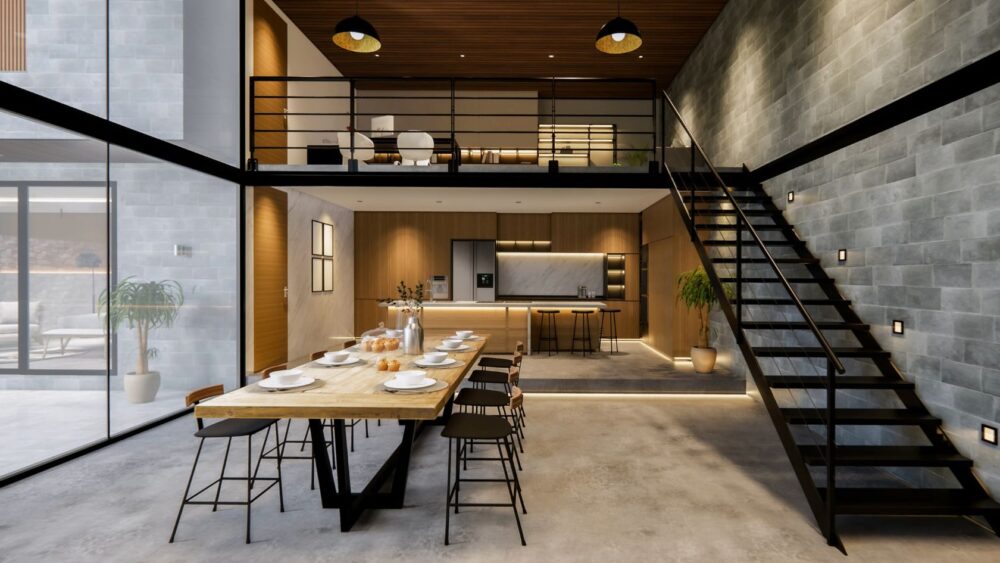
Photo: vibrandoors.co.uk
Quiet luxury in fashion: how to recognize this style?
I used to think that luxury always had to be visible from afar. Gold logos, shiny accessories, bold colors. But quiet luxury style is something entirely different.
This trend is all about expensive things not having to show off. People wear clothes that look ordinary but cost a fortune. It’s like an iceberg—most of the value is hidden beneath the surface.
Typical colors include beige, gray, cream, navy blue. Nothing flashy. The cuts are simple and classic. Often oversized, but always elegant. The materials make all the difference—cashmere sweaters, silk blouses, alpaca wool. You touch them and immediately feel the difference.
Lesser-known luxury brands like Brunello Cucinelli or Loro Piana are the epitome of this style. Someone might walk past a person wearing such a sweatshirt and think it’s just an ordinary sweater from a high street store. Meanwhile, it costs more than a month’s salary.
Leading niche brands often don’t even have visible logos. The Row, Lemaire, COS in a more expensive version. Niche jewelry is heading in the same direction—delicate gold, simple shapes. Nothing that draws attention.
An interesting thing about these niche, expensive products is that people buy them precisely because not everyone will recognize them. It’s like a secret code among insiders. They know, they see the quality, but they don’t flaunt it at every turn.
True quiet style is the art of spending money in a way that no one knows how much you’ve spent. It’s a paradox, but it works.
Quiet luxury vs. traditional luxury: a comparison of values
Does anyone else remember when luxury meant a big logo on your handbag? Now, more and more people are choosing a completely different approach.
The quiet luxury style is essentially the opposite of everything traditionally associated with wealth. Instead of flashy symbols, people look for items that are impeccably crafted yet invisible to the casual observer. It’s a bit like… well, like having the world’s finest cashmere, but no one would notice it at first glance.
Traditional luxury operated on the principle of display. The bigger the logo, the better. The more it sparkled, the more expensive it looked. People bought specific brands so that others would know they could afford them. It was a status game, very overt.
Quiet luxury is completely changing the rules of the game. Here, the focus is on the quality of materials, precision of craftsmanship, and sometimes even the brand’s heritage—but not necessarily its recognizability. Lesser-known luxury brands are gaining importance because they offer something exclusive without ostentation.
Values have shifted as well. In the past, people bought things to showcase their success. Now, they buy them for themselves—for the pleasure of owning something unique. It’s a more personal experience rather than a social statement.
Top niche brands are making the most of this trend. They cater to a select group that values discretion. Their clients would rather be underestimated than overestimated, if you will.
Consumption has become more thoughtful. People buy less, but better. Instead of ten average things, they choose one perfect item. It’s a mental shift—from quantity to quality, from display to satisfaction.
Why are more and more people choosing quiet luxury?
Quiet luxury is no coincidence—there’s a reason everyone’s suddenly talking about it. People are simply tired of showing off with big logos on their shirts or bags.
I used to think luxury was just those shiny ads from Chanel or Gucci. But now I see my friends buying unknown luxury brands that cost a fortune, yet no one can tell by looking at them. It’s a strange feeling—you’re wearing something worth three thousand, but it looks like it came from an ordinary store.
Economically speaking, young people simply can’t afford classic luxury. So they opt for the quiet style—they buy fewer things, but of better quality. One good jacket instead of five cheap ones. Makes sense, right?
Psychologically, it’s also an interesting phenomenon – people want to stand out, but they don’t want to shout about it.
Top niche brands are the answer to this need. Someone knows they have something unique, but only insiders will notice. It’s like a secret club for the wealthy, only more subtle.
Social media have played their part as well. Everyone is tired of constantly showing off. Influencers are starting to promote niche, expensive products instead of flashy brands. It’s a generational shift—my grandmother always used to say that true luxury is when you don’t have to talk about it.
Maybe it’s also a matter of social maturity. People have finally realized they don’t need to prove their worth through the labels on their clothes.
Quiet luxury beyond fashion: interiors, cars, and lifestyle
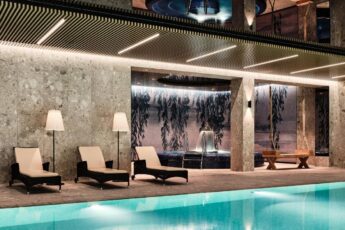
Quiet luxury is not just about expensive, logo-free clothing. It’s a mindset that shapes every choice you make in life.
This is most evident in interiors. Instead of gilded
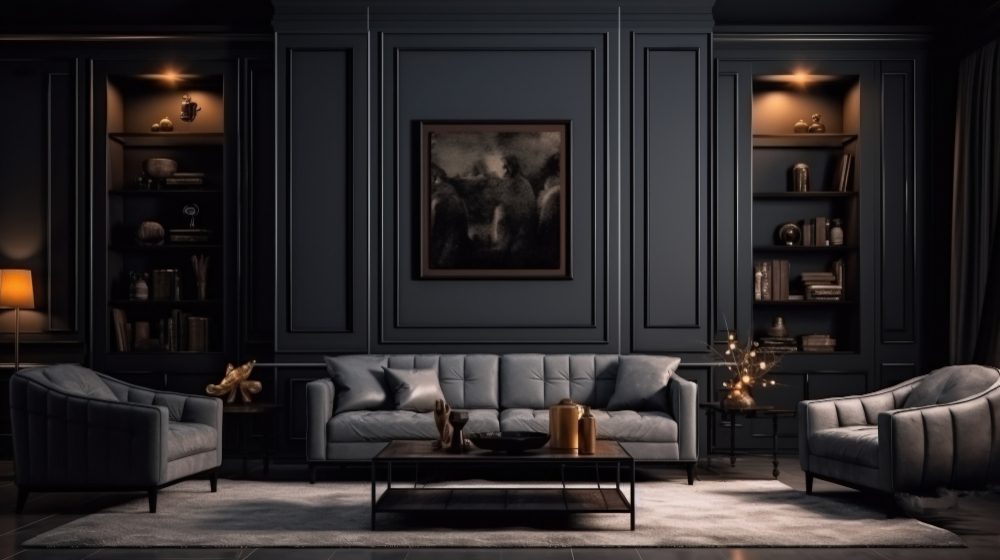
fot. freepik.com
This principle also applies to the automotive world. Luxury niche
Sometimes I wonder if it’s simply exhaustion from constantly putting ourselves on display. After all, social media has made everyone compete to show off their wealth.
Niche, expensive products work in a similar way. Perfumes from small ateliers instead of popular brands.
The quiet luxury style is also transforming everyday shopping. Someone chooses butter from a small dairy instead of a supermarket. Coffee from a boutique roastery. They spend more, but do so consciously and without fanfare.
This approach has its limitations—you need considerable knowledge to distinguish genuine quality from marketing. But for many people, it has become a way to escape consumerism based on appearances.
How to incorporate the principles of quiet luxury into your everyday life?
Quiet luxury is not just a fashion statement, but a mindset about the things that surround us. Some might think it’s just another Instagram trend, but actually… not quite.
The foundation of this style is investing in quality rather than logos. Instead of buying a T-shirt with a big brand name on it, it’s better to choose something made from high-quality cotton by a less well-known company. Luxury lies in the details that aren’t immediately visible.
When it comes to clothing, it’s worth choosing neutral colors—beige, gray, cream, navy. These shades never go out of style. Materials matter—cashmere, silk, high-quality wool. Lesser-known luxury brands often offer better quality than the big names.
When it comes to your surroundings, the principle is similar. Instead of filling your home with things, it’s better to have fewer, but better ones. One good vase is better than five cheap ones. Top niche brands in the interior design category may cost more, but they last for years.
Niche, high-end products in cosmetics also fit this philosophy. Instead of a cabinet full of creams, it’s better to have a few tried-and-true items. That’s what quiet style is all about—less noise, more substance.
The key is patience. You can’t change your entire lifestyle in a month. It’s better to start with one thing—maybe by going through your wardrobe or getting rid of half the trinkets on your shelf.
Photo: lapatiala.com
Subtlety as a New Power: The Future of Quiet Luxury
Quiet luxury is essentially a return to the roots. There was a time when you didn’t have to shout about having money. Now people are rediscovering that true prestige is about more than just a logo on a handbag.
This trend is changing the way we think about status. Instead of showing off wealth, people want to experience it. That means buying good things, but not necessarily recognizable ones. Quality over publicity.
The difference from traditional luxury is obvious. In the past, it was all about everyone knowing how much you spent. Now, what matters more is feeling good yourself. Calmly, without social pressure.
Motivations vary. Some people are simply tired of being judged by their possessions. Others have reached a point where they no longer feel the need to justify themselves to anyone. And for some, they’re just bored with the whole spectacle.
Practical applications of this approach can be found everywhere—from clothing to interior design.
In fashion, it means buying well-tailored pieces without big logos. At home, it’s about choosing natural materials over expensive gadgets. When it comes to travel, it’s picking peaceful destinations rather than places where you need to be seen.
The benefits are tangible. Less stress about maintaining an image. More money left for things that truly bring joy. And most importantly – you can be yourself.
Quiet luxury is not a passing trend. It’s a way of life that truly matters. Especially now, when everyone is tired of the constant race for attention. Sometimes, the best thing you can do is simply live well, without seeking the spotlight.




Leave a Comment