

Prestigious districts of London – where the heart of luxury beats
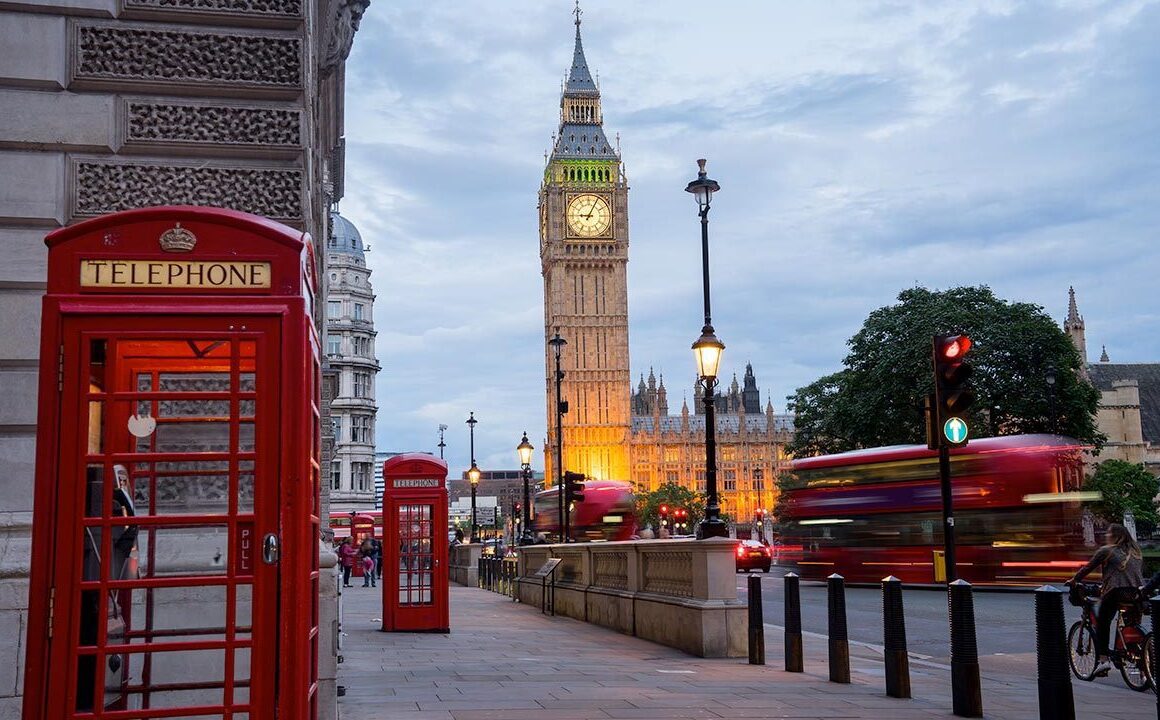
In London, all it takes is crossing from one street to another to find yourself in a completely different world. For example, walking from the elegant Mayfair to neighboring Tower Hamlets, you can clearly see the contrast between luxurious residences and more modest apartment buildings. This contrast highlights how closely different faces of the city coexist.
Prestigious London districts such as Mayfair, Kensington, and Chelsea have long attracted the attention of investors and residents seeking luxury. However, in recent years, especially after Brexit and the COVID-19 pandemic, their significance has shifted.
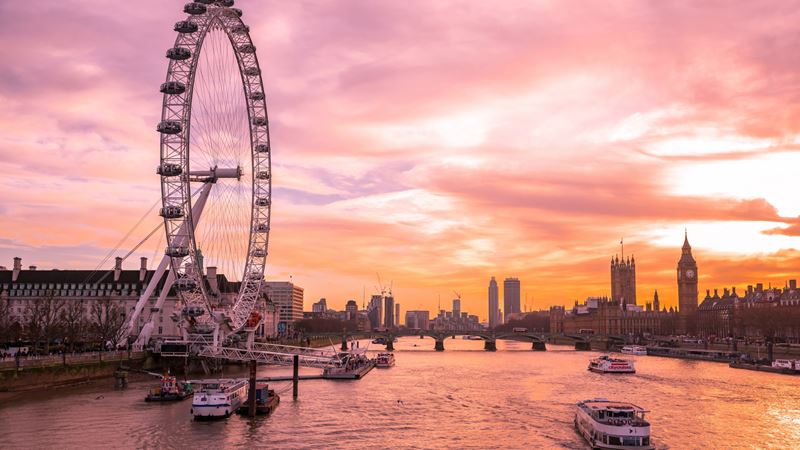
Prestigious districts of London
The introduction of new tax regulations, such as the abolition of non- dom status, has influenced foreign investors’ decisions regarding property purchases in these areas. Nevertheless, some families, like Poonawalla, continue to invest in Mayfair, which attests to the enduring prestige of this district.
The prestige of a district can be measured in various ways:
- History: Districts with a rich past, such as Mayfair, often enjoy enduring prestige.
- Property : High prices are often an indicator of exclusivity.
- Cultural institutions: The presence of museums, galleries, or theaters enhances the prestige of the area.
- Safety: Low crime rates attract affluent residents.
- Schools: Renowned educational institutions make the district more attractive to families.
- Transport connections: Good connectivity with the rest of the city is essential for prestige.
In the following sections, we will explore the contemporary map of London’s key districts, analyze the sources of their prestige, present up-to-date data and indicators, and discuss trends and future forecasts. Join us as we discover how these areas are shaping the face of luxury London.
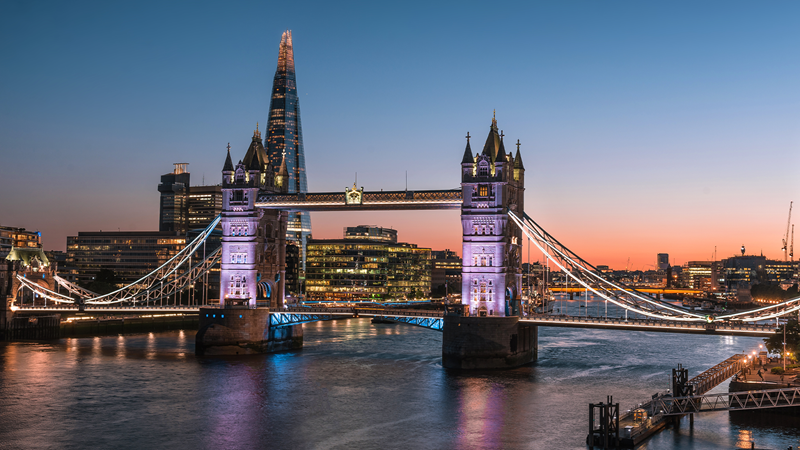
Where Prestige Lives Today: Key Districts and Their Profiles
London is a city with an incredibly diverse structure, where each district has its own unique character and history. The city’s prestigious areas reflect both traditional aristocracy and modern financial centers, creating a mosaic of luxury and elegance.
Mayfair, Belgravia and Knightsbridge: The Essence of the West End
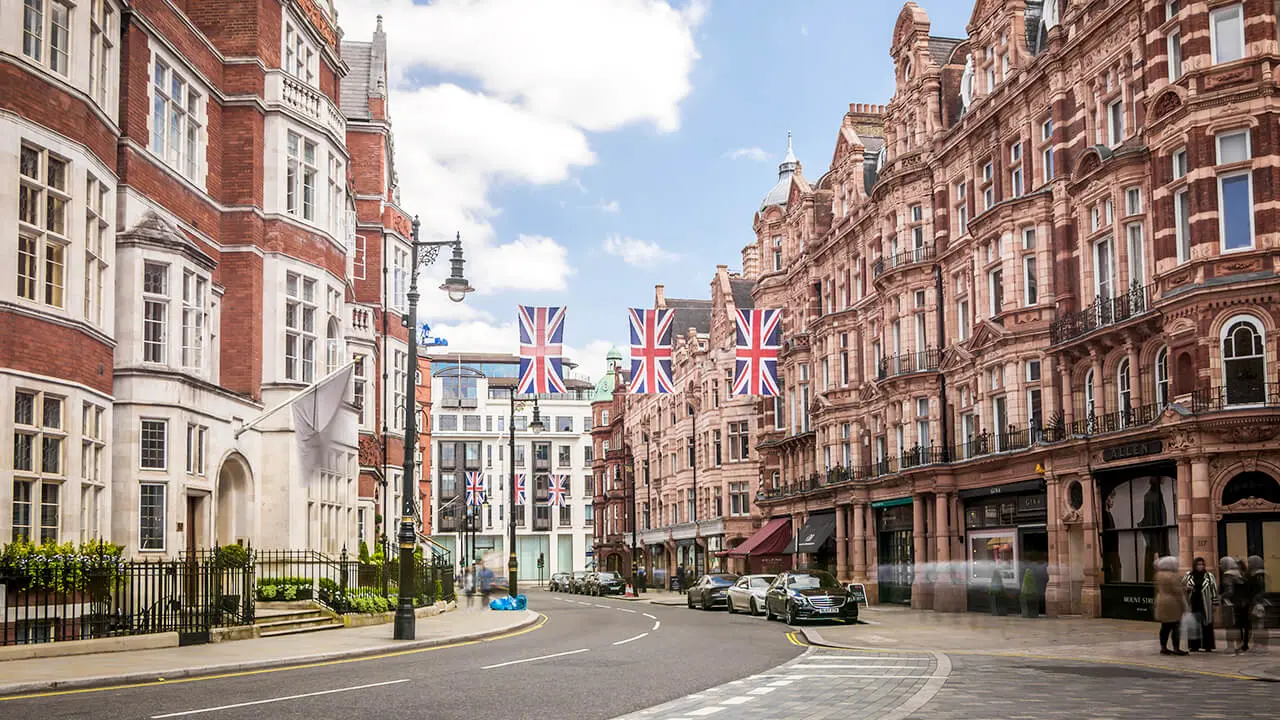
These three districts embody the essence of London luxury. Mayfair, with its elegant streets and exclusive boutiques, attracts the elite from around the globe. Belgravia, with its impressive white facades and tranquil squares, is a symbol of aristocratic elegance. Knightsbridge, known for the luxurious Harrods department store, offers both high-end shopping and exquisite dining. Landowners such as the Grosvenor Group have maintained the prestige of these areas for centuries, making them synonymous with luxury and sophistication.
Kensington and Chelsea, Holland Park, Notting Hill: A Blend of Royal Heritage and Multiculturalism
Kensington and Chelsea are districts where history intertwines with modernity. Museums such as the Victoria and Albert Museum attract art enthusiasts, while Holland Park offers peaceful green spaces in the heart of the city. Notting Hill, famous for its annual carnival, is a symbol of London’s multiculturalism and artistic spirit. Boutique shops, cafés, and galleries create a unique atmosphere, drawing in both locals and tourists.

Westminster and St. James’s: The Intertwining of Power and Monarchy
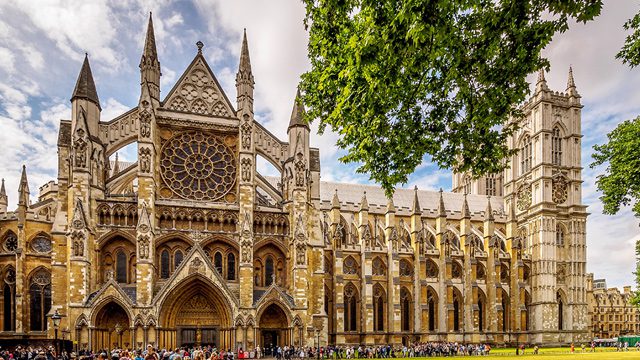
Westminster is the heart of British politics, home to icons such as the Palace of Westminster and Westminster Abbey. St. James’s, on the other hand, is where you’ll find Buckingham Palace and exclusive gentlemen’s clubs like The Reform Club. For centuries, these districts have been the center of power and monarchy, blending administrative functions with prestigious residences.
Hampstead and Richmond upon Thames: Green Enclaves of Prestige
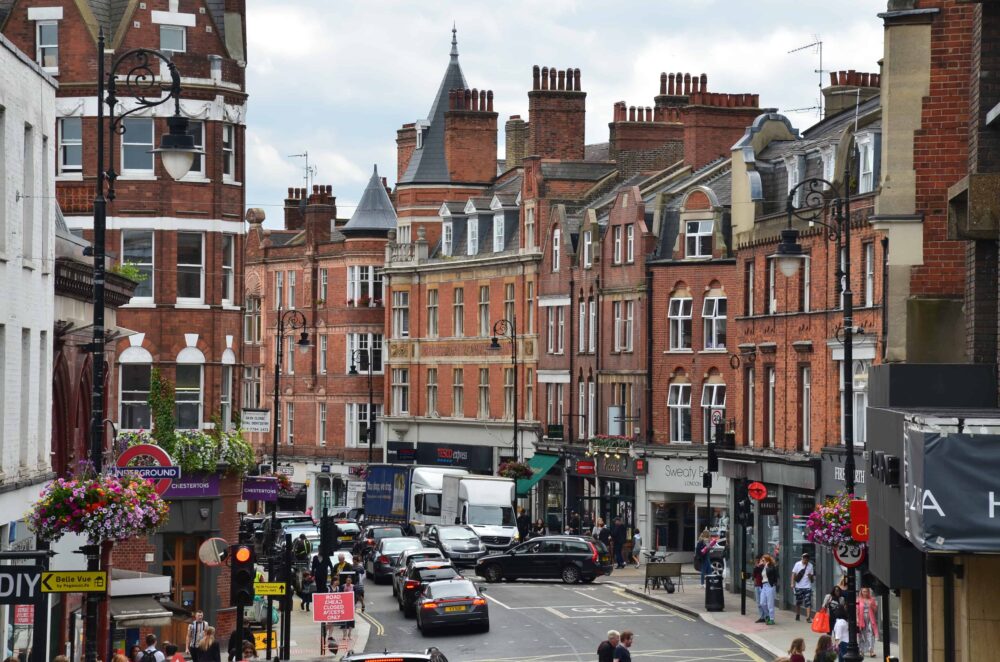
Hampstead, with its picturesque streets and artistic heritage, offers a peaceful lifestyle away from the hustle and bustle of the city center. Richmond upon Thames, with its expansive parks and views of the Thames, attracts those who value proximity to nature. Both neighborhoods are home to many artists and intellectuals, offering a unique blend of prestige and tranquility.
Canary Wharf: Contemporary Prestige of the Financial East
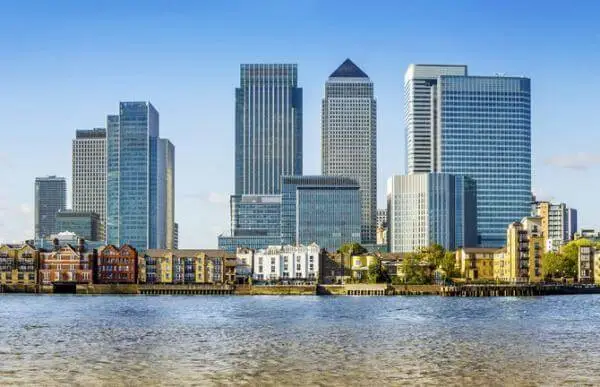
Canary Wharf is a symbol of modern London, with its impressive skyscrapers and headquarters of global financial corporations. As one of the world’s leading financial centers, it attracts professionals from all corners of the globe. In contrast to the aristocratic West End, Canary Wharf embodies contemporary prestige rooted in innovation and global business.
Each of these districts makes a unique contribution to the mosaic of London’s prestige, reflecting both its rich history and the dynamic growth of the modern city.
Where Does This Splendor Come From: The History and Evolution of Prestige
London, with its rich history and dynamic growth, is a city where prestigious neighborhoods have taken shape over the centuries. From Roman Londinium to the present day, the evolution of these areas reflects changing social, economic, and cultural needs. Understanding how today’s map of prestige was created requires a closer look at the key moments and mechanisms that have influenced the development of districts such as Mayfair, Belgravia, and Notting Hill.
From Londinium to the West End: The Origins of Prestige
The history of London’s prestigious districts dates back to Roman Londinium, which served as an administrative and commercial center. After the fall of the Roman Empire, during the Middle Ages, the area now known as the City of London became the heart of the city. However, it was the development of the West End in the 17th and 18th centuries that marked the beginning of exclusive residential neighborhoods. Aristocratic families, such as the Grosvenors, played a key role here, acquiring vast lands west of the City in 1677. Thanks to their initiative, elegant squares and streets were created, attracting wealthy residents.
The planned development of Mayfair and Belgravia
In the 18th and 19th centuries, London experienced rapid urban development. Mayfair, centered around Grosvenor Square, became synonymous with luxury. In 1720, the construction of wide, straight streets and elegant buildings began there, attracting aristocrats and wealthy merchants. Later, in the 1820s, Robert Grosvenor, the first Marquess of Westminster, initiated the development of Belgravia. Collaborating with architects Thomas Cundy and Thomas Cubitt, he created a cohesive district with distinctive squares and crescents in the Regency style. The proximity of the newly built Buckingham Palace further enhanced the prestige of this area.
Victorian expansions and postwar transformations
During the Victorian and Edwardian eras, London continued to expand. Districts such as Chelsea and Knightsbridge gained prominence thanks to new investments and the construction of luxurious residences. After World War II, many of these areas experienced demographic changes. Notting Hill, previously inhabited mainly by the working class, became a settlement area for immigrants, especially from the Caribbean. In the 1950s and 1960s, this district became a symbol of multiculturalism. However, from the 1980s onwards, the process of gentrification began, attracting wealthier residents and increasing property values.
The transformation of the docks and the birth of Canary Wharf
The 1980s and 1990s brought significant changes to London’s landscape. Abandoned and neglected docks along the Thames underwent revitalization. The most spectacular example is Canary Wharf, which has become a symbol of the city’s modernity and financial power. The skyscraper One Canada Square, completed in 1991, became an icon of this transformation. Thanks to investments in infrastructure and the attraction of global corporations, the area has gained a prestige comparable to traditional luxury districts.
Mechanisms shaping prestige
The evolution of London’s prestigious districts was shaped by several key mechanisms:
- Land ownership: Aristocratic families such as the Grosvenors owned vast estates, which they developed according to their own visions, creating cohesive and exclusive neighborhoods.
- Infrastructure: The construction of wide streets, squares, and parks enhanced the appeal of these areas, attracting affluent residents.
- Institutions: Proximity to the royal court, embassies, or prestigious shops and theaters increased the value of the location.
- Revitalization: Investments in neglected areas, such as docks, have transformed them into modern business and residential centers.
The history of London shows that the prestige of its neighborhoods is dynamic and constantly evolving. Decisions made centuries ago by aristocratic families, investments in infrastructure, and social processes such as gentrification have all shaped the luxury map we know today. Understanding these mechanisms allows us to better appreciate why some London addresses have enjoyed enduring prestige for centuries, while others have only recently gained significance.
Numbers that matter: prices, demographics, and prestige benchmarks
An analysis of London’s prestigious districts requires a close look at specific data on property prices, demographic indicators, and social inequalities. Below are key figures and comparisons that shed light on these aspects.
Comparison of property prices in selected districts
| District | Average property price (2024/2025) | Notes |
|---|---|---|
| Mayfair | 2,500,000 GBP | One of the most exclusive locations in London |
| Belgravia | 2,300,000 GBP | A prestigious district with numerous embassies and residences |
| Kensington and Chelsea | 2,000,000 GBP | Known for its luxury real estate and high standard of living |
| Canary Wharf | 750,000 GBP | A modern financial center dominated by apartments |
Sources: Land Registry, industry reports (2024-2025)
Health inequalities in the Royal Borough of Kensington and Chelsea
Within the Royal Borough of Kensington and Chelsea, there are significant disparities in life expectancy. Residents of northern areas such as Golborne and Dalgarno have an average life expectancy that is about 12 years shorter than those living in southern areas like Royal Hospital and Hans Town. These differences are linked to levels of affluence and access to healthcare services.
The role of the City of London and Canary Wharf in global finance
City of London and Canary Wharf play a pivotal role in the global financial sector. In 2022, London accounted for 38% of global foreign exchange turnover, underscoring its importance as a financial hub. The pound sterling remains the fourth most traded currency in the world, further strengthening London’s position on the international stage.
Demographics and Multiculturalism of Prestigious Districts
Prestigious London districts are known for their rich cultural diversity. For example, in the Royal Borough of Kensington and Chelsea, the proportion of residents born outside the UK is significant, highlighting the international character of this area. This multiculturalism contributes to the unique character and appeal of these neighborhoods.
An analysis of the above data provides a deeper understanding of the dynamics of London’s prestigious districts, taking into account both economic and social aspects.
What’s next for prestige: trends, risks, and scenarios through 2030
Amid dynamic socio-economic changes and evolving urban policies, the future of London’s prestigious districts by 2030 appears as a mosaic of challenges and opportunities. Key megatrends such as sustainable transport, the evolution of work models, and the globalization of capital will significantly impact the attractiveness and prestige of individual areas of the city.
Regulations and sustainable transport
The expansion of the Ultra Low Emission Zone (ULEZ) to cover all of Greater London in 2023 has had a significant impact on urban mobility. The introduction of stricter emission standards has forced owners of older vehicles to either replace them or limit their use, contributing to improved air quality. For prestigious districts such as Mayfair and Kensington, this means increased appeal for residents who value a clean environment. However, for areas with limited access to modern public transport, such as some parts of Richmond, this may pose a challenge in maintaining their prestige.
Hybrid work and demand for office space and luxury residential
The COVID-19 pandemic accelerated the adoption of the hybrid work model, which affected the demand for office space. In Canary Wharf, the traditional financial hub, there has been an increase in office vacancies. In response to these changes, developers have begun converting some office buildings into luxury apartments, aiming to attract new residents seeking prestigious locations with access to modern infrastructure. At the same time, districts with more green spaces, such as Hampstead and Richmond, have grown in popularity among remote workers looking for comfortable living conditions outside the crowded city center.
Globalization of capital
London has long attracted investors from Asia and the Middle East interested in premium real estate. In the face of global geopolitical tensions and changes in tax policy, such as the introduction of higher taxes on vacant properties, investors may start looking for new, more stable markets. Districts like the West End, traditionally seen as bastions of prestige, may experience a decline in interest, while areas offering more favorable investment conditions, such as some parts of East London, could gain in importance.
Scenarios for 2030
- Stable West End: The West End maintains its position as a hub of luxury, attracting both residents and investors by adapting to new trends such as sustainability and modern technologies.
- Diffusion of prestige to the outskirts: Peripheral districts such as Richmond and Hampstead are gaining prestige due to the growing demand for living space surrounded by nature, attracting affluent residents who work remotely.
- Financial East Recalibrated: Canary Wharf is undergoing a transformation, converting office spaces into residential and recreational areas, becoming a more diverse and attractive district for new groups of residents.
In light of these changes, it will be crucial to monitor trends and remain flexible in adapting to new market conditions in order to maintain or enhance the prestige of individual London districts.
From Map to Decision – How to Use Knowledge About Prestige
Understanding London’s prestigious districts is essential for making informed decisions about investments, choosing a place to live, or planning a luxury visit. Below, we present practical tips for investors, residents, and visitors to help you make the most of this knowledge.
Key criteria for evaluating a district for investors, residents, and visitors
For investors:
- Real estate market stability: Analyze historical data on prices and demand in the given neighborhood. For example, in recent years, the real estate market in central London has experienced price declines, which may present an investment opportunity.
- Growth potential: Assess planned infrastructure investments and neighborhood development that may impact property value appreciation.
- Market liquidity: Check how quickly properties in the area are being sold, as this indicates the investment appeal.
For the resident:
- Quality of life: Consider the availability of green spaces such as Hyde Park or Kensington Gardens, which offer opportunities for recreation and relaxation.
- Access to services: Make sure there are shops, restaurants, educational and medical facilities nearby.
- Local community: Explore the neighborhood’s atmosphere and the level of community engagement, as these can affect your quality of life.
For the guest:
- Tourist attractions: Choose districts with a rich cultural scene, such as museums, galleries, or theaters.
- Transport: Check the availability of public transportation and how easy it is to get around the city.
- Safety: Check crime statistics and the general sense of security in the area.
Combining “eternal prestige” with “dynamic prestige” – a decision matrix
Timeless prestige: Districts like West End are defined by enduring reputation, classic architecture, and a well-established position in the real estate market.
Dynamic prestige: Areas like Canary Wharf or green enclaves are undergoing rapid development, offering modern investments and increasing appeal.
Remember: Informed decisions based on reliable data and thorough analysis will help you make the most of the potential of London’s prestigious districts, whether you’re an investor, resident, or visitor.
Koni Misza
luxury blog editor





Leave a Comment