

New Louis Vuitton skyscraper – an icon of luxury in the era of sustainability
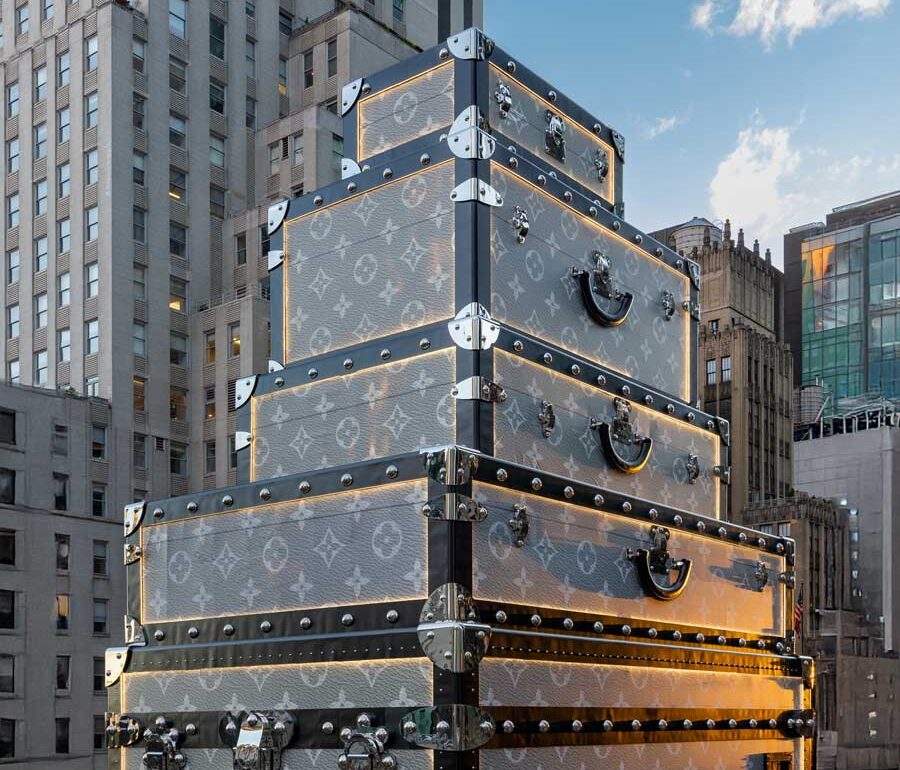
You know what, sometimes I think we’re living in crazy times. Louis Vuitton—the brand I used to associate mainly with handbags—is now part of the LVMH empire worth over 380 billion euros. That’s more than the entire GDP of Poland, in case anyone’s wondering.
But what am I actually talking about? A few months ago, something popped up on my X that totally caught me off guard. A post about a mysterious project in Shanghai:
The Louis rises in Shanghai – luxury redefined in vertical form. Coming 2025.
This tweet has been viewed by over 150,000 people. I clicked on it too, of course. And that’s how I found out about the plans to build something the media are already calling the “New Louis Vuitton skyscraper.”
New Louis Vuitton skyscraper – luxury, or nothing at all – it’s that simple!
The year 2025 will mark a breakthrough moment for luxury in architecture. It’s not just about another tall building—it’s about the way premium brands are starting to rethink space. I see it in other projects too. Hermes, Cartier—they all suddenly want to create not just stores, but entire complexes.
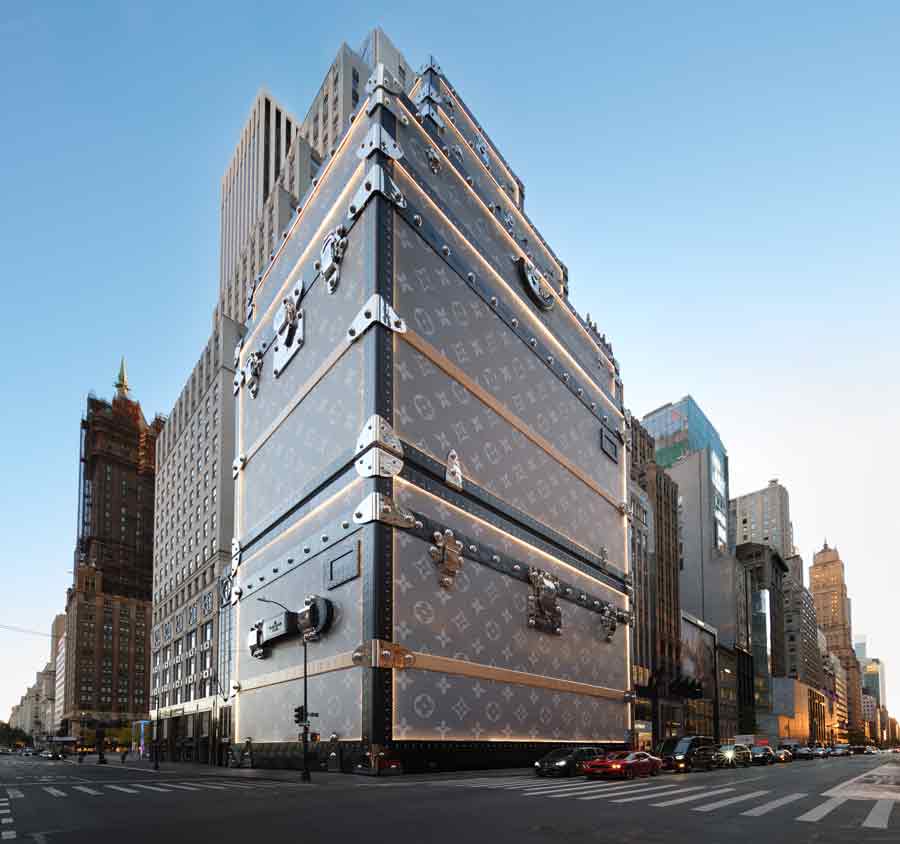
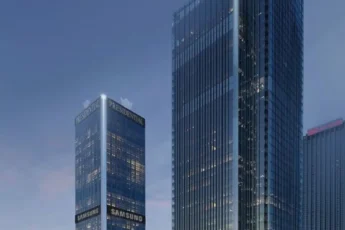
photo: privatenewport.com
Why now? Most likely because Asia has become the biggest market for luxury. And China… well, everything there is built bigger and more spectacular.
In this article, I’ll explore three key aspects of this story:
• The origins of the project—where the idea for the Louis Vuitton skyscraper came from
• The architecture—what this building will look like and what sets it apart
• The impact on the market—will this change the way we perceive luxury in urban spaces
Sometimes I wonder if, twenty years from now, we’ll be walking through cities filled with skyscrapers from different brands. Will each one have its own signature building, just as today they have their flagship stores?
From Trunk to Skyscraper – The Origins of a Bold Vision
I’ve been wondering lately how Louis Vuitton came up with the idea of building a skyscraper. After all, it all started with a small workshop making trunks.
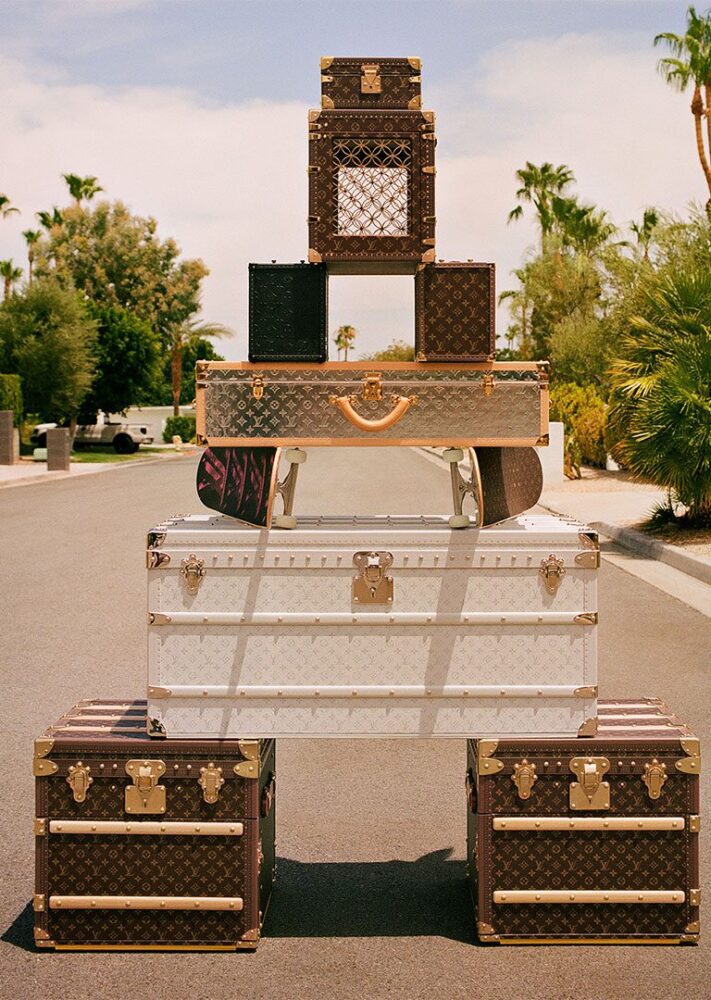
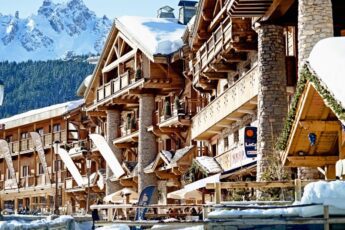
photo: vitkac.com
When I look through the brand’s history, I see a clear line of architectural development:
– 1854 – Georges-Louis Vuitton opens the first workshop on rue Neuve des Capucines in Paris
– 1900 – The first true flagship store on Place Vendôme
– 1987 – Grand opening in Tokyo, revealing the potential of Asian markets
– 2014 – Spectacular boutique on New Bond Street in London with moving panels
– 2021 – Ginza Namiki in Tokyo as a “living work of art”
– 2025 – Planned completion of the brand’s first skyscraper
What strikes me in this chronology is the gradual shift from simple functionality to true works of architecture. The Ginza store from 2021 was no longer just a retail outlet. It was an art installation that changed throughout the day.
I think the key to understanding this evolution lies in those flagship stores from recent years. Each one tested a new concept of space. New Bond Street explored how customers respond to dynamic architecture. Ginza went even further—the building itself became the product.
You also can’t forget the role of brand ambassadors in this process. I remember Emma Stone posing in front of the London store, and those photos went around the world. It was similar with Ginza—every celebrity who appeared there automatically promoted not just the handbags, but the entire architectural vision.
photo: us.louisvuitton.com
It’s pretty clever, because today people photograph not just the products, but the store interiors themselves. Instagram has changed the way brands think about space.
In fact, this skyscraper is a logical consequence of what Louis Vuitton has been experimenting with in recent years. First, small experiments with moving elements, then entire “living” facades. Now it’s time for something bigger.
It’ll be interesting to see how all these experiences translate into the actual architectural design of the whole building.
Architecture, sustainability, and technology at new heights
I’ve seen a few OMA projects in Asia before, but what Shohei Shigematsu designed for “The Louis” in Shanghai is truly something new. Looking at the renderings, you immediately notice those distinctive shifts between the floors—as if someone stacked boxes in an irregular pile. It’s no accident; it’s a deliberate play with the traditional skyscraper form.
| Project | Key feature | Relevance for the skyscraper |
|---|---|---|
| Ginza (2021) | LEED Silver, façade made of local stone | Environmental certification standard |
| Vendôme Paris | 100% recycled metal, FSC wood | Material model for height |
| “The Louis” Shanghai | OMA geometry + sustainable materials | Synthesis of form and ecology |
I think the most fascinating aspect of this project is scaling up solutions from Ginza to an entirely different level. There, we had 12 floors; here, we’re talking about a true skyscraper. The 2021 LEED Silver certification proved that luxury can go hand in hand with environmental responsibility. In Shanghai, they want to take it even further.
Materials are a whole story in themselves. I remember when they introduced that fully recycled metal system in Vendôme—it sounded bold, but it worked. Now, a similar idea is set to be implemented across 40–50 floors. FSC-certified wood in a building this tall? That’s going to be a test for the entire industry. I have to admit, I’m curious how they’ll address fire safety and structural challenges.
The digital layer of the entire project seems just as ambitious as the architecture itself. An augmented reality app is supposed to guide visitors through every level. Each floor features different technology, a new kind of interaction. I’ve heard they’re planning something like “phygital floors”—spaces where physical products merge with digital experiences. It sounds futuristic, but after what I saw in Tokyo, I know this is no longer science fiction.
Apparently, the climate control systems will be hidden in those shifts between floors. Clever solution—combining aesthetics with functionality. Although I do wonder how this will affect operating costs…
This tower could change the way we think about luxury properties in city centers. We’ll see if theory translates into practice.
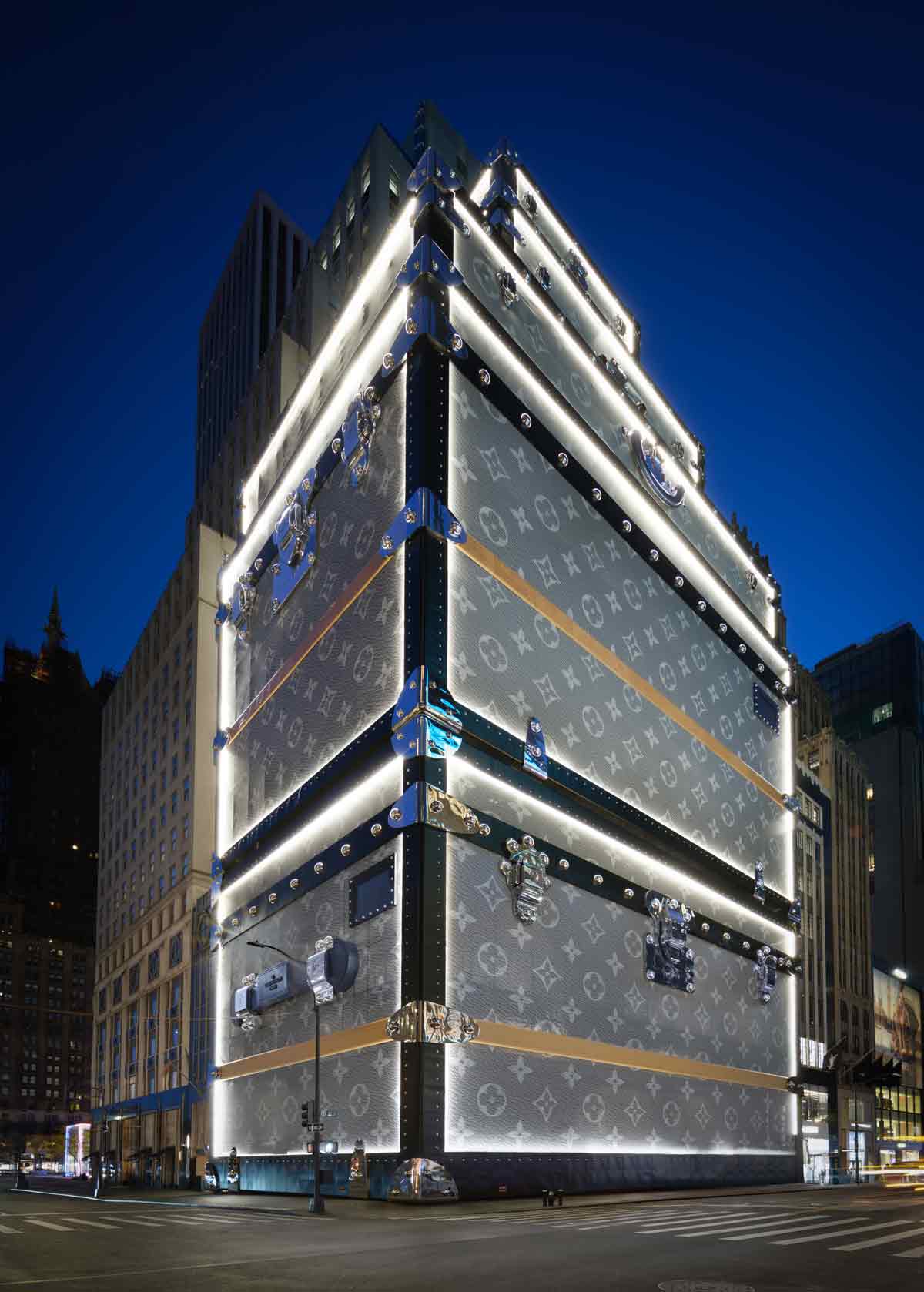
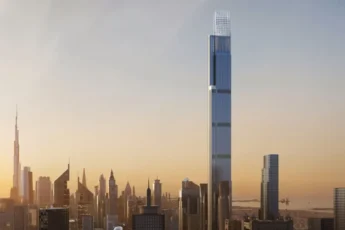
photo: privatenewport.com
Why this project will transform the premium market
You know what I find interesting? Everyone keeps talking about what this tower will look like, but no one asks about what really matters—the money. I look at this from a business perspective and see a completely different picture.
LVMH closed 2024 with a revenue of €84.7 billion. Number of premium boutiques: 460. Average sales growth after opening a flagship store: 23%. Social media engagement for architectural projects: an average of 28,046 likes in the first week.
It’s no coincidence that Bernard Arnault pours millions into these kinds of projects. Every spectacular building acts like a magnet—not just for customers, but also for social media. People take photos, tag their friends, and that translates directly into sales.
I remember when they opened that boutique in Ginza. The mobile app saw a 340% increase in downloads in the first month. Online sales in the region jumped by 28%. That’s not magic—it’s just a well-executed strategy.
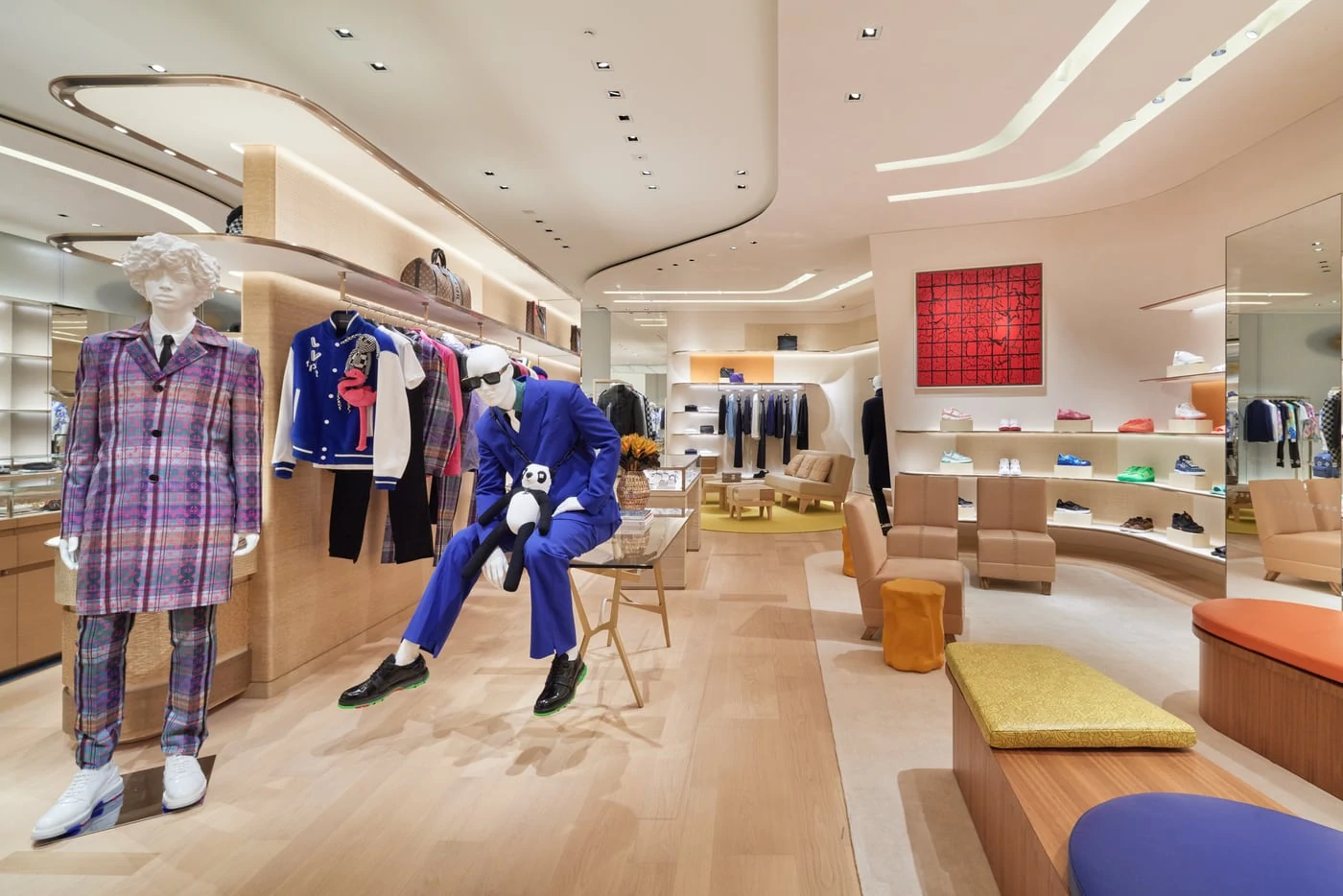
photo: adfwebmagazine.jp
Of course, there are risks. People are increasingly complaining about the exclusivity of luxury brands. And then there are all those greenwashing accusations when you build something this expensive. But on the other hand, there are huge opportunities—the Asia-Pacific market is booming, and combining physical stores with digital technology is the future of retail.
In my opinion, this project isn’t a billionaire’s whim. It’s a calculated move. Every euro invested in spectacular architecture comes back double through increased sales and brand recognition. Louis Vuitton isn’t building a tower—it’s building a money-making machine.
And how will all this impact the entire luxury industry in the coming years? That’s another story.
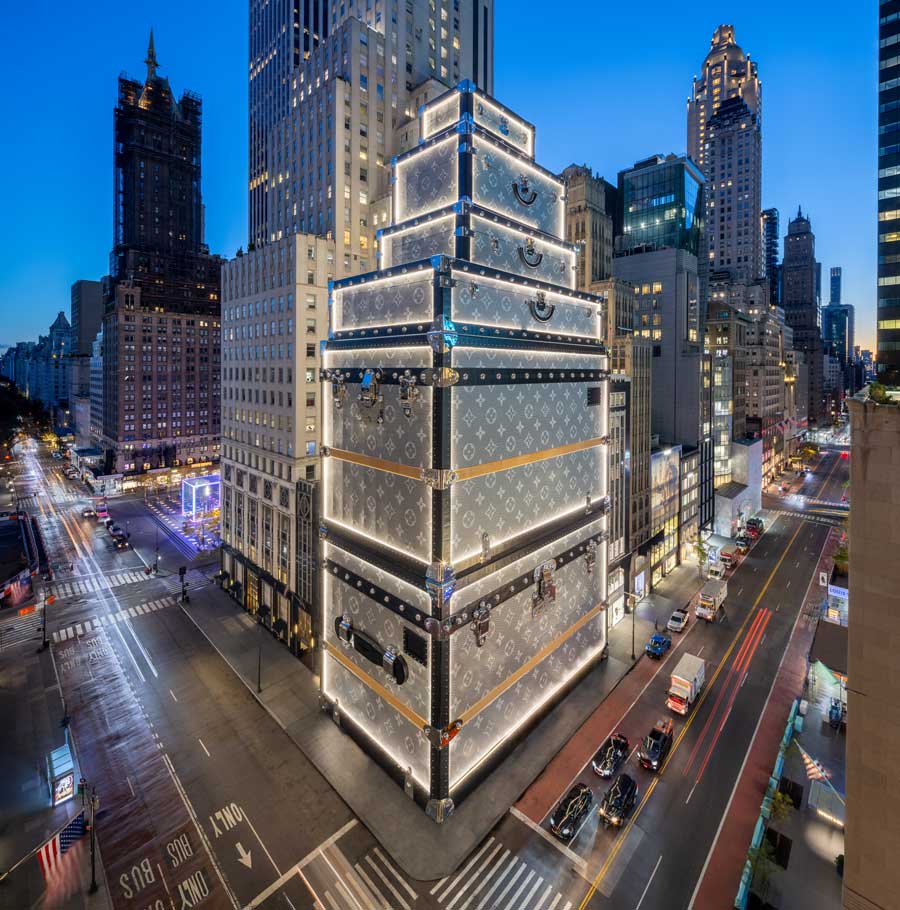
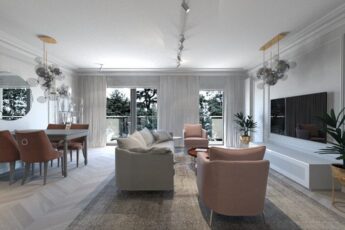
photo: privatenewport.com
Where will the next step lead – scenarios for the 2030s and beyond
I sometimes wonder if all these market analyses make any sense at all when I look at what’s happening with luxury skyscrapers. But honestly, I think we’re on the verge of a breakthrough.
What I see in these trends isn’t just more buildings with expensive materials. The value of brands associated with luxury architecture could exceed $30 billion by 2030—and that’s mainly thanks to innovation, not just raising prices. Bio-materials are becoming the norm, not a whim. Mixed-reality shopping sounds futuristic, but they’re already testing it in Singapore. And the ASEAN region? That’s where a real revolution in this segment is happening.
The luxury of the future won’t be about ostentation, but about harmony with the environment and technology.
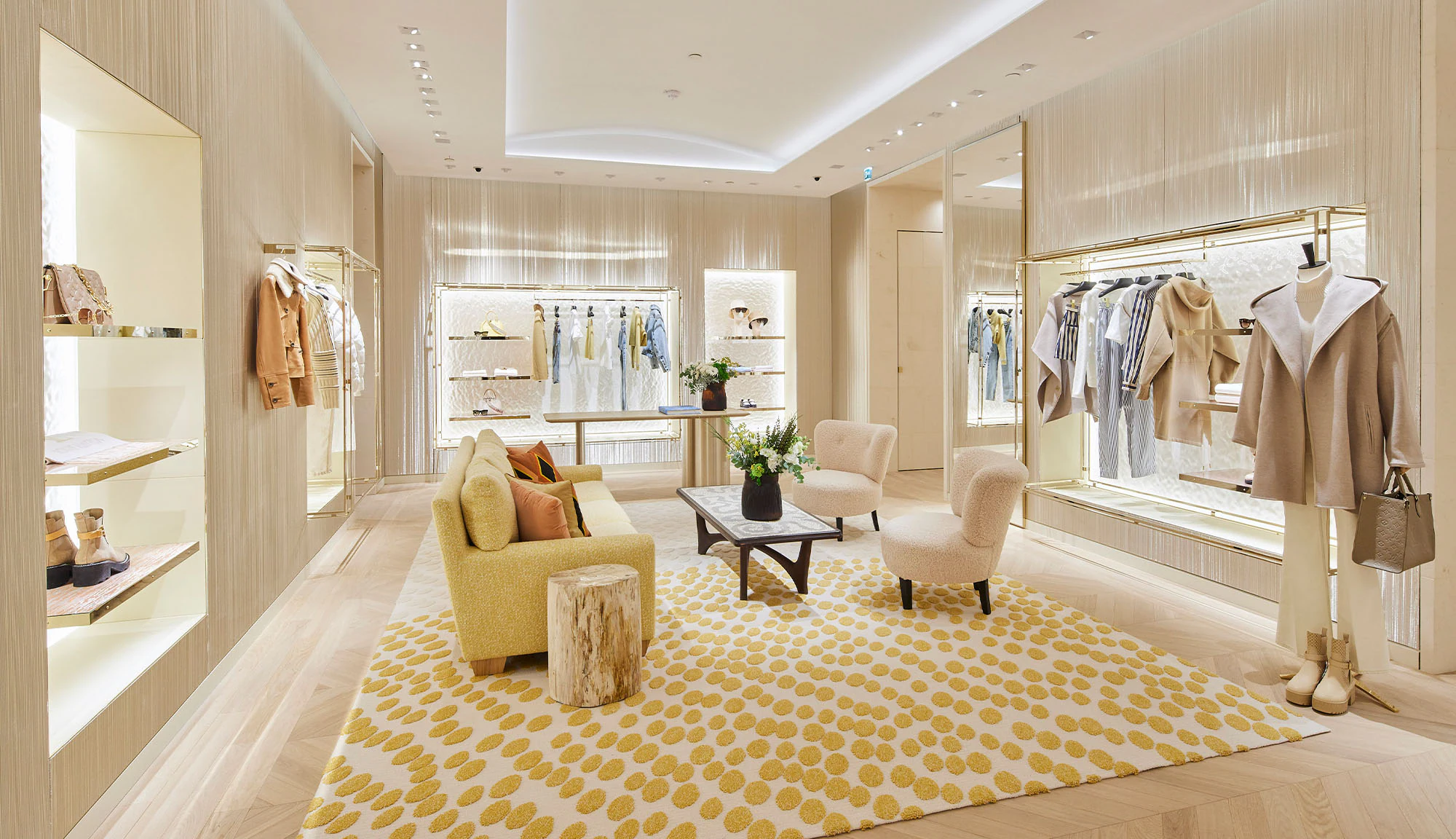
photo: eu.louisvuitton.com
I imagine a scenario in 2032. You’re standing in an apartment on the 60th floor in Kuala Lumpur. The walls, made of biocomposite, absorb CO2. The windows adjust their transparency to your mood. The balcony has its own microclimate. This isn’t science fiction—the first prototypes are already being built.
Maybe it sounds naive, but I believe these buildings will change the way we think about city living.
Mark
lifestyle & business
Luxury Blog


Leave a Comment