

Moflin – an AI robot that “feels”
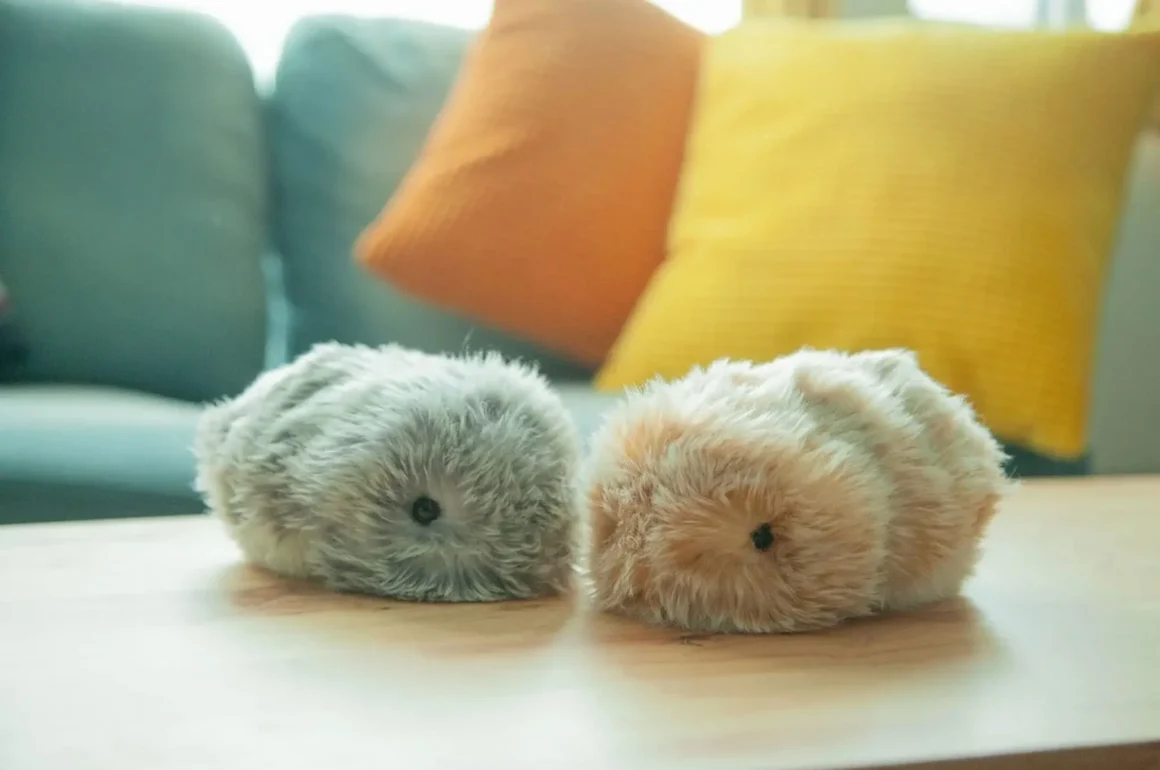
I wonder if you’ve ever dreamed of a pet that will never get sick, won’t need walks at 6 a.m., and will truly bond with you. It sounds like science fiction, but it’s just hitting store shelves.
Moflin is what I call an “AI pet”—a fluffy robot about the size of a guinea pig that responds to touch, recognizes its owner’s voice, and supposedly develops its own personality. It doesn’t walk, run, or perform any tricks. It simply… exists. And that’s supposed to be its greatest strength.
Moflin – AI robot
Why am I suddenly hearing about it everywhere? First, the Japanese have just started buying it en masse after its official launch. Second, this isn’t just another Furby or Tamagotchi—this isn’t about play or taking care of a virtual creature, but about building a real emotional bond. The “emotional AI” trend is gaining momentum because people are feeling increasingly lonely. And honestly, sometimes I feel that after a tough day, I’d rather hug something warm that doesn’t expect anything from me in return.

The promise sounds tempting: reducing loneliness without any obligations. No feeding, no vet visits, no ruined
Next, I’ll take a closer look at how Moflin really works on the inside—what sensors it has built in, how it learns to recognize its owner, and whether it can actually develop something resembling a personality. Then, I’ll consider who this gadget makes sense for, and for whom it’s just an expensive toy.
How it works – emotional AI, sensors, and Moflin’s behaviors
Moflin isn’t just an ordinary toy with microprocessors—it’s essentially a tiny learning computer that tries to simulate life. I’ve wondered myself how something like that could even work in such a small plush form.

All the magic starts with the sensors. Moflin is equipped with touch sensors that respond to pressure, microphones that pick up voices and ambient sounds, an IMU that measures movement, and light sensors. All these stimuli are sent to the emotional AI system, which analyzes them and translates them into the robot’s internal states. It’s actually fascinating—touching its belly can trigger a different reaction than touching its back.
The expression of moods is a true showcase of technology. Moflin can vibrate and make purring-like murmurs, has a repertoire of over 50 different sounds, and can snuggle or squirm in your hands. What impresses me most is the simulation of breathing and heartbeat—it really creates a convincing impression of a living creature.
Personalization occurs through long-term interaction—the system reportedly offers over 4 million combinations of personality traits.

The learning process takes about 50 days, during which time Moflin adapts to the frequency of petting, the owner’s tone of voice, and daily routines. The more interactions, the more personalized the behaviors become. This isn’t artificial intelligence like ChatGPT—it’s more of an advanced reactive system.
The connectivity aspect has been designed with privacy in mind. Moflin connects only via Bluetooth to a dedicated app; the lack of Wi-Fi is a deliberate choice. The cradle serves as both a charging station and a “nest” for the robot.
Basic specifications: charging time 2-3 hours, Bluetooth 5.0 connectivity, over 50 sound options, personalization period approximately 50 days, no locomotion capability.
The limitations are quite significant. Moflin doesn’t walk—it’s a stationary robot designed for cuddling. The battery needs to be recharged regularly. The worst part? If you leave it without interaction for a longer period, it may partially reset its learned behaviors. It’s a bit like a real pet—it needs attention.
I wonder who will actually choose such a companion and whether this technology can truly replace natural bonds.
For whom and why – applications, benefits, and concerns
Mrs. Krystyna from Kraków bought a robotic cat for her 78-year-old mother. At first, I thought it was a bit strange—surely a real cat would be better. But after a month, I noticed the difference. Her mother stopped calling so often at night because she had someone to pet.

Casio survey data reveals an interesting distribution of users:
- Adults 50+ account for over 60% of owners – mainly seniors in care homes and singles living in cities
- About 20% are – parents buy them robots as their first “pet”
- The remaining 20% are the general public – busy professionals, people with allergies, business travelers
In everyday life, the benefits are highly practical. There’s no need to feed, walk, or clean a litter box. People with allergies can finally have a ” pet ” without sneezing. And seniors gain companionship that responds to touch and gives them a sense of being needed.
Applications go in various directions. At home, they are a regular companion in daily activities. In therapeutic centers—much like the Japanese Paro—they help reduce stress and improve patients’ mood. Families use them to teach children responsibility when they are not yet ready for a live pet.
But let’s be honest—there are also concerns. Pew Research studies and a Brookings Institute report warn against becoming overly dependent on artificial relationships. MIT and Oxford have published papers on how robots can replace genuine human connections. There’s also the issue of privacy—sensors collect data about our habits and behaviors.
Responsible usage guidelines are essential: treat the robot as a supplement, not a replacement for real relationships; regularly check what data the device collects; remember to maintain contact with real people and animals.
Is this the future or just fashion? Probably a bit of both. But for Mrs. Krystyna, the robot cat has become an important part of her day. And maybe that’s enough.
How to buy and what’s next – price, availability, and future directions
Buying a Moflin isn’t like ordering something from Allegro. You need to be prepared for a few complications.
The basic steps are to check availability in your region, place an order through official channels, and wait patiently.
The price is around $400, which is roughly 60,000 yen. The set includes just the robot and a charging cradle. That may sound affordable for such an advanced toy, but be aware—there are waiting lists in Japan. You can’t buy it and get it right away.
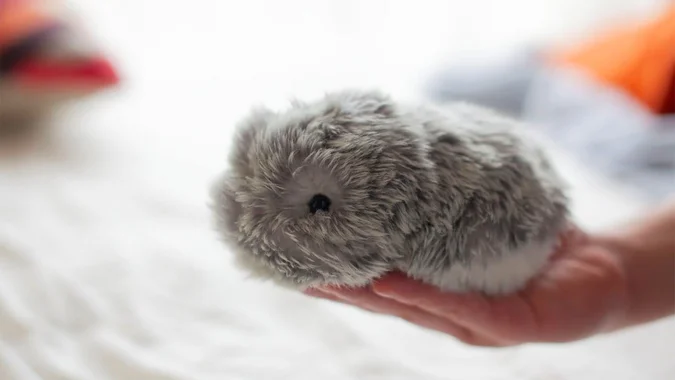
The main sales channel is the Casio online store and selected retailers in Japan. Expansion into the US and EU markets is planned, and apparently Amazon is expected to join in sometime in 2025. For now, you either have to figure out how to import it or wait.
When it comes to product development, Casio promises software updates. Voice interaction will be improved, and more personalization options will be available. They’re also announcing an app to preview Moflin’s “mood”—it sounds like a gimmick, but it could be useful. They’re also planning different color variants and limited editions.
Important things before buying – check the warranty and service support in your region. Exchange rate differences and VAT may increase the price. On the other hand, the lack of Wi-Fi in Moflin is a plus for privacy – your data won’t leak.
Trends for 2025-2030 suggest that Moflin may gain mobility. There is also talk of integrations with multimodal AI and a broader application ecosystem. However, for now, these are just speculations.
Honestly, I’m wondering myself if I shouldn’t wait a year or two. The first version always has its issues, and the price might drop once production ramps up.
Do something good with it – decision, implementation, and looking to the future
You already know everything about Moflin, but now it’s time for the most important question—does it actually make sense for you? I won’t beat around the bush. This isn’t a toy or a magical fix for all your problems. It’s a tool that can help, but only if you approach it thoughtfully.
Before you make a decision, honestly check a few things. First—what do you really need? If you’re looking for a companion for everyday moments, Moflin might be a good fit. If you’re hoping for substitute therapy, it’s better to consult a professional. Second—can your budget handle it? Not just the purchase, but also long-term use. And one more thing—remember, this is a robot without legs. It won’t run around the house like a dog.
The first few weeks will be crucial. I’d set aside about 30-40 days to get used to this creature. Touch it regularly, respond to its “behaviors,” and give it time to develop that famous “personality.” Also important—pair it with your phone right away, but I’m glad it doesn’t require a constant internet connection. Fewer complications.
In caring for elderly people, Moflin can be helpful, but a caregiver needs to supervise its use. Don’t leave your grandmother alone with the robot for days on end and don’t expect miracles. It’s a good idea to keep a simple journal—note how she reacts, whether her mood improves, and if there’s any frustration. Sometimes all you need is a piece of paper and a pen.
What’s next? The next two years will show which direction the entire companion robot market will take. Software updates, new accessories, maybe some apps. Don’t jump at every upgrade—first check if it actually brings something new.
Honestly, Moflin is just the beginning of something bigger. If you decide to take this step, do it consciously. Pay attention to yourself and your loved ones. You might find that a simple conversation over coffee is sometimes more important than the most advanced robot.
Maciej
Lifestyle – Luxury Blog






Leave a Comment