

Marq Omotesando One – a record-breaking development reshaping the Tokyo market
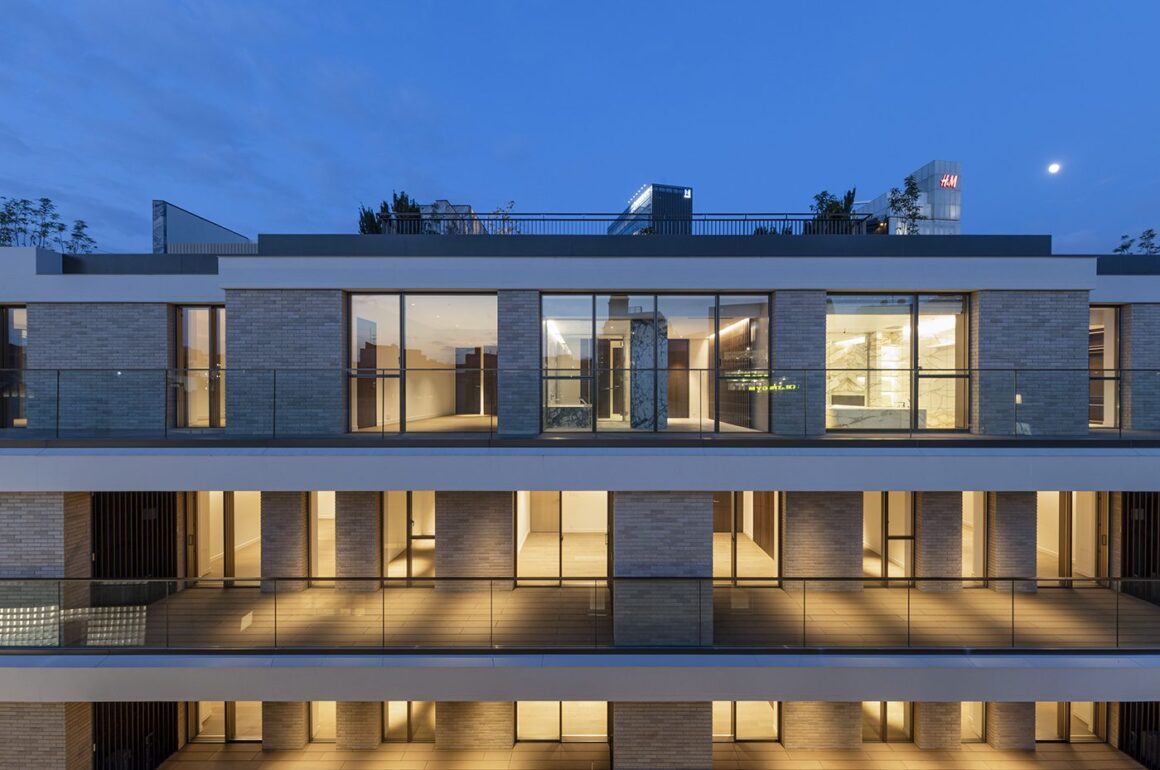
9.5 billion yen for a single apartment. It sounds like a typo in a news article, but it really happened—and in one of Tokyo’s most sophisticated neighborhoods. The penthouse at the Marq Omotesando One complex has just made history as the most expensive residential transaction ever recorded in Japan. We’re not talking about “just an expensive apartment.” This is an absolute record, one that prompted Bloomberg and other global media to dedicate hundreds of articles to the event.
Omotesando is to Tokyo what the atmosphere of Warsaw’s Mokotów is to Paris’s Champs-Élysées—except here, elegance is quieter, more refined. Right next to Harajuku, surrounded by high-fashion boutiques and galleries, this district has long attracted people with money and discerning taste. The sale of this penthouse has become a symbol of something bigger —a boom in ultra-luxury real estate across Asia.
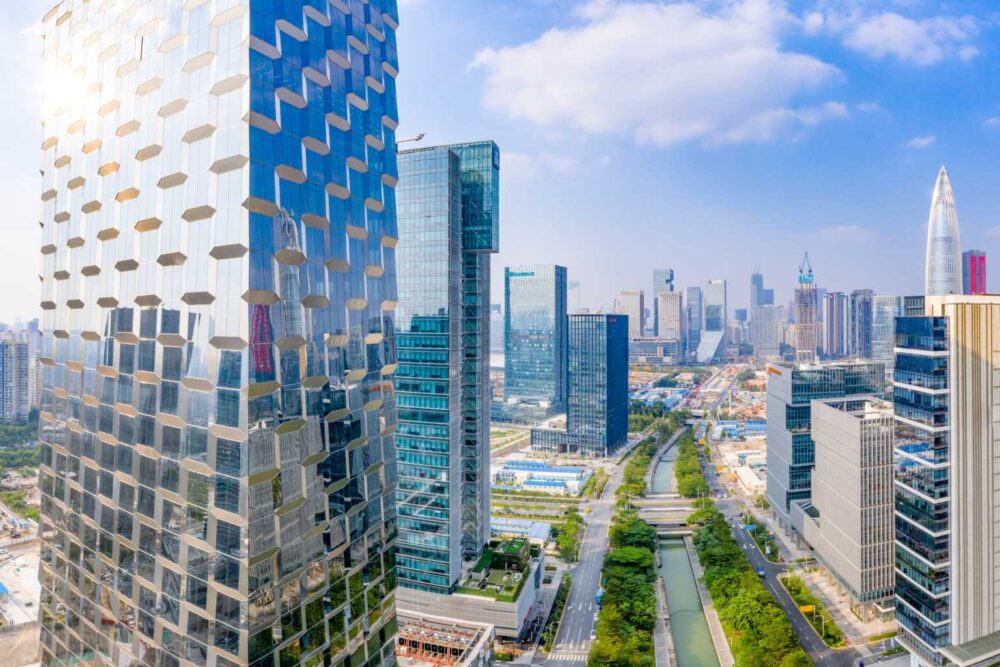
photo: colliers.com
Marq Omotesando One – Premium Asia
Interestingly, this isn’t just a random sale of a single apartment. Tokyo has been experiencing a significant surge in premium property prices for some time now. You could say this transaction is… well, the cherry on top of a process that’s been unfolding for several years. Foreign capital, high quality of life, stability—all these factors combine to make the city increasingly attractive to buyers willing to pay unimaginable sums.
But what exactly makes this particular penthouse worth more than a small power plant? More on that in a moment.
Inside the record – what does Marq Omotesando One look like
When you think about the most expensive apartment in the history of Japan, you might wonder—what exactly do you get for those tens of millions of dollars? Here, the answer is… specific. And it’s impressive.
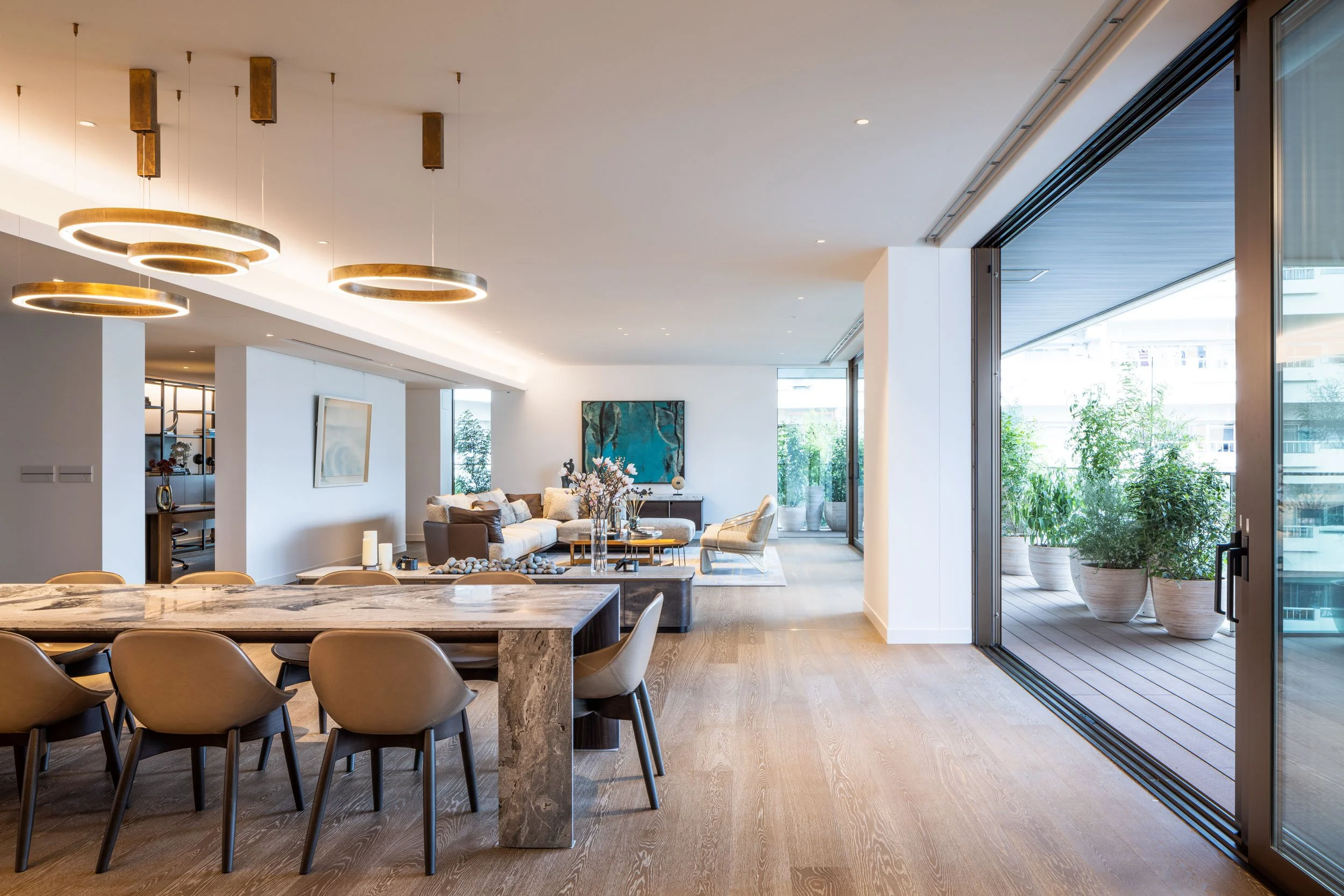
photo: studiopdp.com
Square footage, floor, and layout – numbers that impress
The penthouse at Marq Omotesando One spans 625 square meters —a space that simply doesn’t exist in Tokyo. Four bedrooms, located on the fourth (top) floor of a low-rise, intimate building. Low-rise—in this district, the term means more than just an architectural description. It’s about privacy. About not having ten other apartments above you. About not looking out your window at the wall of a skyscraper thirty meters away.
The building has only a handful of units—each practically tailor-made. And it’s this intimacy that makes the entire complex feel more like a private residence than an apartment building.
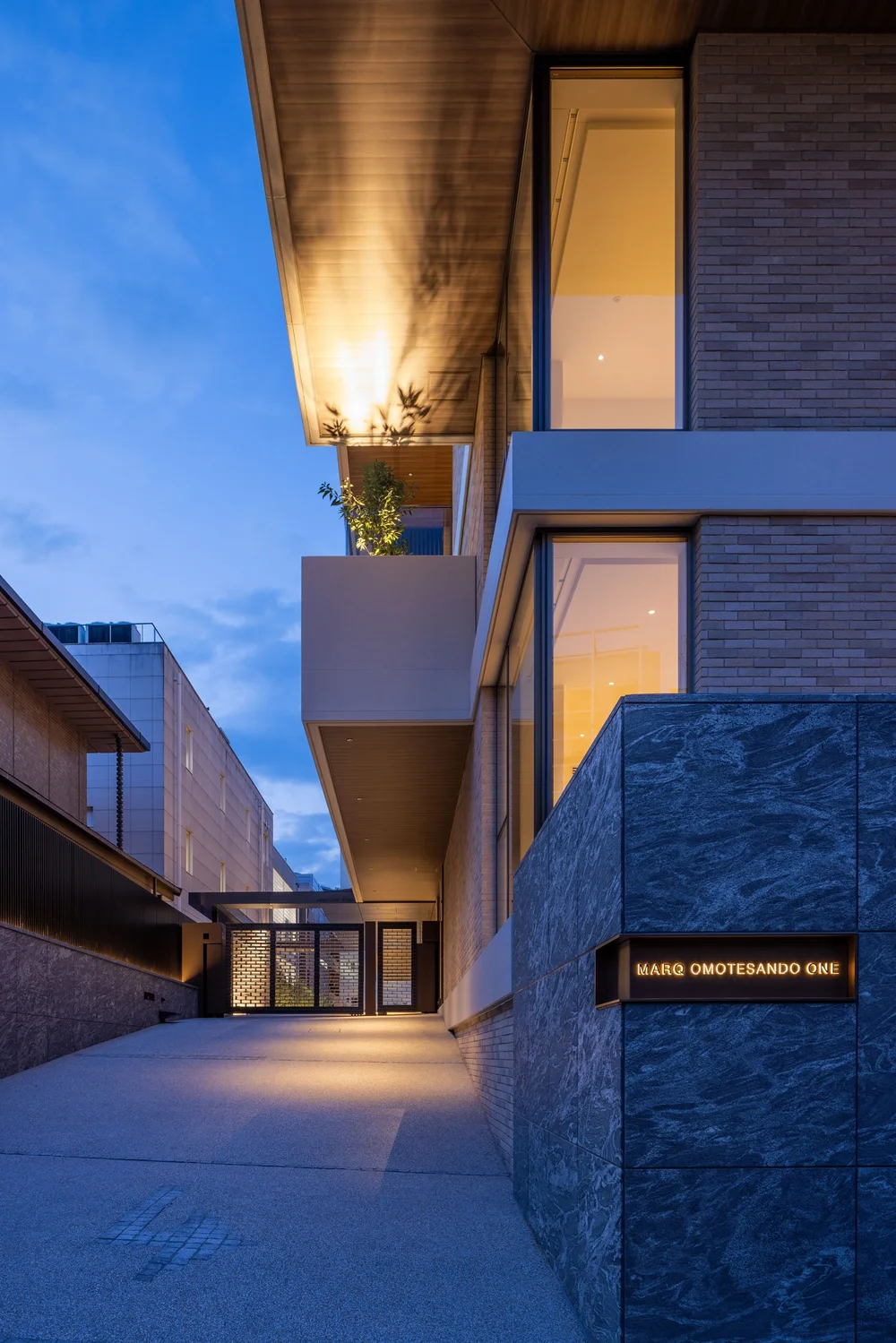
photo: studiopdp.com
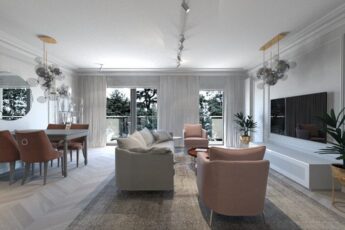
Japanese-inspired minimalism, Scandinavian precision
Design? Marq Omotesando One took gold at the Sky Design Awards 2023 in the architecture category—and honestly, one look and you can see why. It’s a blend of Japanese minimalism (zen inspirations, clean lines, natural materials) with Scandinavian precision in craftsmanship. Every detail is… intentional. There’s no room for randomness here.
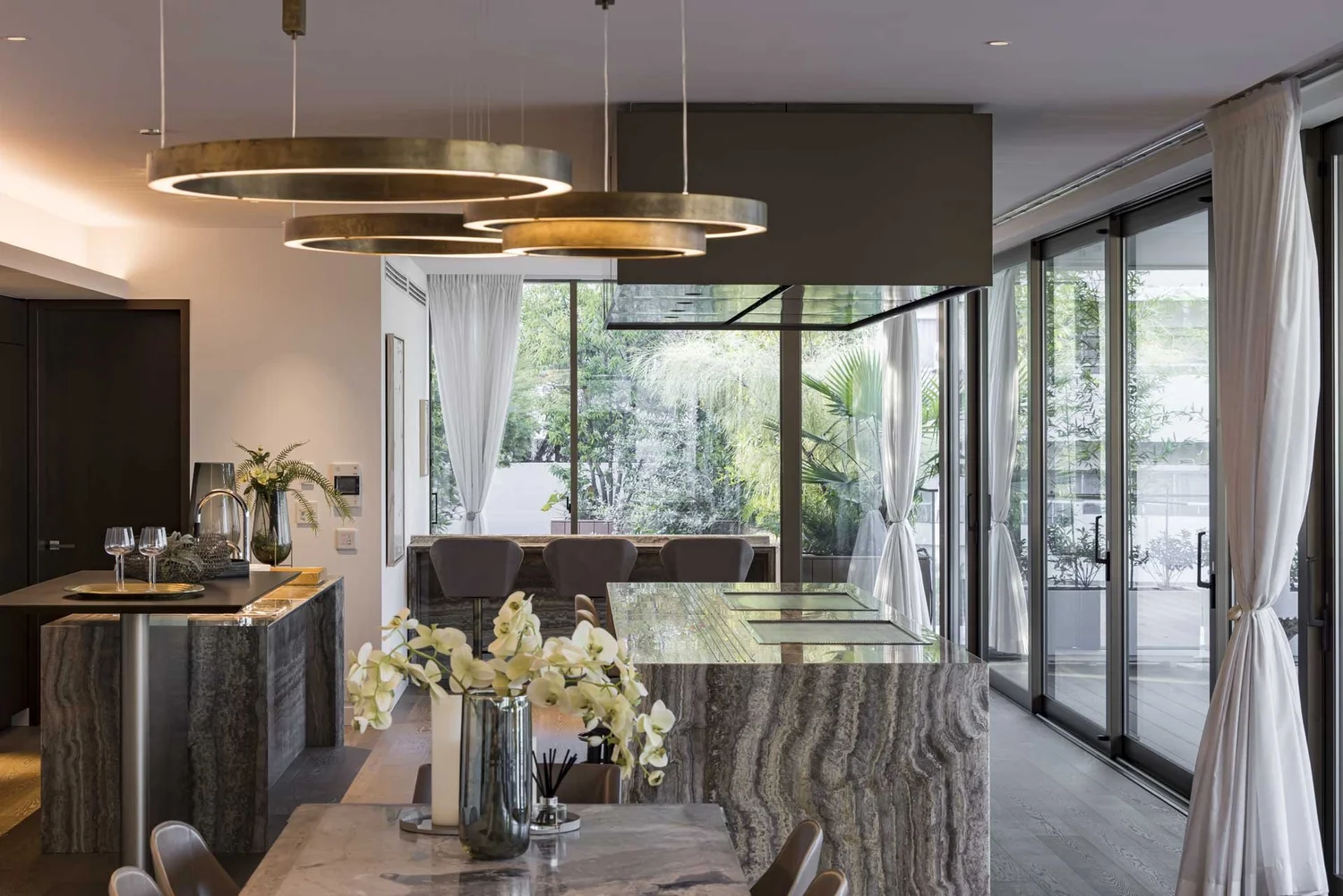
photo: merci-magazine.com
And when it comes to the furnishings:
- private pool and spa (because why not)
- rooftop terrace overlooking the district
- a private elevator leading directly to the apartment
- marble bathrooms – and not just any marble
- floor-to-ceiling panoramic windows
- smart home management systems
The location in Omotesando is an added bonus – boutiques, Michelin-starred restaurants, and Harajuku Station just a few minutes’ walk away. A lifestyle that’s hard to imagine anywhere else.
Record per tsubo – what does this transaction say about the market
Over 50 million yen per tsubo – the new standard?
A transaction worth 9.5 billion yen sounds impressive, but it’s the price per tsubo that truly highlights how this penthouse stands out nationwide. The price exceeded 50 million yen per tsubo —that’s about $330,000 per square meter. In Japan, this is an absolute record, leaving previous luxury deals in city centers far behind. For comparison, the previous most expensive apartments in Tokyo hovered around 30-35 million yen per tsubo. An increase of several dozen percent in a single sale—and suddenly everyone is talking about a “new era” of premium real estate.
Interestingly, this transaction is not a complete anomaly. Tokyo has been experiencing a luxury real estate boom for several years now, driven by several factors at once:
- Construction inflation – the costs of materials and labor have driven up prices of new projects
- Weak yen – meant that foreign investors are effectively paying less in their own currencies
- Limited supply – central districts like Minato or Shibuya are virtually out of available plots
- Growing local capital – wealthy Japanese are increasingly choosing to invest in real estate rather than bonds
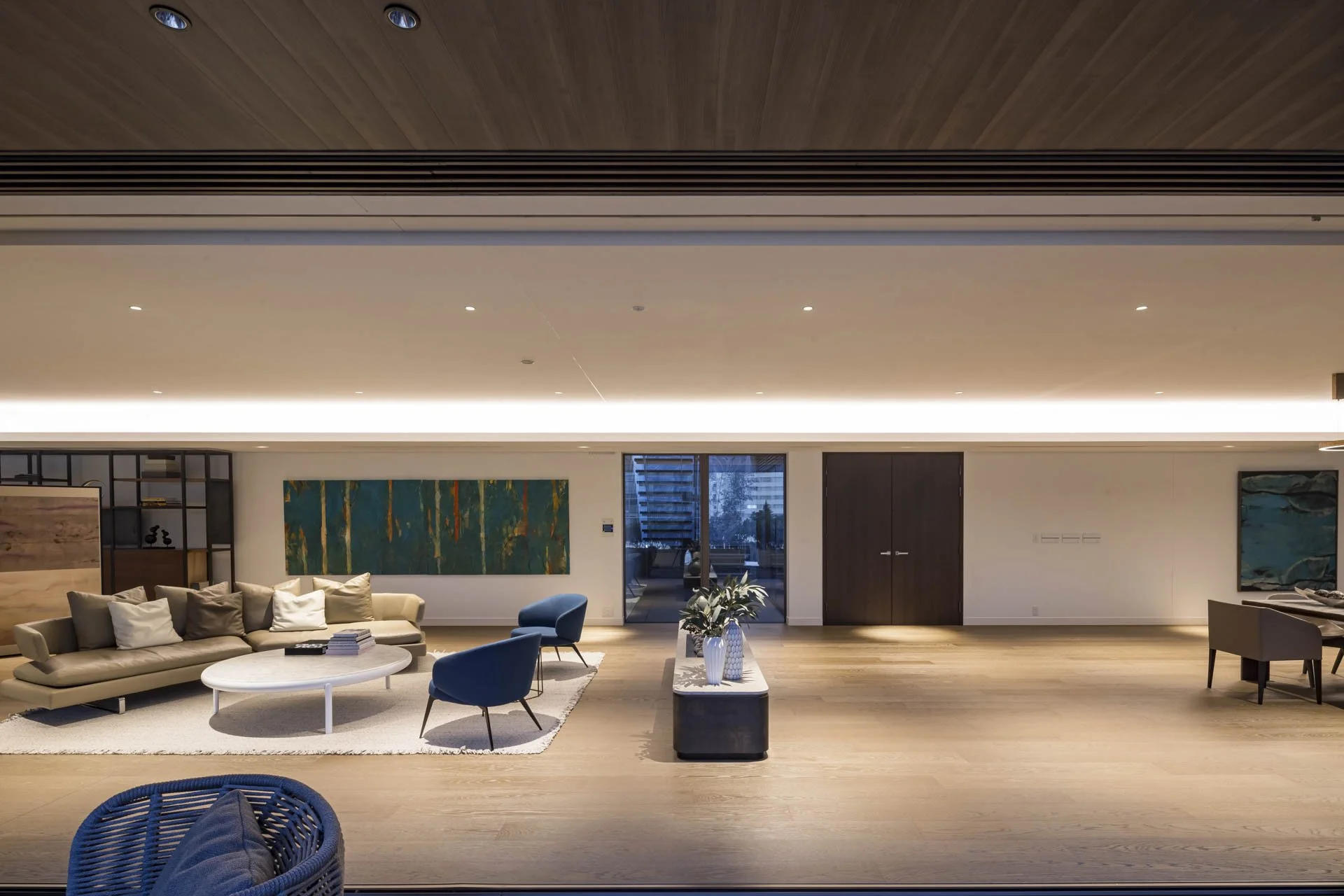
photo: merci-magazine.com
Experts have been observing this trend for some time. According to industry analyses, prices in the premium segment in Tokyo have risen by around 20-30% since 2020. This is a significant jump, especially in a market that had been stable (not to say—boring) for decades.
| Indicator | Value |
|---|---|
| Total price | 9.5 billion yen (~63 million USD) |
| Price per tsubo | >50 million yen |
| Premium price increase since 2020 | 20-30% |
In June 2025, right after the transaction was announced, luxury industry media began referring to the “crown of Tokyo” and “a benchmark for all of Asia.”
“This sale sets a new benchmark for ultra-premium residential in the region,” industry reports stated.
Not everyone is impressed, however. Online forums, including Reddit, have erupted in debate over the price gap. One user put it bluntly:
“50 million per tsubo, when an average apartment in the same city costs 3-4 million? That’s just absurd, not luxury.”
Some commentators pointed out that for an ordinary Tokyo resident, such a transaction is pure abstraction—like reading about the sale of a private island. Others believe it’s a natural evolution of the market in a global financial center.
The question is: is this a one-off price feat, or truly the beginning of a new norm for the most expensive real estate in Asia?
Tokyo and Singapore leading the ultra-luxury race
The 9.5 billion yen record isn’t just a curiosity from the Tokyo market. It’s a benchmark moment for all of Asia—perhaps even globally. Developers from Singapore to Hong Kong are likely re-evaluating their own pricing: if someone paid that much in Japan, a country where thrift has traditionally been a virtue, what does that say about the price ceiling for ultra-luxury in the region?
Industry reports suggest that by the end of 2026, premium property prices in Tokyo could rise by another 10–15 percent. At the same time, more and more experts point out that the Tokyo–Singapore duo is taking the lead from Hong Kong, which has lost some of its shine as Asia’s luxury epicenter after recent political upheavals. Tokyo, on the other hand, offers political stability, a weak yen (at least until recently), and a growing number of international residents seeking a safe haven.
How can investors interpret the record from Omotesando?
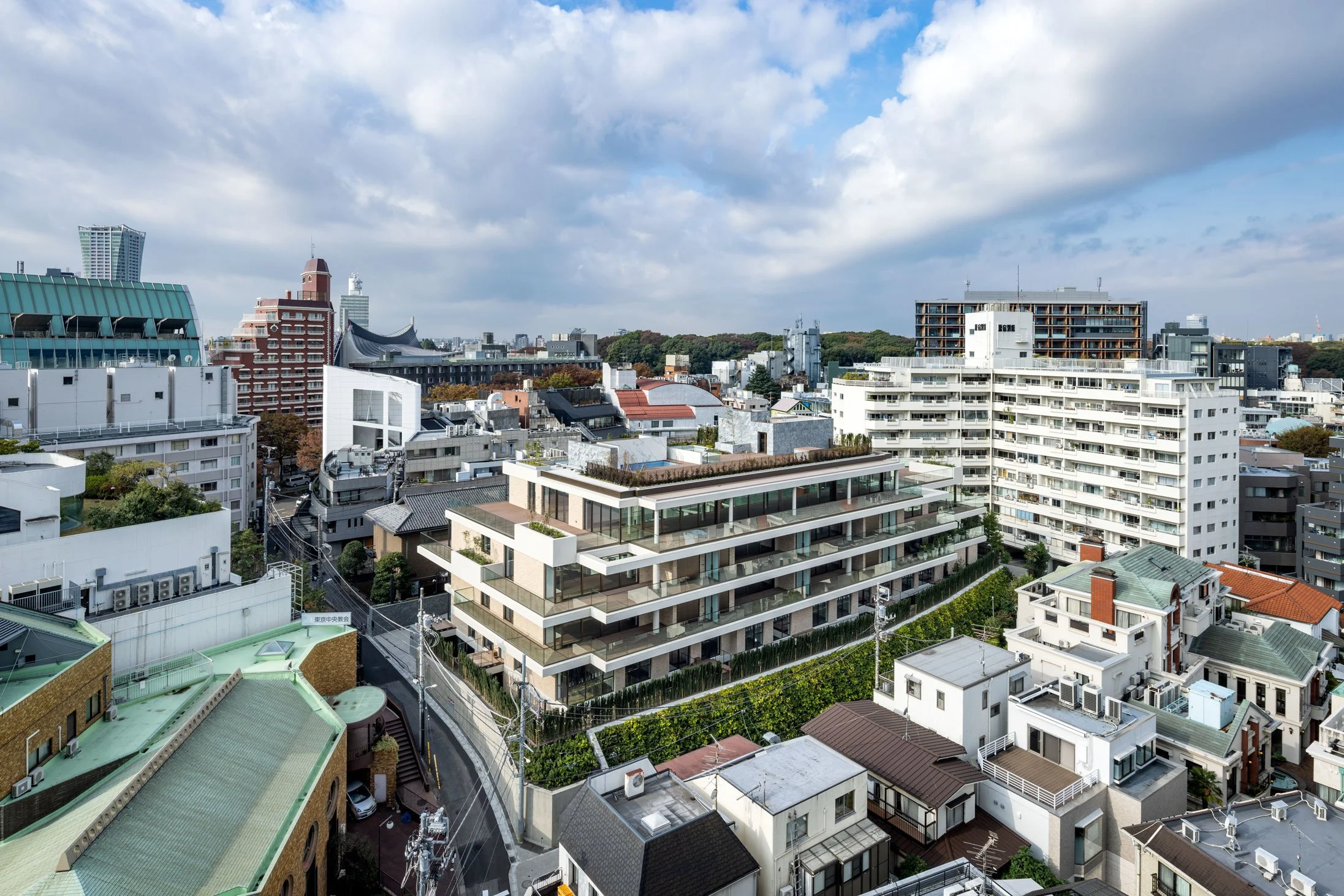
photo: studiopdp.com
For investors, the Marq Omotesando One transaction brings several clear signals, but also some questions. On the one hand:
Opportunities:
- Ultra-luxury developments in Tokyo are gaining prestige – it’s now easier to justify a price tag of $300,000–$400,000 per square meter
- Foreign funds like EQT show that Japan is no longer an exotic market—it’s becoming mainstream for premium capital.
- Low-rise luxury (small buildings with a limited number of units) may become a trend not only in Tokyo, but also in Seoul and Taipei
- The resale value of ultra-units has likely stabilized at a high level – someone buying premium now has more secure prospects
Risks:
- At these prices, any macro adjustment (rate hikes, regional crisis) could significantly impact the valuations of top-tier assets.
- A narrow buyer base – this is not a mass market; what matters here are a few dozen ultra-rich individuals, not thousands of customers.
- Social inequalities in Tokyo are increasing (although Japan still has a relatively flat structure), which may lead to political tensions and pressure for property taxes.
From the city’s perspective, a sale worth nearly 70 million dollars strengthens Tokyo’s position on the global luxury map—Marq’s brand ambassadors now include not only the developers but the entire Omotesando district, further cementing its reputation as the Japanese Champs-Élysées. On the other hand, the widening gap between the average resident and those at the very top may spark debates about access to public space and gentrification.
A practical tip? Watch what EQT and similar funds do in their upcoming projects. If new low-rise developments with a similar philosophy appear, we already know the blueprint for success. Marq Omotesando One has just set it.
Steff Jeff
real estate editorial team
Luxury Blog

Leave a Comment