

Luxury sightseeing tours in Bali
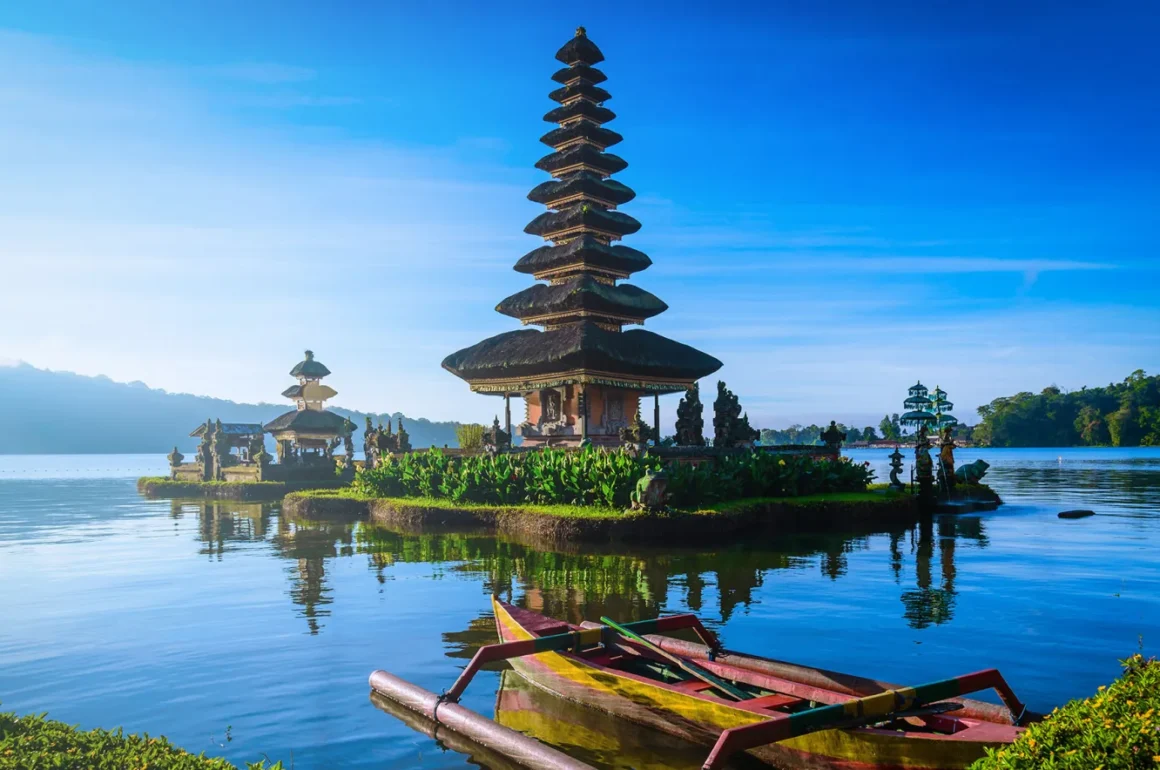
Did you know that Bali saw a 147% increase in visitors in 2024 compared to the previous year, already reaching 4.8 million guests? These numbers say it all – paradise is back on the luxury travel map, and it’s making a statement.
Picture this: you wake up in a private villa overlooking the ocean while your personal chef prepares breakfast from local ingredients. In the afternoon, a helicopter whisks you over the Jatiluwih rice terraces, and in the evening? A candlelit dinner on a beach reserved just for you. Sounds like a dream? For a growing number of Poles, it’s already reality – the average spend on a luxury trip to Bali has risen to 25,000 PLN per person.
Luxury tours of Bali – haute couture travel
Honestly, I’ve spent a lot of time thinking about why everyone is suddenly talking about Bali in the context of haute couture travel. The answer is simple—the pandemic taught us to value quality over quantity. Poles who used to take several shorter trips a year are now choosing one, but truly exceptional journey.
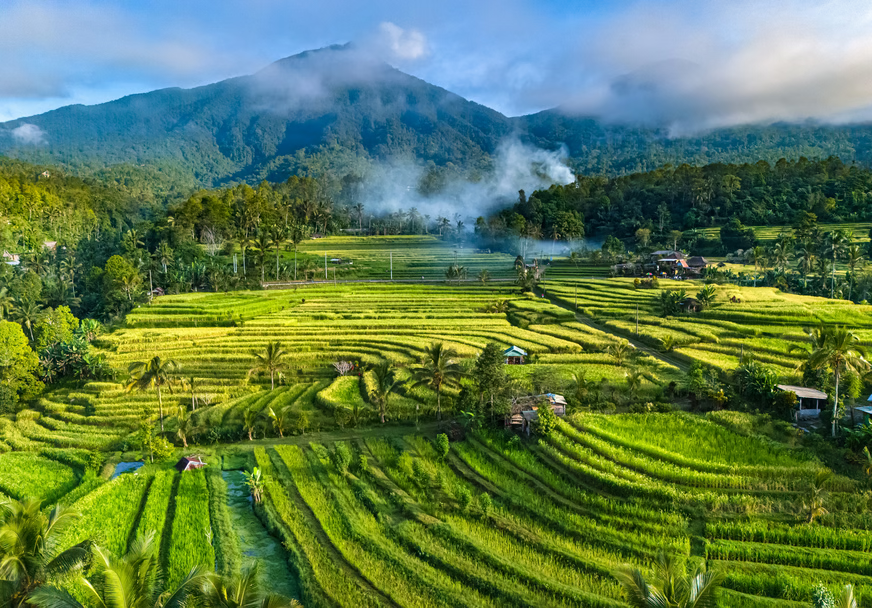
photo: frommers.com
It’s no coincidence that luxury travel to Indonesia has surged by 89% among our compatriots in the past year. We’re more aware, have higher expectations, and—let’s be honest—more savings set aside from the lockdown days.
On this journey through the world of Balinese luxury, we’ll uncover three pillars that turn a tour into a true work of art. First, we’ll dive into the key elements of luxury—the details that set an average trip apart from an unforgettable experience. Next, we’ll look at practical planning, because even the most beautiful dreams need a solid foundation. And finally? Inspiring steps to help you create your own unique story.
It’s time to immerse yourself in a world where luxury meets the authenticity of Balinese culture.
Luxury without compromise – key elements of a road trip
A friend of mine just got back from Bali and showed me some photos. But these weren’t your typical shots of the beach or temples. It was a video from a private villa, where his butler served breakfast on a terrace overlooking the ocean. That’s when I realized the difference between an ordinary trip and true, uncompromising luxury.
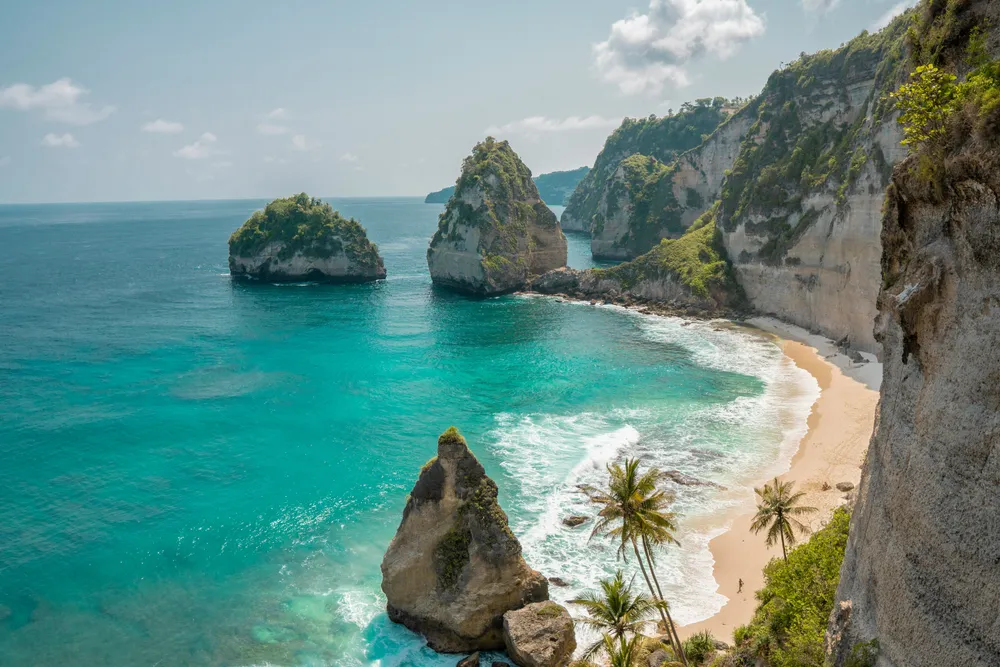
photo: directferries.co.uk
| Element | Standard 3* | Luxury 5*+ |
| Accommodation | Hotel room 25m² | Private villa 200-500m² with butler |
| Transport | Group coach | Private SUV + helicopter |
| Experience | Group tours | Exclusive access, private ceremonies |
Accommodation is the cornerstone of the entire experience. We’re talking about villas like COMO Shambhala Estate or Amankila, where every suite comes with its own infinity pool and smart home system. The butler doesn’t just bring you drinks—they organize your whole life. Want dinner at 3 a.m.? No problem. Need a beach massage at sunrise? Already arranged.
These villas are larger than the average home in Poland. At Four Seasons Bali at Jimbaran Bay, some suites even have a private beach. This isn’t just accommodation—it’s your Balinese operations base.
Premium transport completely changes your travel perspective. Instead of suffering on a group bus, you have a Range Rover with air conditioning and a driver who knows every shortcut. But the real magic starts with helicopter transfers.
A 15-minute flight to Mount Batur instead of a three-hour drive on bumpy roads? That changes everything. To Nusa Penida, you take a speedboat with a bar and air conditioning. No lines, no waiting for other tourists.

photo: addicted-to-passion.com
Signature experiences are things you simply can’t buy in any standard offer. Secret cave dining in a hidden cavern near Uluwatu, where the chef prepares a menu just for you. Wellness rituals led by a real Balinese healer, not an actor in costume.
Fun fact—80% of luxury tours cover the same spots: Ubud, Tanah Lot, Nusa Dua. But the difference is in how you explore them. While tourists snap selfies in the crowd, you get access to private sunrise viewing terraces.
And that famous “monkey insurance” at the Uluwatu temple? When monkeys steal tourists’ glasses or phones, your guide has special deals with locals—they’ll sort it out in minutes.
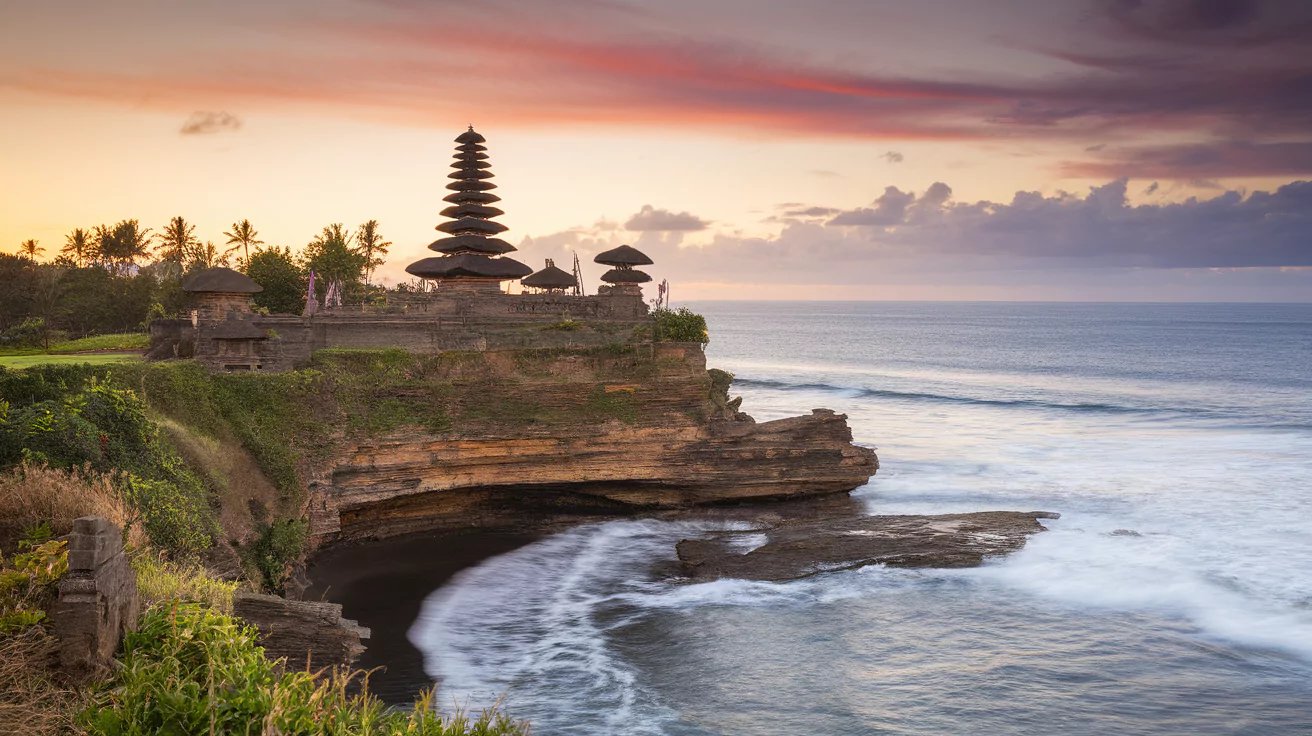
photo: onayaresorts.com
Personalization and sustainability aren’t just marketing buzzwords. Every trip has a carbon offset—your flight is balanced by planting rainforests. Community visits mean real meetings with local families, not staged tourist villages.
Eco-certificates are standard. Villas use renewable energy sources, and restaurants serve only local products. It’s luxury with a clear conscience.
Sounds amazing, but how do you actually organize all this—and how much does it really cost?
From idea to flight – planning, costs, and booking
Mr. Marek has been thinking about Bali for three months now. His wife keeps showing him new photos from Instagram, while he silently calculates how much it might all cost. He has vacation time in July, his daughter finishes school—perfect timing. But how to make it all work?
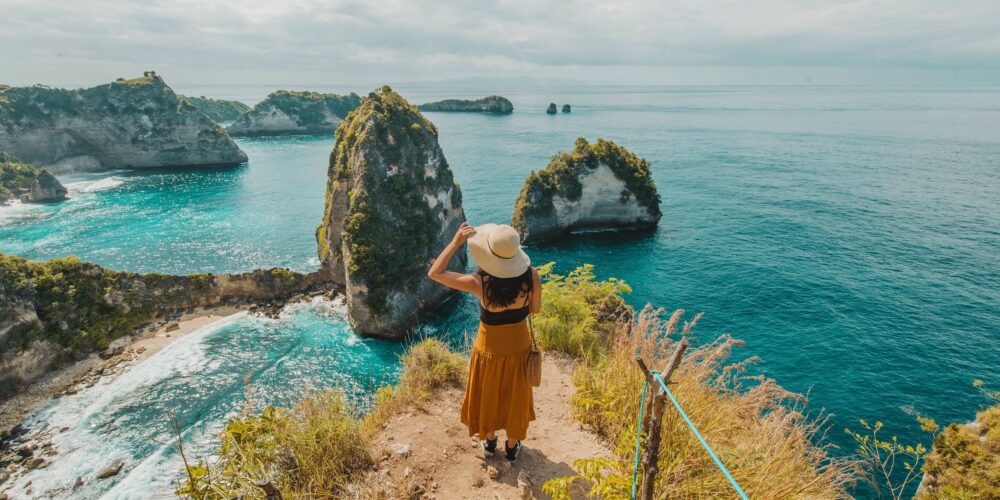
photo: trovatrip.com
Let’s start with the numbers—without them, planning makes no sense. A flight from Warsaw to Denpasar costs 3500–4500 PLN per person, depending on whether you fly via Amsterdam or Doha. That’s 15–20 hours in the air, but it’s doable. Daily expenses on site are 150–300 PLN per person—it all depends on whether you want to eat at warungs or hotel restaurants.
My table looks like this: flights 14,000 PLN (family of four), hotel 8,000 PLN (a week in a decent place), food and attractions 4,000 PLN, insurance 400 PLN. Altogether, about 26,000 PLN. In euros, that’s roughly €5,600, but the exchange rate has been all over the place lately.
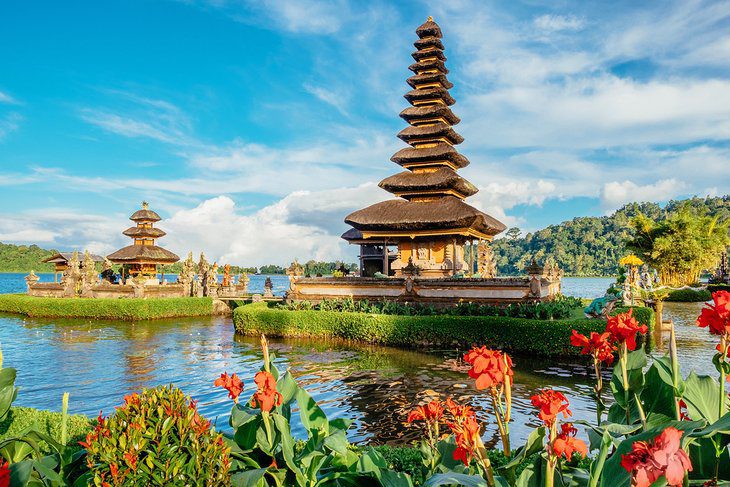
photo: planetware.com
Choosing a tour operator is a story in itself—each has its pros and cons.
ITAKA offers Polish guides and understands our habits. Rainbow often has better prices, but you need to read the fine print. TUI is reliable, but more expensive. Local operators can be a pleasant surprise—I checked out one from Kraków that organizes small groups of 12 people. Flexibility is key, since rain can sometimes ruin your plans in Bali.
Ask about:
- Does the guide speak Polish
- What are the options for changing the program
- What about local transfers
- Rating on Google and Facebook
The formalities are simple. You get a visa on arrival for free for 30 days. If you want to stay longer, an extension costs $35 and gives you another 30 days. No vaccinations are required unless you’re traveling through Africa.
Insurance for $100,000 is the absolute minimum. I always go for $200,000 because medical treatment in private hospitals can be astronomical. PZU offers good packages, but check if water sports are included.
The calendar is crucial. The dry season lasts from May to October, but July is peak crowds and prices. June or September is a better choice. Check if your trip coincides with Galungan—this Balinese holiday brings everything to a halt, but the atmosphere is incredible. Nyepi is the day of silence; hotels are closed, but the experience is unforgettable.
Sustainability is a topic few ask about, but everyone should. Bali struggles with plastic waste and overtourism. Ask your operator about CO₂ offset, whether the hotel has a recycling program, or if they hire locals. It’s not just marketing—it really makes a difference.
Booking schedule? February-March is the time to choose your operator and make the first payment. April—finalize everything and get insurance. May—check the weather and start packing. Don’t leave it to the last minute, as the best hotels fill up fast.
One thing always puzzles me—why do we stress so much about planning when the best memories are often the unexpected ones? Maybe that’s why it’s worth leaving some room for spontaneity.
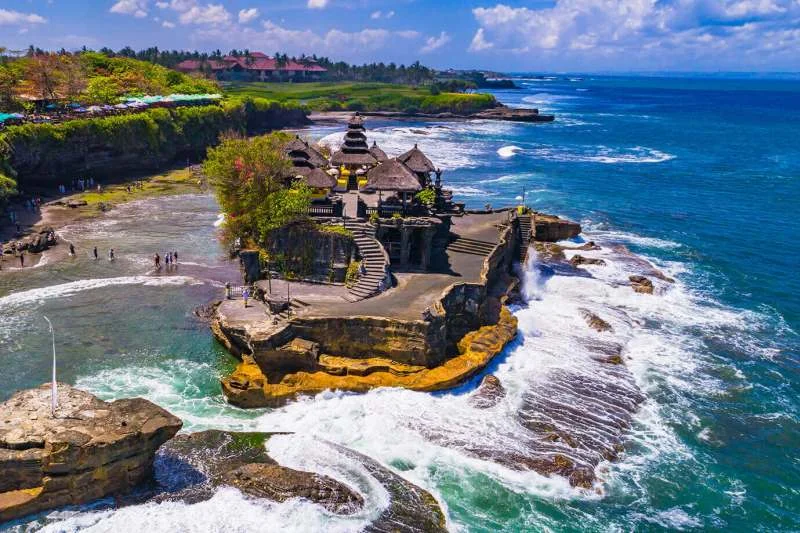
photo: blue-marlin-bali.com
Get inspired and hit the road
A friend of mine recently came back from Japan and said, “Tomek, it was nothing like those group tours from years ago.” He arranged everything himself through apps, met people in a small izakaya in Tokyo where no one spoke English. But that was exactly the point.
I’ve been thinking about what solo travel really offers. First—true cultural immersion. No one’s pushing you onto a bus at seven in the morning; you can spend the whole afternoon in a local café. Second—convenience, 24/7. You book, change plans, and look up information whenever you want. And third—personalization instead of crowds. Your route, your pace, your discoveries.
Trends that are already happening
Artificial intelligence is starting to plan routes better than we do ourselves. By 2027, apps will analyze our preferences and suggest places we never even considered. I’ve already seen the first versions—it really works.
The digital nomad visa is no longer science fiction. Portugal, Estonia, Dubai—all want to attract remote workers. Experts say that by 2029, there will be more than 50 countries offering it. More competition means better conditions.
Zero-waste travel is the goal for 2030. Hotels are investing in solar panels, restaurants are eliminating plastic, and airlines are testing synthetic fuels. It may sound ambitious, but the first results are already visible.
Your next steps
Create your travel brief within the next 48 hours. It doesn’t have to be perfect—just write down where, when, how much time and money you have. Be specific.
Download checklists from the internet or make your own. I keep one on my phone and add to it after every trip. It keeps evolving.
When you talk to a tour operator or hotel, remember—they want to sell. Ask about alternatives, request better terms, negotiate. The worst that can happen is you’ll hear “no.”
Solo travel isn’t just a trendy hashtag on social media. It’s a way to discover the world on your own terms. And, along the way, yourself.
Stop planning endlessly and book your first flight.
TOM Fi
travel & lifestyle editor
Luxury Blog






Leave a Comment