

Luxury Safari in South Africa – History, Luxury, and Eco Trends
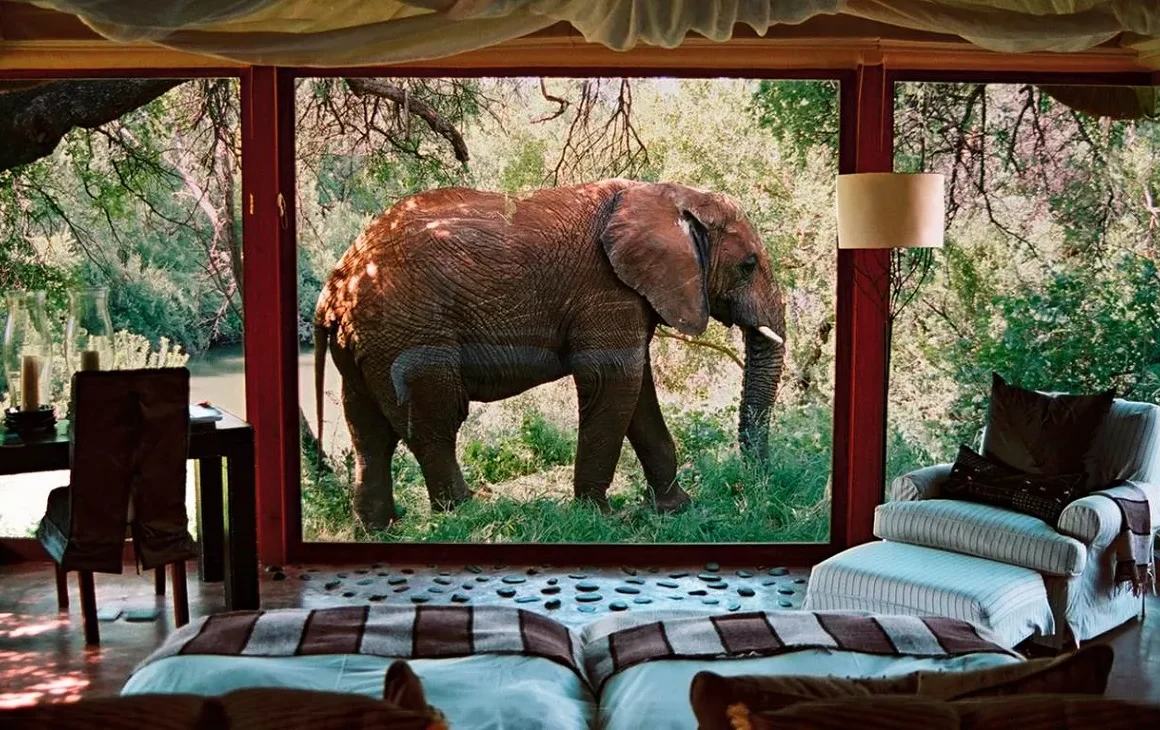
Dawn breaks over Kruger National Park. A lion roars somewhere in the distance as you sip espresso from a crystal cup, seated on the terrace of your luxurious lodge. The infinity pool reflects the first rays of sunlight, and your private guide is already waiting with a Land Rover prepped for your morning adventure.
Sounds like a movie scene? This is the reality of a luxury safari in South Africa in 2025. Welcome to a world where the wild savanna meets the highest level of comfort.
The luxury safari segment is currently growing at a rate of 15-20% per year, making it one of the fastest-growing areas in premium tourism.
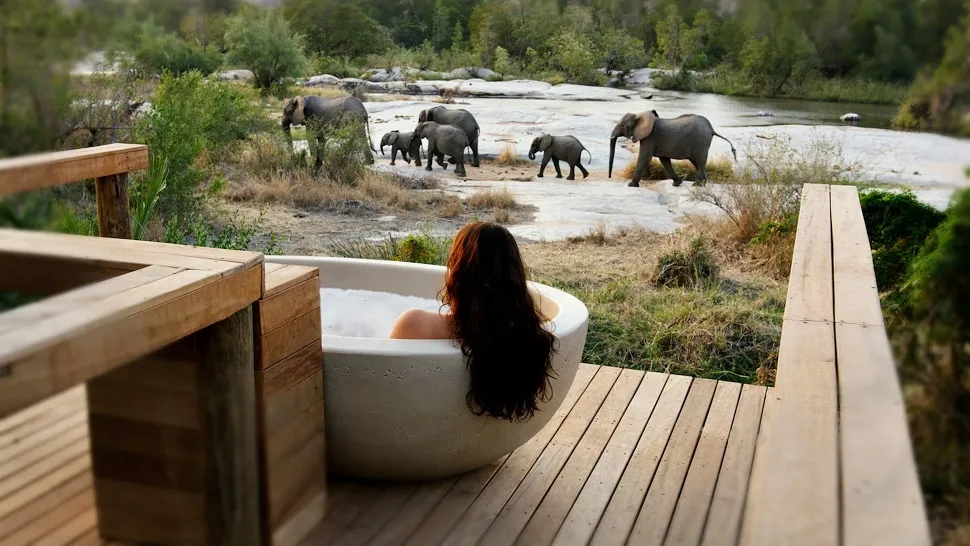
photo: theluxurytravelexpert.com
What exactly is a luxury safari? It’s not just about spotting the Big Five from an open vehicle. We’re talking about private reserves spanning thousands of hectares, personalized guides with years of experience, and lodges offering spas and infinity pools overlooking the savannah. It’s the perfect blend of untamed wilderness and refined hospitality.
Luxury Safari in South Africa – Between the Savanna and Champagne
Why is this topic so important today? The pandemic has changed our approach to travel. People are searching for authentic experiences, but they don’t want to give up comfort. They want to escape the crowds, yet still enjoy luxury. South Africa meets these needs like nowhere else in the world.
This phenomenon didn’t come out of nowhere. Safari has undergone a fascinating evolution—from colonial hunting expeditions to today’s wildlife sanctuaries with hotels rivaling the world’s top resorts. But planning such a trip is an art in itself. And here comes the question—how do you balance luxury with environmental responsibility?
This is exactly what this article is about—how we’ve reached a point where you can experience the real Africa while enjoying the highest standard of service.
To understand how we arrived at this level of luxury, let’s go back in time…
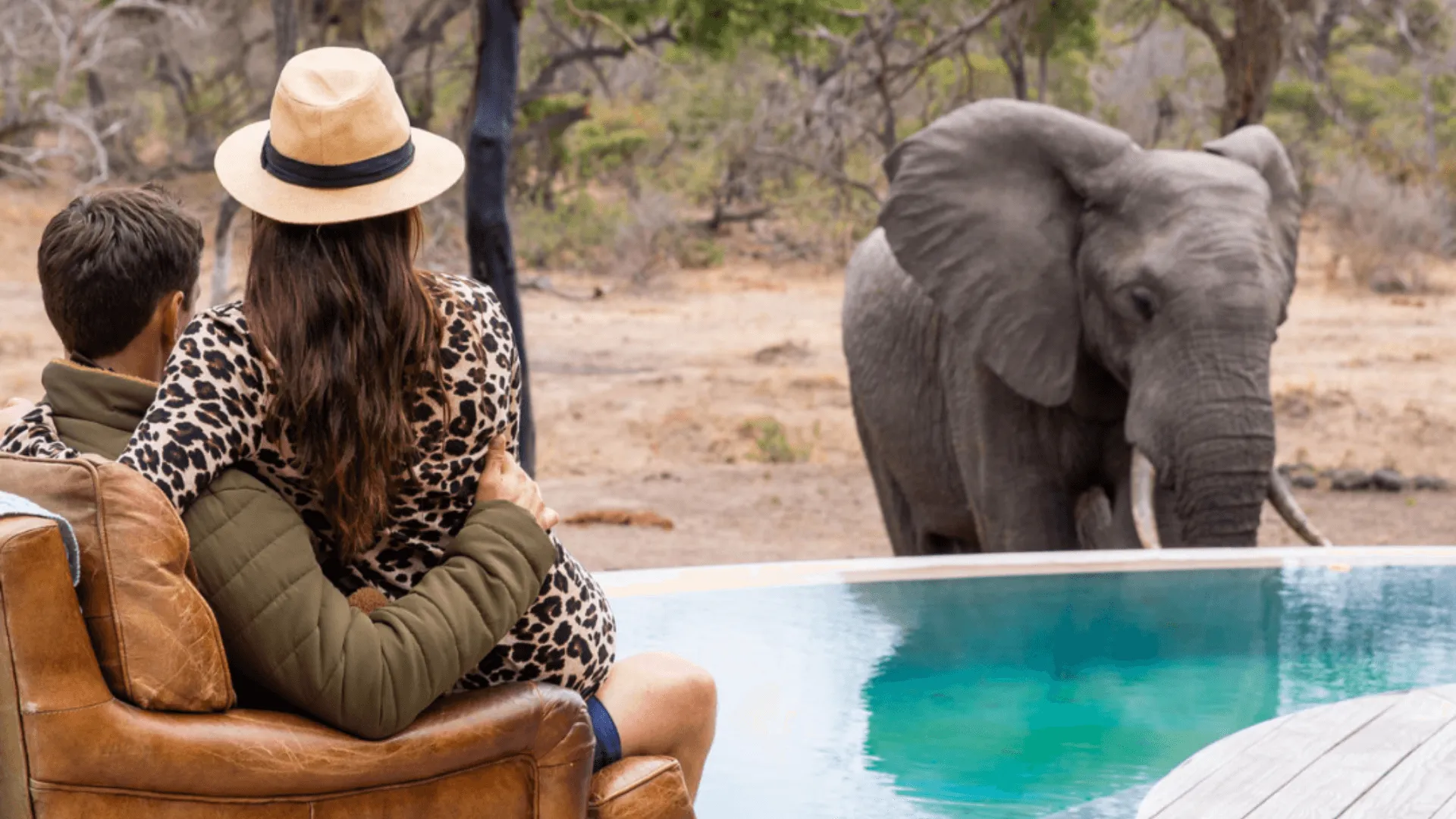
photo: marulahill.com
From Hunting to Photoluxury: The History and Evolution of Safari
The word “safari” comes from Swahili and simply means ” journey.” Europeans brought it to Africa in the 19th century, but gave it a completely new meaning. The first hunting expeditions were brutal—people hunted anything that moved.
| Year | Event |
|---|---|
| 1898 | The creation of Kruger National Park – the first national park |
| 1926 | Establishment of Sabi Sand Game Reserve |
| 1961 | The founding of WWF – the beginning of nature conservation |
| 1994 | The end of apartheid in South Africa |
| 2020 | Pandemic – 75% drop in tourism |
| 2025 | Introduction of a CO2 emission tax for flights |
The colonial era was the age of the great white hunters. Ernest Hemingway, Theodore Roosevelt—they all wanted a lion on the wall. Apartheid closed the parks to Black communities, and safari became a privilege reserved for whites. “Africa is a place for real men “ —that was the prevailing mindset.
The turning point came in the 1960s. WWF and IUCN began to talk about conservation. Cameras replaced rifles. Suddenly, it turned out that a living elephant was worth more than a dead one.
1994 changed everything. The end of apartheid meant local communities could finally participate in tourism. The first lodges run by Africans were established. This was the beginning of true eco-safari.
The pandemic in 2020 nearly killed the industry. Luxury lodges stood empty for months. Some never reopened. But those that survived became even more exclusive.
Now it’s 2025 and new regulations are in place. The CO2 emissions tax on charter flights is another game-changer. Premium safaris will be even more expensive, but perhaps also more environmentally responsible.
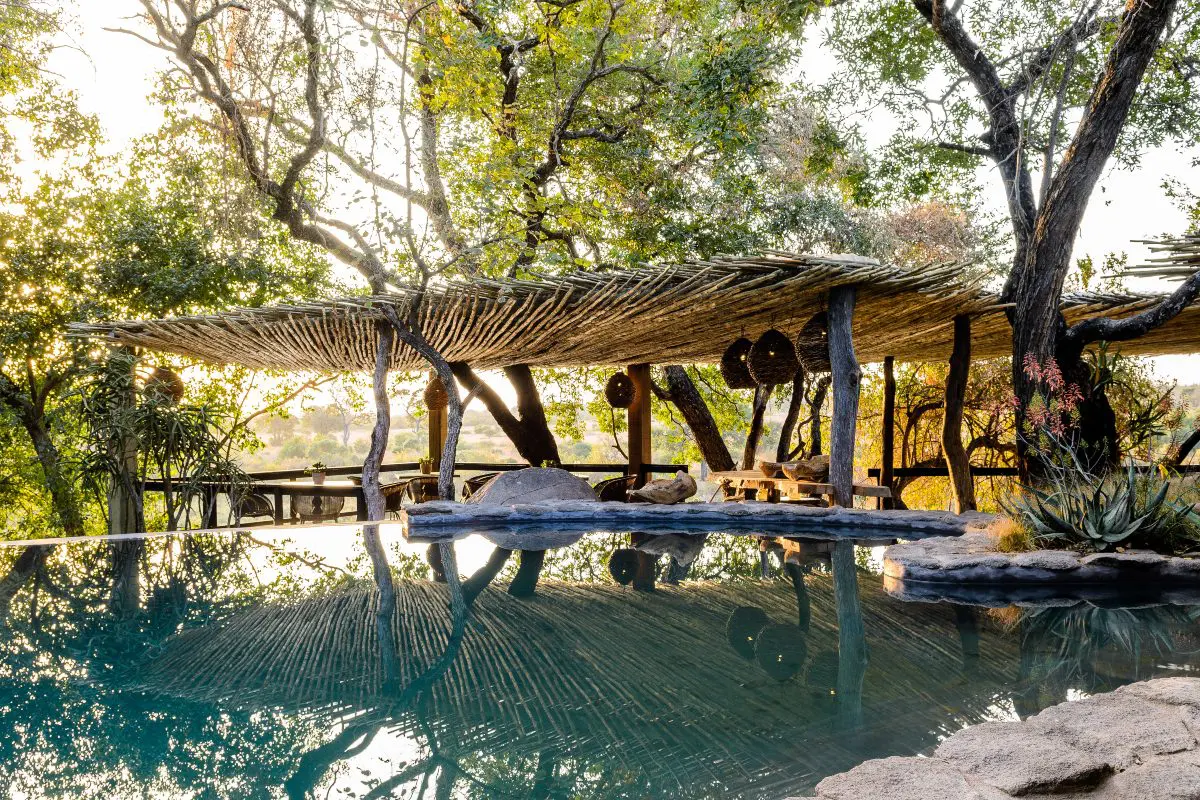
photo: go2africa.com
From trophies to photographs, from colonialism to working with local communities—safari has come a long way. Today, it’s not just about luxury, but also a tool for conservation. Though sometimes I wonder if all these changes truly benefit Africa, or just our own conscience.
Now that we know how safari has evolved, it’s time to find out how to plan your own adventure in this new world.
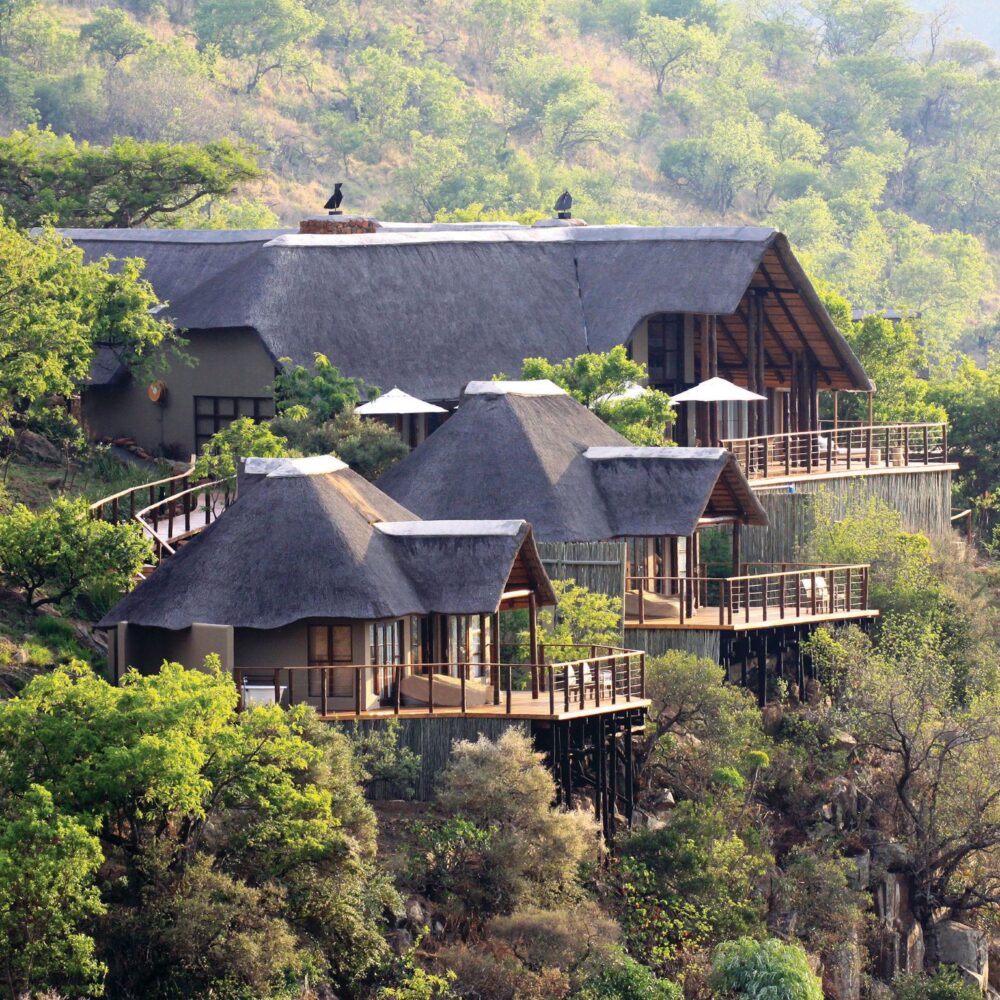
photo: guide.michelin.com
How to Plan Your Dream Safari: Lodges, Experiences, and Budget
Planning a safari isn’t like booking a hotel by the sea. Here, every detail matters, and mistakes can cost not just money, but once-in-a-lifetime experiences.
The first step is choosing a reserve. Most people have heard of Kruger, but the truth is, that’s just the beginning of the conversation. Here’s a comparison of four key locations:
| Reserve | Biota | Price (USD/day) | The hallmark of luxury |
|---|---|---|---|
| Kruger | Big Five, 500+ bird species | 800-2,000 | Accessibility, diversity |
| Sabi Sand | Leopards, no fences | 1,200–4,000 | Night observations, tracking |
| Madikwe | Wild dogs, elephants | 900-2,500 | Families with children, malaria-free |
| Phinda | Cheetahs, ocean nearby | 1,500–3,500 | Safari and beach combination |
Sabi Sand won me over instantly. With no fences between the park and Kruger, animals roam freely. Leopards… well, that’s a whole different story.
Now, the lodge. This might be the toughest decision, as the price differences are huge.
A premium lodge ($500-1,200 per person per day) offers a solid experience—good meals, decent rooms, competent rangers.
Ultra-luxury ($1,200-3,000) is a different league: private terraces with pools, butler service, spa.
Private villa ($3,000-5,000) means your own ranger team, flexible hours, and a tailor-made menu.
Honestly, above $2,000 the differences become mostly cosmetic. Unless money is no object.
Flagship activities go beyond just driving around. Meeting the Big Five may sound cliché, but when a lion stands three meters from you… A sunrise balloon ride costs an extra $400-600, but watching the sun rise over the savannah is a once-in-a-lifetime view. Dinner under the stars with a sommelier from Cape Winelands might sound pretentious, but pairing local wines with the sounds of the African night really works.
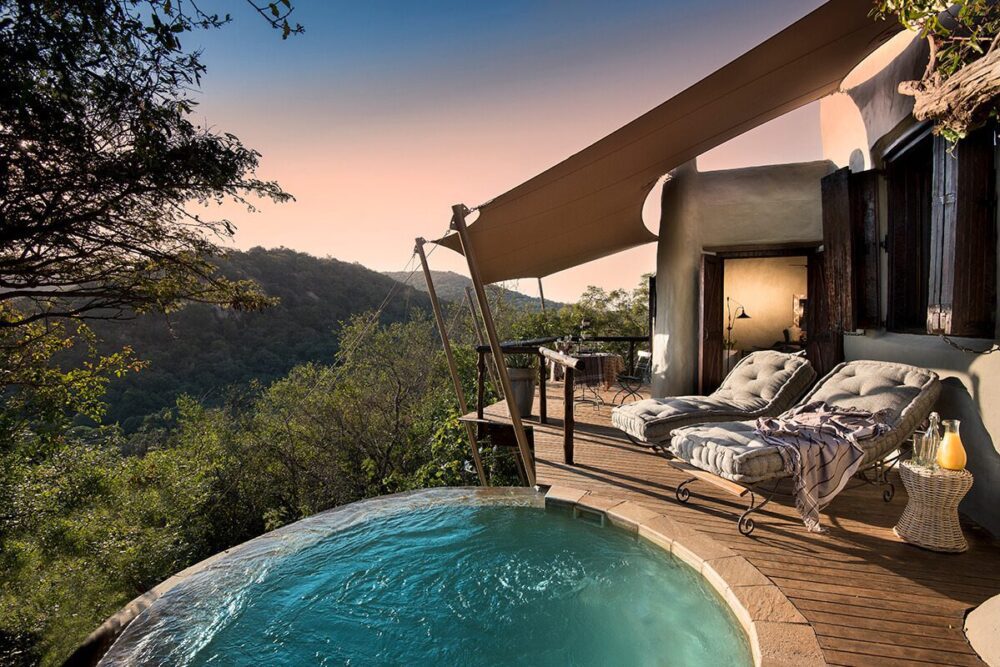
photo: artofsafari.travel
Logistics require precision—there’s no room for improvisation here.
The best time to go is the dry season (May-October). Animals gather at waterholes, grass is low, temperatures are bearable. December-March is the rainy season—lush and green, but animals are more scattered.
Vaccinations: yellow fever is only mandatory if arriving from endemic countries. Malaria is a concern in Kruger and some other parks—prophylaxis is recommended. A travel doctor can sort this out in two visits.
Minimum age is often 12 at luxury lodges. Kids can be noisy, and this isn’t a zoo. Some places offer family safaris, but check in advance.
Apps: iNaturalist for animal identification, eBird for birds, Google Maps offline. Backup batteries for your camera—outlets are rare in the bush.
What to pack? Earth-toned clothes (khaki, brown, olive), a cap, SPF 50+ sunscreen, binoculars (8×42 is optimal), a camera with a telephoto lens. Evenings can get chilly, even in summer—a sweater will come in handy.
One detail everyone forgets—tips. Rangers and trackers rely on them. Budget $20-30 per day for tips, in cash.
Once your plan is ready, it’s worth considering the ethical dimension of your journey…
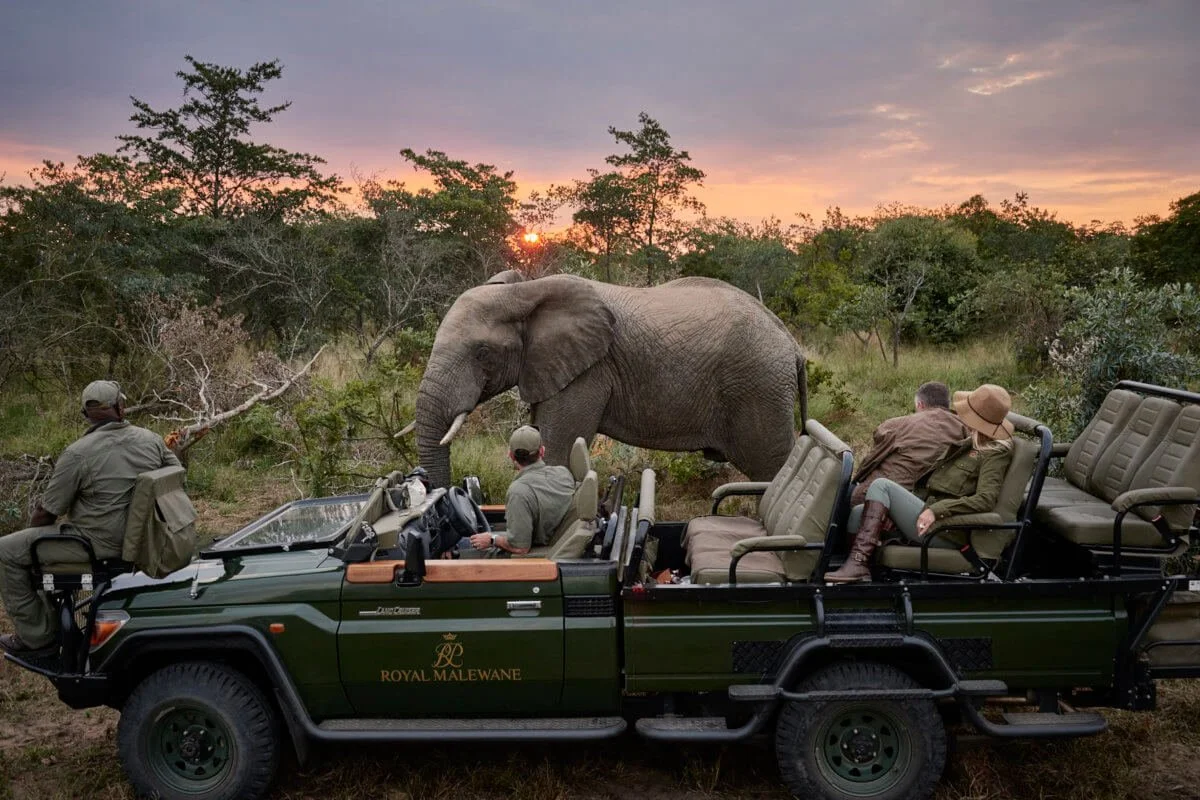
photo: molinaritravel.com
Luxury in the service of nature? Sustainability, economics, and controversies
Is luxury safari really about conservation, or is it just a stylishly packaged business built on someone else’s poverty?
The numbers speak for themselves. Tourism accounts for 10% of South Africa’s GDP, and luxury safaris generate as much as 30% of that amount. That’s a huge sum of money that, in theory, should go towards conservation. But does it really work that way in practice? Well, the answer isn’t so simple.
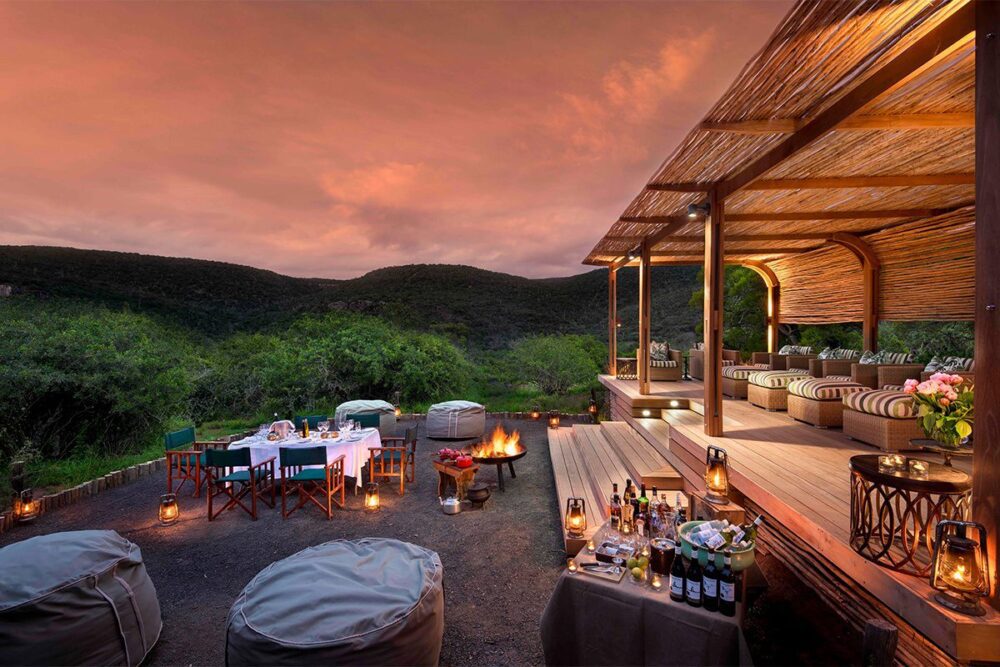
photo: iconiclife.com
| Benefits | Threats |
|---|---|
| Funding for anti-poaching programs | 70% of lodges are owned by white investors |
| 50% reduction in rhino poaching | Exclusion of local communities |
| Job opportunities for tour guides | High carbon costs of transport |
| Protection of large wilderness areas | Commercialization of traditional areas |
Private reserves really do work. In Greater Kruger, the number of rhinos killed has dropped by half thanks to private conservation programs. Lodge owners hire rangers and invest in anti-poaching technology. It works because they have a direct financial stake.
But critics aren’t backing down. Local activists openly call it neocolonialism:
“Our traditional lands have been turned into a playground for wealthy tourists. We can work there as waiters, but never as owners.” – Thabo Mthembu, social activist from Mpumalanga
The industry responds by saying it creates jobs. True, but what kind? Mostly service positions, rarely in management or as business partners.
Changes are coming faster than we thought. New regulations for 2025 will introduce a carbon tax on tourist flights and require the installation of photovoltaic panels in every new lodge. This could revolutionize the entire industry.
Some investors are already transferring shares to local communities. The partnership model is developing slowly, but it is developing. The question is: will we make it before criticism completely discredits luxury safari?
So what does the future of luxury safari look like in the face of all these challenges?
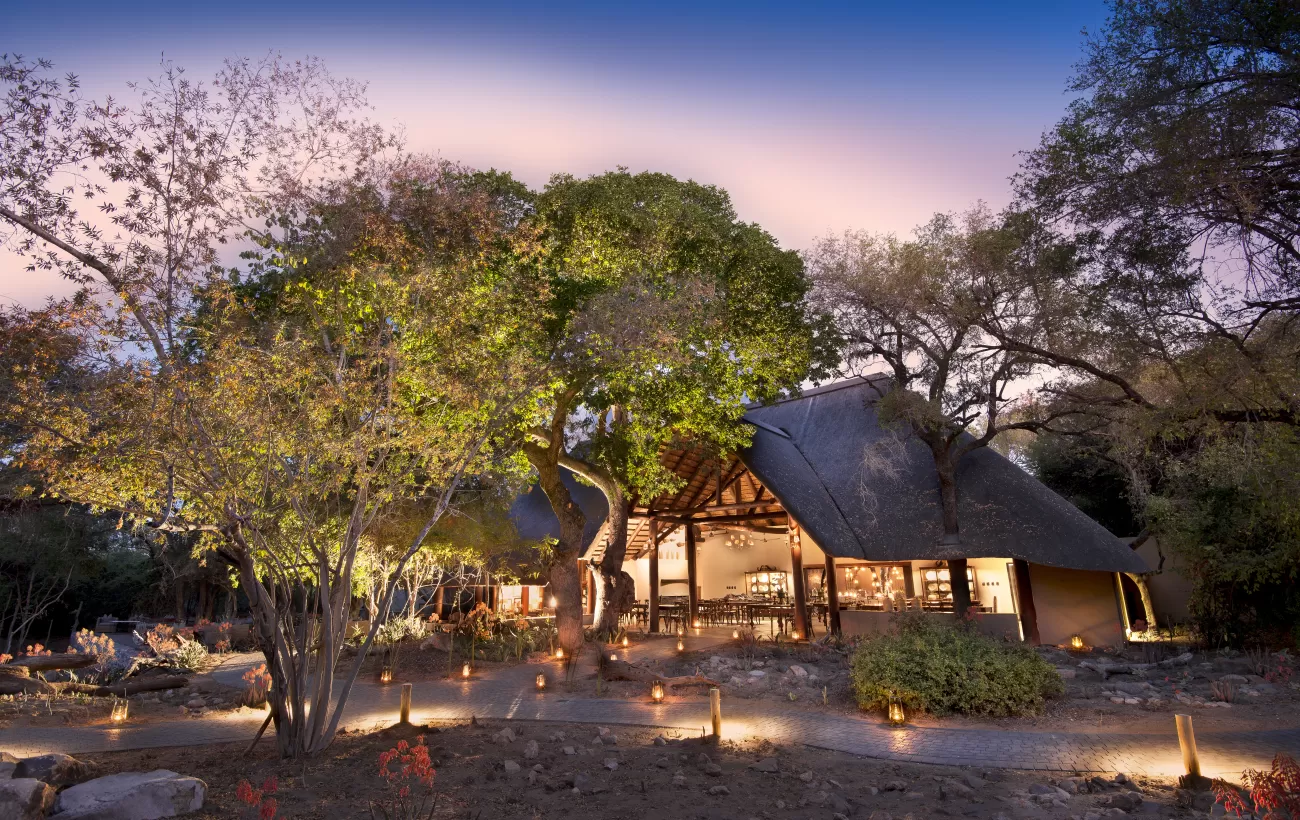
photo: adventure-life.com
Your turn for adventure: what’s next for luxury safari?
I’ve been wondering lately whether it’s really worth investing in all these luxury safaris. After weighing all the pros and cons, the answer is: yes, but wisely.
The luxury safari industry is on the brink of a true revolution. Forecasts are clear—by 2030, we’re looking at a 30% growth. What’s fueling this boom? Mainly artificial intelligence, which personalizes every aspect of the journey, and zero-emission lodges powered by solar energy. Some places are already piloting solutions where AI predicts animal movements with 85% accuracy.
An interesting trend is crypto payments. The first lodges in Kenya are already accepting Cardano (ADA) and other digital currencies. It sounds futuristic, but it makes sense—international transfers are expensive, and crypto solves this problem instantly.
The conservation model that proved successful in South Africa is spreading to Namibia and Rwanda. Namibia has huge potential—deserts, elephants, fewer tourists. Rwanda is focusing on gorillas, but the infrastructure is still lacking. Both countries could become new gems if they invest in the right solutions.
What can you do today? Here are some concrete steps:
- Choose a lodge certified by Fair Trade Tourism or a similar organization
- Buy CO2 emission offsets through Gold Standard – it costs pennies but makes a difference
- Support a local NGO before you leave – $50–$100 can make a real difference
- Book directly with the operator, not through intermediaries – more money stays local
- Pack light and choose local guides

photo: kerdowney.com
Let’s be honest – a luxury safari is still a privilege for the few. But if you have the opportunity, use it responsibly. Every dollar spent consciously can change the lives of local communities and help protect wildlife.
Africa is waiting. Make the decision and go.
Ninn 90
travel & lifestyle editor
Luxury Blog





Leave a Comment