

Luxury motorhomes 2025 – what’s the real price of mobile luxury?

Imagine parking a 12-meter-long camper worth over 3,000,000 PLN on the shore of a Masurian lake—this isn’t a dream, but the reality for owners of these mobile palaces.
Luxury camper is now much more than just a camping vehicle. It’s essentially an apartment on wheels, complete with marble countertops, leather upholstery, and voice-controlled systems. Some call it “glamping on steroids.”
Why is everyone talking about prices right now? Because the situation is truly unusual. The pandemic made people rush to buy campers—everyone wanted to travel safely. Now, in 2025, the market is stabilizing, but prices are still impressive.
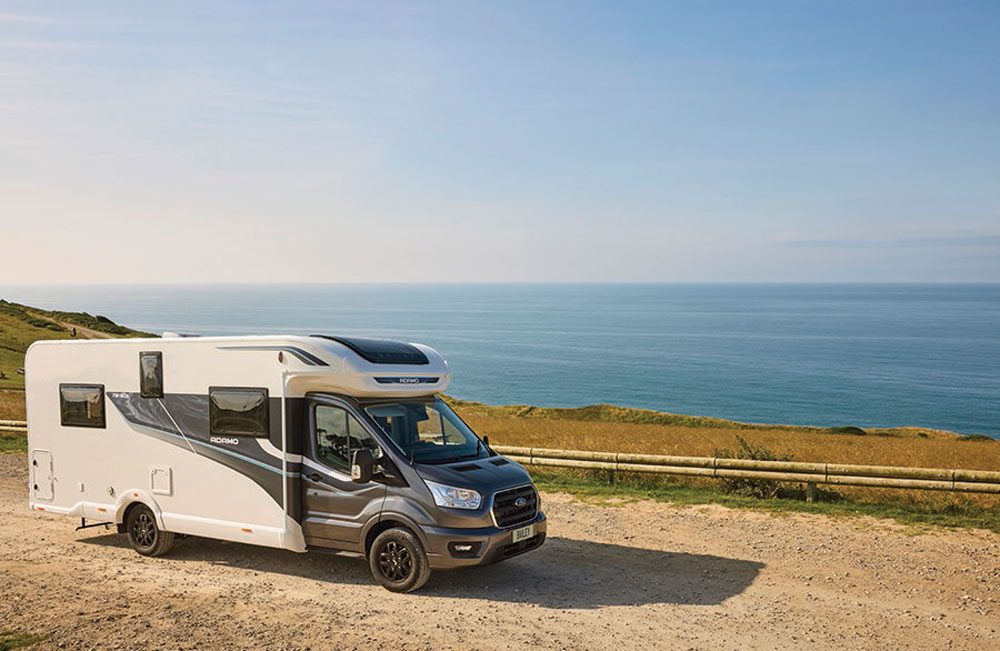
photo: yorkshirecaravans.com
Luxury motorhomes 2025 – prices of a mobile palace
To grasp the scale of the phenomenon, just look at the numbers. The premium camper segment in Poland has grown by 340% over the past three years. The second statistic is even more striking—the average price of a luxury camper has risen from 800,000 PLN in 2020 to over 1,400,000 PLN today.
It’s no coincidence that you’re considering a purchase right now. The industry is at an interesting crossroads—on one hand, technology is advancing rapidly; on the other, manufacturers are learning how to build truly exceptional campers.
In this article, we’ll explore three key aspects that determine whether you’ll pay half a million or three times as much for your mobile palace. First, we’ll break down what actually drives the price—from size and technology to finishes that sometimes cost more than an entire apartment. Then, we’ll walk through specific models and their prices so you know what to expect in different segments. Finally, we’ll take a look at the future—where this market is headed and whether it’s worth waiting or better to buy now.
Honestly, I was surprised myself at how complex the pricing process for these machines is. It turns out that every element involves a host of decisions that impact the final amount.
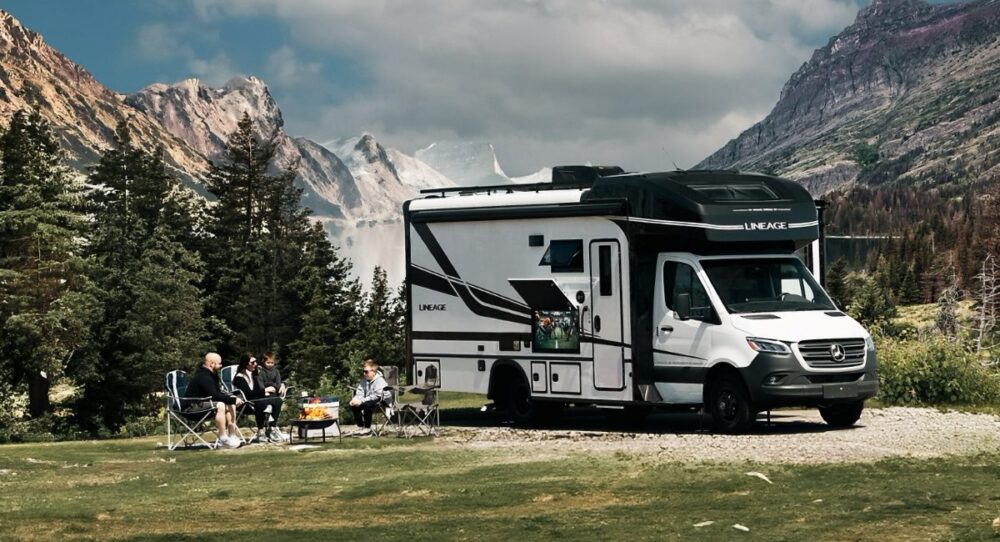
photo: rv.com
Factors Shaping the Price – From the Chassis to the Onboard Spa
Have you ever wondered why one camper costs as much as a small apartment, while another is priced like a decent car? It’s not a coincidence or just the whim of the manufacturer. Behind every price tag lies a specific set of technical and material decisions.
| Factor | Estimated share in the price |
|---|---|
| Base chassis | 15-20% |
| Equipment and materials | 25-35% |
| Onboard technologies | 20-30% |
| Registration and insurance costs | 3-5% per year |
Let’s start with the foundation—the chassis. The difference between a Fiat Ducato and a Mercedes Sprinter isn’t just about the prestige of the brand. A total weight of 3.5 tons lets you drive with a category B license, but limits your options for outfitting. Jumping up to 7.5 tons means you’ll need a C1 license, but it gives you complete freedom in interior design.
The chassis accounts for roughly one-fifth of the total cost. Sounds reasonable, right? But the devil is in the details of the next components.
Premium materials can turn an ordinary camper into a mobile apartment. Leather upholstery, American walnut veneers, smart toilets with bidet functions—each of these features pushes the price higher. We’re not talking about cosmetic tweaks here. It’s the difference between chipboard furniture and hand-finished cabinetry.
Onboard technology is a real cost driver these days. Solar panels with 200–500 W output, 400 Ah lithium batteries, air conditioning systems ready for AI integration—each of these items costs tens of thousands of zlotys. But without them, a modern camper is just a big car with a bed.
Don’t forget about the costs that come after purchase. Registration, excise tax, comprehensive and liability insurance—these add up to an average of 6,000–12,000 PLN per year. If you don’t factor this into your budget, it could be an unpleasant surprise.
Recently, I saw a case study of a client who opted for full interior customization —swapping standard materials for premium, installing a smart lighting system, and upgrading the bathroom. The cost? Exactly 120,000 PLN above the base price.
It sounds like a lot, but when you break it down into individual components, you start to see the logic behind these prices. Every element has its value and impacts the overall functionality of the vehicle.
Now that you know the components, let’s look at some concrete numbers and brands.
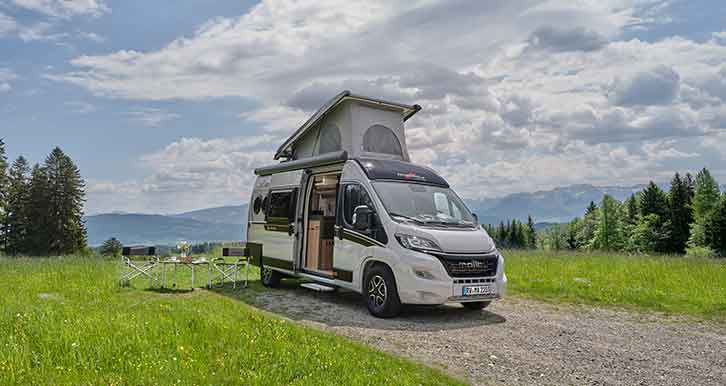
photo: practicalmotorhome.com
Current price ranges and flagship models for 2025
How much do you need to spend today for a decent camper? That’s the question I hear from everyone seriously considering a purchase.
The 2025 market can be divided into three main segments. Entry luxury—the “more affordable” luxury models—range from 500,000 to 800,000 PLN. Next is the mid-range segment, from 800,000 up to one and a half million. And at the top, there’s ultra premium, starting at two million, with the sky as the limit.
| Segment | Price range | Flagship models | Key differentiator |
|---|---|---|---|
| Entry luxury | 500-800k PLN | Weinsberg CaraCore, Malibu Van | Reliable equipment, renowned brands |
| Mid premium | 800k-1.5M PLN | Hymer B-MC, Carthago c-tourer | Advanced technology, design |
| Ultra luxury | 2M+ PLN | Custom MAN with garage, Carthago liner | Full customization |
Weinsberg CaraCore is a solid entry point—with a base price of around 520,000 PLN. German quality, but without unnecessary frills. The Malibu Van is priced similarly, maybe a bit less—480,000 PLN for the basic version. Here, you get a proven Ducato base and a well-thought-out interior layout.
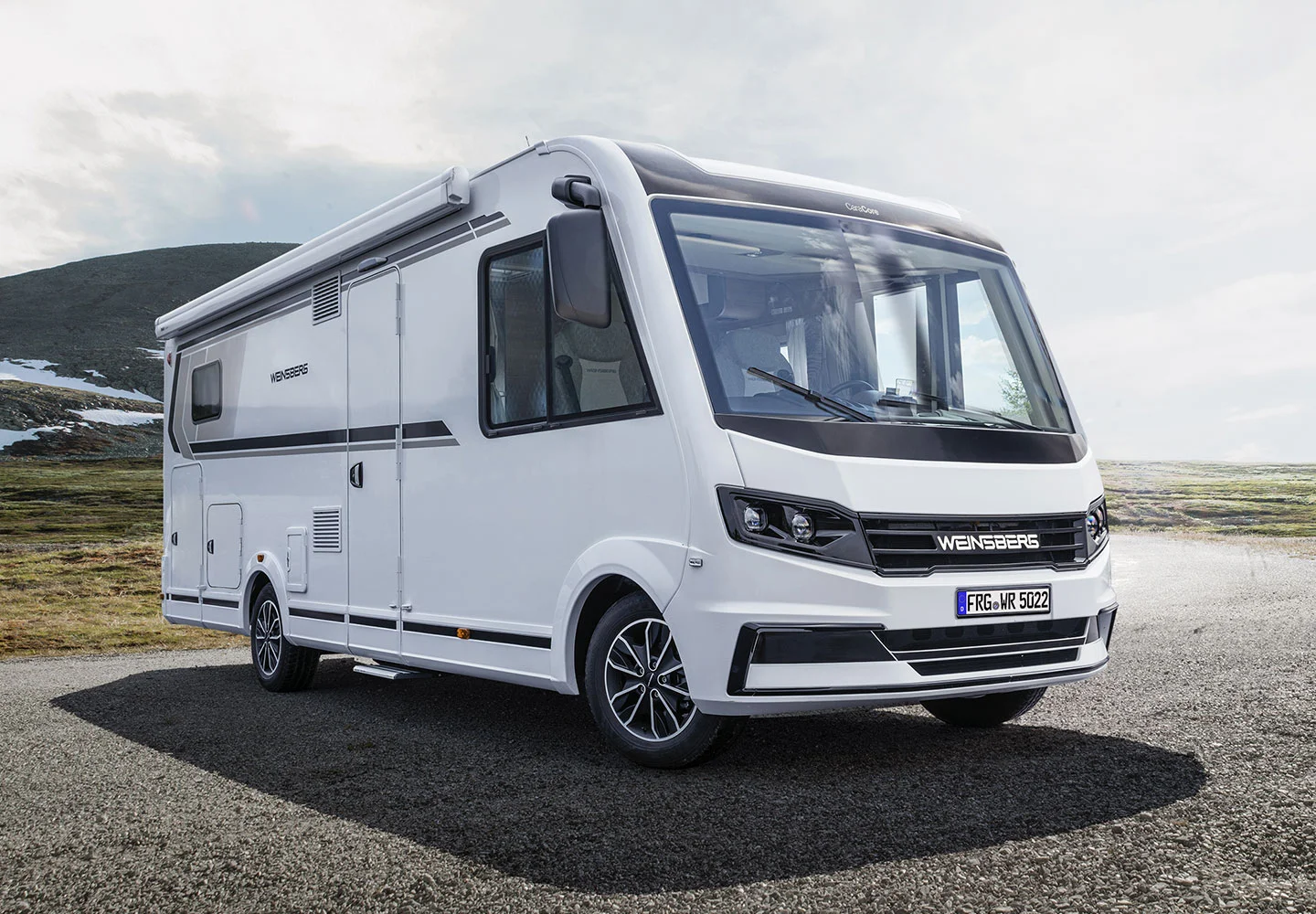
photo: weinsberg.com
Hymer B-MC is already a different price league—starting at 850,000 PLN. But the build quality and technical solutions really make a difference. Carthago c-tourer, on the other hand, starts at 920,000 PLN (200,000 euros at an exchange rate of 4.60). This is a camper for the demanding, with advanced systems and thoughtful design.
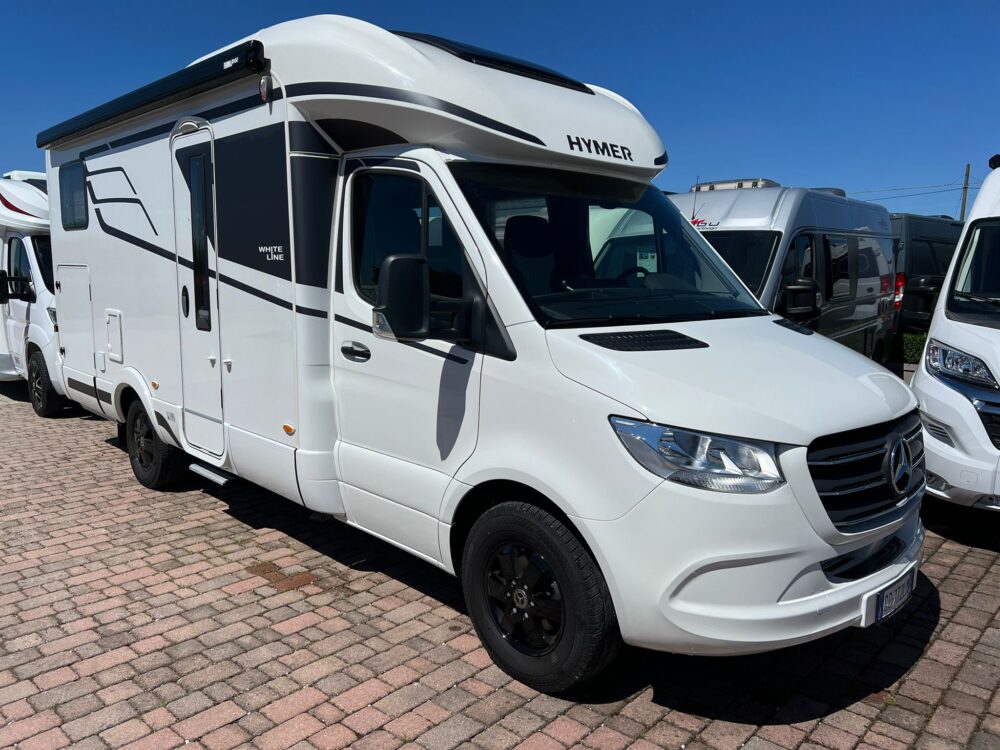
photo: camperis.com
At the top of the pyramid, we have custom builds on a MAN chassis. Such a camper with a garage for motorcycles or quads starts at a minimum of 2.2 million PLN. The Carthago liner-for-two in its full version easily exceeds 3 million.
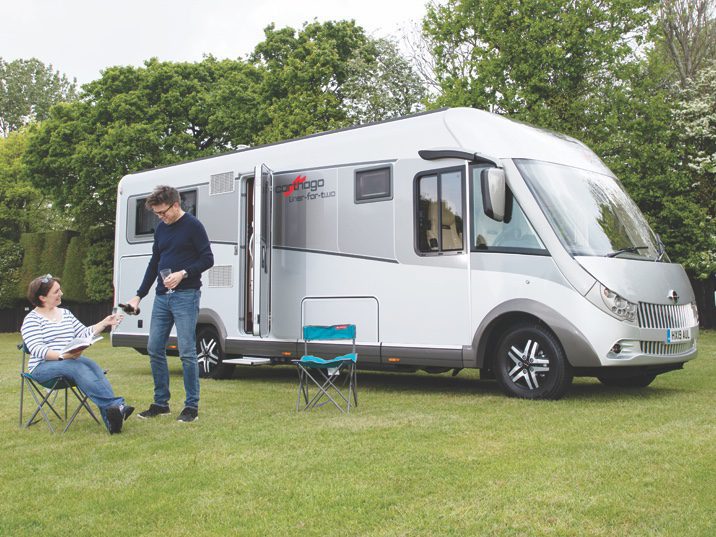
photo: practicalmotorhome.com
It may sound abstract, but it’s worth taking a look at the used market:
| Vehicle age | Average depreciation | Example (new 800k) |
|---|---|---|
| 3 years | 15-20% | 640-680k PLN |
| 5 years | 25-30% | 560-600k PLN |
A three-year-old Hymer for 680,000 instead of 850,000—that sounds more reasonable. Of course, you need to pay attention to its technical condition and service history.
An interesting option is premium rental. A Pilote listed at 600,000 can be rented for around 900 zł per day. It’s a great way to test a specific model before buying. Just remember that in peak season, you need to book well in advance.
All these prices are, of course, base amounts. Additional equipment can raise the price by another 100,000–200,000 zł. But that’s a topic for future discussions about market trends.
Trends and forecasts – where are prices heading by 2030?
Looking at current camper prices, it’s hard not to wonder what’s next. Will these amounts keep rising forever, or are we on the verge of a breakthrough?
The first thing that could change the market is electrification. Already, the Leapmotor B10 costs 119,900 PLN, and Renault is preparing its own electric versions. It might sound odd, but in this case, technology could actually lower the entry barriers. I expect that by 2030, a basic electric camper will cost around 400,000—less than today’s combustion models.
The second trend is the Chinese manufacturers. Jetour is entering Poland in 2025, and they won’t be holding back on pricing. I remember when everyone used to laugh at Chinese cars. Now, nobody’s laughing. It’ll be the same with campers—price pressure from Asia will force European manufacturers to rethink their margins.
Economic cycles are the third piece of the puzzle. The 2022 crash showed just how quickly the market can turn. Suddenly, there were 20 percent discounts, and dealers were begging customers to buy.
CAMPER PRICE FORECAST 2025-2030
═══════════════════════════════

Optimistic scenario:
├─ Global CAGR: 5-7%
├─ Poland CAGR: 10-15%
└─ Entry price: 400k PLN (2030)

Pessimistic scenario:
├─ Oversupply + inflation
├─ Discounts up to 20%
└─ Price stagnation 2026-2028
According to data from motorhome.pl and the European Caravan Federation, global growth is expected to reach 5-7 percent per year. In Poland, it could be even higher—up to 10-15 percent. But that’s assuming the economy continues to grow steadily.
“The camper market in Poland is just getting started. Electrification and competition from Asia could mean that in five years, we’ll be looking at a completely different price landscape,” says an analyst from the automotive industry.
The truth is, no one really knows for sure. Maybe electric campers will become a hit and drive prices down. Or maybe inflation will ruin everything and we’ll end up paying even more. One thing is certain—the market is changing, and it’s worth knowing when to buy.
How to Shop Smart – Key Takeaways and Next Steps
The premium camper market has undergone a true revolution in recent years. Prices are stabilizing after the wild increases during the pandemic, and manufacturers are fighting for every customer. It’s the perfect time for a well-thought-out purchase, as long as you know how to approach it.
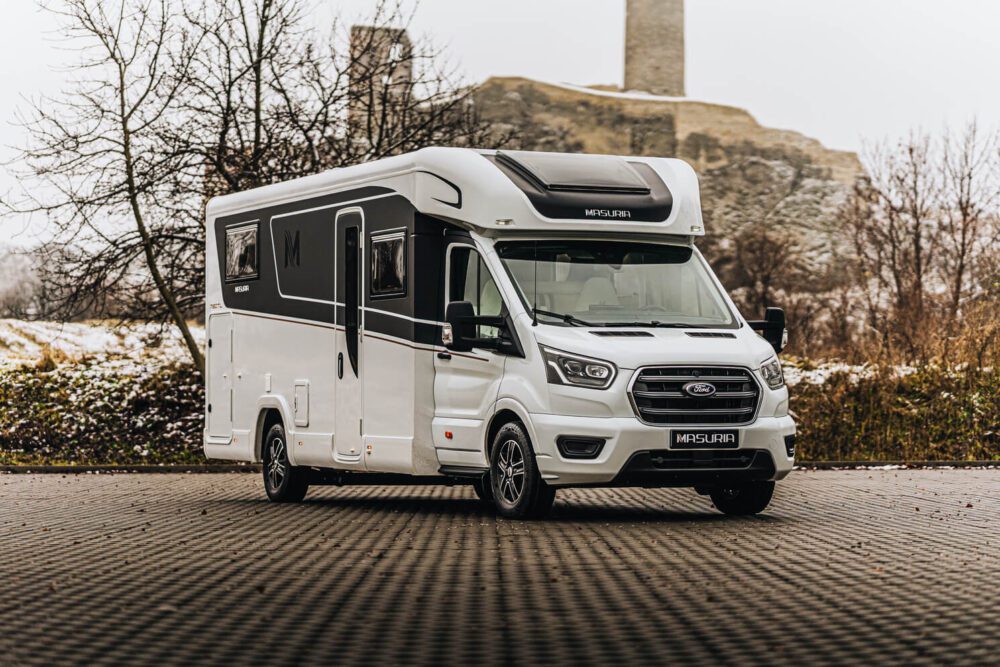
photo: masuria-rv.pl
Now comes the most important decision—new, used, or perhaps a long-term rental?
| Option | Pros | Cons | For whom |
|---|---|---|---|
| New | Warranty, cutting-edge solutions, zero worries | High price, loss of value | Those who plan for long-term use |
| Used | Lower price, less depreciation | Risk of defects, unknown history | Cautious merchants with experience |
| Long-term rental. | No commitments, service included | No ownership, restrictions | Beginners or the undecided |
When it comes to negotiations, take advantage of the current market situation. Dealers are sitting on inventory, and you can negotiate even a 15-20% discount. Especially at the end of the year or quarter, when they’re chasing sales targets.
Here’s your roadmap for the next 12 months:
Months 1-3: Research models, visit showrooms, take test drives
Months 4-6: Choose a specific model, negotiate the price, finalize financing
Months 7-9: Place your order, wait for production (yes, this can take a while)
Months 10-12: Pick up your vehicle, get ready for your first trips, handle the paperwork
The truth is, there’s no such thing as the perfect camper. You’ll have to make compromises—whether it’s on budget, size, or features. But that doesn’t mean you can’t buy smart. Take advantage of current market conditions, don’t get carried away with options you’ll never use, and remember—the best camper is the one you’ll actually drive.
Amadeusz
moto & lifestyle editorial team
Luxury Blog






Leave a Comment