

Luxury Electric Cars 2025 – Top 10 and Buying Guide
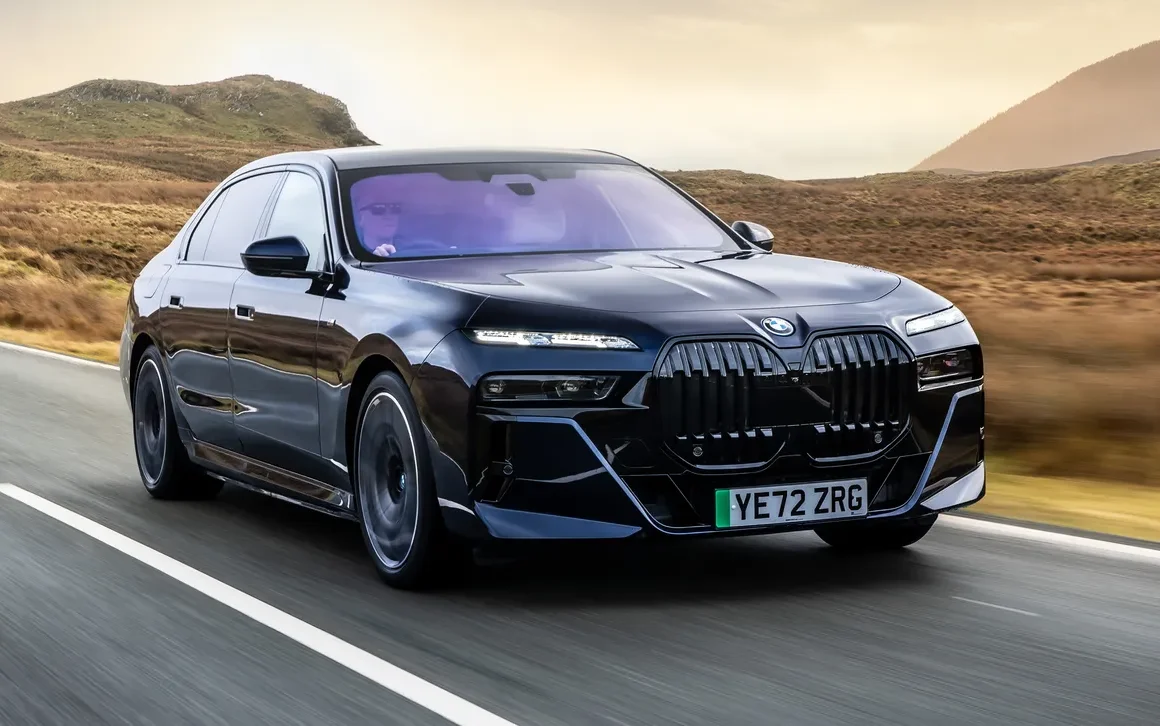
The Chinese BYD Yangwang U9 has just reached 496 km/h – making it the fastest electric car in the world.
Yes, you read that right. An electric car has just broken the speed record. This isn’t some imagined future. It’s happening now, in 2025.
Luxury electric cars are growing at a rate of 20% per year. Every month brings new models that break even more barriers. It’s no longer just about being eco-friendly or saving money. It’s about pure power and prestige.
Top 10 Luxury Electric Cars 2025
As a driver, you’re probably wondering whether electric cars can match up to combustion-engine lamborghinis or ferraris. The answer is: absolutely, and then some. The Tesla Model S Plaid accelerates from 0 to 100 km/h in under 2 seconds. That’s faster than most race cars.
Electric luxury cars are no longer just a niche for tech enthusiasts. They’ve become status symbols for people who want it all—power, comfort, and the latest gadgets. In Poland, more and more people are taking notice, even though there are still plenty of questions.
In this article, you’ll find answers to the most important ones:
• Top 10 ranking – which models are worth considering in 2025
• Luxury technologies – what the most expensive electric cars have to offer
• Costs in Poland – what it really takes to own such a car
• The future of the segment – what changes are on the horizon
Some say it’s still too early for electric cars. I disagree. When I look at BYD’s 496 km/h or Tesla’s two-second acceleration, I see that the future is already here.
Let’s take a look at which models truly deserve the title of the best luxury electric cars this year.
Top 10 luxury electric cars 2025 – ranking and specifications
I’ve been thinking lately about how quickly standards are changing in electric cars. I remember when a 400 km range was something special just a few years ago. Now, it’s almost the bare minimum for premium.
The methodology behind this ranking is based on three main pillars: WLTP range, performance parameters, and the presence of groundbreaking innovations. I also take into account first-hand owner feedback, because theoretical data is one thing, but real-world experience is another.
| Model | Range [km] | Power [HP] | 0-100 km/h [s] | Fun fact |
|---|---|---|---|---|
| Lucid Air Dream | 837 | 1,111 | 2.5 | Glass Cockpit 5K |
| Mercedes EQS 580 | 770 | 523 | 4.3 | MBUX Hyperscreen |
| BMW iX xDrive50 | 630 | 523 | 4.6 | Shy Tech surfaces |
| Audi e-tron GT | 488 | 646 | 3.3 | 800V architecture |
| Porsche Taycan Turbo S | 468 | 761 | 2.8 | Three-chamber suspension |
| Tesla Model S Plaid | 628 | 1,020 | 2.1 | Yoke steering wheel |
| Jaguar I-Pace HSE | 470 | 400 | 4.8 | Torque Vectoring |
| Genesis Electrified GV70 | 455 | 429 | 4.5 | Face Connect |
| Volvo EXC40 Recharge | 418 | 408 | 4.7 | Google built-in |
| Polestar 3 | 610 | 517 | 4.7 | LiDAR standard |
Lucid Air remains the range king despite competition from German premium brands. Mercedes EQS is a master at blending luxury features with everyday practicality.
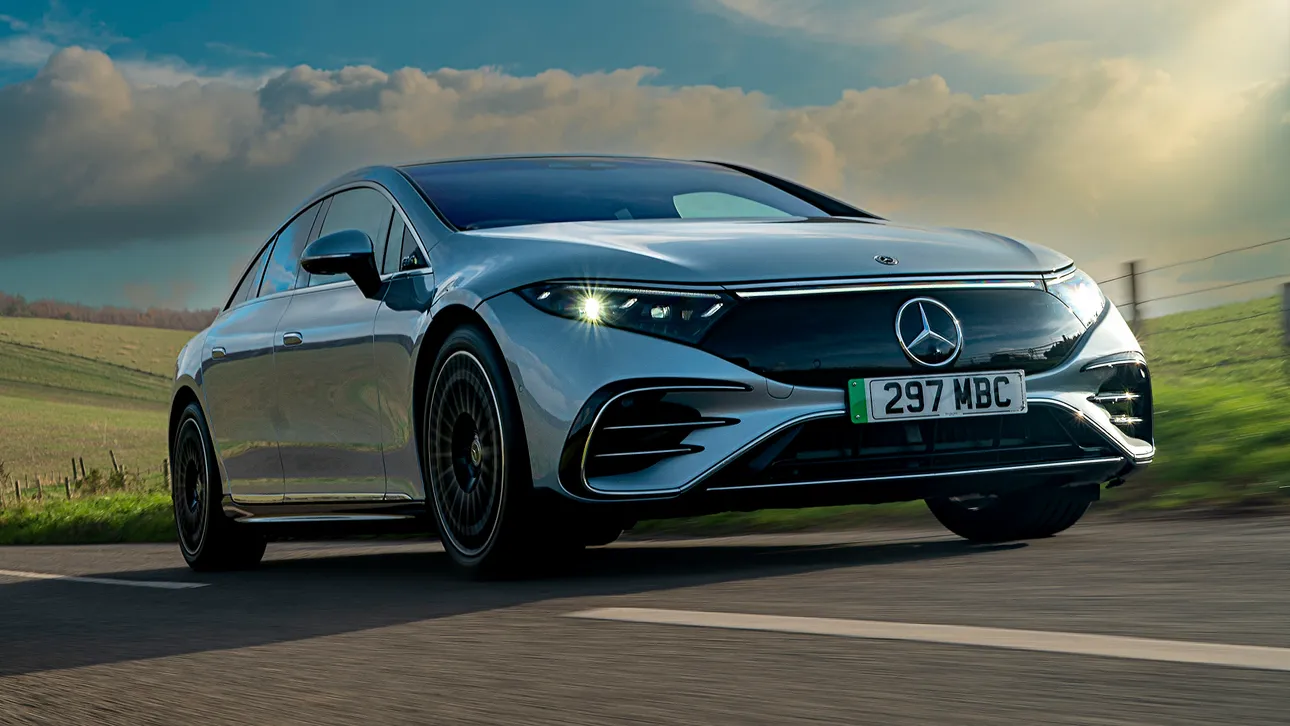
photo: topgear.com
Porsche Taycan continues to set the benchmark for driving dynamics, even if range isn’t its strongest suit.
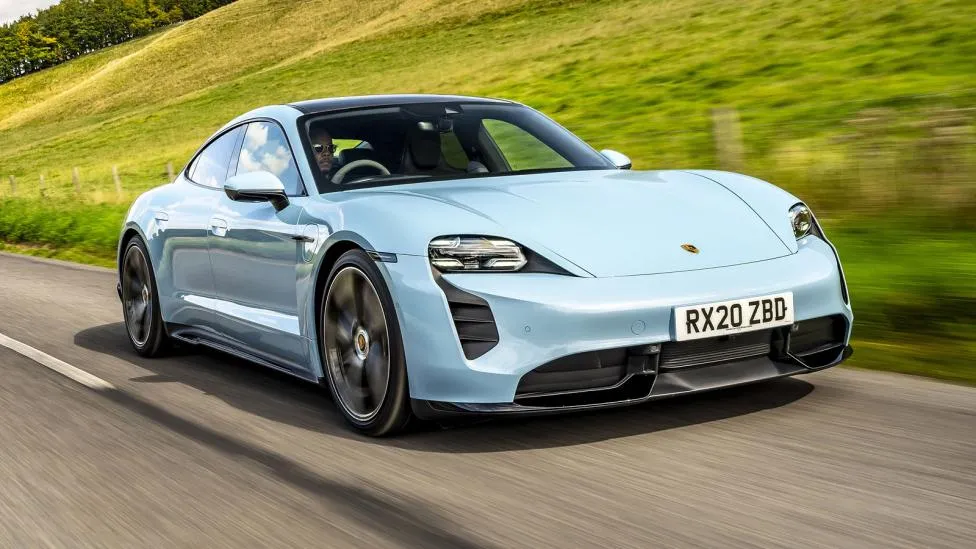
photo: topgear.com
Looking at these figures, the divide is clear. Americans focus on raw power and range—Lucid and Tesla are prime examples. The Germans aim for a balanced approach, trying not to have any weak spots. And the Scandinavians? Quietly developing technologies that will become the standard everywhere in a few years.
It’s fascinating how different the manufacturers’ priorities are. BMW focuses on visual minimalism, Audi on fast charging, and Volvo on Google ecosystem integration. This shows the luxury EV market is still taking shape.
A range above 600 km is now reality, not just a promise. Power exceeding 1,000 hp is no longer extraordinary. The real competition is shifting to innovation—whether it’s artificial intelligence, autonomous driving, or entirely new materials.
These specs are just the beginning of the story of modern luxury EVs.
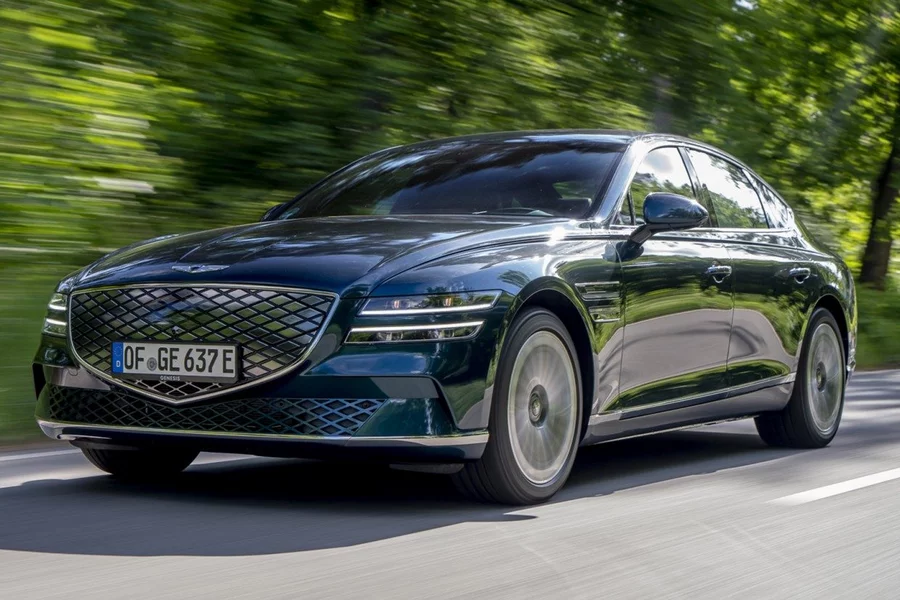
photo: evmagazine.com
Secrets of Luxury: Technology, Materials, and the Driving Experience
I’m sitting in the driver’s seat, touching the screen. The response is instant—the system already knows what I need. This isn’t an ordinary car. It’s a machine that thinks alongside me.
Cockpits of the future today
Mercedes-Benz EQS features something called the MBUX Hyperscreen. It’s essentially three displays merged into one massive 141 cm-wide panel. But it’s not just about size—it’s about a system that learns your habits.
⚡ Fun fact: The MBUX Hyperscreen can remember over 20 user profiles. If you always call your wife at 6:00 PM on Thursdays, the system will automatically suggest making the call.
Artificial intelligence analyzes your every move. If you often adjust the temperature after turning on the air conditioning, next time the system will set the optimal value right away. “It’s like having a personal assistant who never has a bad day,” says Tomasz, an EQS owner from Warsaw.
Materials that make sense
I remember the first time I heard about “vegan leather” in cars. It sounded like a marketing gimmick. But in the Polestar 3, it actually makes sense.
The Swedes use materials made from recycled PET. A single plastic bottle can become part of the upholstery. WeaveTech—the name of their innovative material—looks like leather but is made from waste.
⚡ Fun fact: Each Polestar 3 contains material from about 50 plastic bottles. It’s not just about sustainability—it’s also about long-lasting durability.
Touch matters. Alcantara on the steering wheel, brushed aluminum, wood from certified forests. Every element is thoughtfully chosen. There are no random materials.
Service that’s out of this world
NIO came up with something brilliant – battery swap stations. You drive in, a robot swaps your battery in 5 minutes, and you’re back on the road. No charging, no waiting.
⚡ Fun fact: A single NIO Power Swap station can handle 312 battery swaps a day. It’s like refueling, only faster.
“I stopped worrying about range. I just drive,” says Marcin, a NIO ES8 owner. That’s true luxury – peace of mind.
Premium dealerships offer home pickup for servicing. You hand over your keys, get a replacement car, and when it’s done, your vehicle comes back spotless and ready to go.
Today’s customers expect more than just transportation. They want an experience that justifies the expense. A premium electric car is an investment in comfort, technology, and status. The question is – is it all worth the price?
Buying in Poland: prices, subsidies, and the real cost of ownership
How much does a luxury electric car really cost in Poland? That’s what I wondered when I recently checked the price of the NIO ES8. The difference between the price in Europe and China is shocking — here it’s 410,000 PLN, over there just 172,000 PLN. That’s the result of customs duties and VAT, but it still hurts.
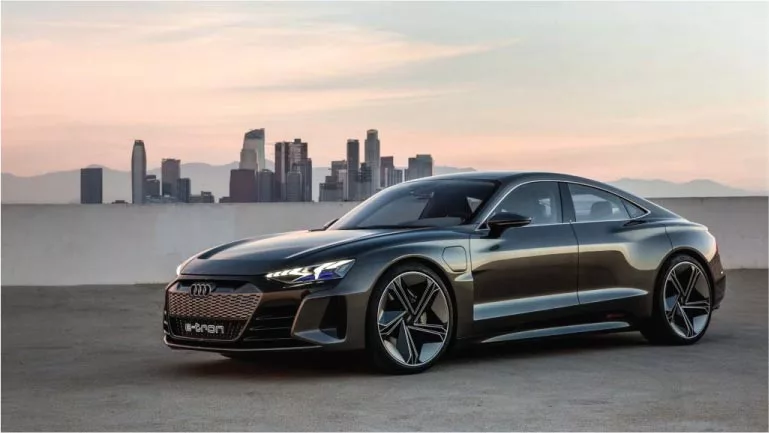
photo: evpowerhouse.com.au
| Model | Purchase price | Surcharges | Charging cost/100km | Annual insurance |
|---|---|---|---|---|
| BMW iX xDrive50 | 450,000 PLN | 40,000 PLN | 45 PLN | 8,500 PLN |
| Mercedes EQS 450+ | 520,000 PLN | 40,000 PLN | 42 PLN | 9,200 PLN |
| NIO ES8 | 410,000 PLN | 40,000 PLN | 48 PLN | 7,800 PLN |
The “Mój Elektryk 2.0” program offers up to 40,000 PLN in subsidies for individuals. That’s quite a lot, although with current prices, it’s just a drop in the ocean.
Depreciation and resale
Here, I have bad news. Luxury electric cars lose 40-60% of their value after 2-3 years. That’s more than their combustion-engine counterparts. The used market is still unpredictable, and buyers are cautious. A friend of mine sold a one-year-old Tesla Model S—he lost 180,000. I told him he should have bought a used BMW.
Charging network in Poland
As of 15.03.2025, things look better than a year ago. We have around 8,200 charging points, of which 2,100 are fast DC chargers. Ionity and Orlen cover the main routes, but in smaller towns you still need to plan ahead. The PlugShare app gives a real picture—some points work, others don’t.
3 steps to get the subsidy:
- Submit your application via the gov.pl portal by 30.09.2025
- Attach the invoice and vehicle documents
- Wait 2-3 months for the transfer
One more thing – there are unconfirmed rumors about a luxury tax starting in 2026. Apparently, it would apply to cars costing over 300,000 PLN. The government hasn’t confirmed this officially, but it’s worth keeping in mind.
Realistically, buying a luxury electric car is now a sport for the wealthy. Subsidies help, but the overall costs are still high. Maybe things will improve in a few years.
To the starting line – it’s your move
I remember seeing the first Teslas on Polish roads a few years ago. They seemed like something from the future. Today? Pattern predicts that in 2025 we’ll sell 18 million electric cars globally. This isn’t the future anymore—it’s happening now.
The data is clear—by 2030, half of all cars sold will be electric. I’m not sure we realize just how fast this is all happening. Not long ago, we were wondering if it would happen at all, and now the question is when and which ones.
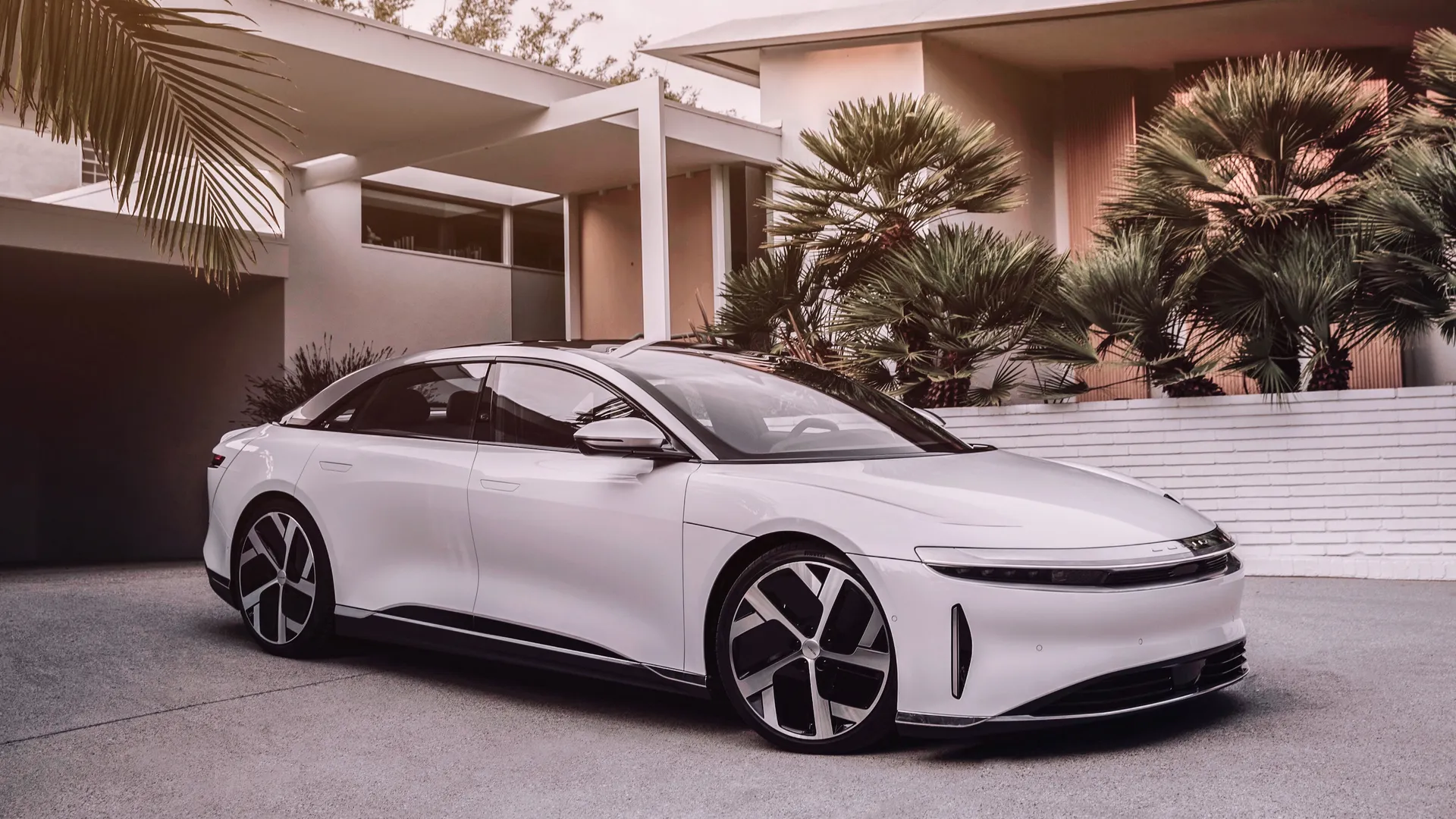
photo: architecturaldigest.com
What can you do in the next 30 days? I’ve tested this myself and I know these steps work:
- Book a test drive—not just for one model, but at least three different ones. Each one drives differently.
- Calculate your subsidies using the government calculator – you might get more money than you think
- Follow the secondary market – prices are stabilizing and interesting opportunities are emerging
The future just around the corner
Solid-state batteries are no longer science fiction. By 2027, the first cars equipped with these batteries will hit showrooms. Charging will take just minutes instead of hours, and the range will rival that of gasoline vehicles. At the same time, AI is taking over customer service—not just chatbots, but real assistants that learn your preferences.
Sometimes I think about how wrong I was to believe electric cars were just a fad for the wealthy. Now I see it’s simply a logical step forward. Costs are dropping, the technology is maturing, and the infrastructure is expanding.
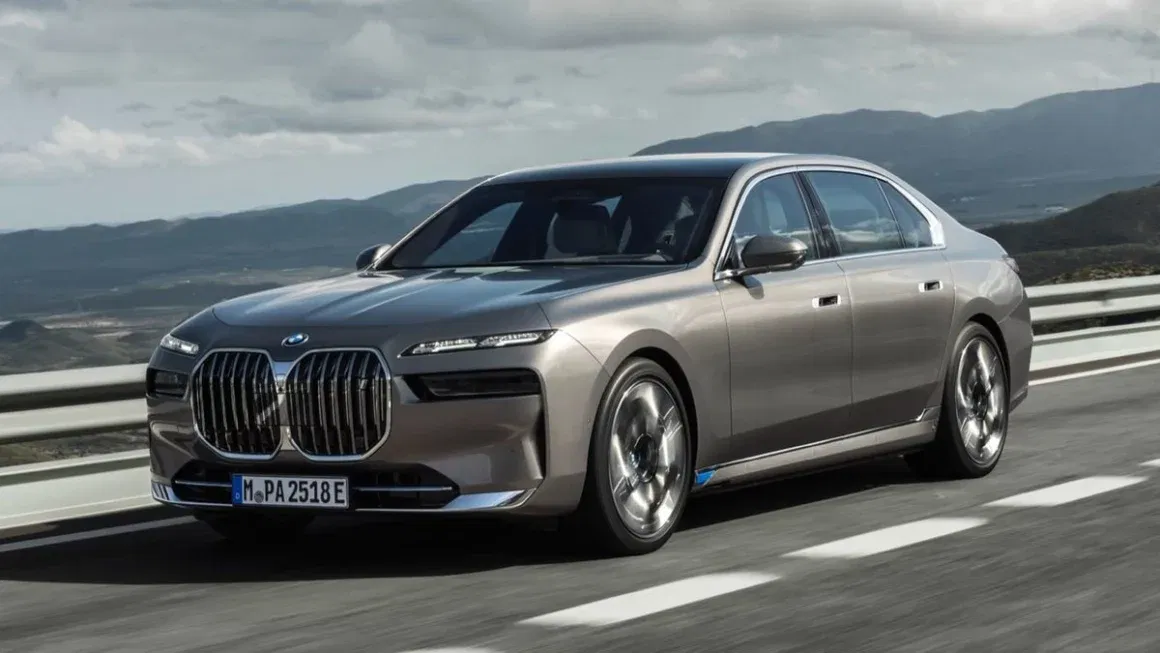
photo: spinny.com
You don’t have to be an early adopter to benefit. But it’s worth starting to observe, test, and calculate now. The market is changing faster than our habits, and making an informed choice takes time to consider.
Kris
lifestyle & business editor
LuxuryBlog






Leave a Comment