

Jewelry as an Investment: What Should You Know Before Buying?
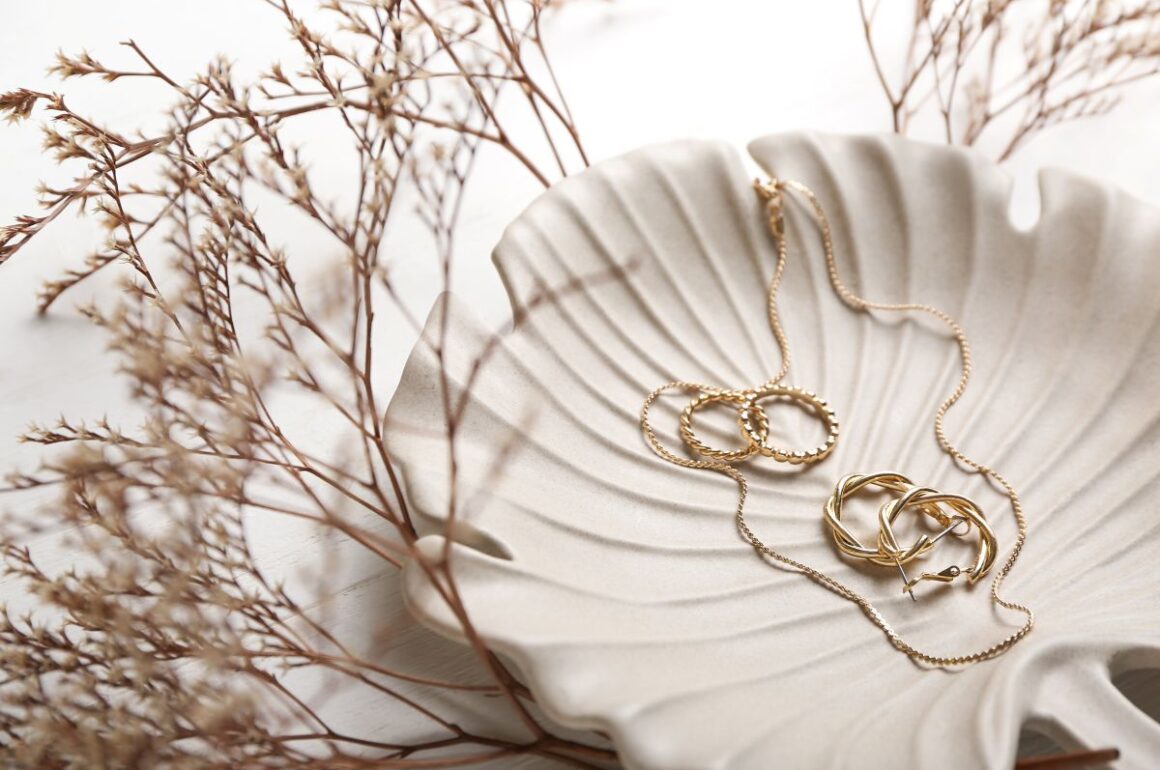
Jewelry has always combined aesthetic appeal with practical function. Today, as people seek alternative ways to invest their capital, it is increasingly becoming a conscious investment choice. A well-chosen ring or necklace not only delights with its craftsmanship but can also retain or even increase its value over time. What should you know before treating jewelry as more than just a beautiful accessory? How can you make informed investment decisions?
Introduction to Jewelry Investment
History shows that gold and precious stones have served as a means of safeguarding wealth for centuries. Jewelry has been used as a form of payment, a part of dowries, and a tangible symbol of status. Modern jewelry can serve a similar purpose—provided it is chosen wisely.
Unlike traditional forms of investment such as stocks or real estate, jewelry offers something more—a personal connection with the object. You can wear it, inherit it, and pass it on. Its value depends not only on the price of precious metals or stones, but also on its history, craftsmanship, and the emotions it carries.
Types of investment jewelry
Jewelry can take many forms, and while each piece may hold sentimental value for someone, not all of them make good investments. The materials used, craftsmanship, and timeless design are key factors. The greatest stability is offered by high-karat gold, platinum, and silver pieces, especially when adorned with natural gemstones.
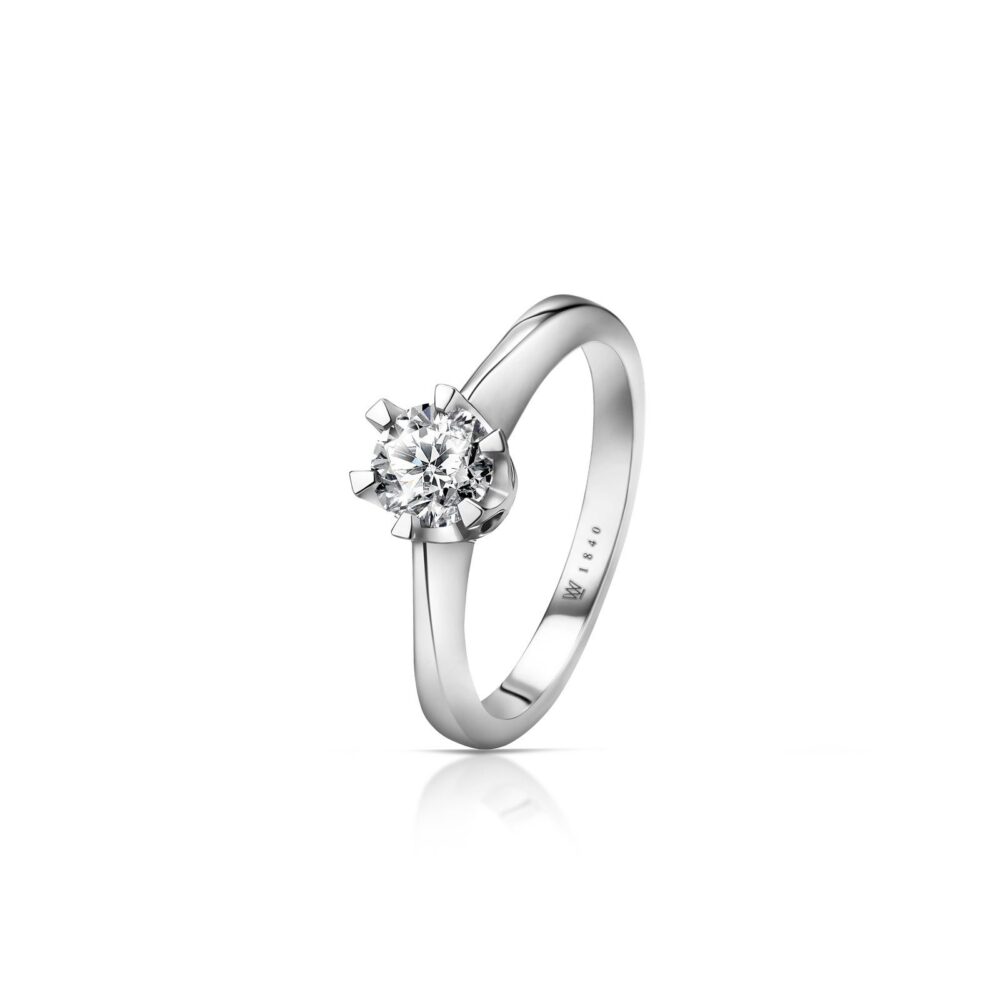
Diamond engagement rings have remained one of the most reliable choices for years. Their symbolic value and timeless beauty make them popular regardless of changing trends. However, earrings set with sapphires, emeralds, or other precious gemstones can be just as stunning—especially when they feature a simple, elegant design.
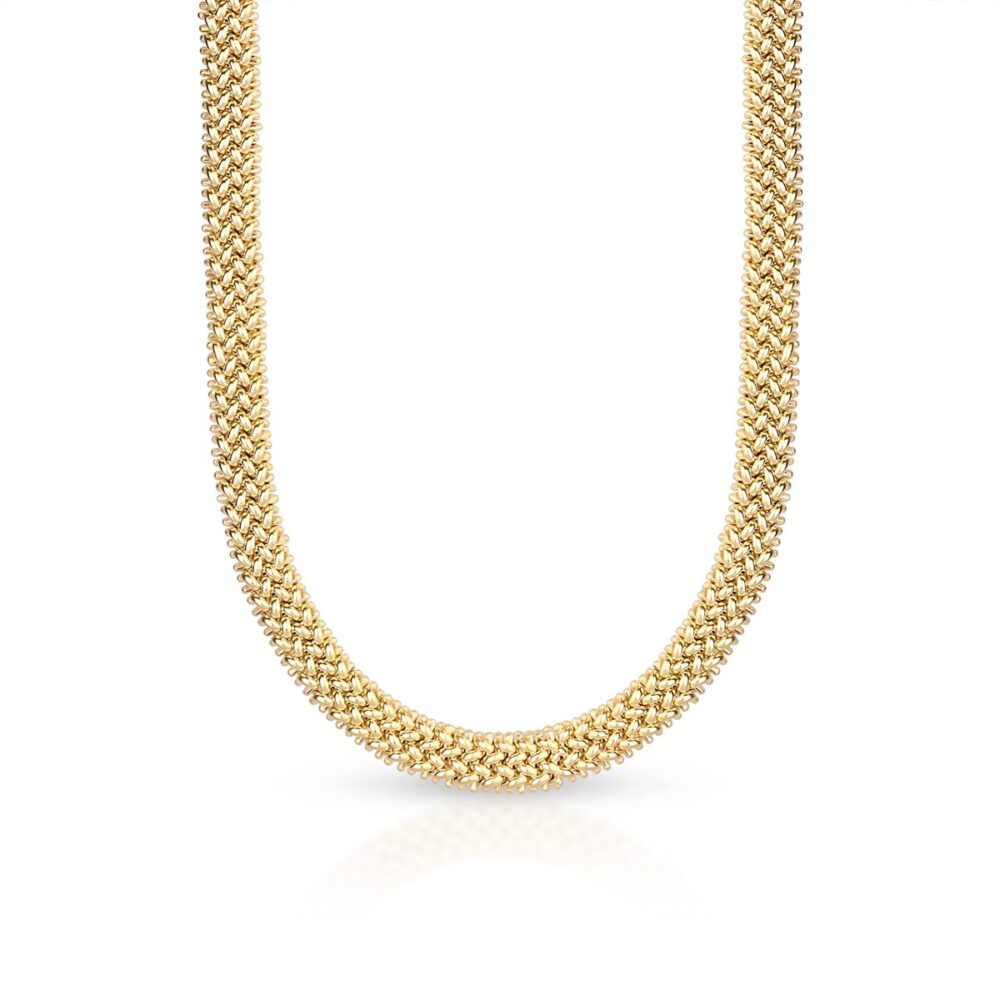
Necklaces are another category of jewelry with investment potential. In this case, gold jewelry is especially valued. Delicate chains with pendants, medallions with a story, or modern designs featuring natural stones—if they are carefully crafted and well preserved, they can retain or even increase their value. The same applies to bracelets—chunky, pure gold pieces can be easily appraised and sold.
It’s impossible to overlook collectible and vintage jewelry. Pieces from past decades—especially the 1950s, 60s, or 80s—are highly valued today by both collectors and investors. Handcrafted, signed by renowned jewelers, or featuring unique details, they often become prized additions to private collections.
It’s worth remembering that investment jewelry isn’t limited to classic designs. More and more often, investors are turning their attention to pieces by contemporary artists, limited editions, or jewelry inspired by nature. What they all have in common is meticulous craftsmanship, durable materials, and the potential to become something more than just an accessory over time.

The value of gemstones
Gemstones are at the heart of many jewelry pieces. Their value is no coincidence—key characteristics determine the quality of gemstones: carat (weight), color, clarity, rarity, and cut. Diamonds with high parameters and certification are a safe choice, but by no means the only one.
Colored gemstones such as sapphires, rubies, and emeralds are gaining popularity on the market. While they are somewhat more niche, their vibrant color, natural origin, and rarity give them significant investment potential. A gemstone in the right setting, especially with quality documentation, becomes an asset that combines beauty and value.
How to invest in jewelry wisely?
You don’t need to be an expert to make a good choice—but it’s worth having a plan. If you’re looking for a quick return, consider limited collections or jewelry from renowned designers. On the other hand, if you see jewelry as a long-term investment, it’s better to choose a timeless piece that will remain relevant regardless of changing trends.
Choose high-quality products with verified composition and certified stones. And remember—this is one of the few investments you can wear, enjoy, and watch its value grow at the same time.
The most common mistakes made by investors
The first and most common mistake? Buying on impulse—just because you like something. Aesthetics matter, but when it comes to investment jewelry, material quality, brand reputation, craftsmanship, and provenance are just as important.
Many people also forget about proper care and appropriate storage of jewelry. Precious pieces should be kept in a dry place, preferably in their original packaging or a jewelry box with a soft lining. Exposure to moisture or improper use can diminish their value.
Finally – it’s worth keeping an eye on the market. Fluctuations in metal prices, gemstone availability, and current trends all affect the value of jewelry. Take advantage of the expertise of jewelers, specialists, and industry publications – that’s the best way to make an informed decision.
Trends in the investment jewelry market
Interest in jewelry as an investment is steadily growing. Today’s clients seek not only beauty and quality, but also transparency regarding material origins and a unique character. Certified pieces, limited editions, and handcrafted designs by renowned creators are becoming increasingly popular. High quality and distinctive design are now just as important as the value of the raw materials.
The perception of jewelry itself is also changing. Instead of being locked away in a safe, it is meant to be worn and experienced. That’s why in the collections, aesthetics go hand in hand with durability, and classic style is combined with a modern approach to design, giving each piece its own unique character.

Market outlook for the future
The future of the investment jewelry market looks promising. Rising gold and silver prices, increasing demand for natural gemstones, and changing consumer attitudes suggest that jewelry will continue to be seen as an attractive way to invest capital.
Experts predict a growing interest in products with verified authenticity and limited availability. Trends also point to the increasing importance of sustainable jewelry—pieces created with respect for the environment and ethical standards. All of this makes the future of the jewelry market look not only stable but also inspiring.
Sponsored article




Leave a Comment