

Japan Cup – 2,400 m, record 2:20.3 and the return of global competition
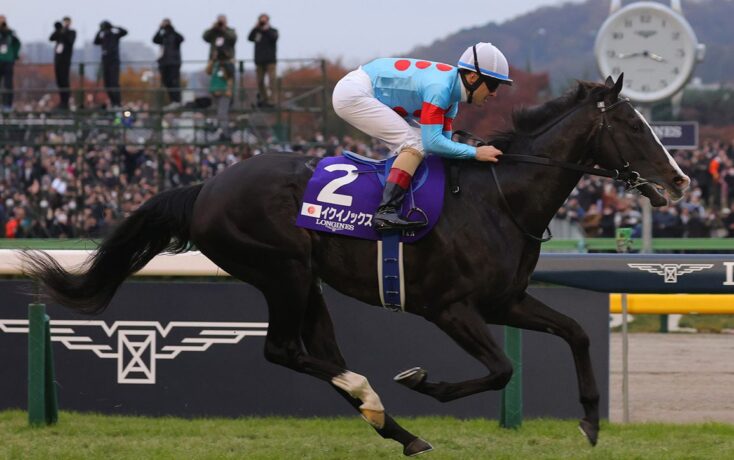
On the last Sunday of November 2025, Calandagan stopped the clock at 2:20.3 and did something no one from Europe had achieved in twenty years—won the Japan Cup. The first foreign victory since 2005, a record time on wet turf—this was the moment when the entire equestrian world turned its eyes back to Fuchū.
The Japan Cup is an invitational G1 turf race that, since 1981, has tested the world’s best horses over 2,400 meters:
- Where: Tokyo Racecourse (Fuchū), suburbs of the capital
- When: the last Sunday of November, starting at 3:40 PM Tokyo time
- Status: IFHA recognized the 2023 edition as the World’s Best Race after Equinox’s victory
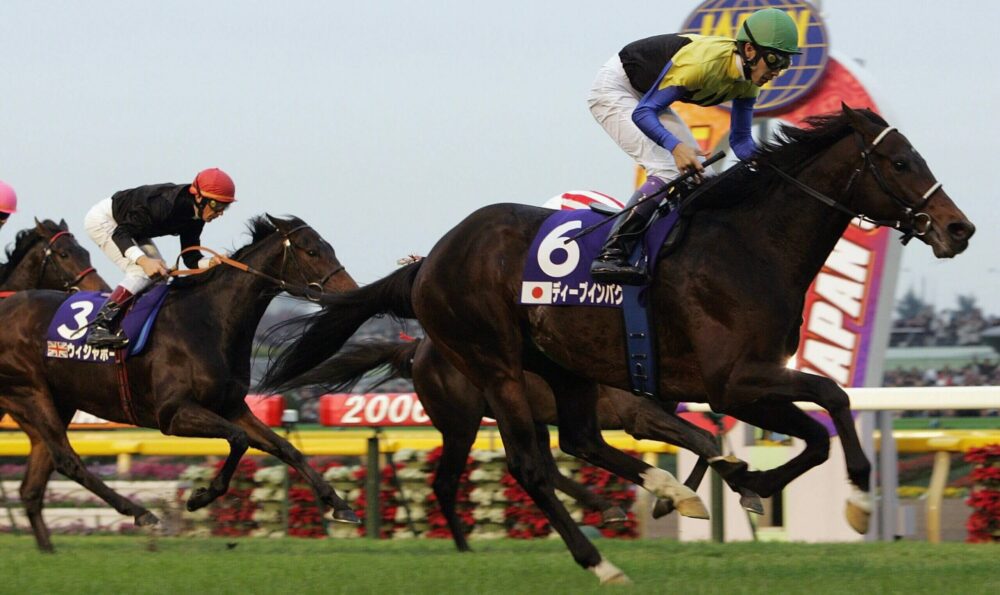
photo: asianracingreport.com
Japan Cup – what is it really?
Because for two decades, it was practically a Japanese championship with international guests. The hosts kept winning time after time, while the visitors usually went home with the consolation that well, at least they made the trip. Calandagan’s victory broke that streak and showed that true global competition has returned. The next edition on 29.11.2026 is therefore shaping up to be completely different.
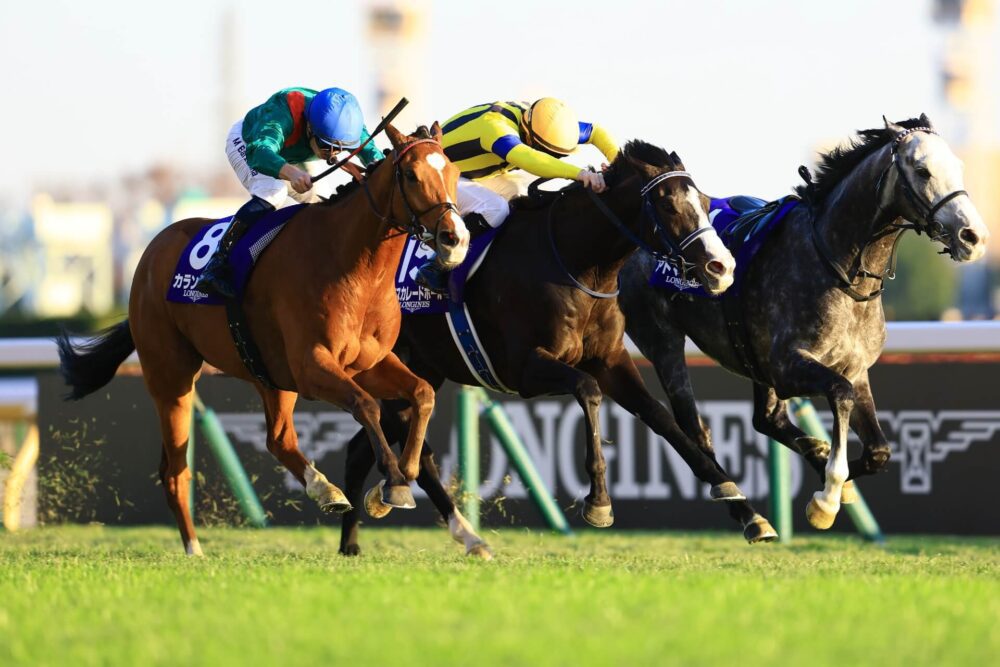
photo: idolhorse.com
In the following sections, we’ll look at the format and conditions of this race, as well as what the history and record table reveal. Because the numbers can be surprising.
Race parameters
Let’s start with the basics. The Japan Cup is 2,400 meters on turf, left-handed, at Tokyo Racecourse. The start is always at 3:40 PM Japanese time, on the last Sunday of November (in 2026, that’s November 29). Starting field? A maximum of 18 horses, with up to 10 allowed to be trained abroad. Longines has sponsored the event since 2014, and it shows everywhere.
| Parameter | Value |
|---|---|
| Distance | 2,400 m |
| Surface | grass |
| Direction | bidirectionally |
| Start | 15:40 JST |
| Date | the last Sunday of November |
| Field | up to 18 horses (max. 10 foreign) |
| Pula 2025 | 1,090,000,000 ¥ (winner: 500,000,000 ¥) |
Track in Tokyo
Well, and this is where the fun begins. The track measures 2,083 m in circumference, with a width ranging from 31 to 41 m, and the final straight is 525 m long. It sounds harmless, but the devil is in the details—the last 400 m are uphill, with an elevation gain of +2 m. Halfway through the track, there’s another short climb (+1.2 m over 60 m). This favors durable horses and those that finish from behind; a charge down the final straight requires strength, not just speed.
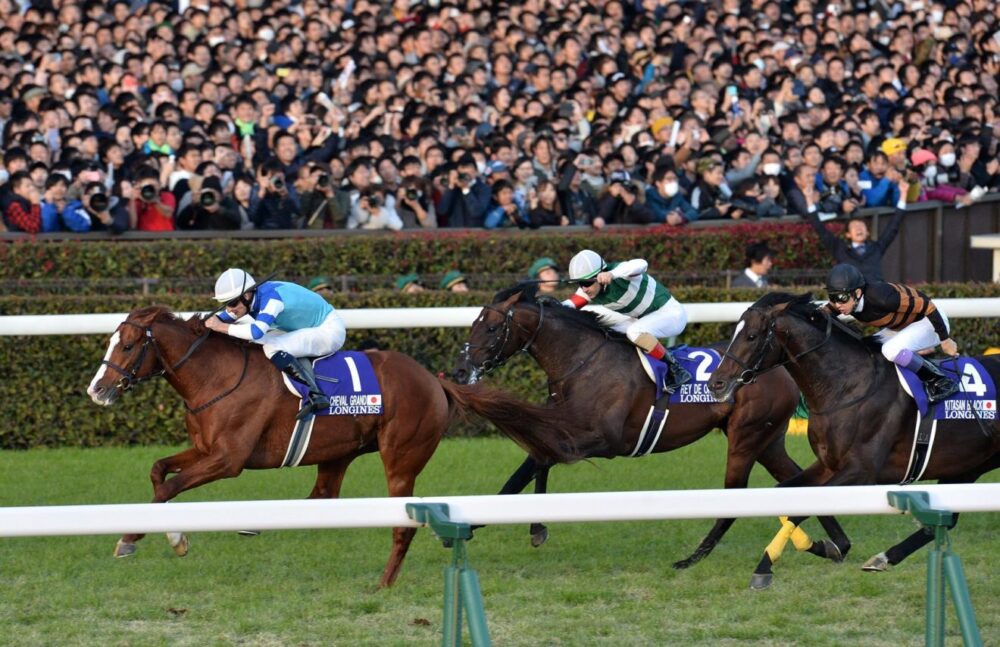
photo: japan-forward.com
Weights? 58 kg for four-year-olds and older, 56 kg for three-year-olds (southern hemisphere crop is 2022). Mares get a 2 kg allowance. The draw for starting gates matters—inside numbers have given an advantage (data from 2014–2024), though the race itself is always decisive. Since 2026, the top G1 winners can claim additional bonuses of 3–5 million dollars.
Milestones
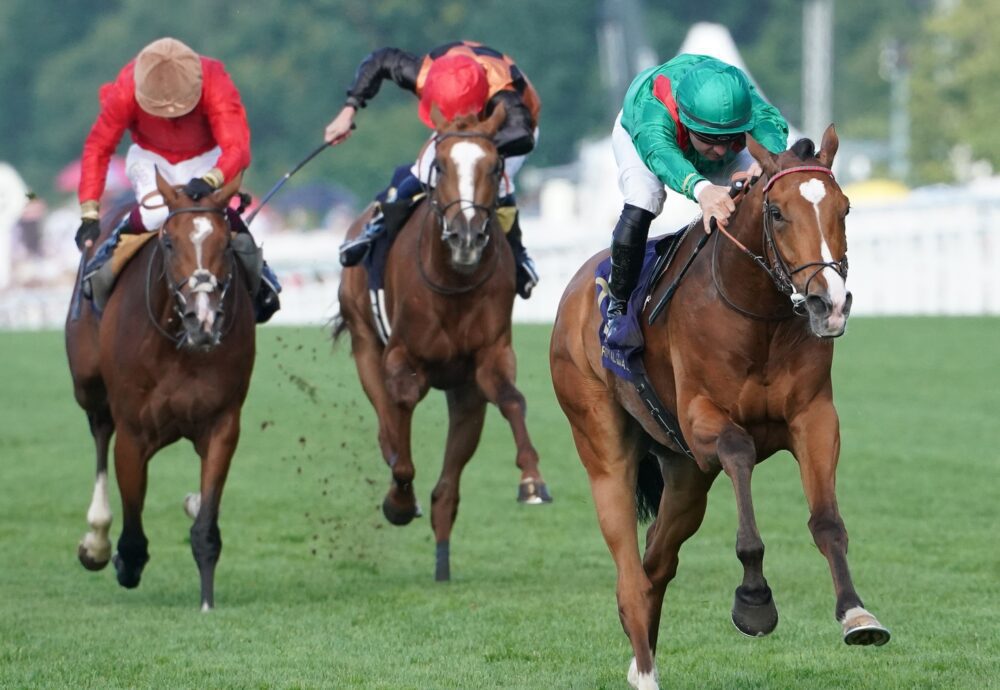
photo: idolhorse.com
The Japan Cup debuted on November 22, 1981, with stands full of curious spectators and a rather uncertain idea to invite the world’s top competitors to Tokyo. The inaugural race was won by Mairzy Doates, but it wasn’t until 1984 that it gained G1 status and saw its first Japanese victory (Katsuragi Ace). Since then, the race has steadily gained prestige.
The year 2002 was an exception, as the race was held once at Nakayama over 2,200 meters, with Falbrav taking the win. In 2019, the subtitle Deep Impact Memorial was added to honor the stud farm legend. The year 2023 marked the moment when IFHA named the event the World’s Best Race, mainly thanks to Equinox’s dominance. And finally, 2025, when Calandagan (IRE) completed the distance in 2:20.3, breaking the record and ending a 19-year streak of Japanese victories (2006-2024).
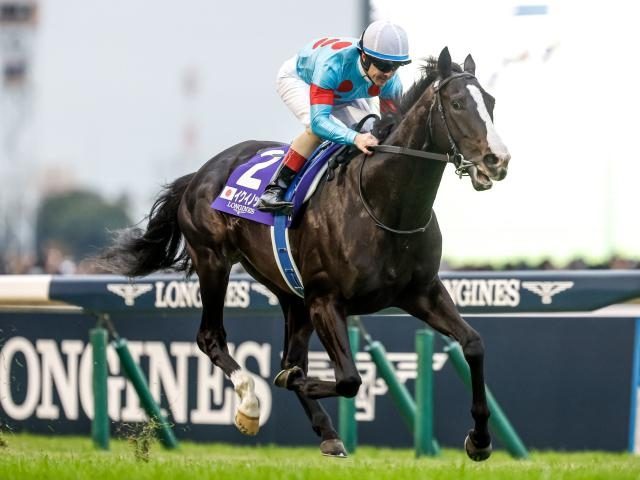
photo: en.netkeiba.com
Records and dominance
The slowest finish? 2:28.8 in 1985, when the track was heavy. The largest margin was 9 lengths (2003), the oldest winner was 7 years old (Jupiter Island, 1986). Yutaka Take collected trophies as many as five times, and two horses repeated their triumphs: Gentildonna and Almond Eye. The controversial 2010 edition (Buena Vista’s demotion after 24 minutes of investigation) and the subsequent implementation of Category 1 rules in 2013 were intended to reduce such confusion. The return of foreign winners in 2025 is seen by some as the end of an era.
The last 400 meters
Japan Cup is more than just another race on the calendar. It’s a benchmark, a global test of form on a track that forgives no weakness. When the winner surges on the final straight with a time of 2:20, we know we’re watching the very best. And as this prestige returns to the world stage in 2025, it becomes clear that the Tokyo straight remains one of the toughest arenas for long-distance horses.
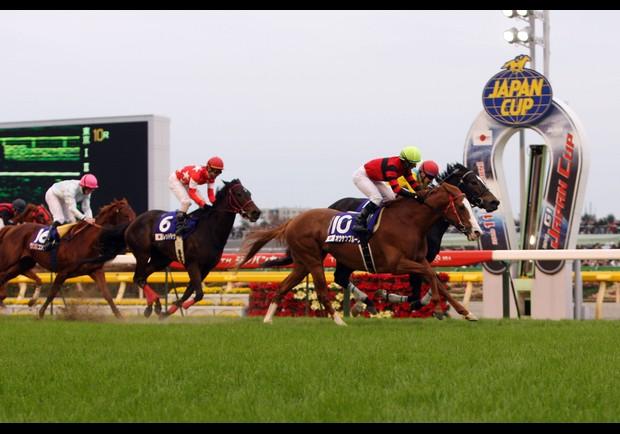
photo: forbes.com
The track in Tokyo demands not only speed, but also tactics and endurance. The final 400 meters is where every mistake is costly and every second counts. That’s why records here mean more than anywhere else.
Here’s why it’s worth following this race. Because it tells us the truth about the state of racing.
Tricky 79
sports editorial team





Leave a Comment