

Is Coach a luxury brand – how should it really be classified?
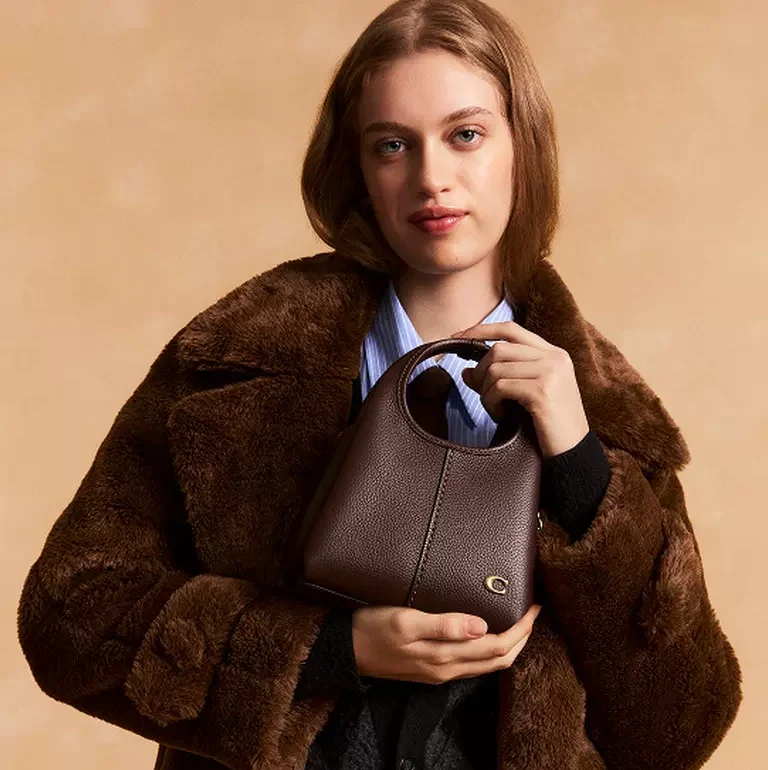
Have you ever wondered, standing in front of Coach in the mall, whether that handbag really “counts” as luxury? You’re not alone. The brand with the distinctive “C” logo evokes mixed feelings—some place it alongside Michael Kors in the “accessible premium” category, while others defend its heritage and quality.
A few facts to start with:
- Founded: 1941, New York – a small leather accessories workshop
- Specialization: handbags, wallets, footwear, and leather clothing
- Status today: a global fashion house present in several dozen countries
- Positioning: so-called accessible luxury – luxury within reach
Coach describes itself as a brand that creates “beautiful things with durability and everyday use in mind.” And this statement gets to the heart of the dilemma: can something meant for daily wear and costing 1,500 PLN (not 15,000) truly be considered “real” luxury?

photo: world.coach.com
Is Coach a luxury brand and why is it constantly talked about
The industry uses the terms “premium luxury” and “accessible luxury” to distinguish Coach from ultra-luxury brands like Hermès or Chanel — but also from mass-market H&M. This is an intermediate segment that promises quality and prestige without a mortgage.
In the following sections, we’ll break this down: how Coach compares in terms of price, what its history reveals, and how to make informed shopping decisions.

photo: world.coach.com
Where does Coach stand on the luxury map – positioning and prices
You’ll usually pay between 800 and 4,000 PLN for an iconic Coach bag in Poland—a solid investment, but still far from the prices of Chanel or Hermès, where entry-level models start at several tens of thousands. And it’s precisely within this price range that the whole concept of “accessible luxury” fits: the brand offers genuine quality—tanned leathers, the signature “C” monogram, sturdy craftsmanship—yet doesn’t close itself off in an unattainable sphere. Globally, Coach bags cost around $200–$5,000 (with an average of about $1,000), so it’s a premium level, but not an extreme one.
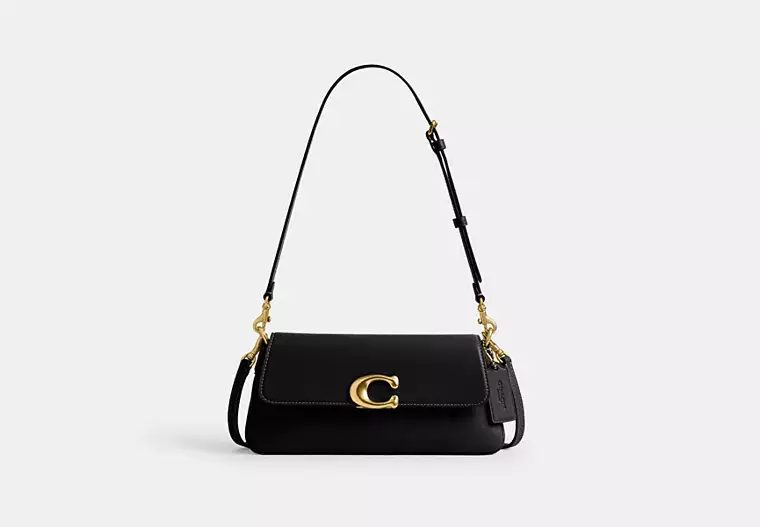
photo: world.coach.com
Accessible luxury in practice – what does it mean for your wallet?
Accessible luxury is, in practice, the golden mean: you enjoy higher prestige than mass-market premium brands, but you don’t have to wait on a reservation list or take out a loan. Michael Kors is usually priced a bit lower (sometimes dropping significantly during sales), Tory Burch is in a similar segment, while ultra-luxury (Louis Vuitton, Hermès, Chanel) starts at around 8,000–10,000 PLN and goes up from there. Coach is available at exclusive multibrand stores—Vitkac, Moliera2, PRM—as well as major platforms like Zalando and Luxuryproducts.pl. Presence in outlets and online sales is a fact, but it doesn’t change the standard: high-quality materials and meticulous craftsmanship, not fast premium fashion.
From a Manhattan workshop to a global icon Coach
The most important milestones in Coach’s history
Coach started out very modestly – in 1941, in a small loft in Manhattan, with six craftsmen making leather accessories. The name came from baseball gloves: their structure and durability inspired the founders to create handbags designed to last for years.
| Year | Event |
|---|---|
| The 60s. | The first iconic bag with a distinctive clasp |
| 1980 | Listing on the New York Stock Exchange |
| 1996 | Reed Krakoff |
| 2013 | Stuart Vevers |
| 2017 | Acquisition by (also the owner of Kate Spade and Stuart Weitzman) |
| 2020 | Development of distribution in Poland (, Vitkac, Moliera2, Gomez.pl) |
Tapestry Inc. is a giant generating around USD 3 billion annually, which gave Coach the strength for global expansion—today, it boasts over 1,000 stores in 50+ countries and 14,000 employees. The brand has expanded its range: from leather accessories to full ready-to-wear lines, maintaining a focus on craftsmanship and material durability.
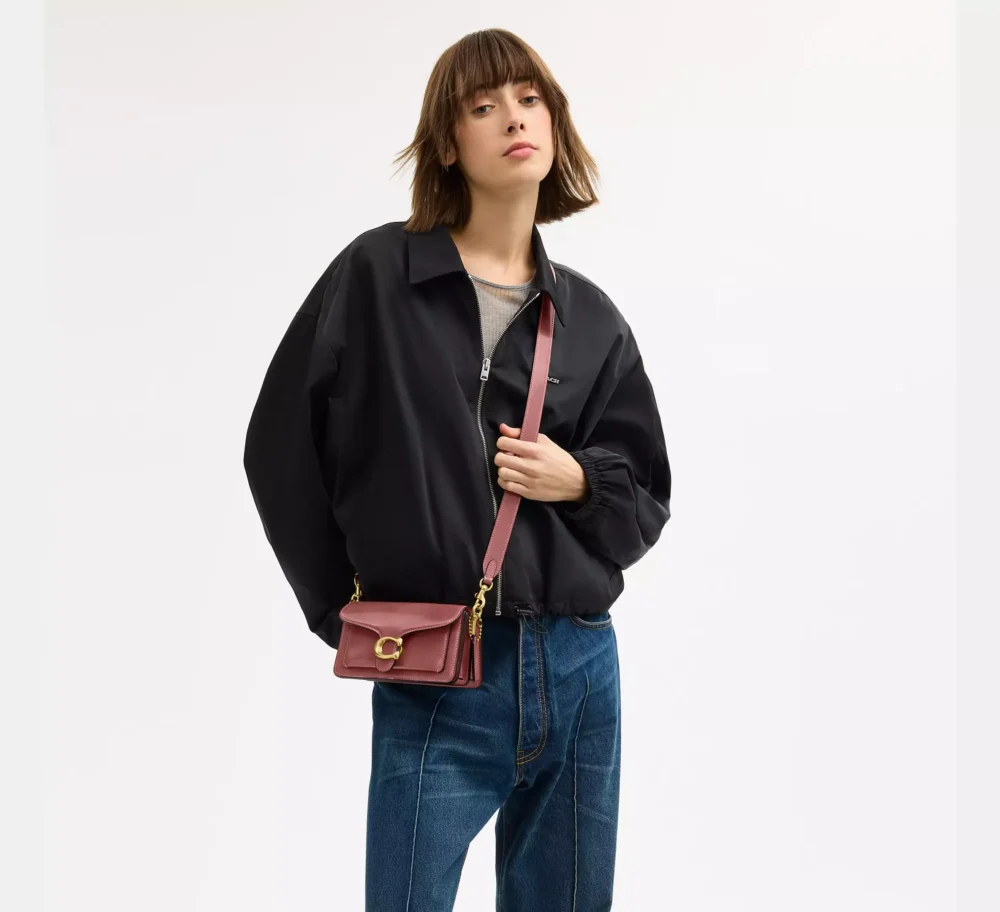
photo: world.coach.com
In Poland, Coach is growing mainly through multibrand stores and e-commerce—the Fall/Winter 2025 collection has already generated significant local buzz. Today, Coach is the result of a long evolution, not a fleeting trend.
How to Shop Coach Consciously – Luxury, Investment, and the Future of the Brand
Is Coach a good first step towards luxury?
If you’re wondering whether Coach is worth the money—the answer is: it depends on what you’re looking for. Coach is premium luxury in the “accessible luxury” category. You won’t get the prestige of Hermès here, but you will get quality and durability that make such a bag last for years. For many women, it’s the perfect entry point into the world of luxury.
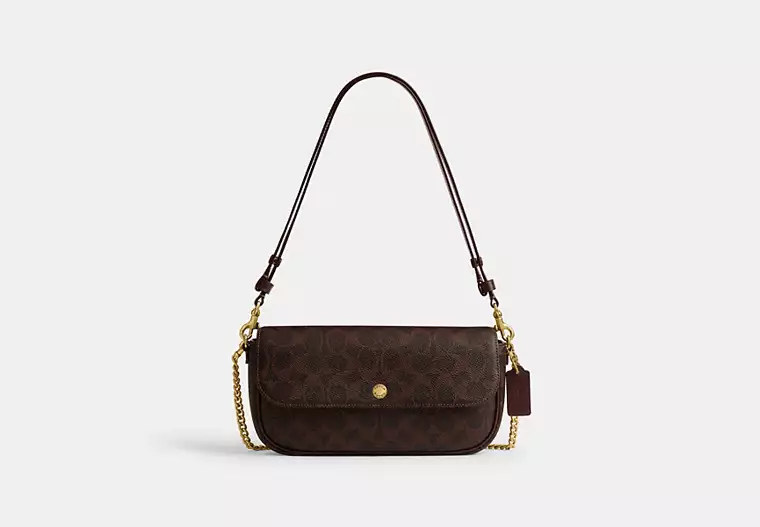
photo: world.coach.com
Buying Coach makes particular sense when:
- Are you looking for your first “serious” work bag
- You are building a capsule wardrobe from timeless classics that will never go out of style
- You want something durable, but you don’t want to overpay just for the logo
- You value the quality of materials and craftsmanship
Interestingly, Coach holds its value better than mass market brands — on platforms like Vinted, classic models can retain up to 70% of their value. Vintage Coach (the famous Pyskaty Zamsz) is already a separate collector’s category.
Trends and the value of Coach in your wardrobe in a few years
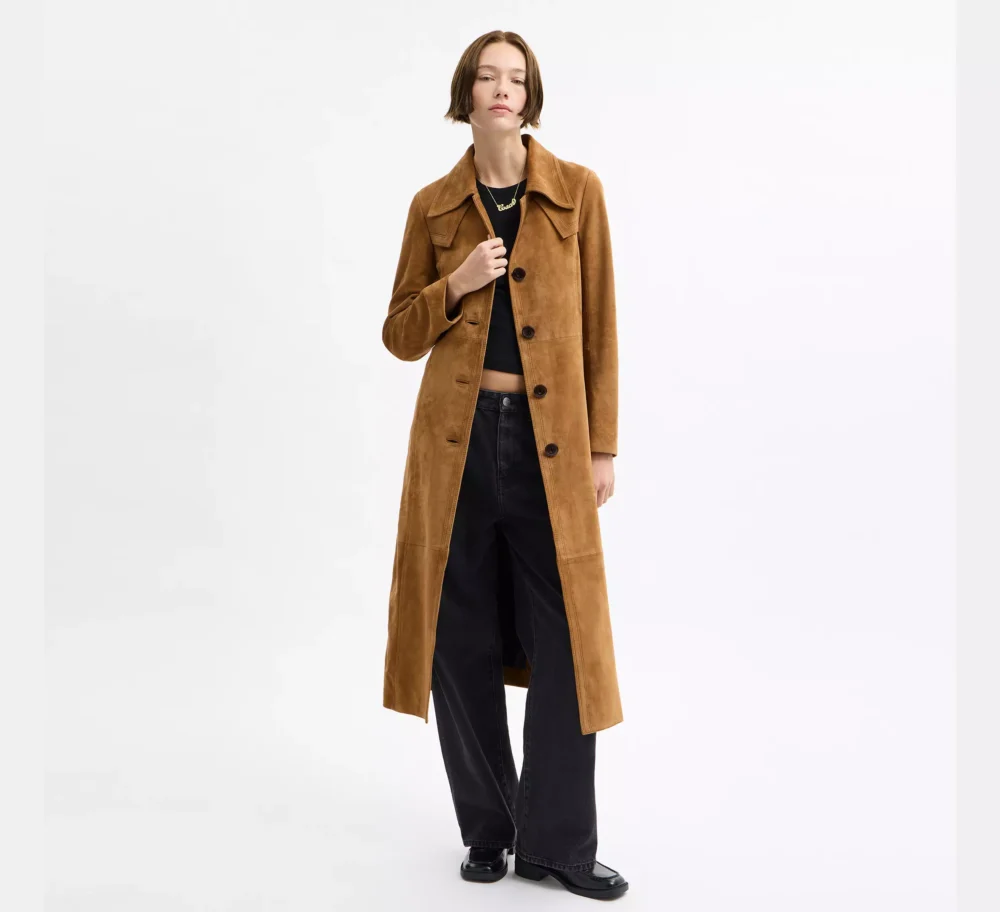
photo: world.coach.com
The brand is moving towards sustainable fashion – since 2020, it has been introducing leather recycling programs. The Polish luxury market is expected to grow by 15-20% in the coming years, which means Coach will only gain in availability and recognition.
The key is conscious choice. Match Coach to your own style and budget – not to others’ expectations. Because luxury is ultimately what makes you feel good every day.
Sonni
lifestyle editorial team
Luxury Blog






Leave a Comment