

How to tell if a Chanel bag is authentic? – an authenticity guide
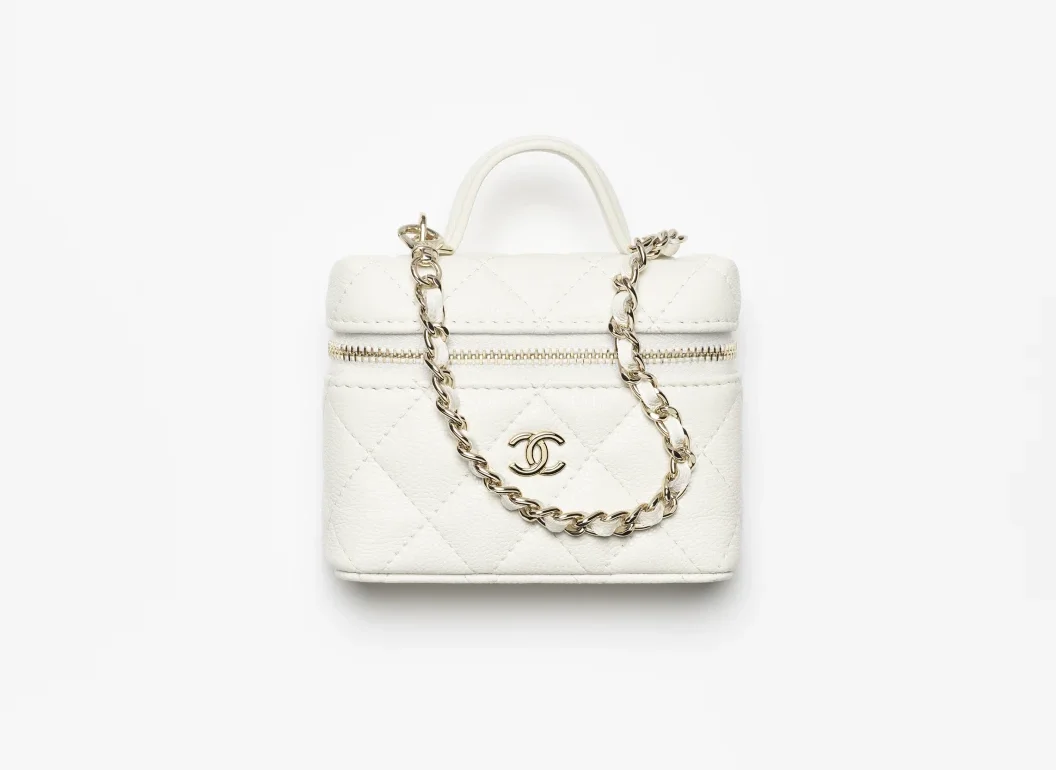
Buying a luxury handbag is more than just a purchase. It’s an investment in yourself, your image, and sometimes even your financial future. Perhaps that’s why the counterfeit market is thriving like never before. Today, I’ll explain how to check if a Chanel bag is authentic.
The global counterfeit market is a massive machine worth around $500 billion a year. That’s more than the GDP of most European countries! And don’t think it’s just a problem of cheap street markets. Counterfeits make their way into reputable boutiques, online platforms, and even auction houses.
How to tell if a Chanel bag is authentic? – my personal experience
Every woman buying luxury should know the basics of authentication. Why? Because the stakes are truly high.
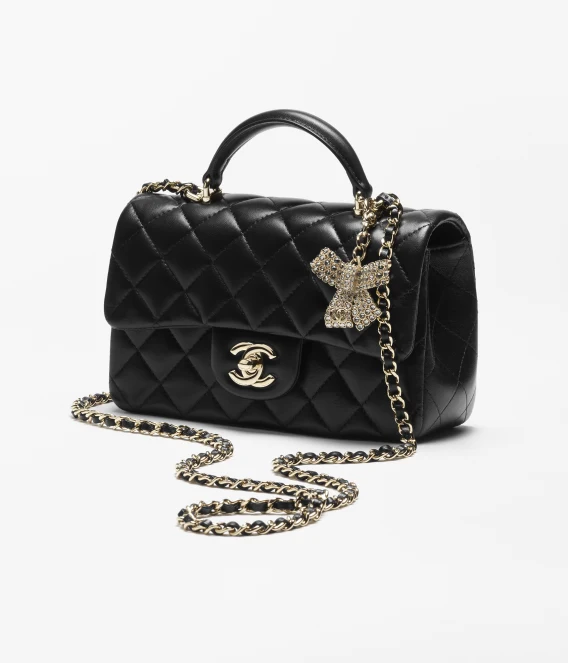
photo: chanel.com
Picture this: you buy a “vintage” Chanel bag for 15,000 PLN, wear it for a year, and then discover the truth. It’s not just about losing money. It’s shame, frustration, and the feeling of being deceived. Friends might start to wonder—are your other things real, too?
A counterfeit has no investment value. A genuine bag from Chanel can appreciate over time, especially limited editions. A fake? It will always be worth nothing.
This problem affects every level of the market. From obvious fakes for 200 PLN to sophisticated counterfeits that fool even seasoned collectors. Technology advances on both sides—counterfeiters learn just as fast as those who detect them.
But don’t panic. There are proven ways to spot authentic handbags. In this guide, you’ll discover three pillars of effective authentication: traditional manual tests you can do yourself, modern technologies supporting authentication, and principles for making informed purchase decisions.
Some warning signs are obvious, others require a trained eye. Sometimes the difference is in a detail only someone who knows what to look for will notice.
Now that you understand what’s at stake, let’s get down to specifics—from the simplest tests you can do in minutes to advanced verification methods.
Step-by-step practical authenticity test
You have a Chanel bag in front of you and you’re wondering if it’s the real deal? You don’t have to run to an expert right away. Most fakes can be spotted at home, just by using your eyes and hands.
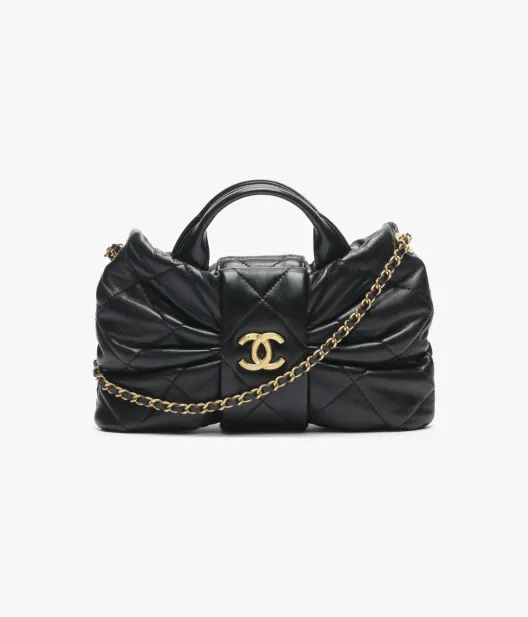
photo: chanel.com
1. Check the serial number and authenticity card
Every original Chanel bag has a unique serial number. Since 2005, the numbers start with digits indicating the year of production—for example, 31xxxxxx means 2021 or later. The card should be made of thick paper, and the number on it must match perfectly with the one embossed on the sticker inside the bag. Fakes often have illegible numbers or no card at all.
2. Examine the materials and stitching quality
Genuine Chanel bags are masterpieces of craftsmanship. Count the stitches per inch—there should be 10–11, all perfectly even as if machine-made. Lambskin is soft and delicate to the touch, while caviar leather has a distinctive pebbled texture. The chain weighs about 800 grams—it’s substantial, but in the original, you won’t feel discomfort when wearing it.
3. Analyze the CC logo and metal elements
This is one of the most important tests. In the original logo, the right C overlaps the left at the top and bottom—remember this like a mantra. Zippers should have Lampo or YKK engravings, clear and deep. All metal elements have a uniform color and shine.
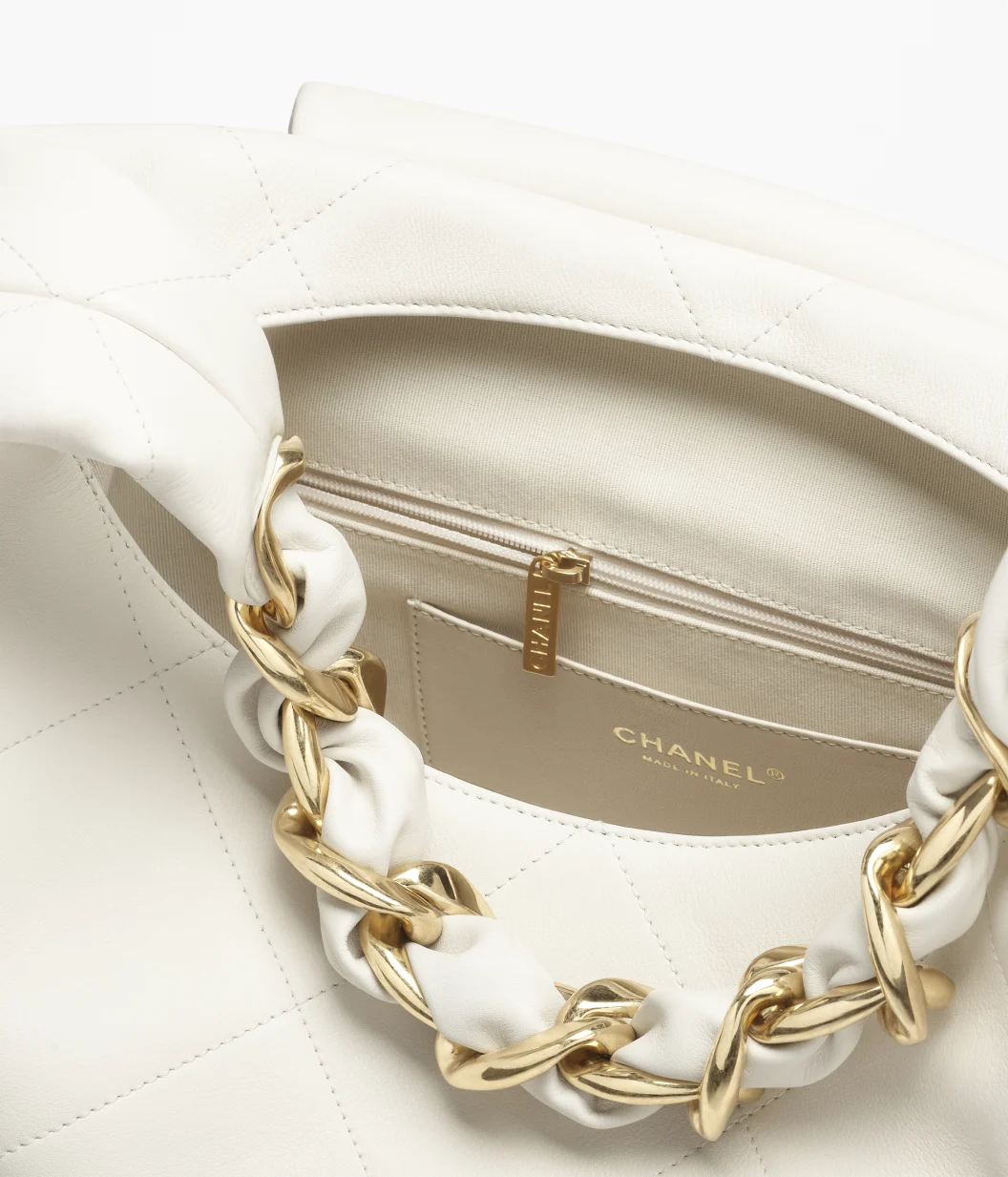
photo: chanel.com
4. Assess the packaging appearance
An original Chanel box is a work of art in itself. Thick, matte, with a perfectly printed logo. The dust bag is made from soft fabric in cream or black. If the bag costs less than 10,000 PLN—that’s a definite red flag.
5. Touch and smell test
Genuine Chanel leather has a subtle, pleasant scent. Fakes often smell of chemicals or plastic. Touch the material—the original is soft yet springy, quickly returning to its original shape.
6. Check symmetry and proportions
Everything in an authentic bag is perfectly balanced. The flap closes without a gap, the chain hangs evenly, and the logo is exactly centered. Even the slightest asymmetry may indicate a fake.
7. Verify the interior details
Original bags have lining made from high-quality materials. Pockets are carefully finished, zippers run smoothly. The Chanel logo may be inside, but it’s always subtle and elegant.
| Criterion | Original | Counterfeit |
|---|---|---|
| Material | Soft lambskin/caviar | Stiff, with a plastic feel |
| Seams | 10-11 per inch, even | Uneven, loose threads |
| CC logo | The right C overlaps the left one | Disproportionate, distorted |
| Chain weight | ~800g | Significantly lighter |
| Serial number | Distinct, in line with the year | Illegible or missing |
Remember, counterfeits are getting better and better. Some details can be really hard to spot with the naked eye. If you still have doubts after these tests, it’s time to turn to modern technology and professional authentication.
photo: chanel.com
Modern technologies and the pitfalls of the counterfeit market
Have you ever seen a Chanel fake that looked so convincing even a boutique sales assistant might hesitate? Super fakes have reached a level where the difference is almost impossible to spot. Luckily, technology isn’t standing still either.
NFC microchips – a revolution since 2021
Chanel has introduced tiny technological marvels. Since 2021, every bag contains an NFC microchip the size of a fingernail. Just tap your phone, and the boutique’s app scans the data. The chip stores a unique ID number, production date, and sometimes even details about the leather used.
Brilliantly simple. A fake might have everything—the right logo, serial numbers, even the scent. But it won’t have a microchip with real data in the Chanel system. Counterfeiters try to transplant chips from genuine bags into fakes, but the system detects duplicates.
Artificial intelligence on your phone
The Entrupy app is truly impressive. You take a macro photo of a section of the bag, and AI analyzes the leather’s texture, stitching patterns, even the way light reflects off the zippers. In 2024, it had already scanned a million items with 95% accuracy.
It sounds like science fiction, but it works. The app costs professionals about $300 a month, so it’s a bit pricey for the average person. Some pawn shops are already using it.
The super fake market is exploding
Here’s where the real problem starts. Super fakes are no longer just found at Chinese bazaars. They’re sold on Instagram, TikTok, even in closed Facebook groups. Sometimes, they look better than originals from the ’90s.
Numbers that shock:
- Chanel seizes around 100,000 counterfeits each year
- 80% of counterfeits are produced in China
- Increase in seizures: 2021 – 45,000, 2022 – 67,000, 2023 – 89,000, 2024 – 103,000
The worst part is that buyers often have no idea they’re getting a counterfeit. Sellers use photos of genuine bags, offer “no questions asked” returns, and even provide fake certificates of authenticity.
C2C platforms like Vinted or OLX have become a real Wild West. Moderation is practically nonexistent, and reports can take weeks to process.
Technology is advancing rapidly, but counterfeiters aren’t falling behind either. It’s an arms race, with each side looking for an edge.
photo: chanel.com
Check and act – your bag, your choice
You’ve come a long way—from the basics of identifying an authentic bag, through advanced technologies, to market pitfalls. Now it’s time for the most important part: what to do with this knowledge.
Top 3 takeaways to remember:
• Manual check comes first – no app can replace carefully inspecting the stitching, leather, and metal parts with your own hands
• Technology is support, not gospel – use apps and scanners as an extra tool, but don’t trust them blindly
• Buyer’s mindset – it’s better to pass up a deal than regret it for years; your intuition often knows more than you’re willing to admit
photo: chanel.com
What you’ll do today:
- Start by verifying the bags you already own—check them according to the rules you’ve learned.
- Save the contact details for the nearest brand boutique or authorized service center
- Check out The RealReal or Entrupy if you’re planning to buy second-hand
- Create a folder for proof of purchase – receipts, certificates, photos before first use
- Install a trusted verification app, but remember its limitations
The future will bring even more changes. By 2030, the counterfeit market could reach a value of $1 trillion, but at the same time, blockchain and NFT product passports are emerging. These technologies could revolutionize the way we buy luxury handbags—each one will have a digital certificate that cannot be forged.
photo: chanel.com
photo: chanel.comRemember, however, that even the best technologies can’t replace your own knowledge and judgment. Your handbag, your choice—but now you know how to make that choice wisely.
Madamme 87
fashion editor
Luxury Blog




Leave a Comment