

How to recognize good porcelain?
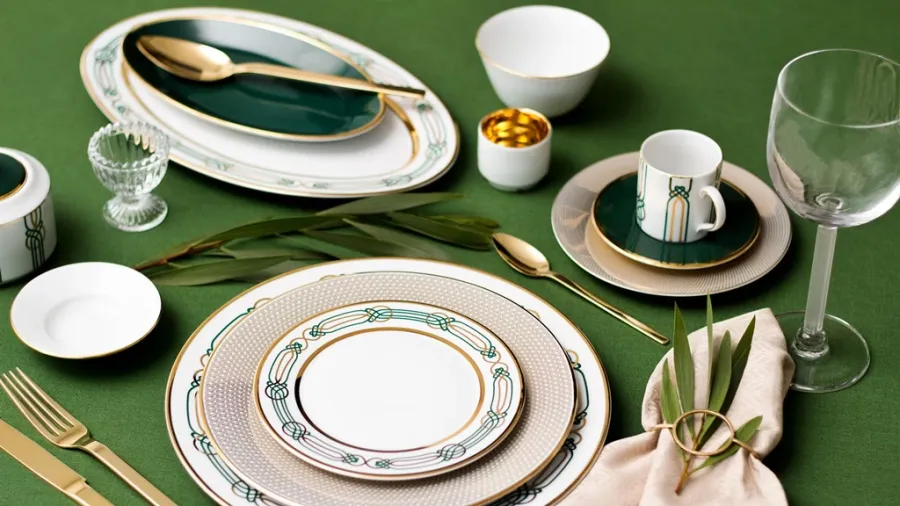
Do you dream of a table setting straight out of an elegant “Bridgerton”-style party? Porcelain has been considered a symbol of elegance, durability, and timeless style for centuries. In many homes, it serves not only as a practical element of the tableware but also as a decoration that highlights the character of the interior. However, today’s market offers a vast selection of products that differ in quality, composition, and craftsmanship. That’s why it’s worth knowing which features to pay special attention to before making a purchase. How can you recognize good porcelain? The answer to this question will help you avoid a poor investment and choose dishes that will serve you for years to come.
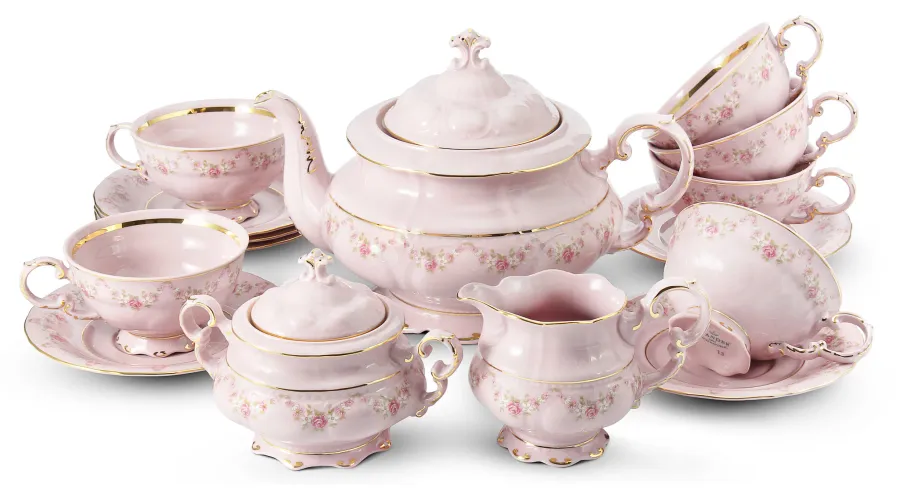
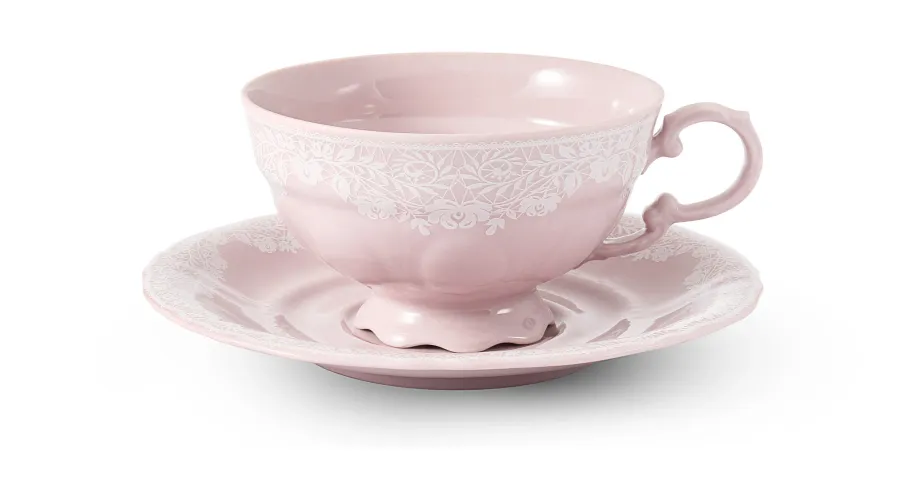
How to recognize good porcelain?
Good porcelain is distinguished by its pure, uniform color and delicate sheen. Its surface should be perfectly smooth, as this indicates careful craftsmanship. The translucency of the material is also important, since thin walls allow light to pass through. The characteristic, resonant tone when gently tapped is another key feature. Quality is reflected both in the precision of the detailing and the durability of the glaze. The vessel should be lightweight yet resistant to damage. Additionally, it is worth paying attention to the evenness of the glaze, as any drips or discolorations may indicate production flaws. Good porcelain retains its color and shine for years, even with frequent use and washing. It is also important that the material does not tend to develop microcracks, which can weaken the structure of the vessel over time. High-quality porcelain is also resistant to sudden temperature changes. It should not crack when in contact with hot tea or coffee.
What does good porcelain look like and which color indicates quality?
Color is the first sign of quality. High-grade porcelain has a snow-white or slightly creamy shade because it contains a large amount of pure kaolin. A tone that is too gray or yellowish may indicate the presence of other raw material additives. The surface must be perfectly uniform. No pores, air bubbles, or microcracks should be visible. Smooth glaze is also important for hygienic reasons. It makes cleaning easier and prevents the absorption of dirt. Good porcelain subtly shines through when held up to the light. Simply hold a cup up to a lamp to notice the delicate effect. This happens because porcelain mass is fired at temperatures exceeding 1300°C. Despite thin walls, it retains high durability. It is also worth checking the symmetry of the product. A plate should stand stably on a flat surface. Curvatures may indicate an imprecise forming process. The uniform gloss of the entire surface is also important. Matte spots may indicate uneven glazing.
What is porcelain made of and why does its composition matter?
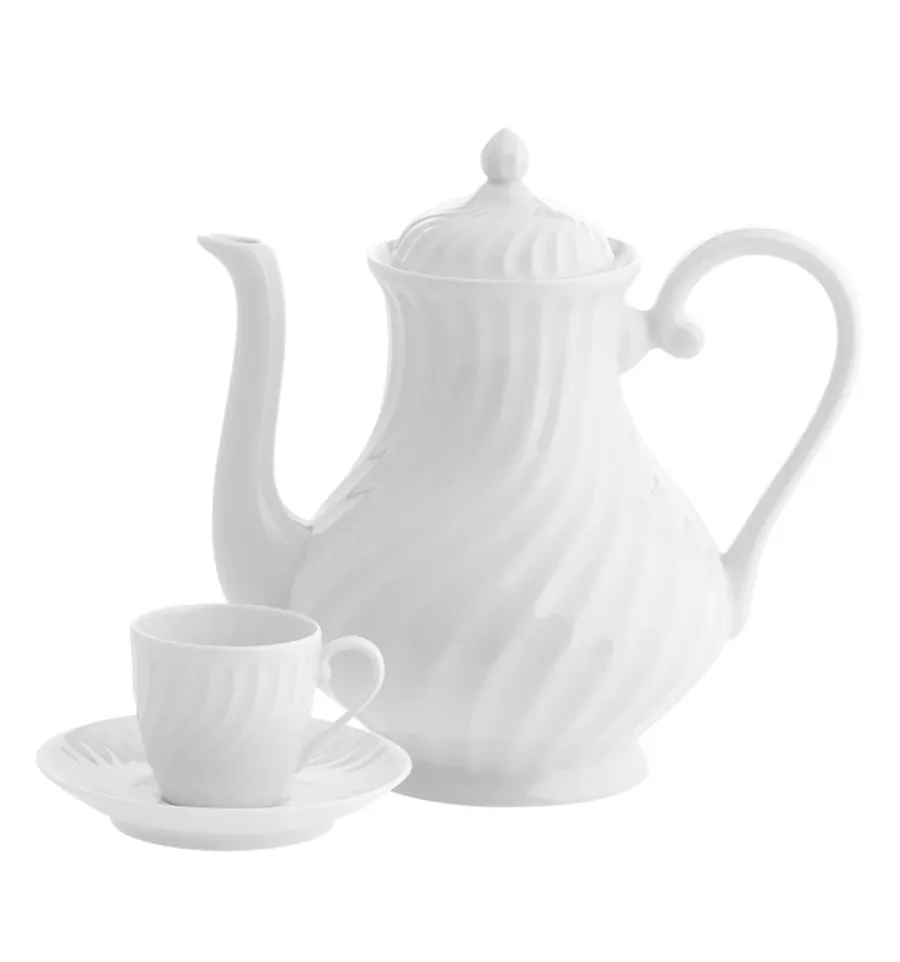
Porcelain is made from a blend of kaolin, quartz, and feldspar. Kaolin is responsible for the white color and plasticity of the material. Feldspar increases resistance to high temperatures. Quartz, on the other hand, gives hardness and structural stability. The right proportions of these ingredients are crucial, as they affect the durability and aesthetics of the product. The higher the quality of kaolin, the better the final result. The firing process vitrifies the surface, making porcelain non-absorbent. It does not take in water or odors. This is important both at home and in gastronomy. Low-quality dishes may become dull or discolored over time. Good porcelain retains its shine for many years. Renowned manufacturers provide information about the composition and country of production. Transparency builds trust and also confirms high quality control standards. It is worth remembering that the quality of raw materials also affects mechanical resistance. Cheaper blends may contain more mineral additives. The proper selection process of ingredients is extremely important.
Does the price of porcelain always reflect its quality?
Does a high price automatically mean the highest quality of porcelain? In practice, this relationship is often more complex, as the cost of a product is influenced by the brand, distribution method, and the collection’s recognition. The price may result from hand decoration, a limited edition, or the prestige of the manufacturer. However, a more expensive product does not always guarantee better technical parameters. It is worth analyzing the price-to-quality ratio. Good porcelain should offer durable glaze, a uniform structure, and resistance to damage, regardless of the price range. Sometimes a lesser-known manufacturer offers a very solid product at a reasonable price. On the other hand, an exceptionally low price may suggest a simplified production process or inferior raw materials. Therefore, it is crucial to consciously compare several models. Attention should be paid to both the composition and the finishing details. The manufacturer’s warranty and the availability of items from the same collection are equally important. Ultimately, it is the quality of craftsmanship, not just the price, that should be the main criterion for your choice.
Is thin porcelain better than thick porcelain?
It is commonly assumed that thicker dishes are more durable. In reality, high-quality porcelain is often thin. This results from the right proportions of ingredients and a precise firing process. Thin walls give the dishes elegance and lightness. At the same time, they remain resistant to mechanical damage because the material’s structure is dense. Despite their delicate appearance, good porcelain is durable. Thicker models are most often found in hotels and restaurants. This is because they must withstand heavy use and frequent washing in industrial dishwashers. For home use, you can choose more subtle forms. It is worth matching the type of porcelain to the way it will be used, in order to maintain a balance between aesthetics and functionality. Thin porcelain reacts more quickly to the temperature of the beverage. As a result, it better brings out the aroma of
How to recognize good porcelain by its decorations and details?
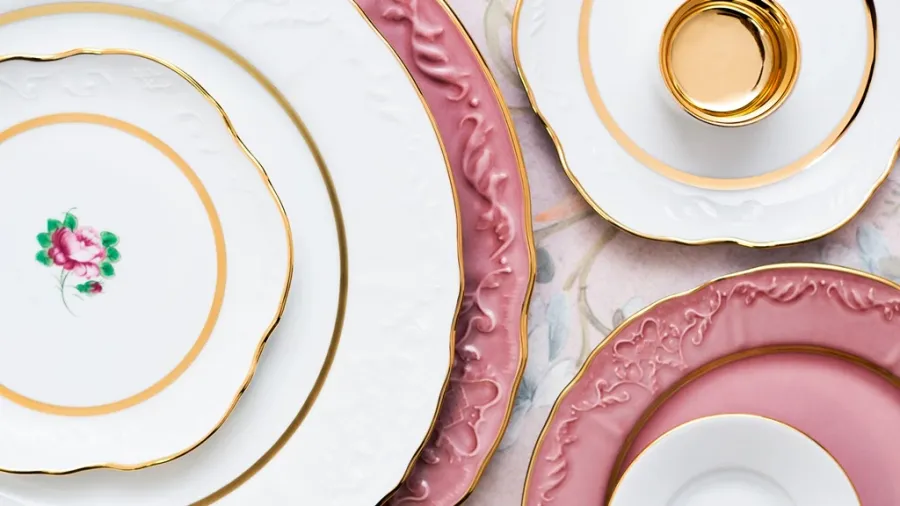
Decorations are an important element in assessing quality. High-class porcelain features precise and symmetrical patterns. The lines are clear and even. Decorations applied before the final firing are more durable because they fuse with the glaze. As a result, they do not wear off during washing. Gilding and platinum finishes should be evenly and carefully applied. It’s also worth checking the handles of the cups. They should be securely attached and aesthetically shaped. Inaccurate joints can weaken the structure. Attention to detail is also visible on the bottom of the vessel. A carefully finished foot indicates a high production standard. In summary, good porcelain combines aesthetics, durability, and functionality. Its quality can be assessed by analyzing the color, structure, composition, and finishing details. It’s worth taking a moment to thoroughly inspect the product, as a well-chosen set will serve for many years. It is both a practical and aesthetic investment. It’s important to pay attention to the durability of the prints. The motifs should not wear off during washing.
Do the brand and country of origin matter when it comes to porcelain?
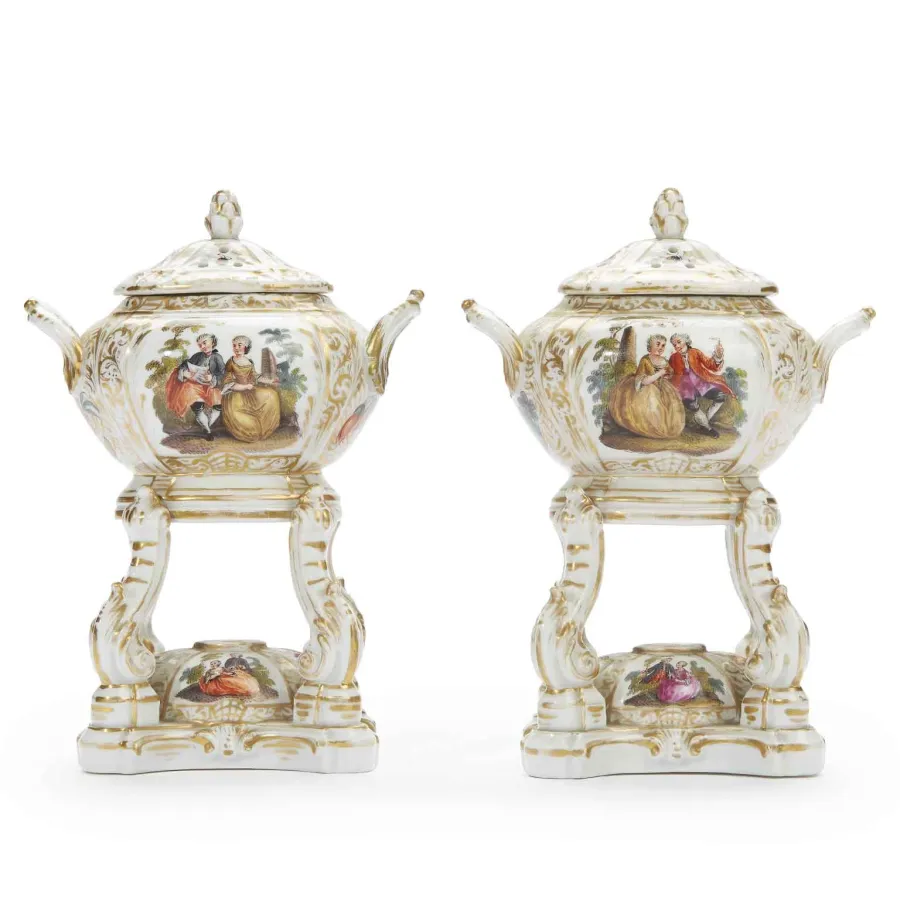
Does the manufacturer really affect the quality of porcelain? In practice, the brand often sets the production standards, as reputable companies ensure quality control at every stage of manufacturing. A long tradition in porcelain production speaks to experience and refined technology. Companies with a history invest both in modern kilns and carefully selected raw materials. The country of origin can also matter, since some regions are renowned for their centuries-old ceramic traditions. Production based on artisanal expertise often results in greater precision of workmanship. Despite market globalization, local quality standards still play an important role. A good reputation is built over many years, which is why reputable brands rarely allow themselves to lower their quality. It’s worth checking the markings on the bottom of the dish. Information about the manufacturer, collection, and country of origin increases purchase transparency. The absence of any markings may raise doubts.
How to care for porcelain to preserve its quality for years?
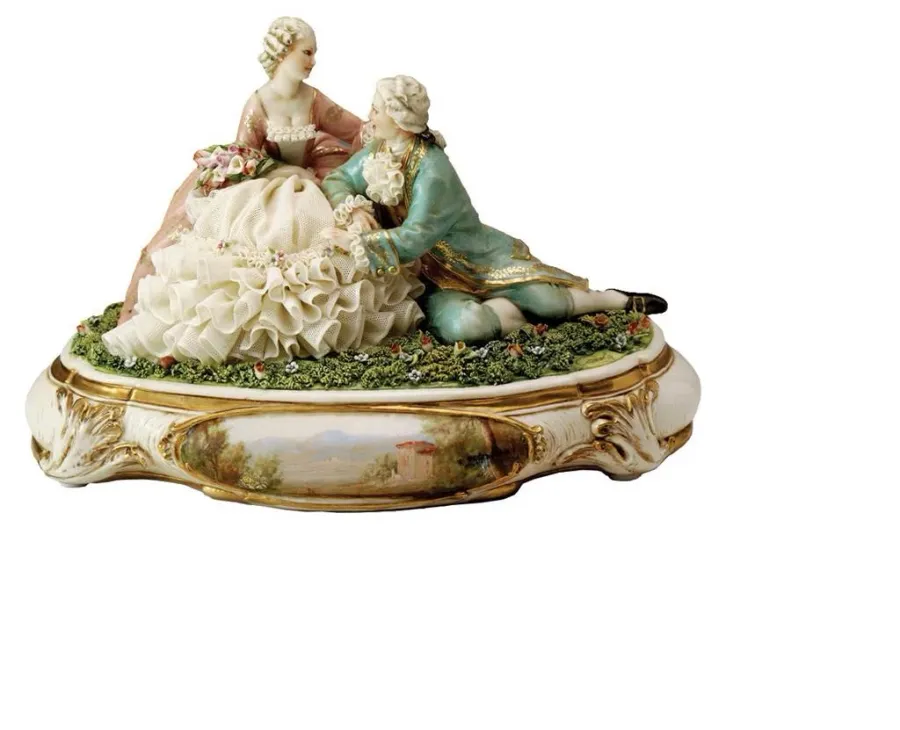
Even the finest porcelain requires proper care. It is advisable to wash it with gentle detergents, as harsh chemicals can weaken the glaze. It is also recommended to avoid sudden temperature changes to prevent the formation of microcracks. Pouring boiling water into a very cold cup can cause material stress. Although many modern products are dishwasher safe, it is safer to use moderate temperature programs. This is especially important for dishes with gilding or hand-painted decorations. Intensive washing can gradually weaken the decorative layer. It is also worth avoiding products with abrasive particles, as they can dull the surface. Storing porcelain is just as important as washing it. Plates are best separated with soft pads to avoid scratches. Cups should not be stacked inside one another without protection. Regular inspection of the condition of the dishes allows you to quickly notice minor damage. With proper care, porcelain retains its shine, durability, and beauty for many years.





Leave a Comment