

How to design an interior in the Provençal style
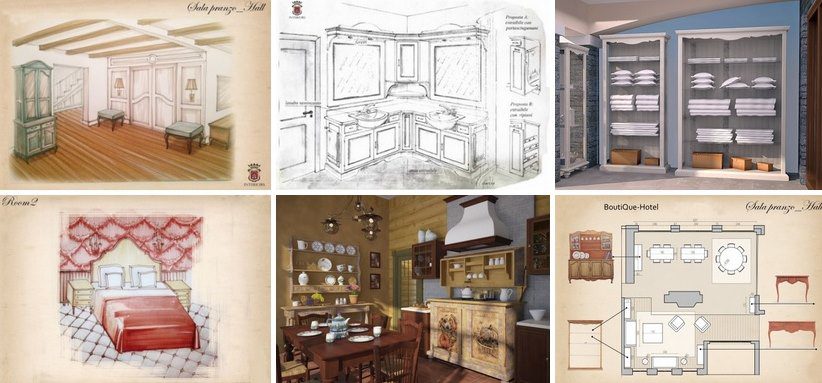
I closely follow the interior design industry and all the latest trends, noticing how popular Provence has become today. Furniture, terracotta, paintings, accessories, flowers, and other trinkets that have nothing to do with this wonderful region are everywhere now. Yet, they have nothing in common with the true atmosphere, scent, and culture of Provence. Today, I’d like to discuss, because there’s a lot to say on this topic. Unfortunately, this beautiful region has become just a buzzword and a marketing catchphrase used by sellers and manufacturers to “push” their products.
And it’s precisely this mass production of furniture and accessories that should never be associated with Provence. That’s because everything connected to this style should be largely handmade. The work of human hands, a love for raw materials, and a multi-generational approach to craftsmanship are what define the essence of objects that fit into the spirit of Provençal villages and towns. These are values you won’t find in wholesale or mass production, which is why we should seek out special places where we can find true inspiration.
How to design an interior in the Provençal style – a meeting with the designer
What comes first? Well, of course—let’s meet with a designer who will guide us through this exceptionally challenging and painstaking process in our lives. Because design is no easy art, especially when it comes to specific styles. If we want to take a holistic approach to this subject—and I believe we should—we need to design our entire interior., like a Provençal living room paired with a glamour bedroom, are out of the question and simply won’t look good.
To start, before meeting with our clients, please look for inspiration online for each interior. This is quite an important step, as it significantly narrows down our search and reveals what our client feels and desires. Additionally, you can try searching for and saving colors you like on your phone or computer. And if the client finds a few examples of furniture and accessories, that would be fantastic.
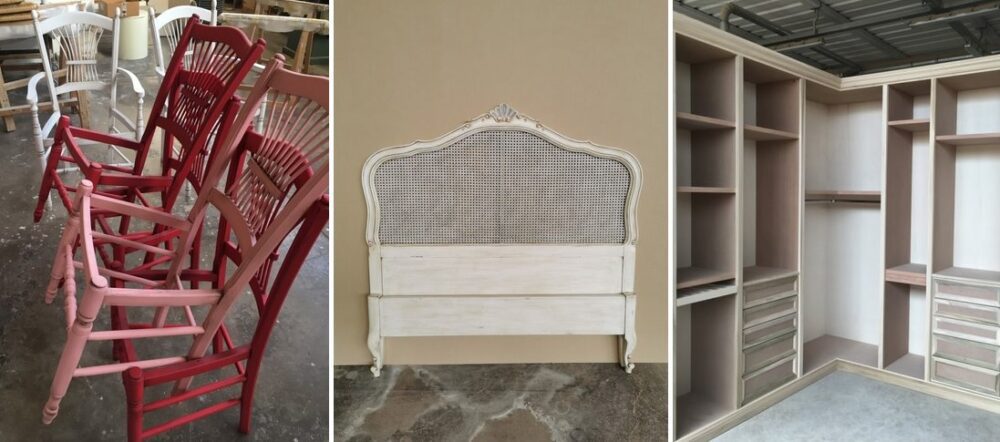
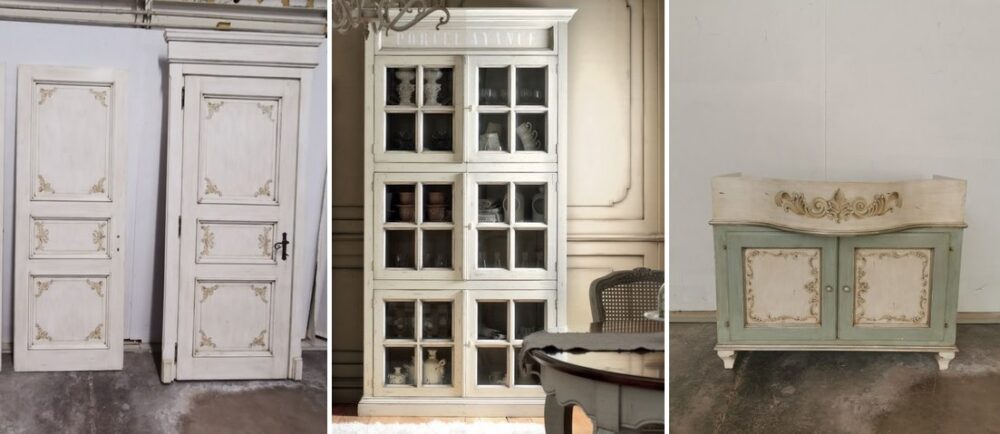
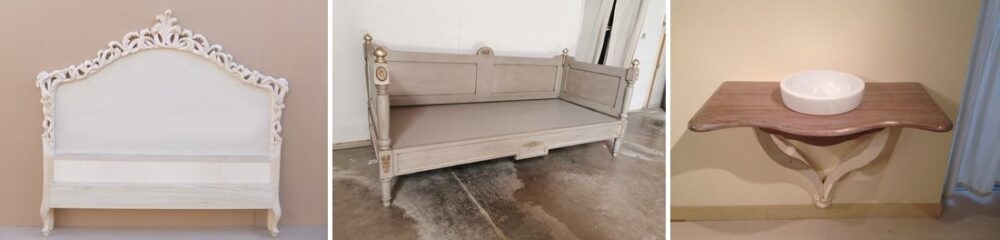
Common Ground – Investor vs Designer
Ok, once the client has gathered all the necessary inspiration, we schedule a meeting where we spend hours getting to know each other’s expectations regarding the project and the collaboration between designer and client. Because if we don’t understand each other at this first meeting, it will be difficult to get through the entire process of designing and arranging a house or apartment.
We also bring along a substantial collection of photos, graphics, inspirations, and arrangements in the Provençal style. This way, the client can see how we interpret this atmosphere, what elements are important to us, and ultimately what we can create for them. It’s important to remember that clients don’t always search for or find good examples of the interior style they want to explore.
Final budget
For me, the key factor here is determining a crucial issue: the budget. That’s because when I want to show a client how to design an interior in the Provençal style, I present two options. The first is furnishing with mass-produced products; the second—handcrafted pieces made from the highest quality materials. I don’t need to say which one I prefer, although today it’s possible to create a beautiful interior on a reasonable budget.
If the client doesn’t specify a budget, it will be difficult to continue discussions, research, and work on the project. The range of. So, if we respect each other, it’s essential to define the price range the client wants for the project and the entire fit-out.
Functional design – a synonym for client expectations
Before implementing a functional project, we always hold a long initial meeting, as I mentioned earlier. This conversation is often combined with a survey, where we gather information about the investor’s expectations. Design and style are one thing, but everyday life requires functionality, which is why a functional project is so important.
Here, the designer’s key role is to step into the client’s shoes, imagining daily life in this space. Provençal-style furniture often differs in structure and function from modern pieces. Therefore, ergonomics and everyday functionality must always come first.
Modern vibes vs. vintage atmosphere
Let’s not forget about modern amenities like air conditioning, underfloor heating, or even electronic home control systems. These are elements that must harmonize with an aged interior. .
If the client doesn’t have floor plans of their interior, we carry out a site survey to take all the necessary measurements for the functional design. To accurately visualize where the furniture and other equipment will be placed, we need to look at the space from above. The client doesn’t have to be an architect, but they should be able to see a clear, black-and-white layout of their interior, including the proposed furnishings.
Arrangement and conceptual design in Provençal interior design
The functional design, arrangement, and conceptual design are all closely interconnected. This is the stage where we search for furniture, building materials, and all other decorations that will match the client’s preferences. We’ve already discussed the color palette, equipment, and other essentials during our initial meetings. Now, it’s finally time to make all those choices.
There are —some start from the top, meaning lighting, while others begin from the bottom, with the floors. But when it comes to arranging sockets and outlets, we can already plan how our Provençal-style lighting will look. And to be honest, while furniture, accessories, or other decorations are usually straightforward, lighting in this style isn’t always so clear-cut.
Provence-style lighting
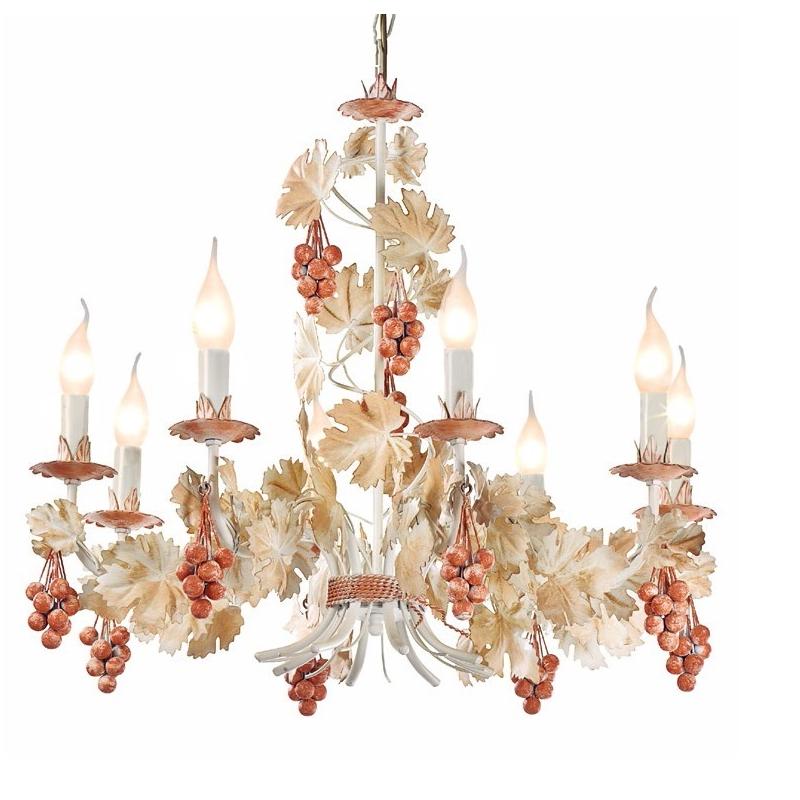
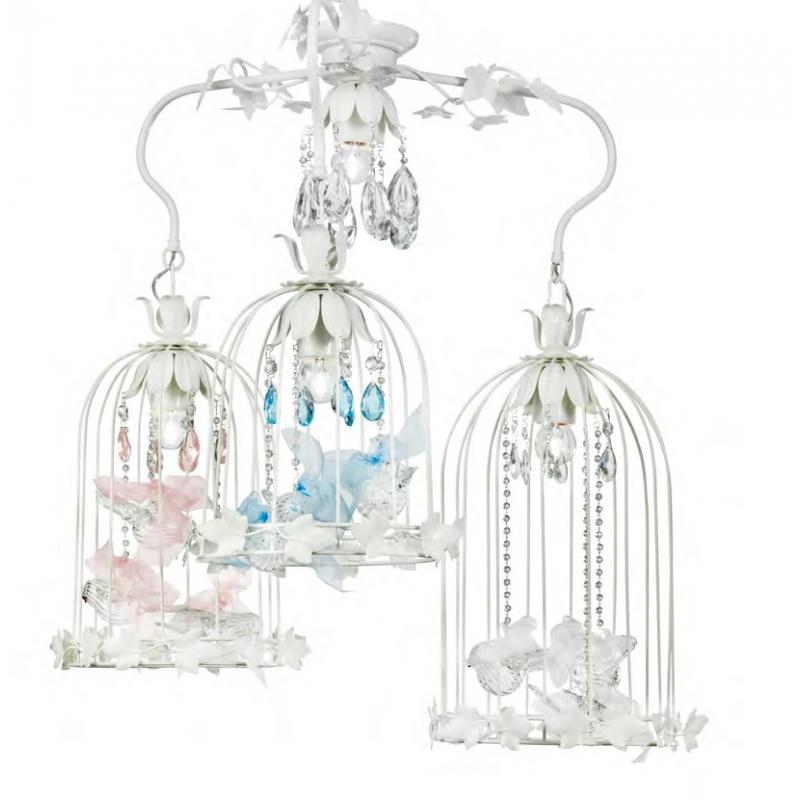
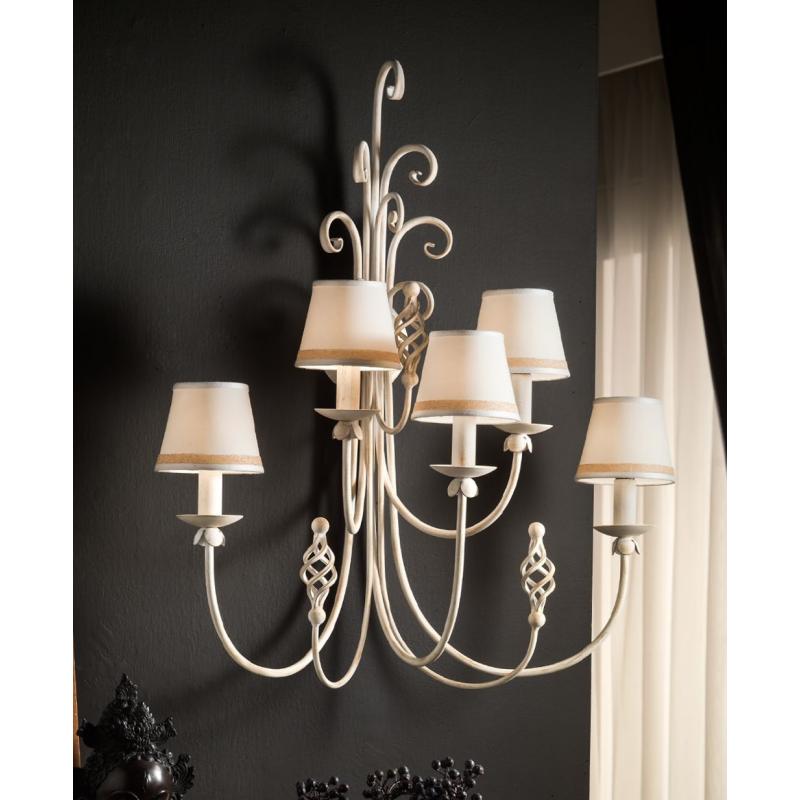
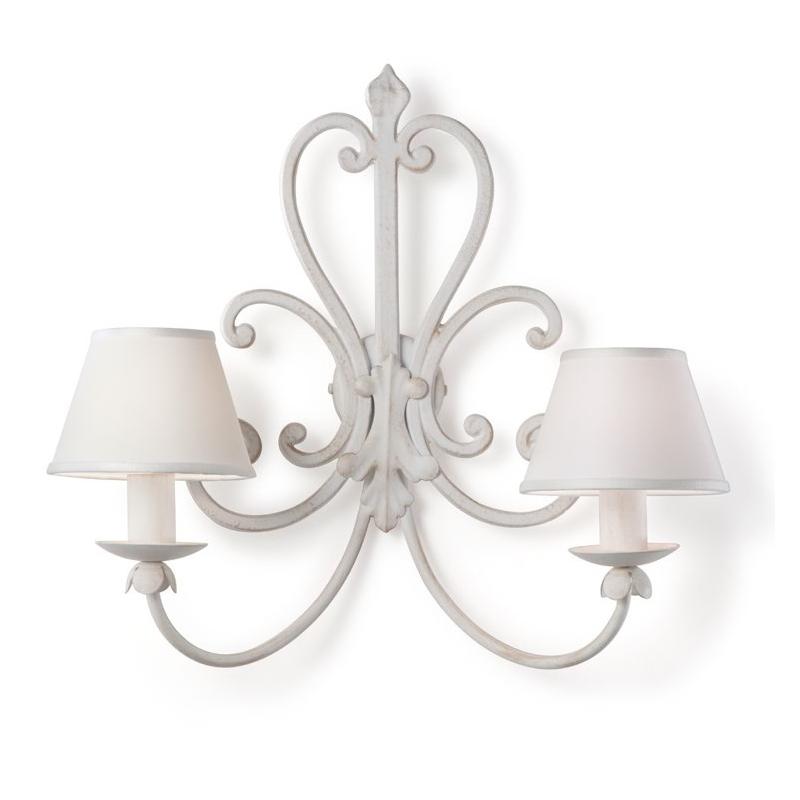
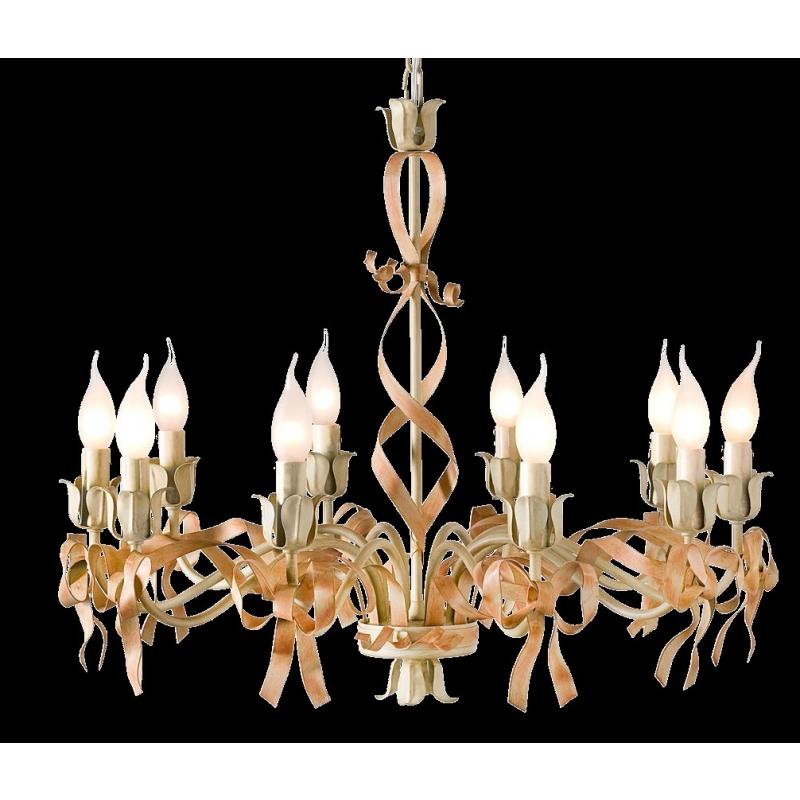
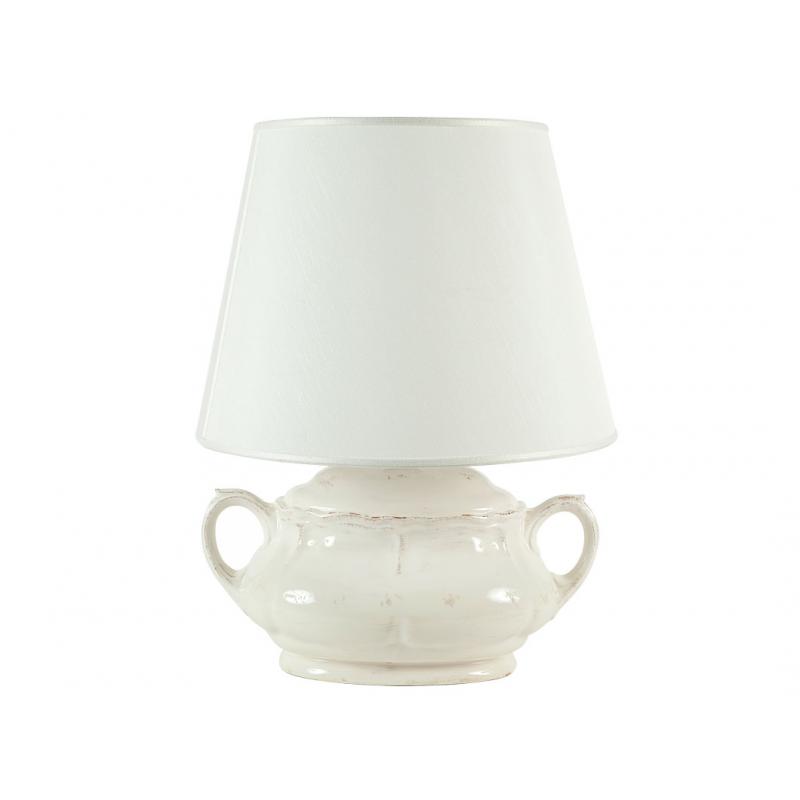
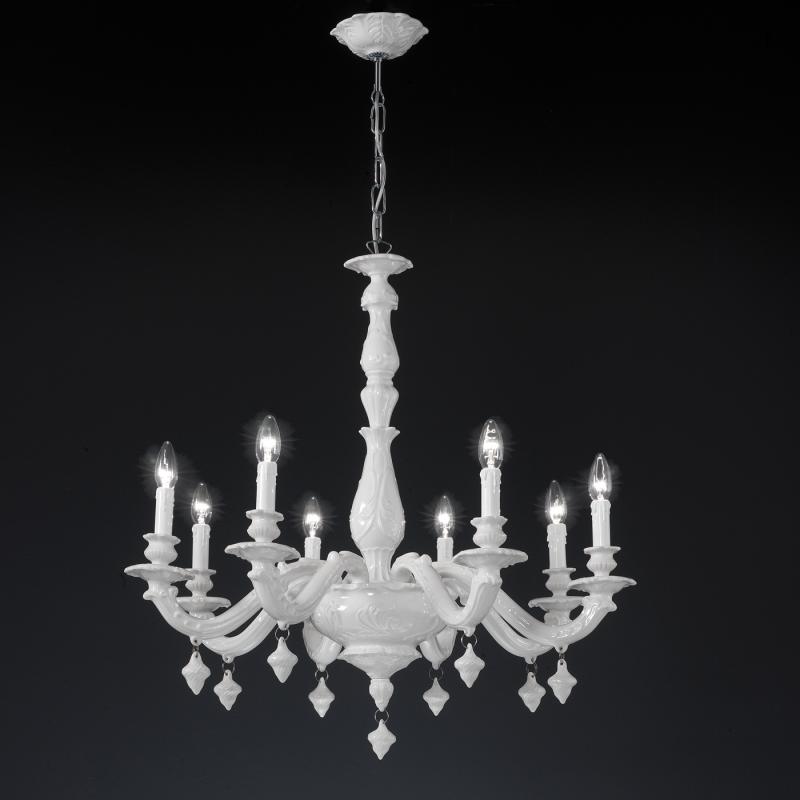
I know that white, whitewashed, or artificially aged chandeliers—designed to evoke past centuries—are often featured and showcased. Most commonly, we simply see white chandeliers with an <strong>écru</strong> lampshade. Of course, these options are very formulaic. In my opinion, suggesting such solutions to a client shows little effort or creativity.
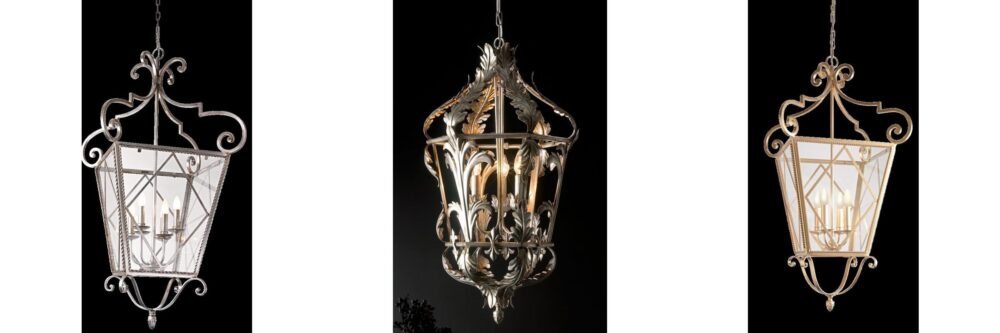
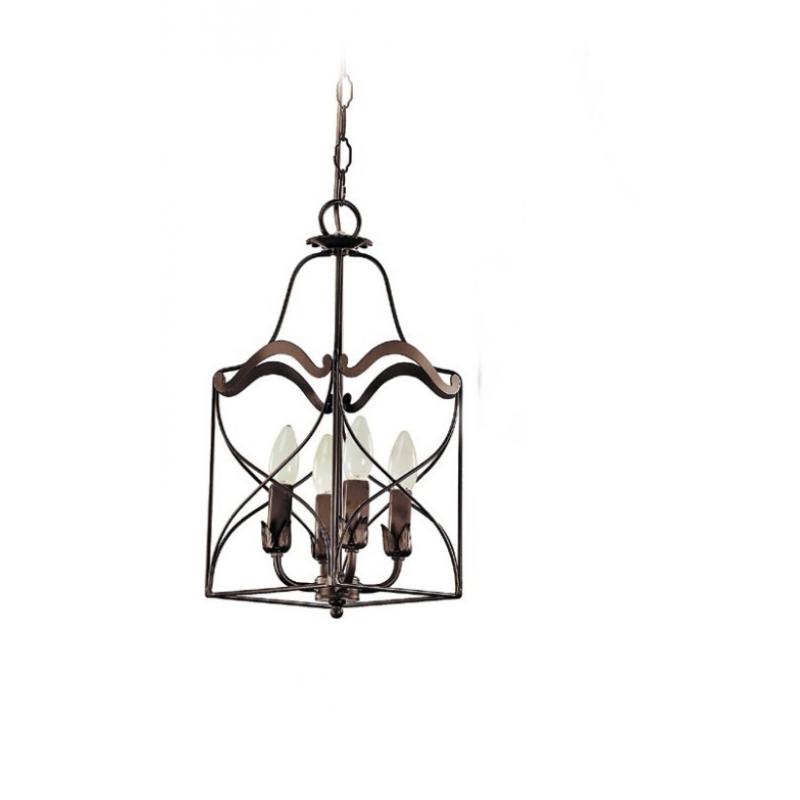
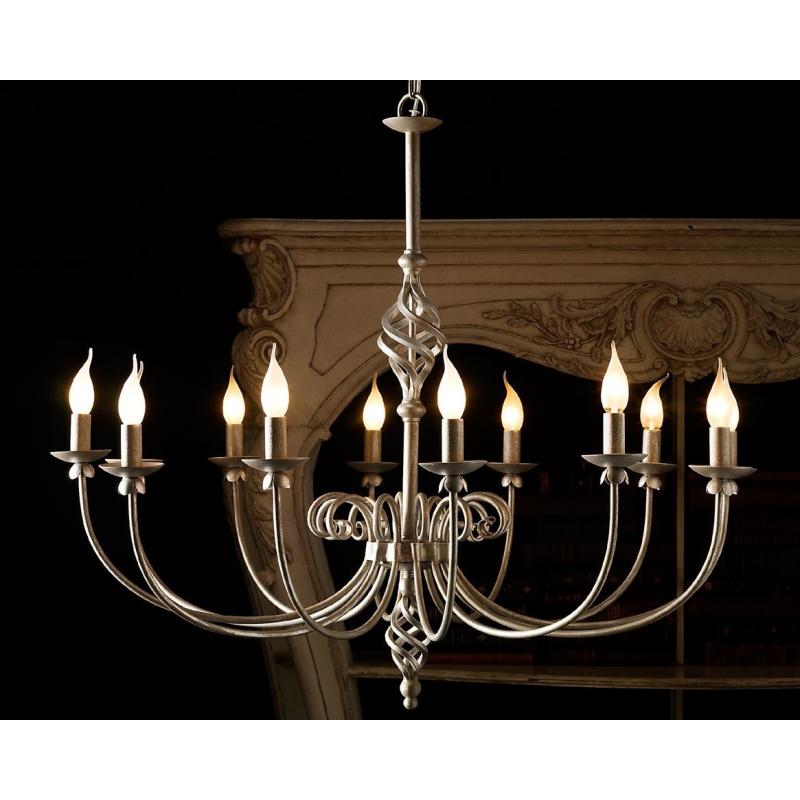
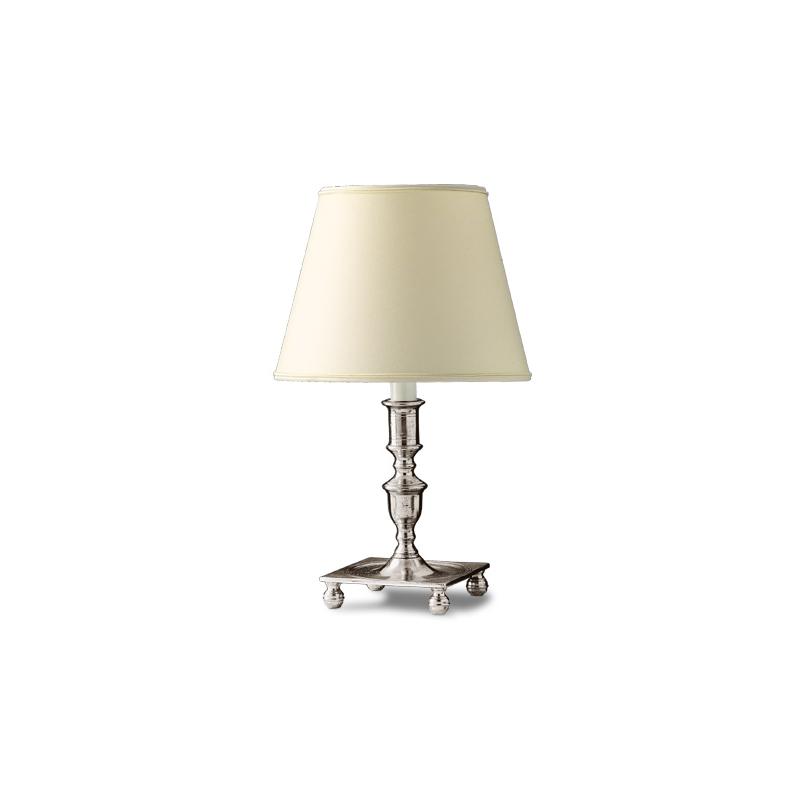
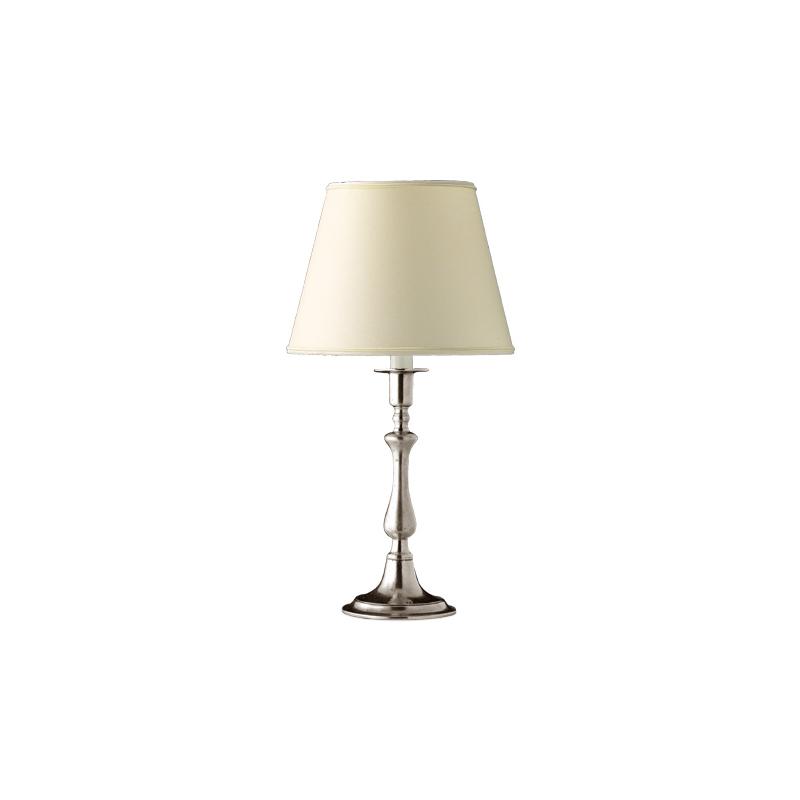
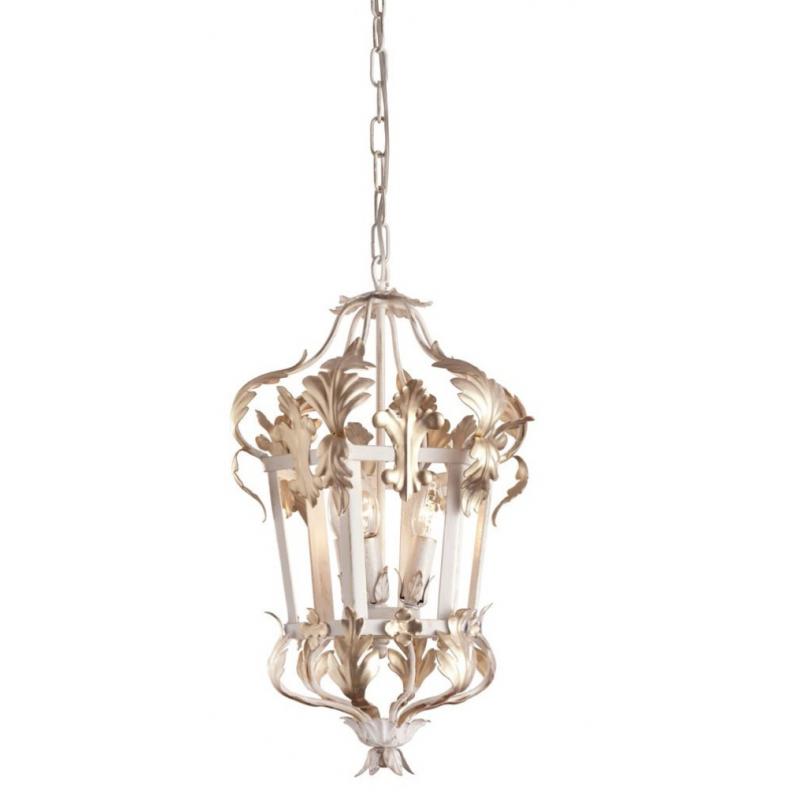
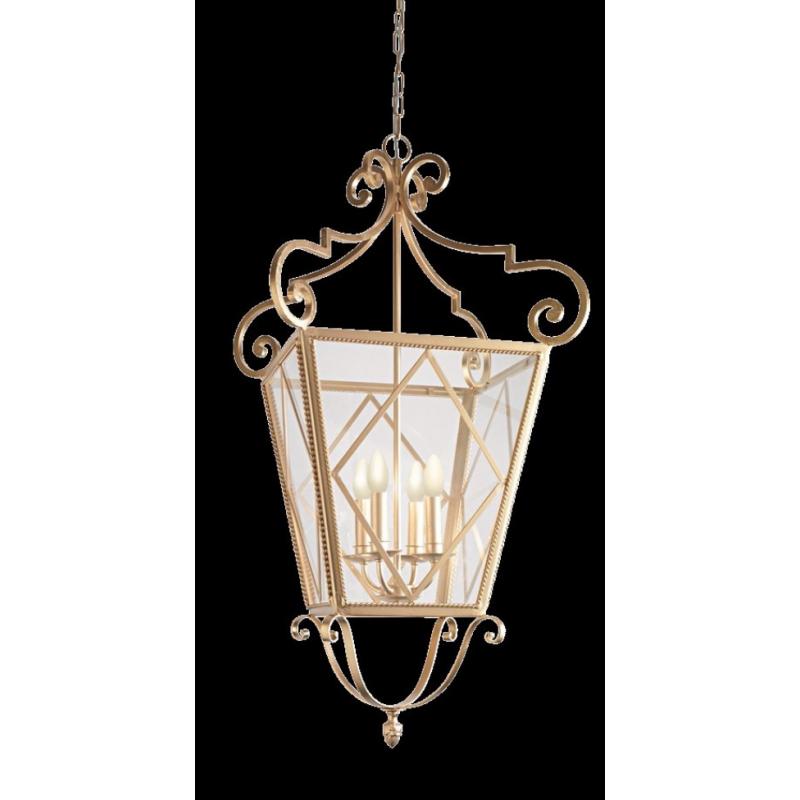
Provence is not just about white and lavender—you can confidently incorporate wrought iron, wood, metal, or bronze lighting here as well. I’m all for breaking conventions, so my first suggestion is Provençal metal chandeliers. Their cage or vintage lantern shapes fit perfectly with this style.


Light or chunky?
Here, I’d like to highlight a very important point: the lighting should subtly contrast with the rest of the decor. If you opt for strong, heavy wrought-iron chandeliers in the Provençal style, the rest of the furnishings shouldn’t follow the same theme. There needs to be a certain balance—heavy furniture calls for light, usually white lighting with floral accents. Light French Provençal furniture, on the other hand, pairs well with heavy, substantial lighting.
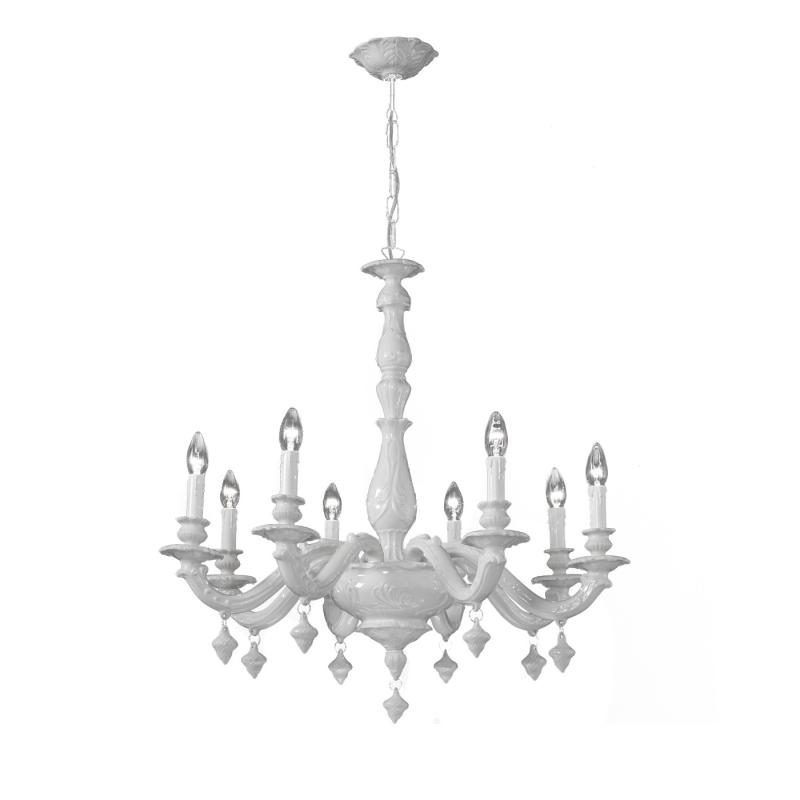
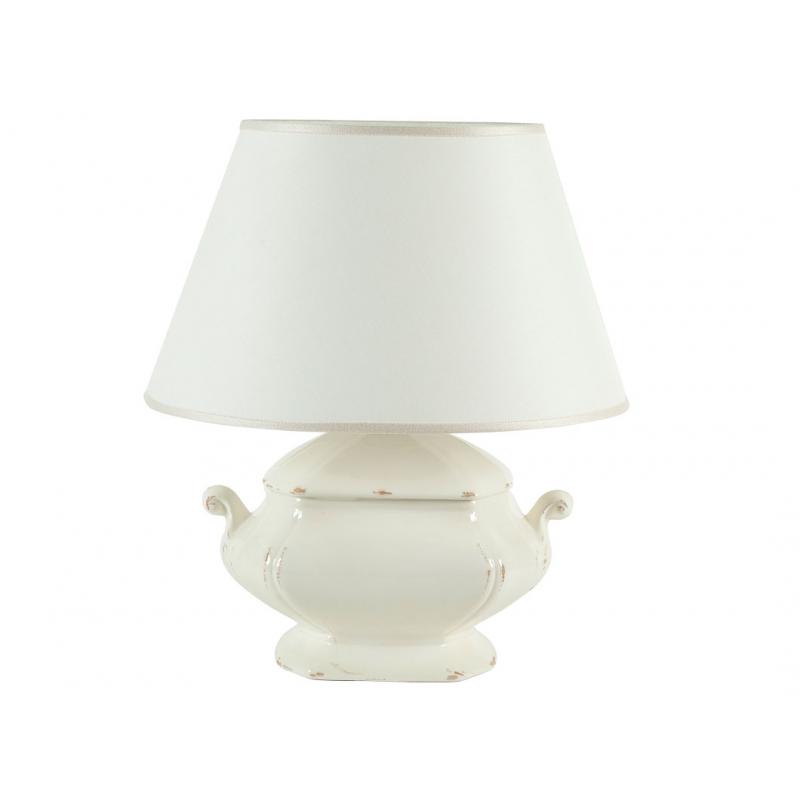
Of course, this is my personal take, and the final decision always rests with our clients. Here, you might also consider white ceramic lamps or wrought-iron chandeliers adorned with flower petals. After all, Provence is all about an abundance of lavender and a variety of flower petals.
Provence-style furniture
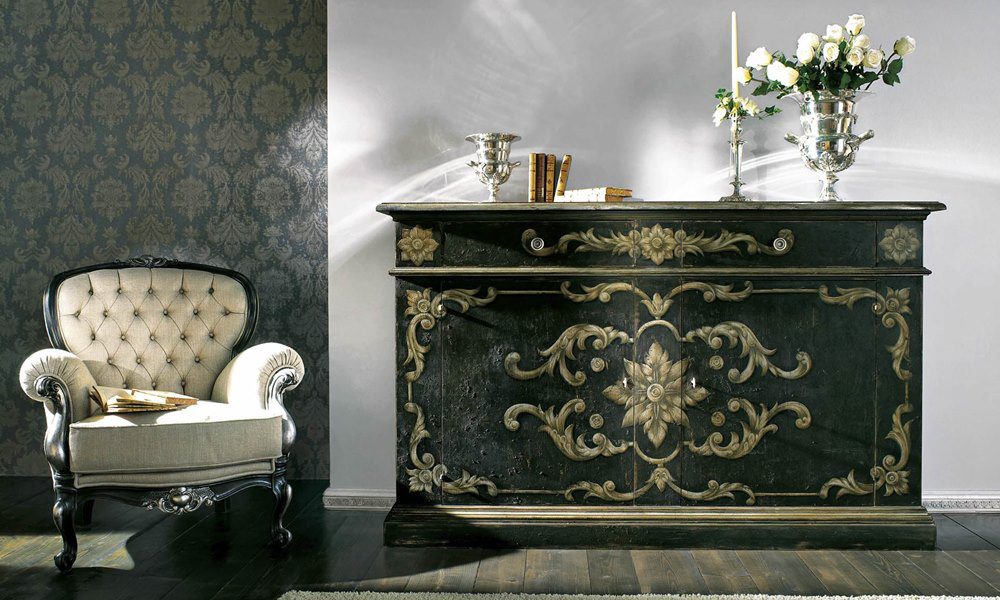
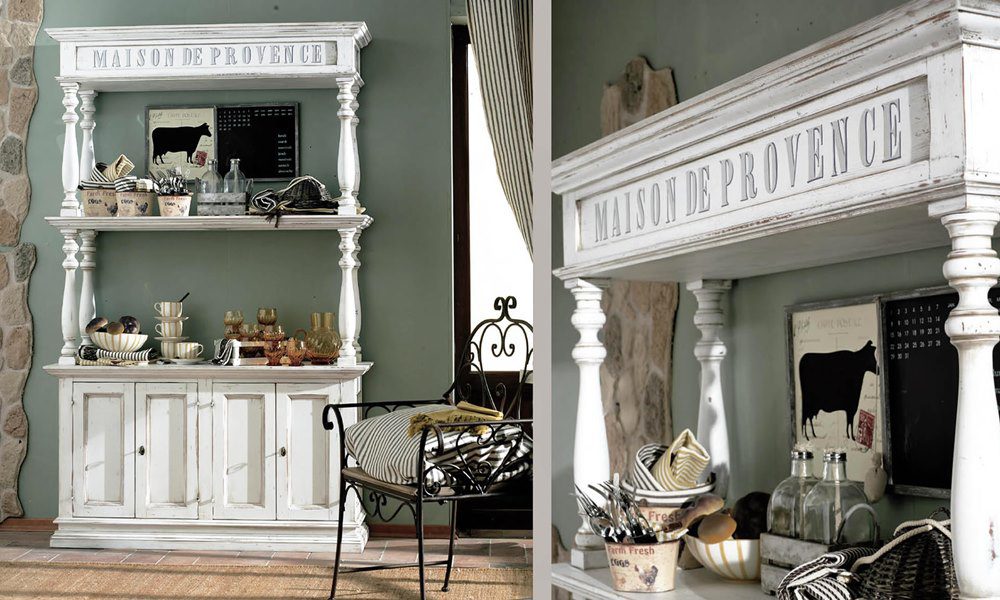
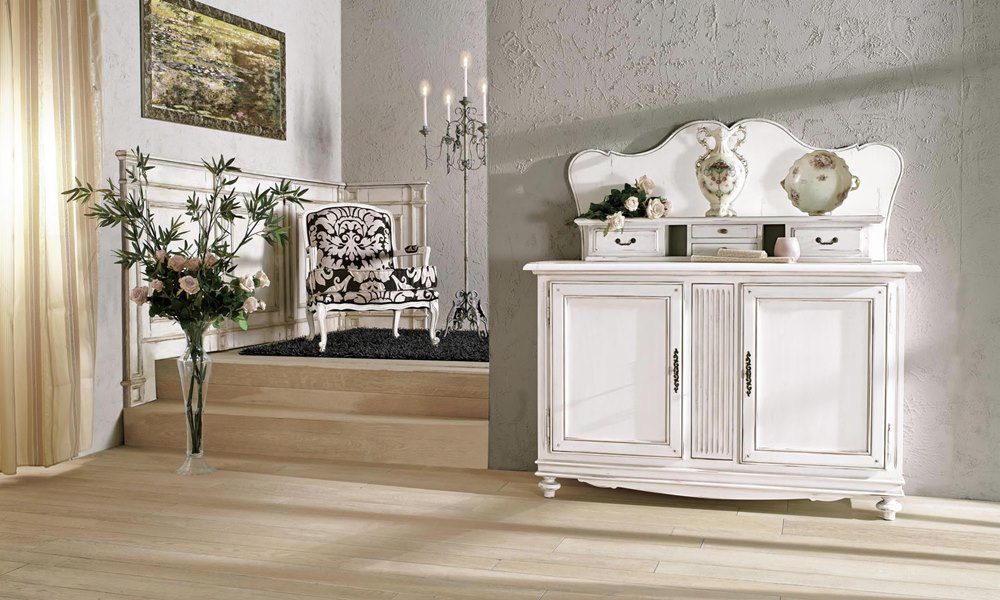
Everywhere I look, I mainly see accents of white, gray, and templates. In my opinion, manufacturers don’t really understand how to design an interior in the Provençal style and end up creating copies of other brands. Such furniture is somewhat reminiscent of the Shabby chic or Scandinavian styles. Yet Provence isn’t entirely light in its feel, so you can definitely incorporate elements of aging, heaviness, solidity, antiquity, and.
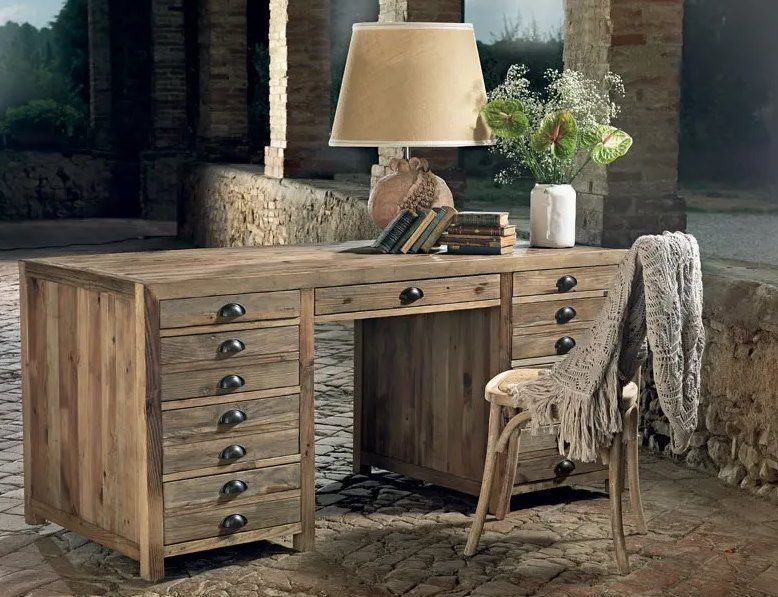
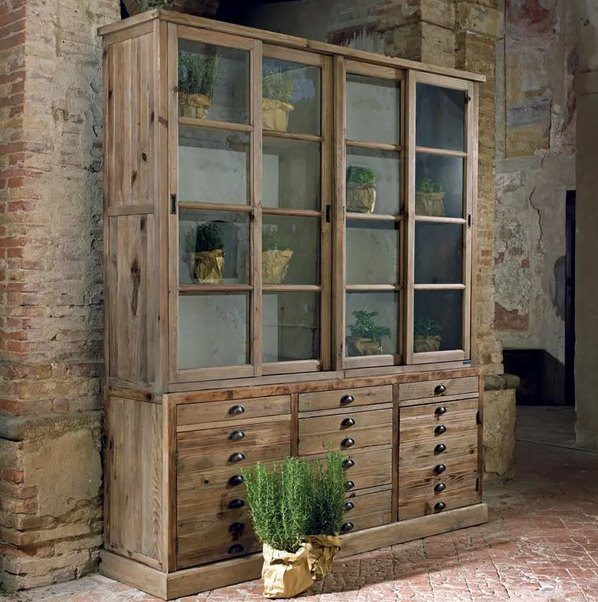
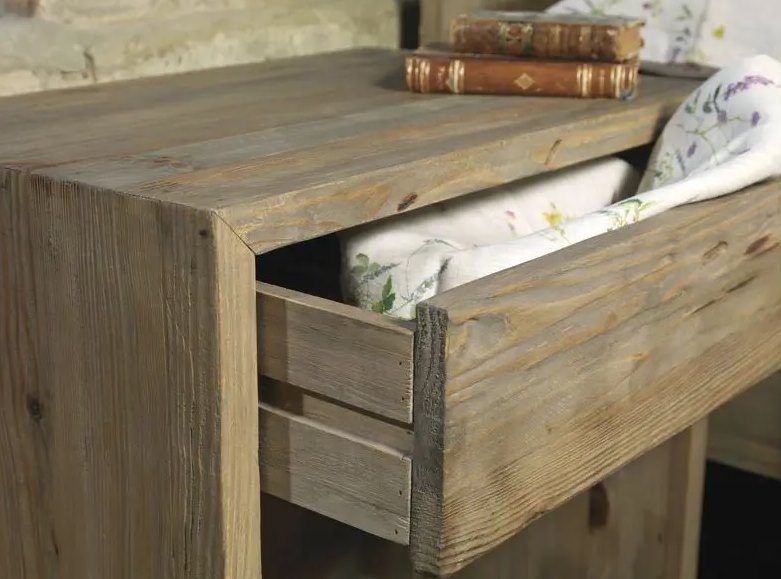
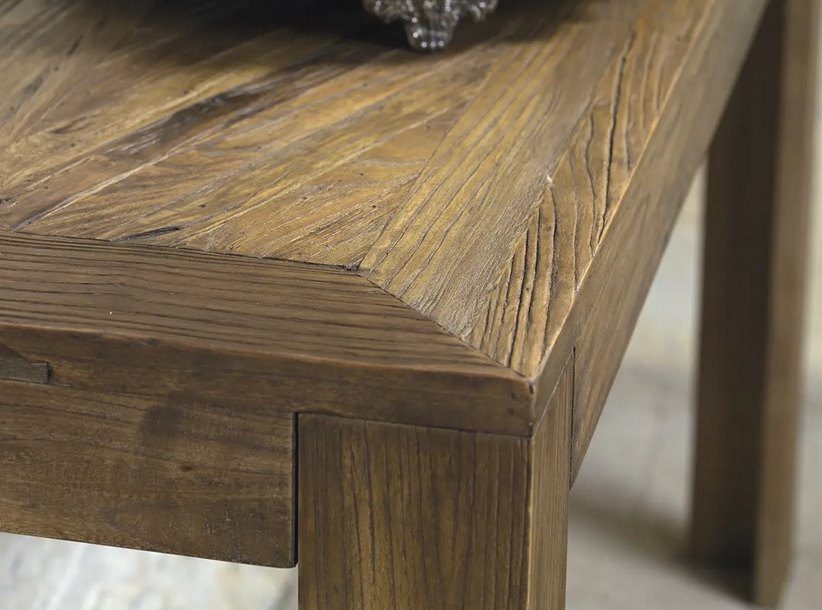
I think the main material that plays the leading role here is natural wood. It will be the star of the show in our living room, bedroom, or study. However, there are many Provençal-style furniture pieces on the market made from MDF or other slightly less durable materials. But after all,, and that’s exactly what natural wood offers. So let’s look for these kinds of solutions.
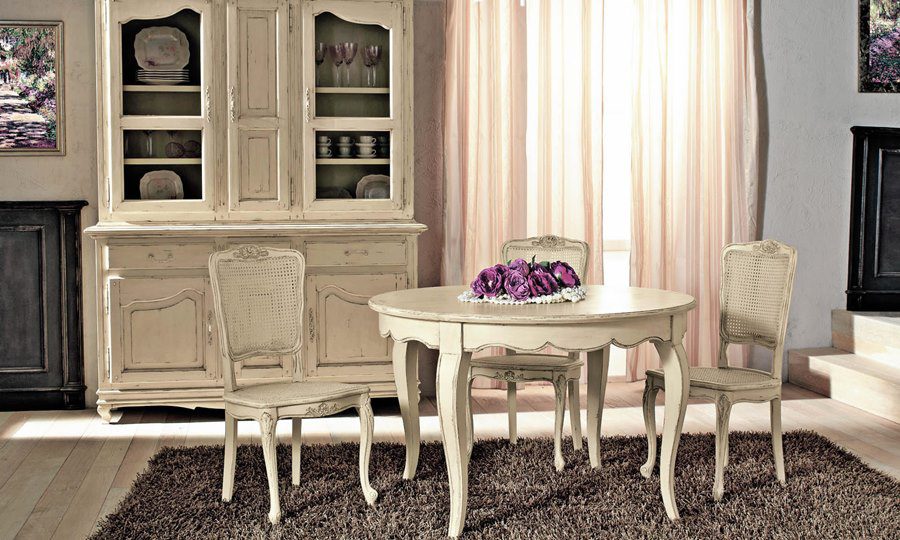
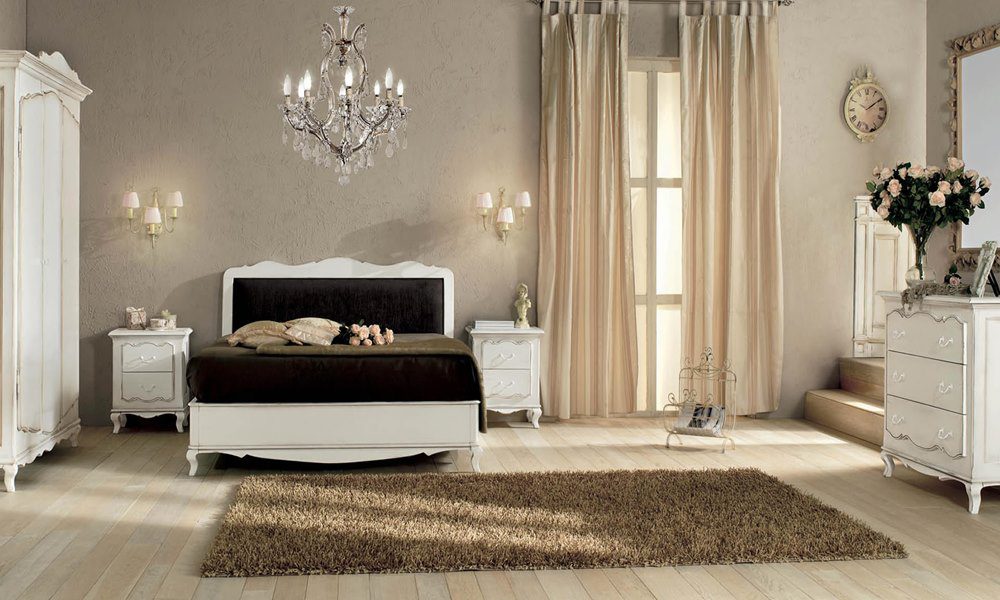
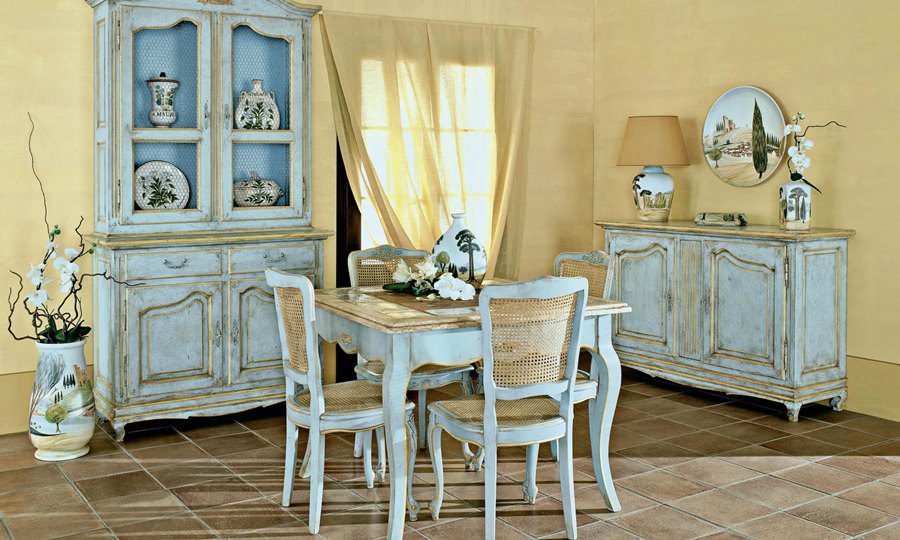
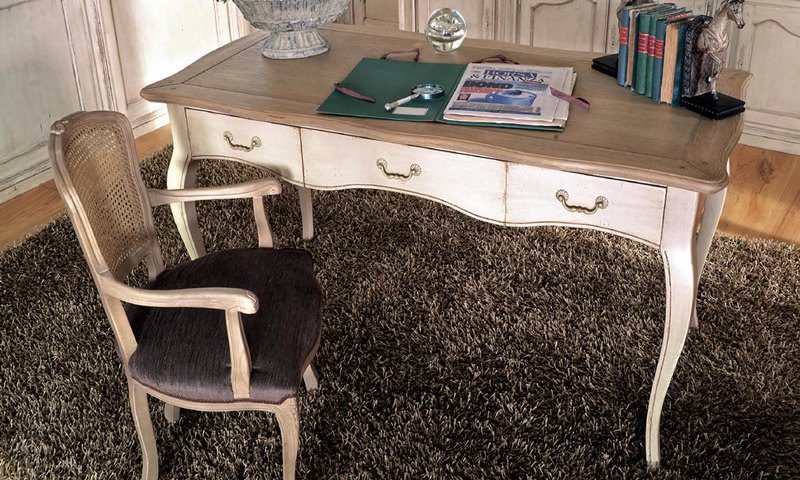
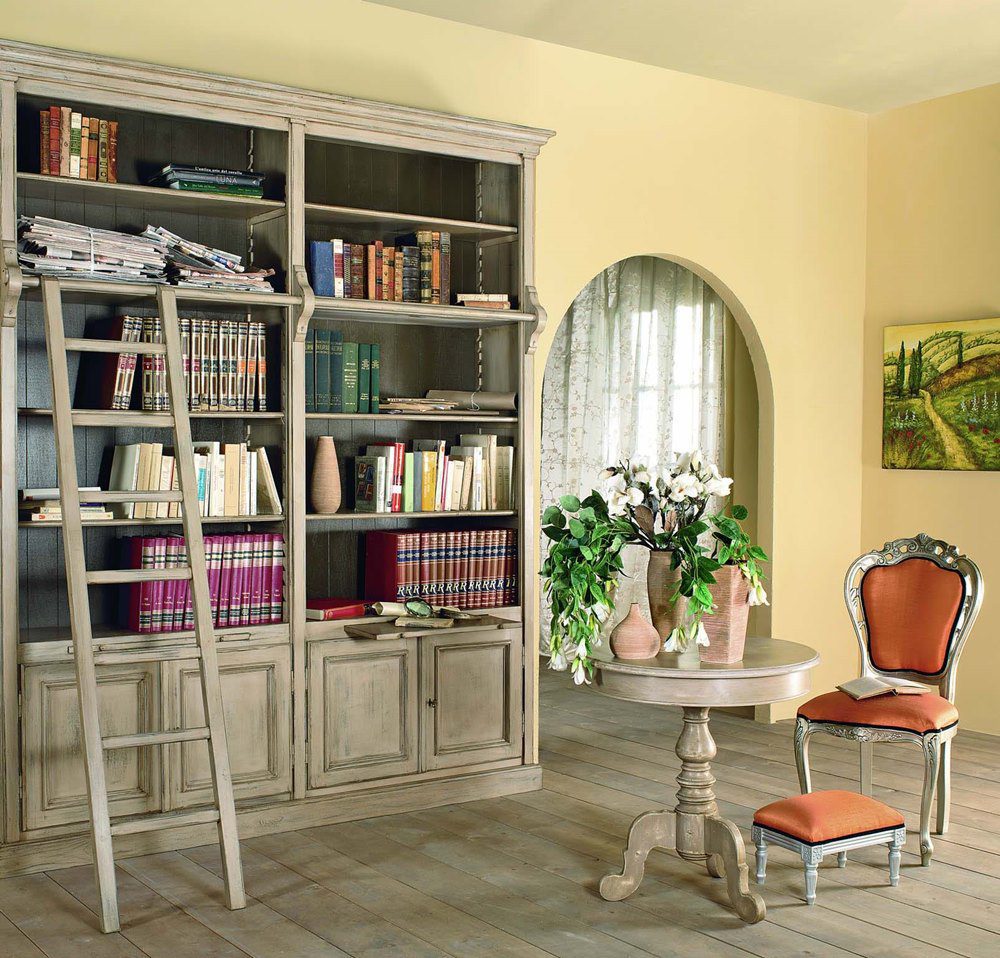
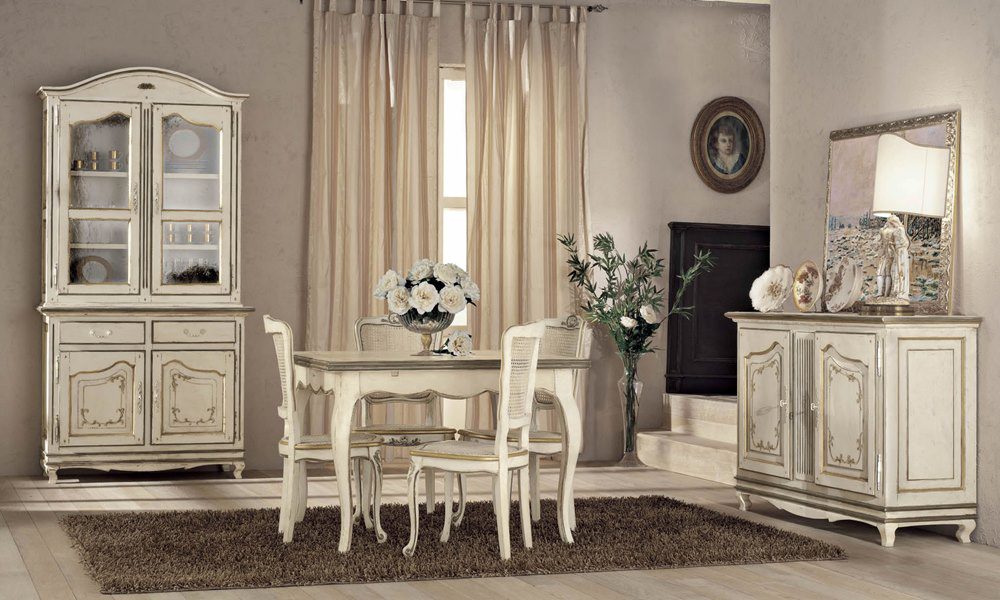
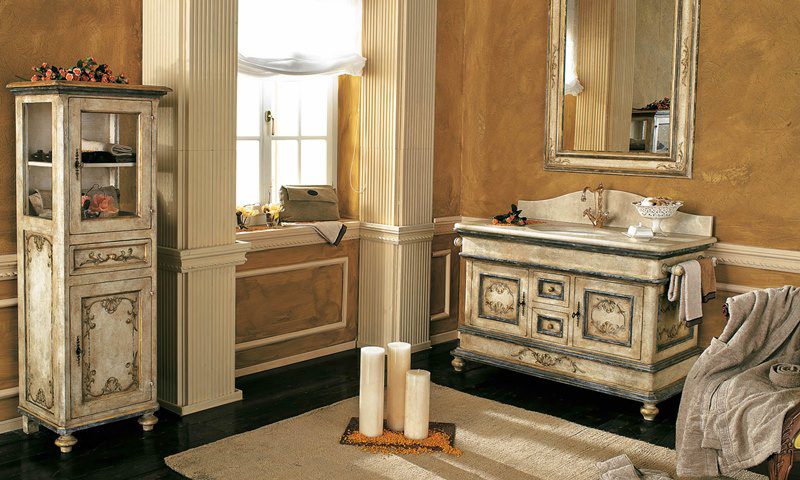
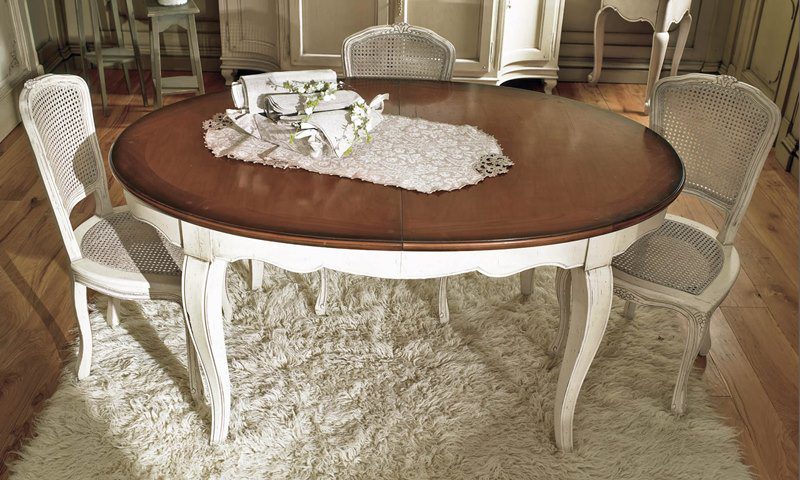
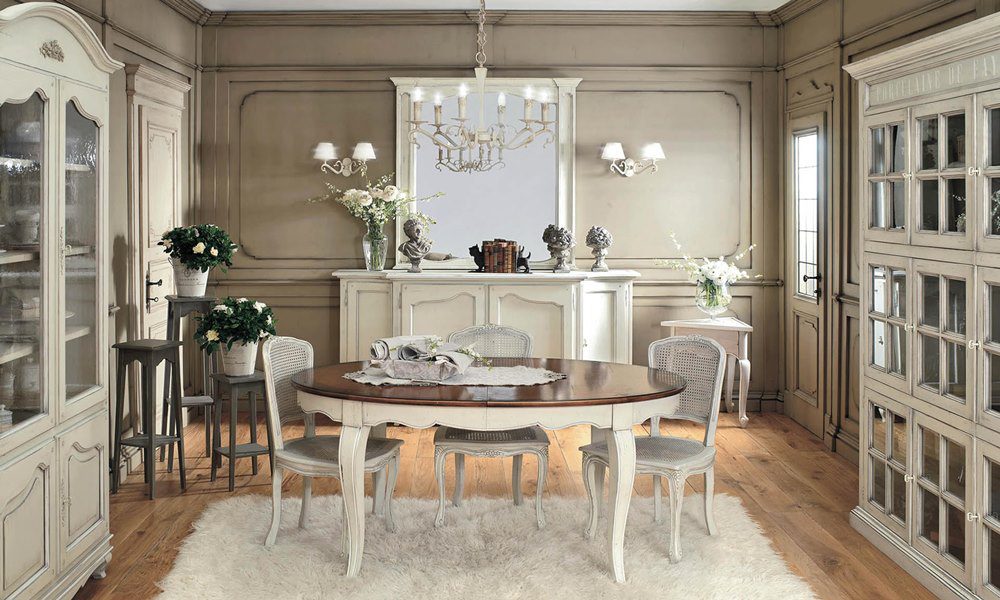
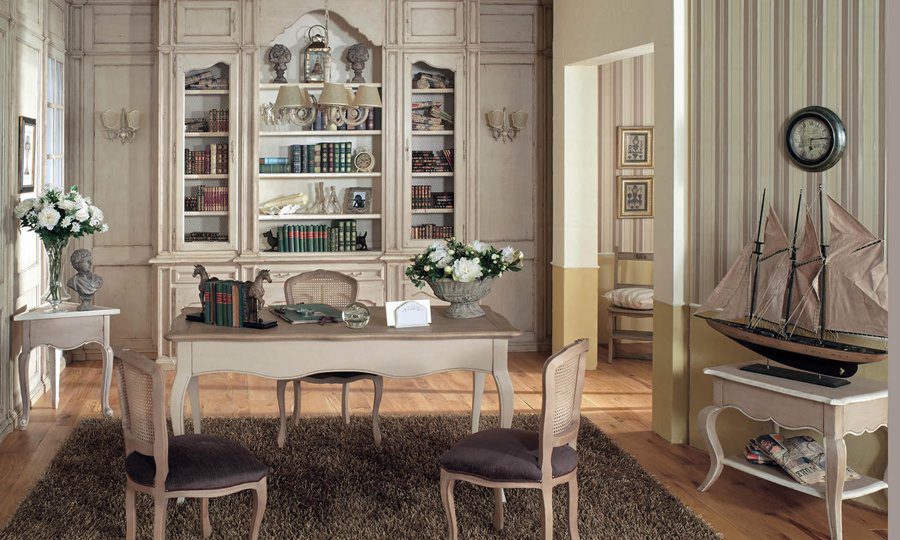
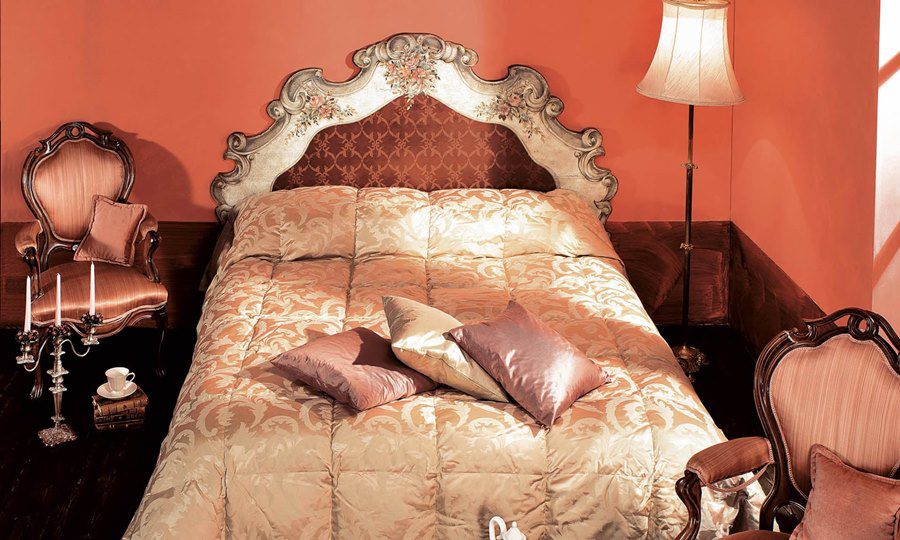
One style – many solutions: how to design an interior in the Provençal style
I know it comes down to budget, but today wood has its price. In return, we can have a piece of solid craftsmanship in our home, something that will last for generations. This is also quite important when it comes to maintenance and passing furniture down to your children and grandchildren. After all, everyone should have things like this—items with a soul.
I often see Provençal-style sofas with colorful little flowers—very charming, but for me, they lean a bit too much toward the English style. You can experiment with floral or botanical patterns on fabrics, but it needs to be done with a sense of balance. The Provençal style offers a lot of possibilities, so here you should also consider sofas made of wood, wicker, or other sturdy materials.
I see that many designers incorporate antique sofas into this style, and it’s not a mistake—it’s a deliberate choice. Often, it delivers truly impressive results. And finding an antique piece isn’t difficult; there’s plenty available on the market, so you can easily select a product from past centuries. Of course, you need to approach this with great sensitivity and make sure the sofa has been restored. After all, it’s hard to order an antique for a client if it hasn’t been properly refurbished.
Colors of Provence – How to Design an Interior in the Provencal Style
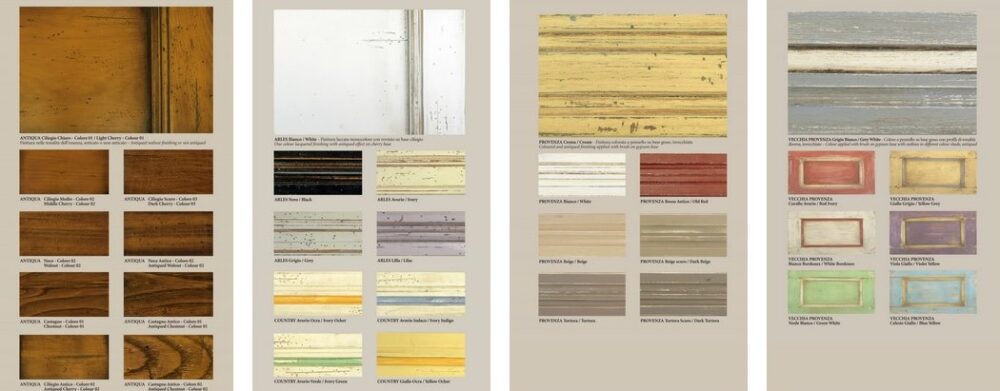
Here you’ll find —these should be the dominant colors, especially if you’re unsure how to design a Provençal-style interior. You can experiment with touches of pink or brown—why not?—but it all depends on the wall color and lighting. There needs to be harmony and chemistry between these elements. I still see quilted sofas associated with this style, but honestly, that’s not quite what I would envision for such a space.
That’s why when designing an interior, even a, we can let our imagination run wild and introduce truly unconventional furniture. Beaten paths are for those who copy and repeat, but if we want something original, we have to forge our own way. If we always follow in others’ footsteps, we’ll only ever find what’s already been discovered!
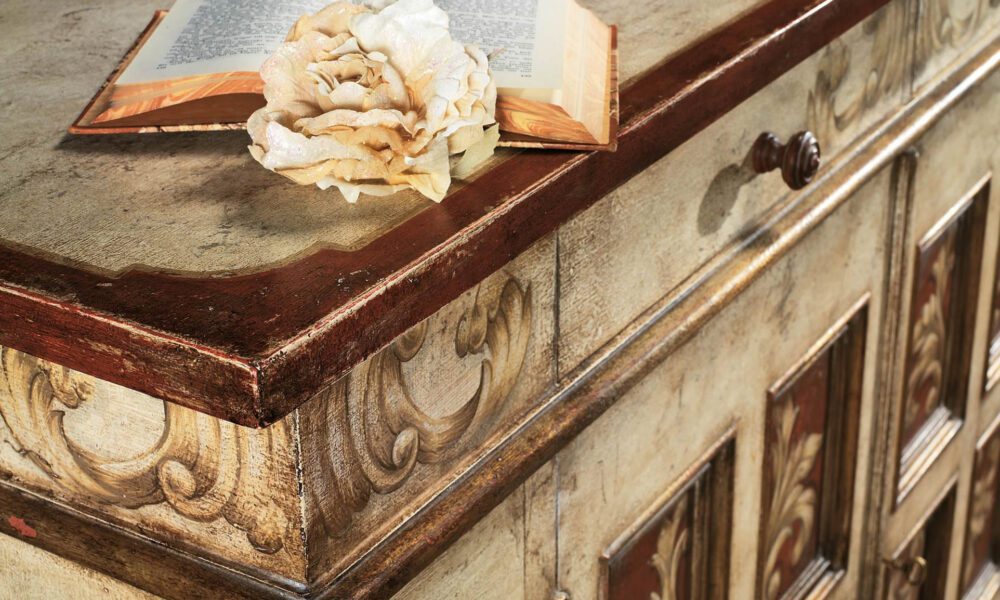
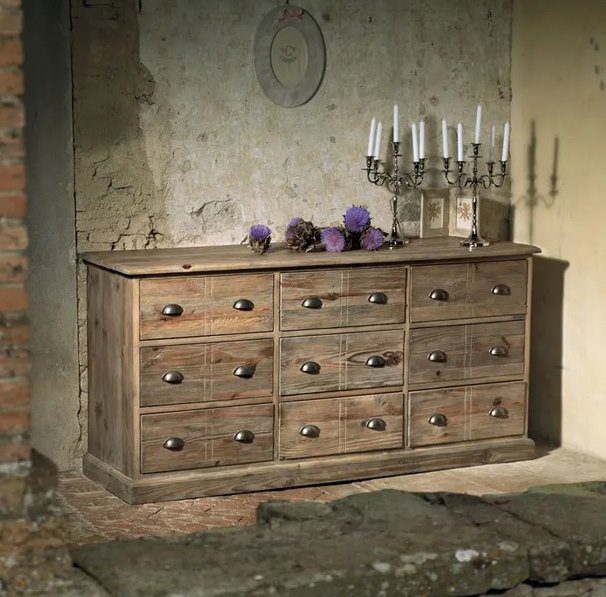
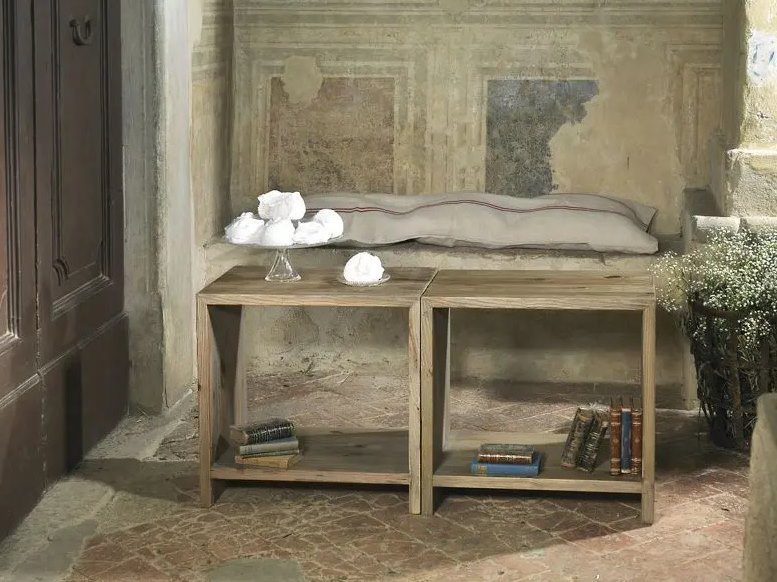
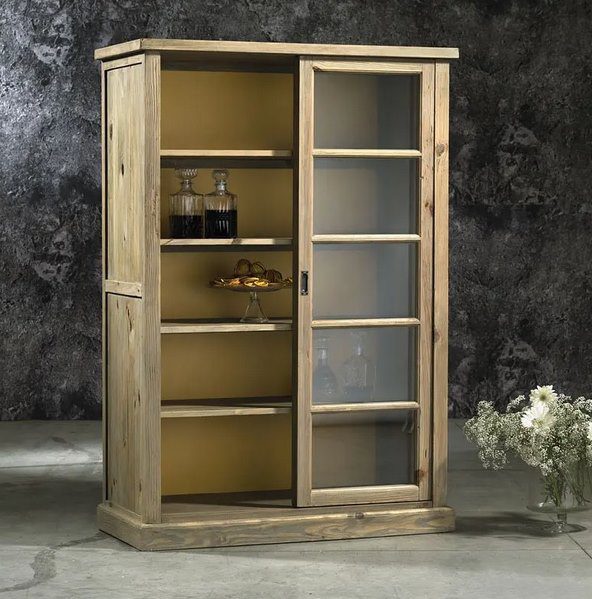
When creating your own Provençal-inspired space, you might consider wrought iron furniture—especially if there’s a connection between the living room and the garden or terrace. Incorporate plenty of old wood, wicker, distressed and aged timber, antique furniture, or even pieces that are. The selection available today is vast, and a designer should skillfully blend all these elements together.
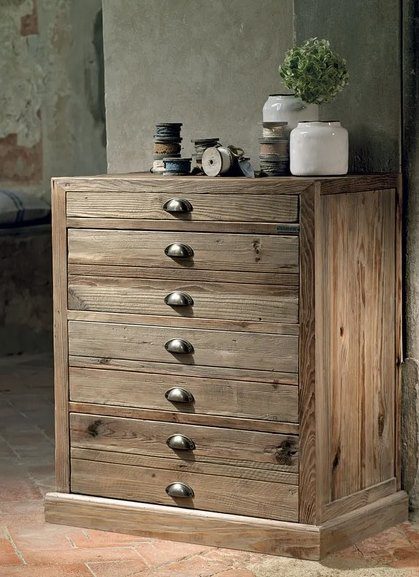
Accessories, accents, and trinkets for a Provençal interior
We have the lighting and furniture, so all that’s left is to add the finishing touch. Of course, there’s still the matter of rugs, but in many Provençal homes or apartments, old tiles or wooden floors are often used. So not everyone wants to cover up such treasures.
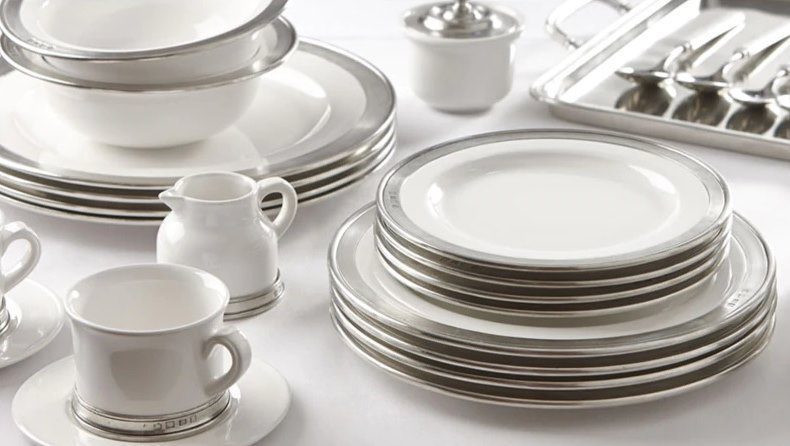
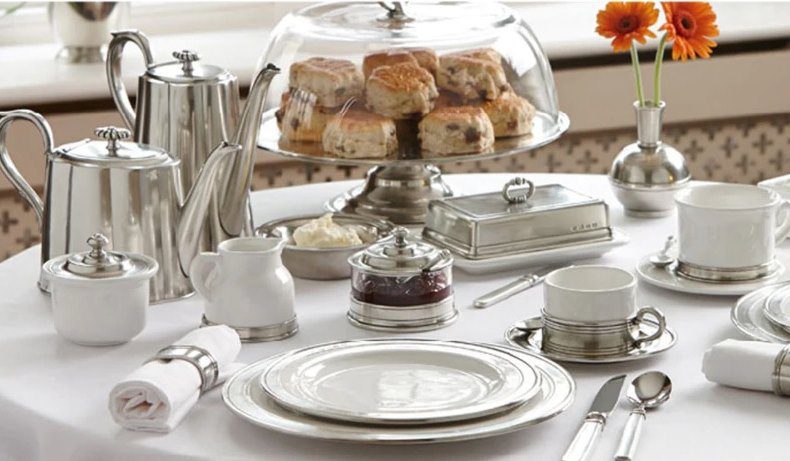
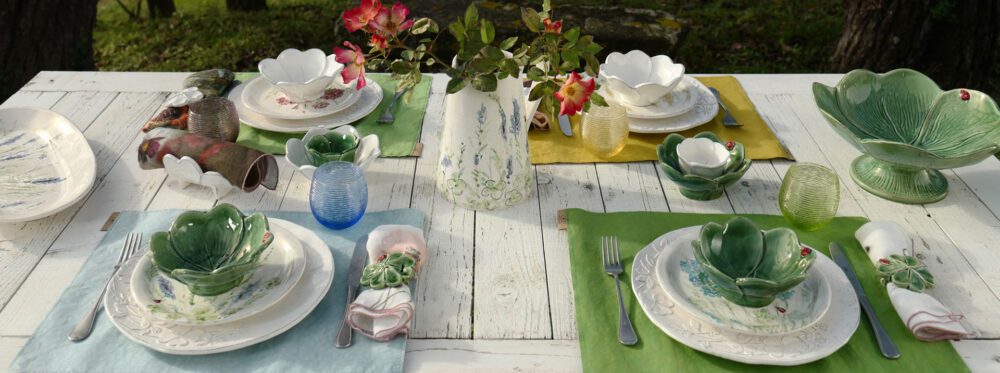
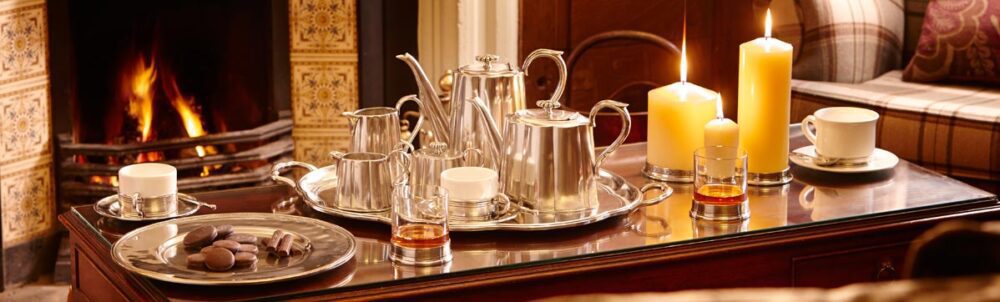
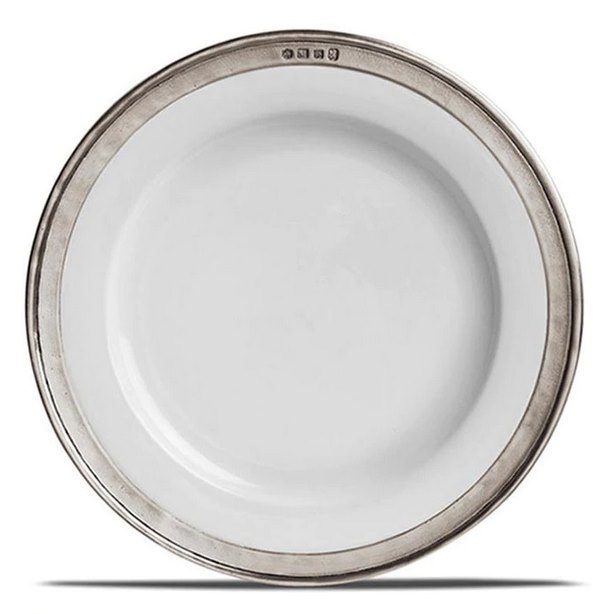
I’ll start with the table, as that’s where the whole family usually gathers, where we welcome guests, and spend a lot of our free time. That’s why it’s important to make sure that the plates and other accessories match this style. I immediately recommend the Italian brand, which offers a perfect collection and plenty of accessories to furnish your dream dining and living room.
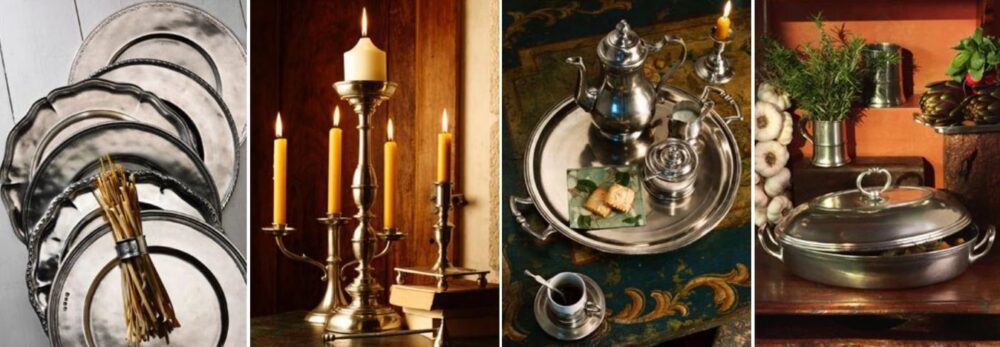
Their main material is pewter, which evokes a sense of the past, and the combination of plenty of white ceramics with this material creates an amazing effect. A very important factor is that their range is exceptionally wide, allowing us to continuously expand our entire collection.
In addition to their beautiful plates, they offer glasses, tumblers, trays, mirrors, and many other items that fascinate me every time. You won’t find this craftsmanship in Asia, so I always say: let’s appreciate and support European manufactories.




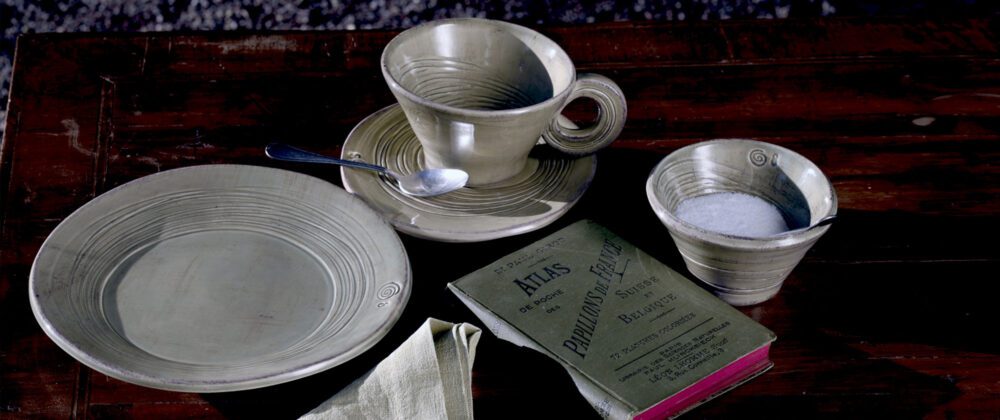
If you’re still unsure how to design an interior in the Provençal style, read about ceramics
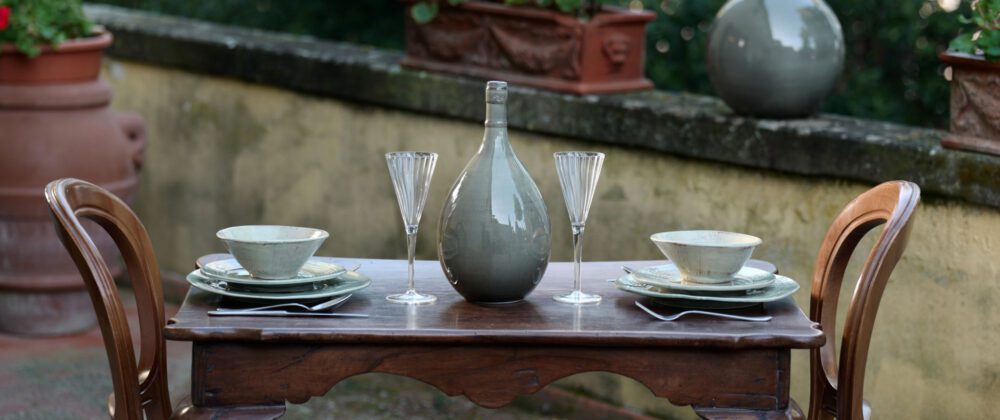
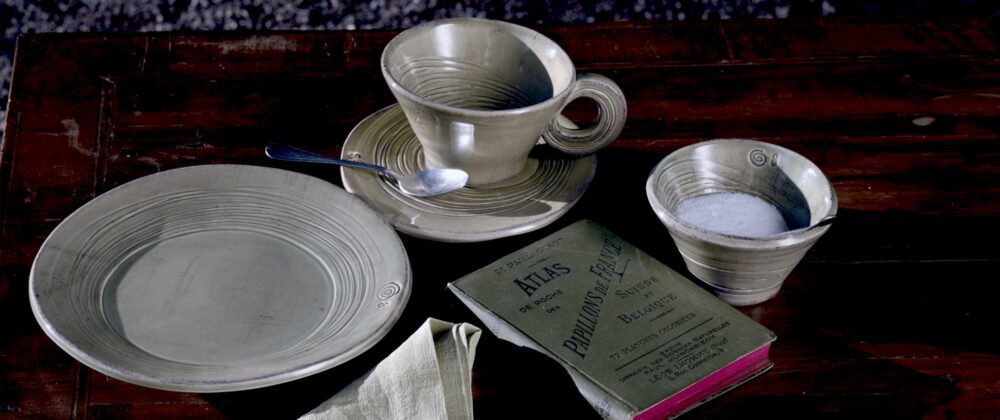
Classic white ceramics will also work perfectly here—slightly rustic, a bit country-inspired, fitting well with this style. On one hand, you have heavy, solid, fairly thick plates; on the other, light, floral, and very fresh ones. So the choice should be highly individual, tailored to the investor’s taste. Personally, I prefer the more substantial, country-style plates.
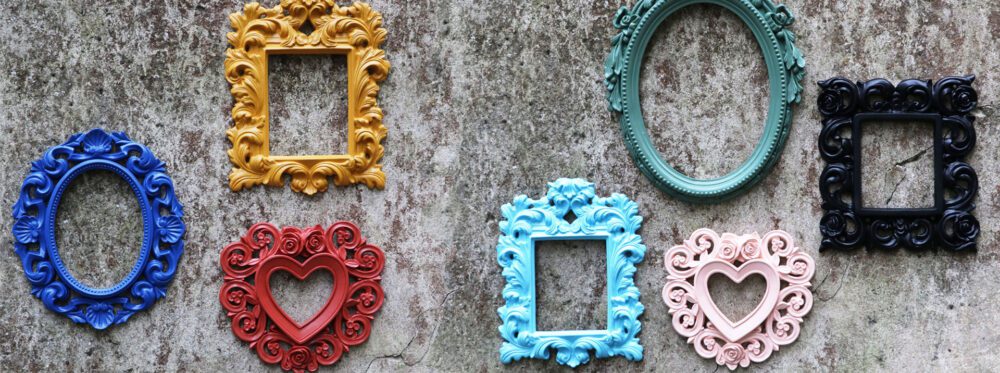
When it comes to Provençal-style decorations, there’s so much available on the market that it can actually feel overwhelming. Paradoxically, having too many options often makes it harder to choose something truly interesting. I believe it’s better to have one or a few “standout” pieces that set the mood, rather than a lot of cheap trinkets—mass-produced cages, frames, vases, or other knick-knacks.
New vs Old Accessories – How to Design an Interior in the Provençal Style?
A good designer will delve into the subject, find old copper pots to fill with beautiful plants, antique doors from the, or even tin vessels that served previous generations. Everything depends on initiative, the so-called designer’s intuition, and a sensitivity to authentic decorations for a Provençal interior.
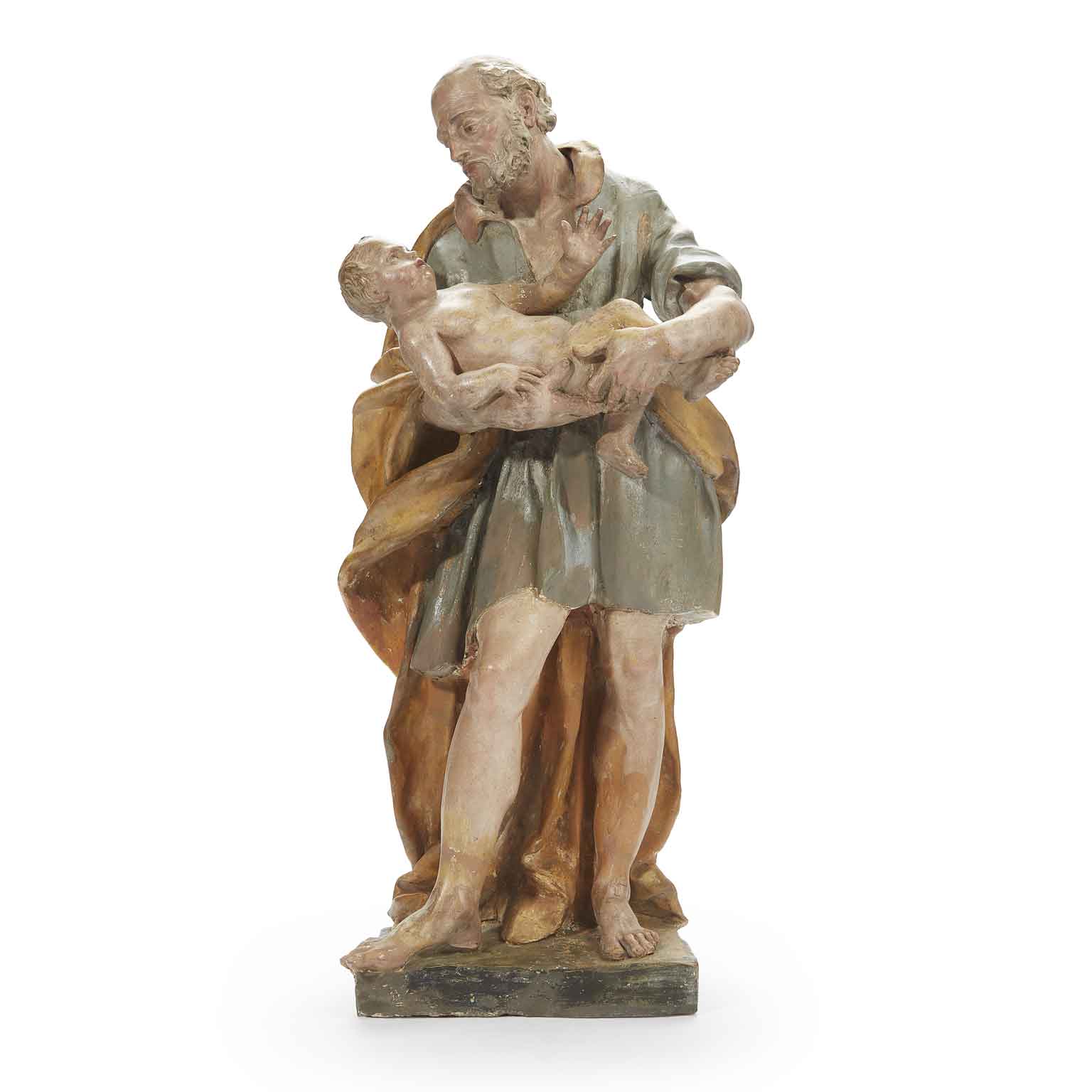
Provence loves old things that don’t have to cost a fortune, like reclaimed tiles, metal buckets, cast iron stove doors, or perhaps wooden parts salvaged from dismantled houses. And if you want something even more stylish, it’s worth searching for antique decorations—religious figures, statues from churches, or metal vessels. There’s plenty of that on the market, but it’s best to leave the hunt to someone who knows a bit about it.
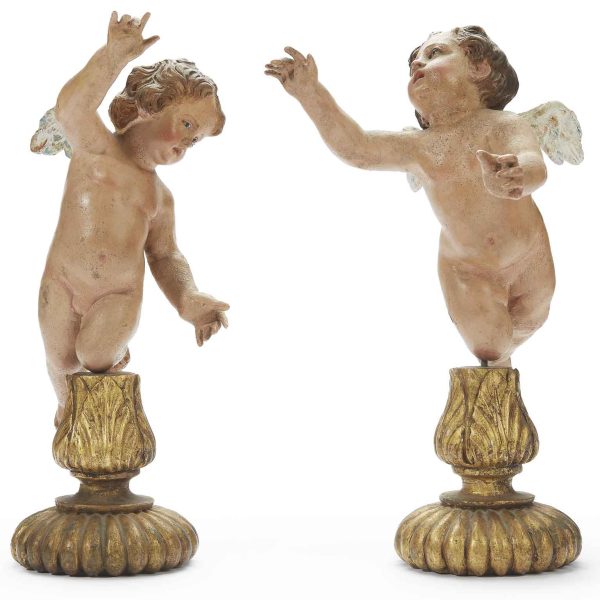
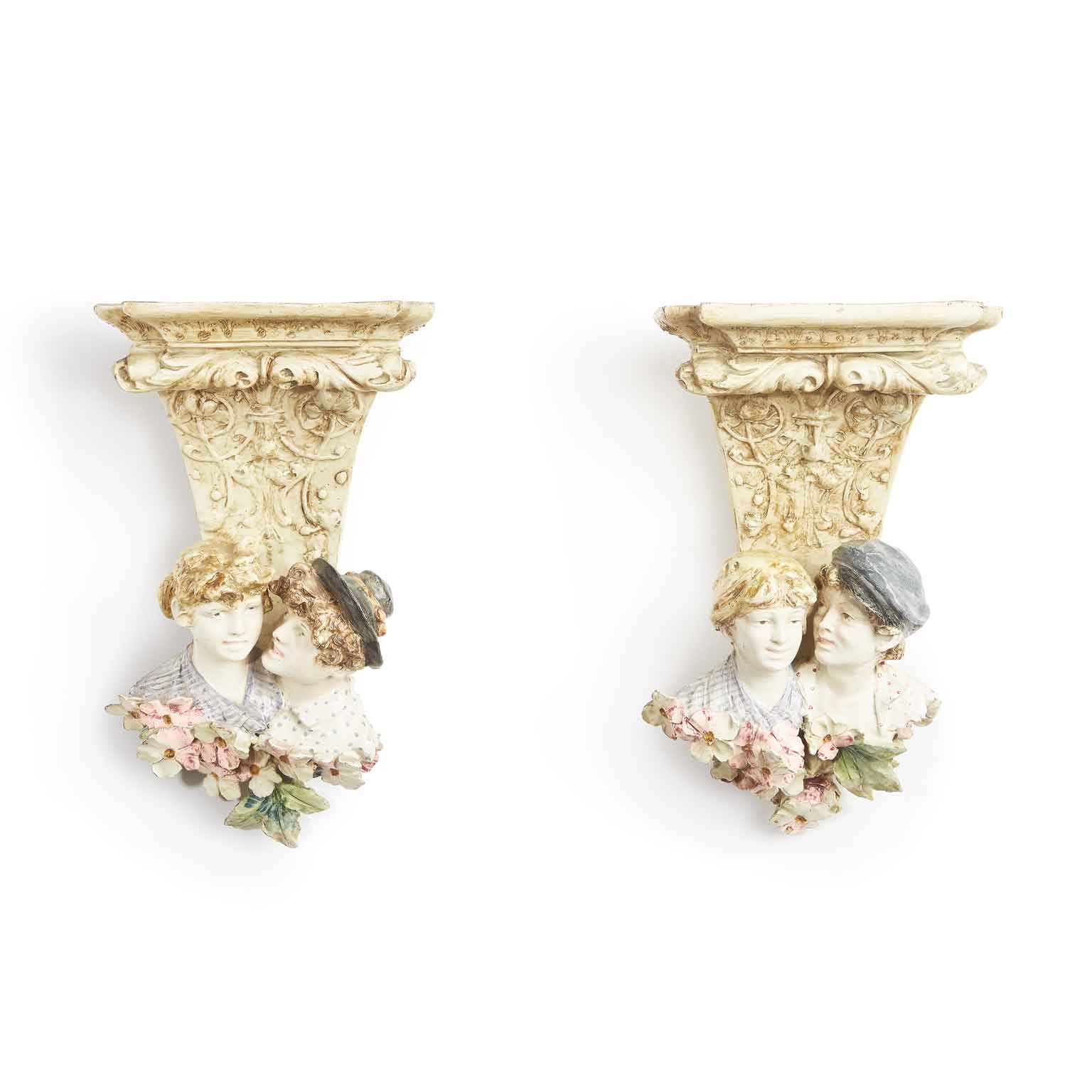
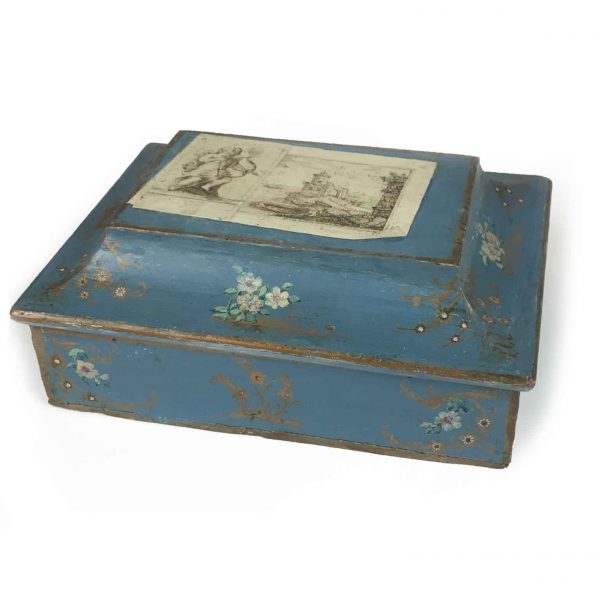
Where to find great inspiration for a Provençal interior?
I have always chosen brands with class, history, and top-quality products, which is why I invite you to create interiors of the highest standard together. We can easily source antique pieces, vintage furniture—including new items from Italian or French manufacturers—tiles, fireplaces, and wooden motifs inspired by this beautiful style. Most importantly, we will design your home or apartment to be fully functional and, above all, not resemble a museum.
It’s not about cramming in a bunch of Provencal furniture and decorations, but about making everything work together harmoniously. It also needs to be ergonomic and suitable for everyday living. After all, our interiors should provide us with shelter, but also comfort while spending time in them.
That’s why we invite everyone who wants to transform a part of their space and feel like they’re truly in Provence to get in touch with us. We love designing unique, functional, and original interiors, so if you’d like to know how to create a Provençal-style interior, feel free to contact us –



Leave a Comment