

How to Choose Trendy Winter Shoes? 5 Practical Tips
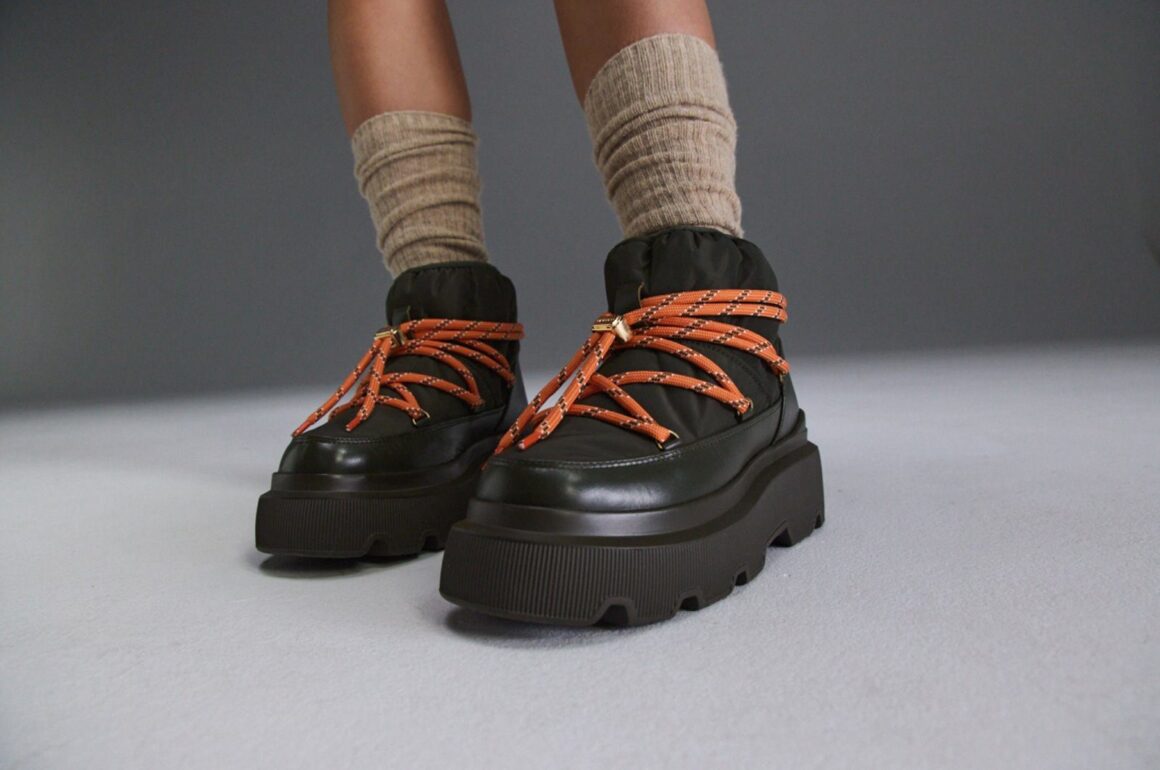
When the temperature starts to drop, we slowly begin to think about buying winter shoes. Such footwear should provide warmth and protection from moisture, but it should also be fashionable and stylish. How can you combine all these aspects? Discover 5 tips that will help you choose the perfect shoes for winter.
Thermal insulation and waterproofing
Insulation and waterproofing are key factors to consider when buying winter boots. If you invest in footwear without proper insulation, snow and freezing rain can turn a simple trip to the store or a visit to the post office into a cold and wet ordeal for your feet. That’s why, when choosing winter boots, look for insulated models made from waterproof materials that prevent moisture from seeping into the upper. Leather snow boots (check out the trendiest winter boots:
Good grip
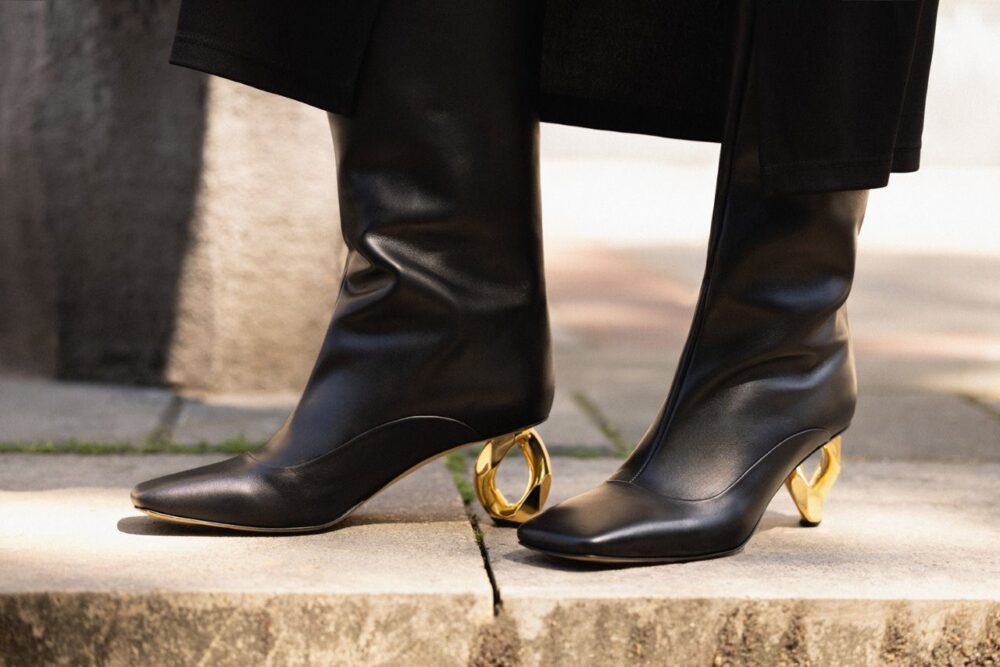
Another important factor is good traction. Therefore, look for models with a tread featuring lugs, which provide stability and safety in more challenging weather conditions.
Moreover, thicker soles and chunkier footwear are currently all the rage. This type of shoe pairs well with both casual looks and more elegant outfits.
Type of fastening
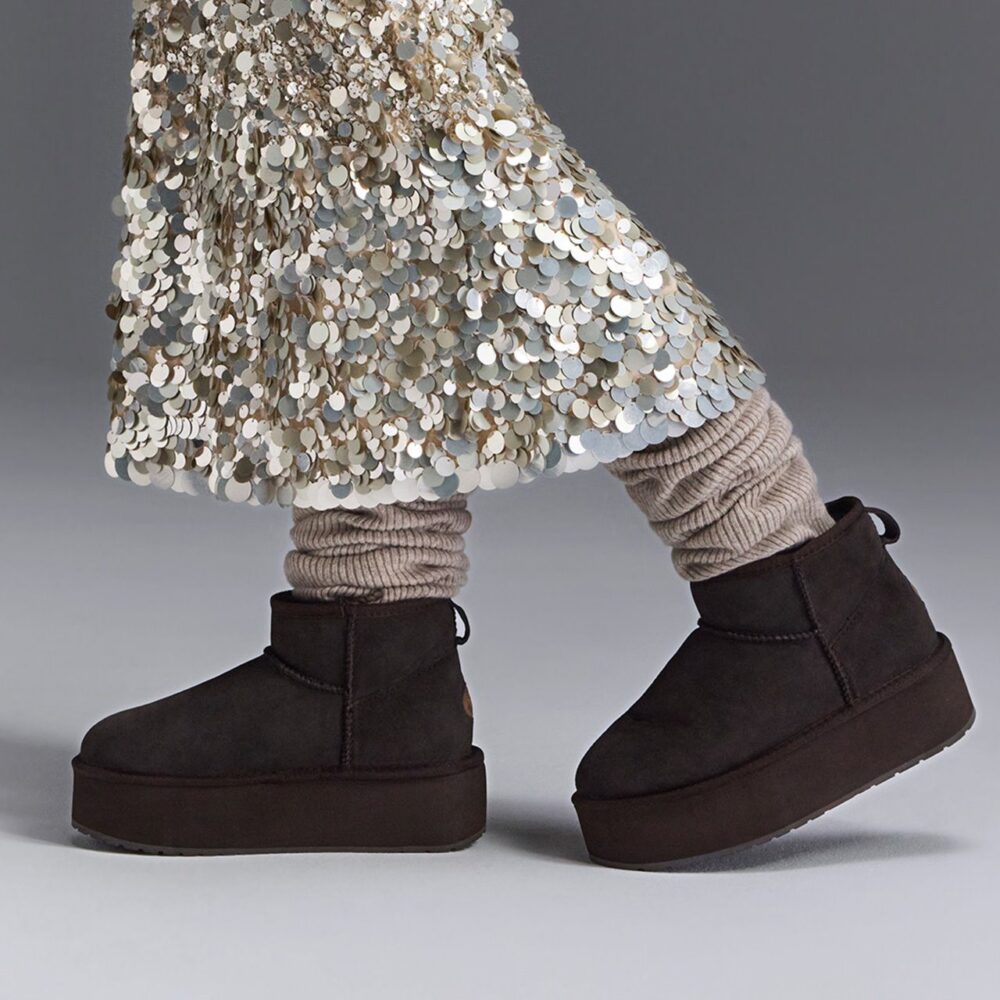
The right fit for winter boots also depends on the type of fastening. If you lead an active lifestyle, choose lace-up models that offer greater ankle support, which is especially useful on slippery surfaces. Well-fitted footwear stabilizes your foot and helps prevent accidental injuries, particularly on icy sidewalks.
If you value quick and easy shoe changes, opt for models with a zipper or Velcro fastening. Riding-style knee-high boots with a zipper in a trendy brown shade will be a great choice.
Activity level
If you spend most of your time in places with room temperature, insulated footwear may cause your feet to overheat. The key is to find balance and realistically assess your daily activity level. If you plan to wear winter boots mostly outdoors, you can opt for more insulated models, but if you mainly commute by car and spend most of your time indoors, shoes without excessive insulation may prove more practical.
Wearing comfort
In winter, we often wear thicker, insulated socks that take up more space in the shoe. Shoes that are half a size larger help prevent pressure and ensure the shoes aren’t too tight, which translates into all-day comfort.
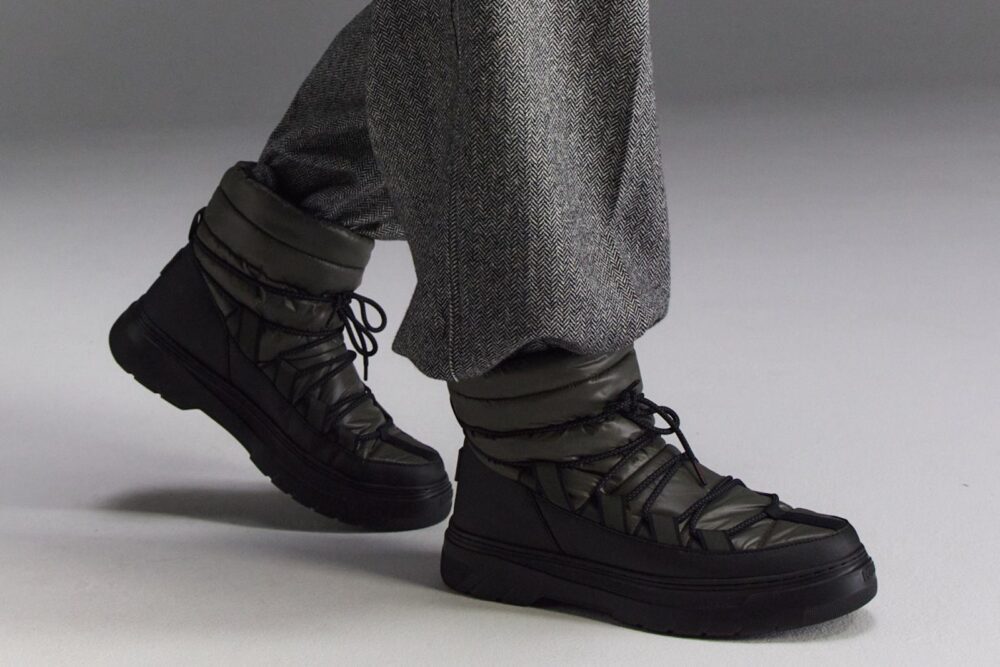
Moreover, a bit of extra space inside the upper helps maintain a layer of air between your foot and the shoe material, which acts as an insulator. This can contribute to better protection against the cold, as air circulation helps retain warmth inside the shoe.
Sponsored article





Leave a Comment