

How to choose a night serum for women 35+?
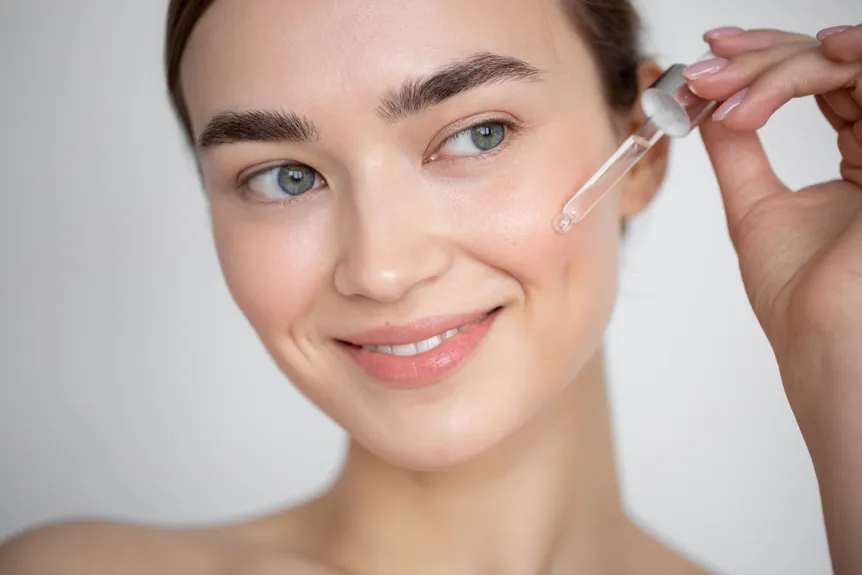
After the age of 35, the skin becomes noticeably more sensitive to fatigue, stress, and lack of regular care, which is why many women start wondering how to effectively care for their complexion at this stage. At this age, the skin’s needs change significantly, as collagen and moisture levels decrease and the natural regeneration process slows down. As a result, the skin requires more potent ingredients that support elasticity and renewal. It’s no surprise, then, that the question: How to choose a night serum for women 35+? is becoming increasingly common. The right serum can truly transform your skin’s condition, leaving it looking fresh and healthy in the morning.
Table of contents:
- How to choose a night serum for women 35+?
- Which ingredients in serums are most effective after the age of 35?
- Does retinol really work against wrinkles?
- How to choose a serum if I have sensitive skin?
- Which night serum should you choose for dry skin?
- Can a night serum replace a cream?
- How to apply serum for maximum effectiveness?
- Which night serum is best after the age of 35?
How to choose a night serum for women 35+?
Choosing a serum after the age of 35 should be a conscious decision, as the skin no longer responds to gentle formulas as effectively as before. It’s crucial to pay attention to active ingredients that truly support regeneration and collagen renewal. For a night serum, look for retinol, peptides, ceramides, and hyaluronic acid, as these ingredients help maintain firmness, smoothness, and proper hydration. It’s also a good idea to opt for lightweight antioxidants to reduce the impact of oxidative stress on the skin. If your skin is sensitive, it’s better to choose milder forms of retinol, even though they work more slowly. The serum should also be matched to your skin type —different formulas work for dry skin, others for combination skin. It’s also worth considering the product’s texture to ensure it complements the rest of your routine.
Which ingredients in serums are most effective after the age of 35?
After the age of 35, the most effective ingredients are those that support the skin’s natural regeneration processes, as the skin gradually loses elasticity and requires stronger support. Retinol accelerates cell renewal and smooths out wrinkles, including fine expression lines, making the face look more rested. Hyaluronic acid provides intense hydration and helps maintain optimal skin moisture, which is crucial for firmness. Peptides boost collagen production, while both ceramides and squalane strengthen the protective barrier and prevent dryness. Antioxidants such as vitamin C and coenzyme Q10 protect the skin from free radicals and slow down the aging process. It’s best if a serum combines several of these ingredients, as this delivers a more comprehensive effect. It’s also important to match the concentration of ingredients to your skin’s condition to avoid irritation.

Does retinol really work against wrinkles?
Retinol is considered one of the most effective anti-aging ingredients because it genuinely stimulates the skin to renew itself and regulates its regeneration processes. It reduces wrinkles, brightens discoloration, and improves skin firmness, with its effects confirmed by numerous studies and cosmetic practice. Although it can be intense, it works comprehensively and delivers results that are hard to achieve with other ingredients. Retinol serum is best applied in the evening to support the skin’s natural nighttime renewal. In the morning, UV protection is essential to prevent irritation and discoloration that may occur with sun exposure. It’s advisable to start with lower concentrations to give the skin time to adapt. Consistent use of retinol delivers the most lasting results, making it worth including in your long-term skincare routine.
How to choose a serum if I have sensitive skin?
Sensitive skin requires special care, as potent ingredients can easily irritate it and cause redness or a burning sensation. In this case, it’s better to opt for gentle retinol derivatives or replace them entirely with peptides, which are effective yet mild. Hyaluronic acid and ceramides are also excellent choices, as they support hydration and regeneration while improving elasticity. It’s wise to avoid high concentrations of acids, even though they promise quick results, because their strength can weaken the skin’s protective barrier. It’s also a good idea to introduce new cosmetics gradually, so you can monitor your skin’s reaction and quickly catch any signs of irritation. The gentler and more mindful your approach, the better. It’s also worth paying attention to short ingredient lists to reduce the risk of allergies. For very reactive skin, pharmacy serums formulated specifically for sensitive complexions can be helpful.
Which night serum should you choose for dry skin?
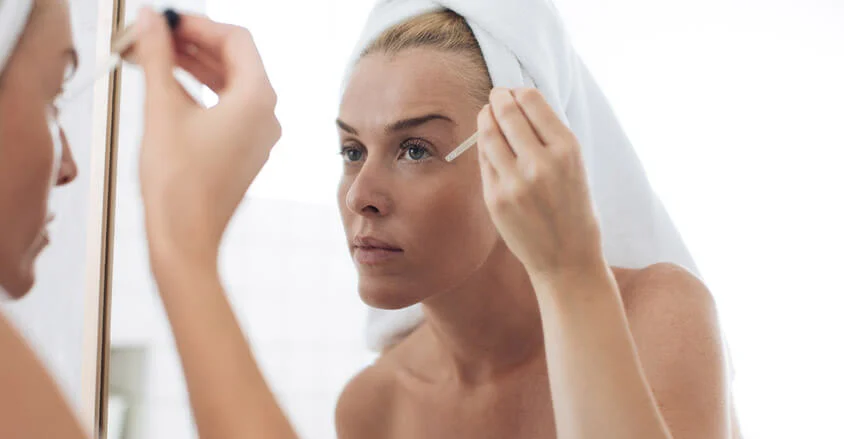
Dry skin after the age of 35 requires intensive hydration, as it loses moisture much faster than normal skin and is often accompanied by a feeling of tightness. It’s best to choose serum with hyaluronic acid, squalane, ceramides, and peptides to both replenish moisture and rebuild the hydrolipid barrier responsible for maintaining comfort. Ingredients such as panthenol and allantoin also have a soothing effect, helping to reduce irritation and improve skin softness. Ideally, the formula should be lightweight yet concentrated, as nighttime is the perfect moment for deep regeneration and replenishing hydration. An emollient serum will also work great—even though it’s richer—because it protects the skin from moisture loss. The most important thing is to choose a product that will keep your skin comfortable until morning and help restore its elasticity. It’s also worth including PHA acids in your routine, as they gently exfoliate and improve the skin’s ability to absorb moisture.
Can a night serum replace a cream?
Serum should not completely replace a cream, as its main purpose is to deliver concentrated active ingredients rather than create a protective barrier to prevent water loss. A cream helps lock moisture into the skin and protects it from excessive evaporation overnight, which is essential for maintaining elasticity. Serum and cream therefore work both complementarily and synergistically, allowing the skin to fully regenerate and look refreshed. The only exceptions may be very oily or oil-based formulas, which can sometimes be sufficient for combination or oily skin. Nevertheless, most women will notice better results when using both products, as their effects reinforce each other. Combining these two steps provides the most effective and comprehensive nighttime skincare. Remember, the cream acts as a protective layer, supporting the serum’s action and helping to retain active ingredients in the skin.
How to use serum for maximum effectiveness?
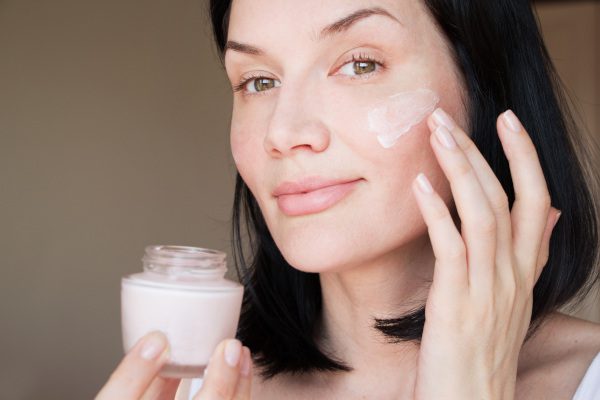
For the serum to work at its best, your skin should be thoroughly cleansed and slightly damp, as this allows active ingredients to absorb more effectively. After application, it’s a good idea to seal it in with a cream to create a protective layer on the surface, which prevents moisture loss and enhances the formula’s effects. A toner or essence can further boost your skincare routine, as they prep the skin to better receive the product. Consistency is key here, so it’s best to use the serum daily for faster and longer-lasting results. Ingredients like retinol work gradually and require patience, even though the first changes usually appear after a few weeks. It’s wise to give them time and avoid interrupting the treatment. Applying serum at night is also recommended, as this is when the skin regenerates most intensively and absorbs ingredients better. It’s also a good idea to adjust the amount of product to your skin’s needs, so as not to overload it with excess product.
Combining several serums can be beneficial, but it should be done in moderation to avoid overloading the
Which night serum is best after the age of 35?
The choice of the right serum after the age of 35 depends primarily on your skin’s individual needs, as everyone’s skin ages at a different pace. It’s crucial to pay attention to active ingredients that genuinely support regeneration, hydration, and firmness. Retinol, peptides, ceramides, and hyaluronic acid are all effective components that help keep your skin in optimal condition. Remember, consistency and the correct order of application are key to achieving the best results. Ultimately, the best serum is one that matches your skin type, doesn’t cause irritation, and supports your skin’s natural nighttime regeneration processes. If you choose it consciously, your skincare routine will deliver noticeable and long-lasting results. It’s also wise to observe how your skin reacts and adjust your routine according to its current needs.






Leave a Comment