

How much does a trip to Antarctica cost?
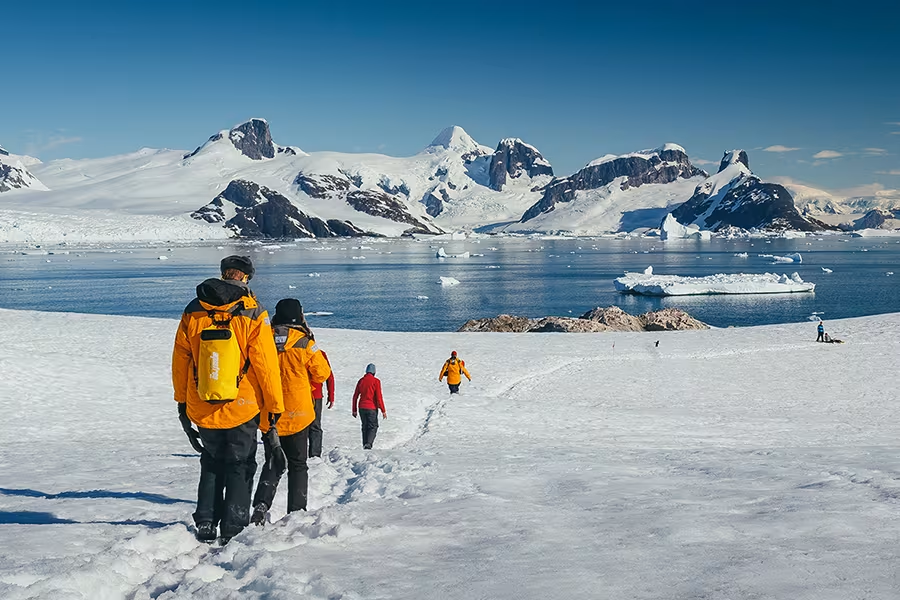
Is 12,000 PLN enough to stand among penguins on the White Continent? This amount often appears as a starting point in many offers, but the truth about how much does a trip to Antarctica really cost? —is quite different!
In 2024, Antarctica was visited by over 58,000 tourists—a record that shows just how much interest in this destination has grown. With the current dollar exchange rate hovering around 4.10 PLN, the dream of visiting the icy continent is becoming increasingly expensive for Poles.
How much does a trip to Antarctica cost? – from dreams to the icy continent
Why is this topic so relevant right now? The year 2025 brings new regulations for Antarctic tourism, and operators are introducing stricter participant limits. This means higher prices, but also greater pressure to book well in advance.

photo: secretatlas.com
The cost of the expedition consists of three main components. Getting to South America—usually Argentina or Chile—is the first expense, which can reach several thousand zlotys. The Antarctic cruise itself or the fly-cruise option forms the core of the budget, with prices varying widely. Polar gear and specialized insurance make up the third pillar, often underestimated by first-timers.
But that’s just the beginning of the financial maze. Hidden fees can surprise even seasoned travelers—from surcharges for cabins with windows to mandatory tips for the crew.
In the following sections, we’ll take a closer look at four key aspects of financing this expedition:
- Logistical challenges and their impact on price
- Detailed price ranges for different types of cruises
- Hidden costs that can double your budget
- Proven saving strategies without compromising on security
Antarctica is not a place for spontaneous financial decisions. Proper budget planning can mean the difference between a dream fulfilled and disappointment at the booking stage.
Logistics and regulations – why does Antarctica cost a fortune?
You’re probably wondering why a trip to Antarctica costs as much as a new car. It’s not that the organizers are trying to make a quick buck off you. The reality is a bit more complicated.
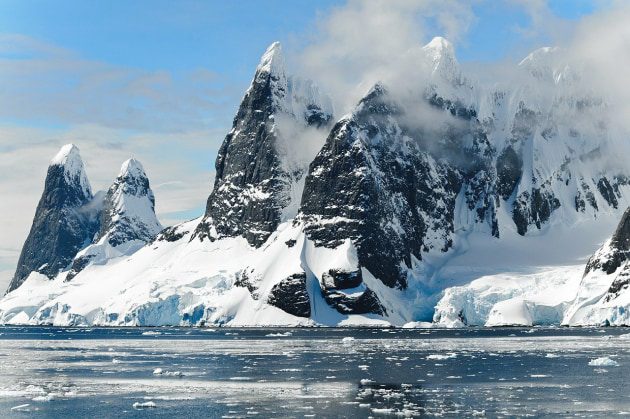
photo: twinkl.pl
The biggest expense? The ship. Seriously, 70% of the total budget goes to cruise or fly-cruise costs. Take a Polar Class 6 vessel, for example—it’s nothing like a regular cruise ship from the Mediterranean. It needs a reinforced hull, special rescue systems, and a crew trained for polar conditions. Just maintaining such a ship during the season costs millions of dollars.
| Factor | Impact on price (%) |
|---|---|
| Transport (ship/plane) | 70 |
| IAATO regulations | 15 |
| Insurance | 10 |
| Other | 5 |
Then you have the IAATO regulations – the International Association of Antarctica Tour Operators. They really tighten the screws. “A maximum of 100 people can be on land at the same time” – sounds harmless, but in practice it means you have to split groups into small parties. Each group needs a qualified guide. And there aren’t many of those, so they come at a premium.
Seasonality is another issue. Antarctica is accessible only from November to March – just five months a year. All fixed costs have to be spread over this short period. Fuel prices go up during this time, and the crew receives bonuses for working in harsh conditions. The ship can’t afford downtime, so every voyage has to be profitable.
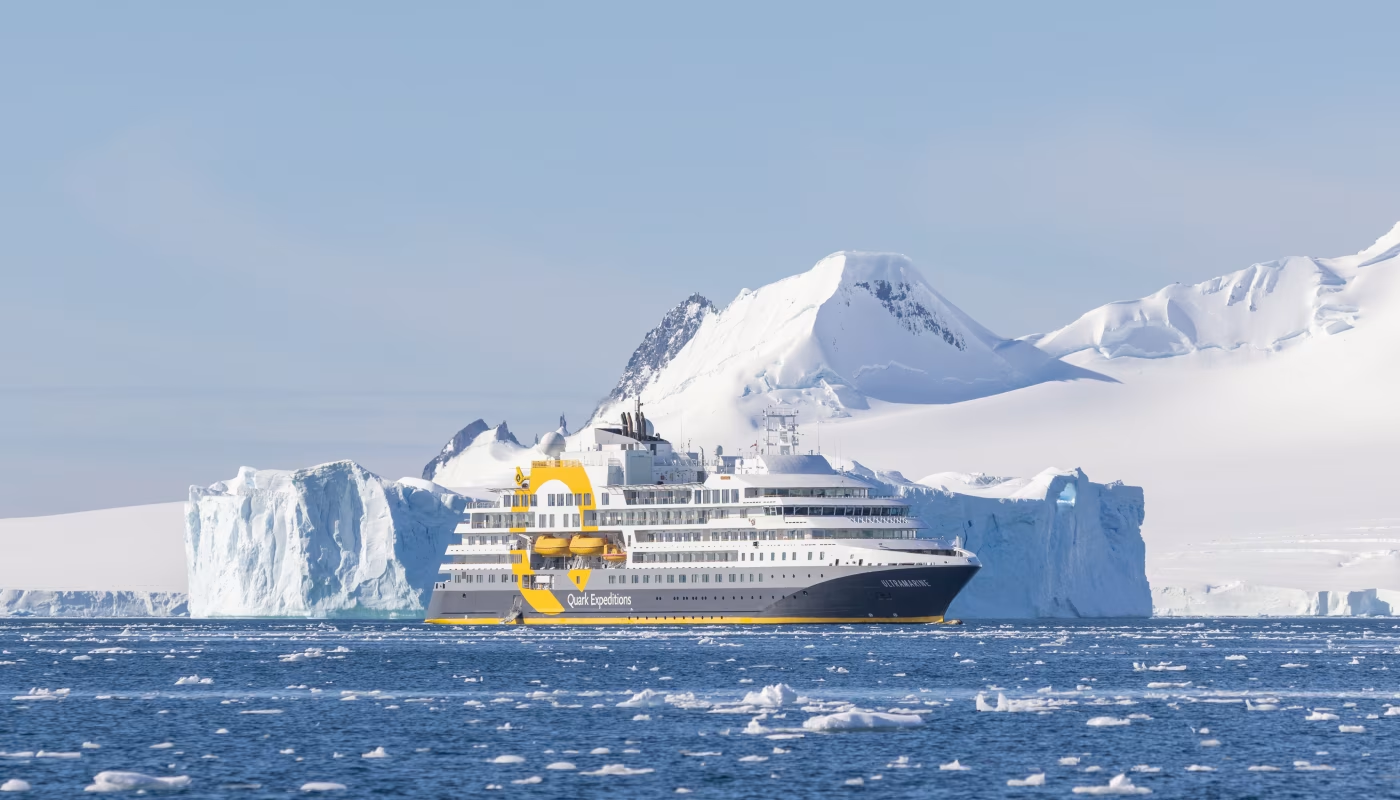
photo: quarkexpeditions.com
Evacuation insurance is a must, not an option. That’s a few hundred dollars extra per person. It might not sound too bad, but when you realize the nearest hospital is thousands of kilometers away and a helicopter evacuation can cost tens of thousands – you start to see where that price comes from.
And finally, there are environmental restrictions. Every ship has to meet strict emission standards, have water purification systems, and special waste containers. All of this adds to the cost, but it protects this incredible continent.
Now you’re probably wondering about the actual numbers – how much all of this adds up to in your wallet.
Specifically: price ranges and sample packages for 2025
Maybe I’ll start with the specifics—because anyone who has checked the prices of trips to Antarctica knows that the numbers can be staggering.
photo: discover-the-world.com
Here’s what the price ranges look like for 2025:
| Option | Price (USD/PLN) | What it contains |
|---|---|---|
| Budget | 8,000-15,000 USD / 32,000-60,000 PLN | Inside cabin, basic meals, standard lands |
| Standard | 15,000-30,000 USD / 60,000-120,000 PLN | Cabin with a window, better dining, more activities |
| Luxury | 30,000-130,000 USD / 120,000-520,000 PLN | Suite, premium all inclusive, private tours |
Imagine a pie chart where the largest slice—70%—is the cost of the cabin and the cruise itself. Another 15% goes to flights to the starting point (usually Buenos Aires or Ushuaia). The next 10% covers insurance and documents. The remaining 5% is for extras like kayaking or overnight stays on land.
I checked several specific offers available this year. Tanibilet.eu offers a basic cruise for 11,999 PLN—it sounds good, but that’s just a deposit; the total cost is much higher. A typical 10-14 day cruise with reputable operators ranges from 40,000 to 120,000 PLN per person. At the top of the price pyramid is an expedition offered by Patec for 513,000 PLN—this is the realm of absolute luxury with helicopters and a private guide.
The price differences are mainly due to the length of the cruise, cabin standard, and included attractions.
Interestingly, the same routes can cost twice as much depending on the operator. I saw identical 11-day cruises priced at 45,000 PLN with one company and 85,000 PLN with another.
These numbers show the scale of investment you need to plan for. For most of us, it’s an expense comparable to buying a car. But you can significantly reduce these costs if you know where to look for deals.
Smart saving: strategies, discounts, and pricing traps
I thought a trip to Antarctica was a fixed expense. Turns out you can save a lot—if you know where to look and what to watch out for.
photo: adventuresmithexplorations.com
How to score a deal on an expedition
Last-minute deals under $10,000 pop up more often than you’d think. Check operators’ websites in October and November—that’s when they release the last available cabins. The best offers are usually with Quark Expeditions or Oceanwide Expeditions about 4–6 weeks before departure.
Alternatively, go for early-bird deals, but keep an eye on exchange rates. For the 2024/2025 season, prices have gone up by 10–15%, and if the USD/PLN rate is above 4.00, your budget can stretch significantly. Start monitoring the rate as soon as you begin planning.
Sharing a cabin with a stranger might sound odd, but it can save you up to 30%. Most cabin mates are like-minded travelers—and it’s not uncommon for lifelong friendships to start this way.
Attention! Hidden costs that will ruin your budget
Operators rarely mention five extra expenses:
✓ Crew tips – typically $12–15 per person per day
✓ Satellite internet – $40–60 for a weekly package
✓ Professional photography equipment rental – $200–300
✓ Medical tests required by some operators – 500–800 PLN
✓ Fee for the Santiago–Antarctica flight in fly&cruise packages – sometimes hidden under “additional services”
Gear: rent or buy?
Good polar boots cost around 2000 PLN, a jacket another 1500 PLN. Renting a full set on board is about $500 (roughly 2000 PLN at the current rate). If this is your once-in-a-lifetime trip—rent. Planning more winter adventures? Buy your own gear and save on future expeditions.
Many people buy equipment on impulse before the trip, only for it to gather dust in the closet. I did the same with my first jacket—I ended up using it just for walking the dog in January.
Consider renting a trekking backpack or underwater camera on site as well. You’ll save on airline baggage fees and won’t have to worry about damage during transport.
Remember—Antarctica is a once-in-a-lifetime investment. It’s better to save on gear than to miss out on extra activities while you’re there.
Your polar calculation – what’s next?
Polar expeditions are not your typical vacation. Now you know how much such an adventure can cost and how you can save on it. But what’s next? Time for concrete steps.
photo: cntraveler.com
Before you start checking cabin availability, ask yourself three fundamental questions. How much time do you really have for this expedition—not just for your vacation, but also for physical and mental preparation? What is your minimum comfort level—can you handle spartan conditions, or do you need a standard cabin? How much risk are you willing to accept—both financially and when it comes to unpredictable weather conditions?
Your answers to these questions will define your budget more precisely than any price calculations.
The future of polar tourism looks bright—prices are set to rise. Experts predict a 10–20% increase in costs by 2030. The number of tourists may exceed 100,000 annually. Greater interest means more competition for spots and higher prices.
Create your own “polar cost table” today. Write down the current prices of the options you’re interested in. Update it every quarter, while keeping an eye on the dollar exchange rate. This will give you a realistic picture of how costs are changing and when it’s best to book.
Check the list of operators certified by IAATO. Set your target budget with a 20% buffer for unforeseen expenses. Start saving systematically—even if your expedition is two years away.
There’s no perfect moment to decide on a polar expedition. There’s only the moment when you stop planning and start acting.
Moonly Tedy 90
travel & lifestyle editor
Luxury Blog






Leave a Comment