

How much do Christian Louboutin shoes cost?

Did you know that around a million pairs of shoes with red soles are sold every year? Crazy, right? I couldn’t believe those numbers myself for a long time.
It all started in 1993. Christian Louboutin was sitting in his atelier and… yes, painting his assistant’s nails with red polish. That’s when he got the idea to paint the sole of a shoe the same color. It sounds accidental, but that moment changed the fashion world forever.
How much do Christian Louboutin shoes cost? – the red sole and a hefty price tag!
Now, in 2025, the prices of these shoes are causing a real earthquake among women. Inflation has hit hard, e-commerce has exploded, and suddenly we’re all asking ourselves—is this footwear really worth the price? Is it still luxury, or has it crossed the line into madness?
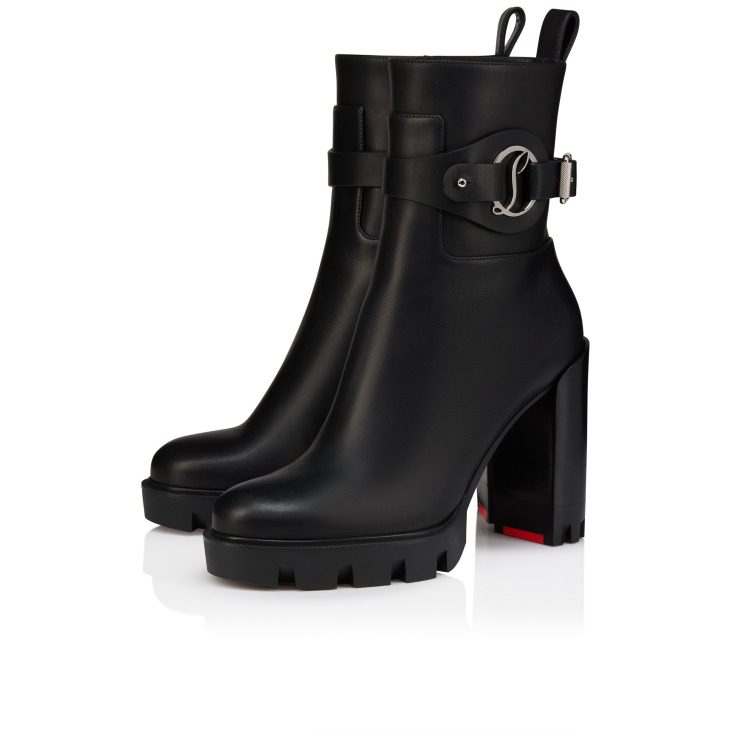
photo: eu.christianlouboutin.com
I remember a few years ago, thinking of Louboutins as an unattainable dream. Today? Prices are rising so fast it’s hard to keep up. And after all, we’re talking about shoes that, for many of us, symbolize success, elegance, and confidence.
It might sound like a boring market analysis, but trust me—it’s a fascinating journey through a world of luxury we both love and hate. Let’s get down to specifics, because the numbers might just surprise you.
The price of luxury: current ranges and real-life examples 2025
I checked Louboutin prices online yesterday and honestly, my jaw dropped. I went on Moliera2, then Shopsy – the same astronomical amounts everywhere.
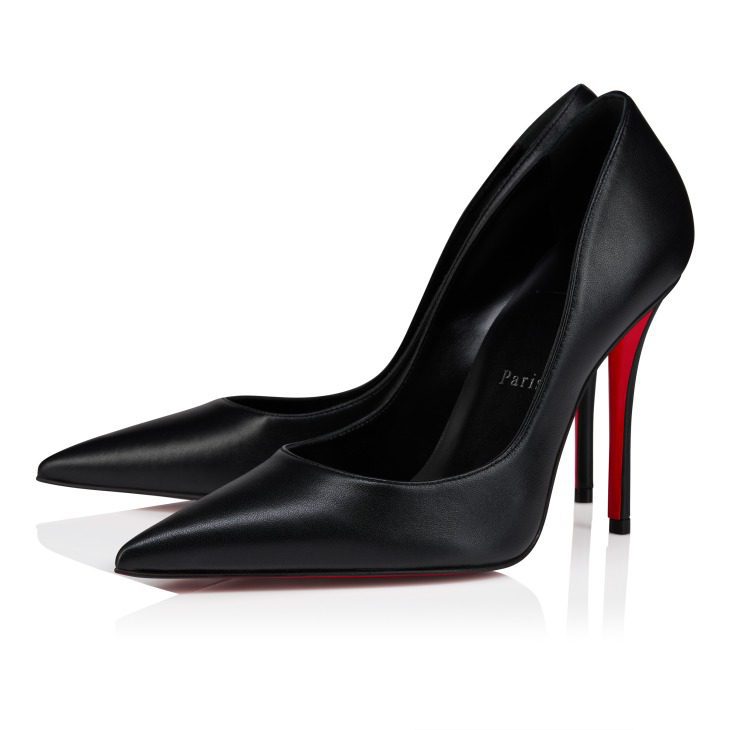
photo: eu.christianlouboutin.com
But let’s go step by step. Here’s what red-soled shoes currently cost in Poland:
| Category | Model | Promotional price | Regular price |
|---|---|---|---|
| Classic stilettos | Pigalle 85 | 2,890 PLN | 3,200 PLN |
| Pumps with studs | So Kate Spikes | 4,100 PLN | 4,650 PLN |
| Summer sandals | Simple Pump | 2,200 PLN | 2,780 PLN |
| Women’s sneakers | Louis Junior | 3,450 PLN | 3,890 PLN |
| High boots | Eloise Booty | 6,200 PLN | 7,100 PLN |
| Evening shoes | Degraspike | 12,500 PLN | 15,000 PLN |
These prices are no joke. The most expensive models adorned with Swarovski crystals can cost upwards of 15,000 PLN. And the basic Pigalle pumps? At least 2,800 PLN on sale.
The differences between categories are staggering—from simple sandals for just under 3,000 PLN to exclusive evening shoes that cost as much as a good used car.
For comparison, the average Polish woman spends between 200 and 500 PLN on shoes. That means a single pair of Louboutins equals the cost of 6 to 15 pairs of regular shoes from popular chain stores.
Globally, prices vary only slightly—similar in the US, and sometimes 10–15% higher in Asia due to tariffs and taxes [Moliera2, 2025].
I also checked out those “deals” online. Moliera2 advertises shoes “from 780 PLN”—but that’s only if you buy used or heavily discounted models from previous seasons. Shopsy, on the other hand, offers a full range “up to 15,000 PLN,” and honestly, most are closer to the upper end than the lower.
So where do these astronomical price ranges even come from?
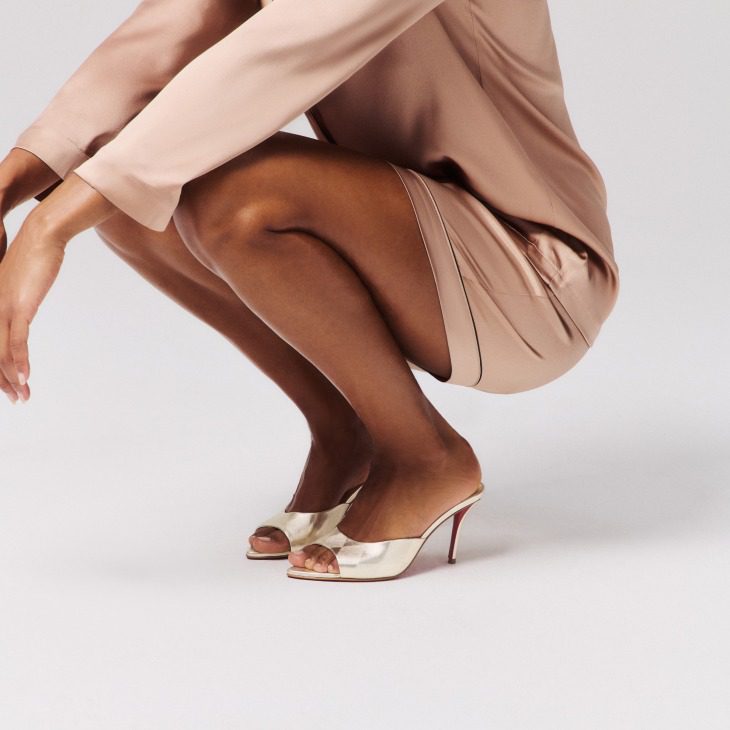
photo: eu.christianlouboutin.com
Why do we pay so much? The anatomy of a Louboutin price
Sometimes I think all those expensive shoes are a bit like a watch — you’re paying not just for what you see, but for the whole story behind it. That’s exactly why I decided to break down the price of Louboutins.
Making a single pair is truly out of this world. We’re talking about around 100 steps, each requiring precision. First, the leather selection — it has to be flawless, not a single blemish. Then, every piece is cut by hand, because a machine just can’t catch all the nuances. Stitching the upper is an art in itself, especially with those stilettos, where every stitch has to be perfect.
But the real magic happens with the sole. That famous red lacquer isn’t just any color — it’s Pantone 18-1663 TPX, a very specific shade. Applying it takes several layers, and each one has to dry at just the right temperature. One mistake, and the whole pair goes in the bin.
What does it look like in numbers? I checked various sources and here’s what I found:
| Element | Share in the price |
|---|---|
| Premium materials | 15-20% |
| Craftsmanship and work | 10-15% |
| Brand margin | 60-70% |
| Distribution | 5-8% |
| Taxes | 3-5% |
These 60-70% margins may be shocking, but this is exactly where the core of the matter lies. This isn’t just price construction—it’s myth-making.
“Louboutin doesn’t sell shoes, but the dream of being someone special,” a friend who works in luxury boutiques tells me.
And this is where something economists call the Veblen effect comes into play. In other words, the higher the price, the more people want it. Research shows that luxury brands deliberately keep prices high because it increases their desirability. Strange? Maybe, but it works.
I remember once visiting the Louboutin boutique in Warsaw. The sales assistant told me about a limited edition model with Swarovski crystals. Each crystal was applied by hand. The price? You could buy a used car for that amount. But you know what? They sold like hotcakes.
Distribution costs money too. Boutiques in prime locations, highly trained staff, all those velvet boxes. E-commerce is a bit cheaper, but it doesn’t really change the fundamentals of pricing.
Import taxes add their share, especially in Poland. Sometimes I wonder if it wouldn’t be cheaper to just fly to Milan for shopping.
One last thing—these numbers show why Louboutins cost what they do, but whether they’re worth buying is a whole different story.
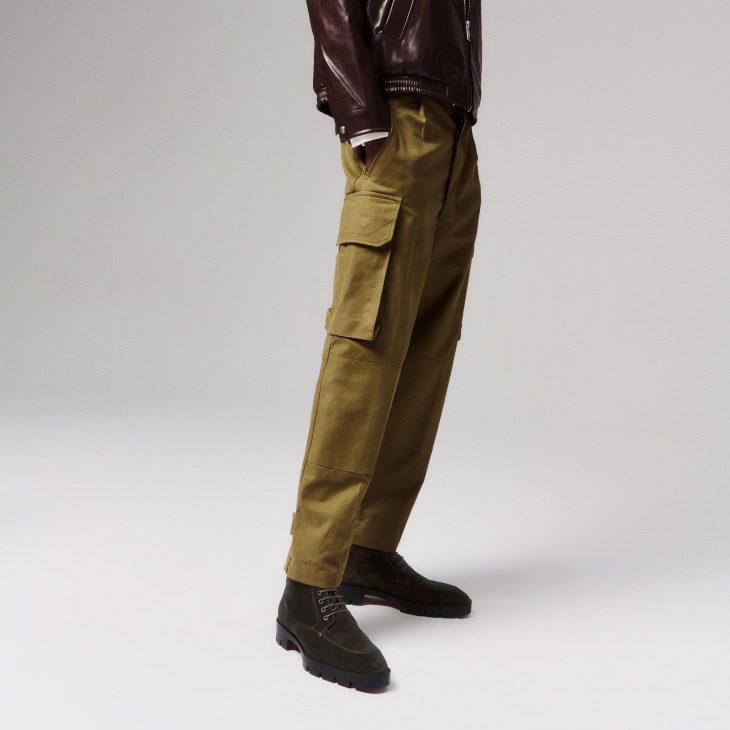
photo: eu.christianlouboutin.com
Is it worth investing? Outlook for the coming years
I remember buying my first pair of Louboutins with trembling hands. Not because of the price—though it was considerable—but because I knew it might be one of the best investment decisions of my life.
Now, looking at forecasts for 2025 and beyond, I can see it clearly: prices are set to rise by 5-10% annually. This isn’t speculation; it’s a trend I’ve been observing for several years. And the development of the vegan line? Apparently, it’s expected to grow by 30% by 2030. Younger clients are increasingly seeking eco-friendly options, even in the world of luxury.
Is it worth investing? My simple checklist:
- Do you have a stable budget for at least one year ahead?
- Will you wear these shoes at least 20 times a year?
- Do you understand that the resale value is at most 60-70% of the purchase price?
If you answered “yes” to all the questions, go for it.
The secondary market is a world of its own these days world. Vestiaire Collective, The RealReal, and in Poland, Vinted Premium – that’s where you’ll find the best deals. Just make sure to check authenticity certificates. I’ve seen too many counterfeits to trust every listing.
As for sustainability – it’s no longer a trend, it’s a necessity. Buying pre-owned Louboutins makes sense both financially and environmentally. One pair can pass through the hands of three owners and still look stunning.
But the truth is: you’re not just buying shoes. You’re buying the confidence that comes with every step. That “I’ve got this” feeling can’t be measured in money.
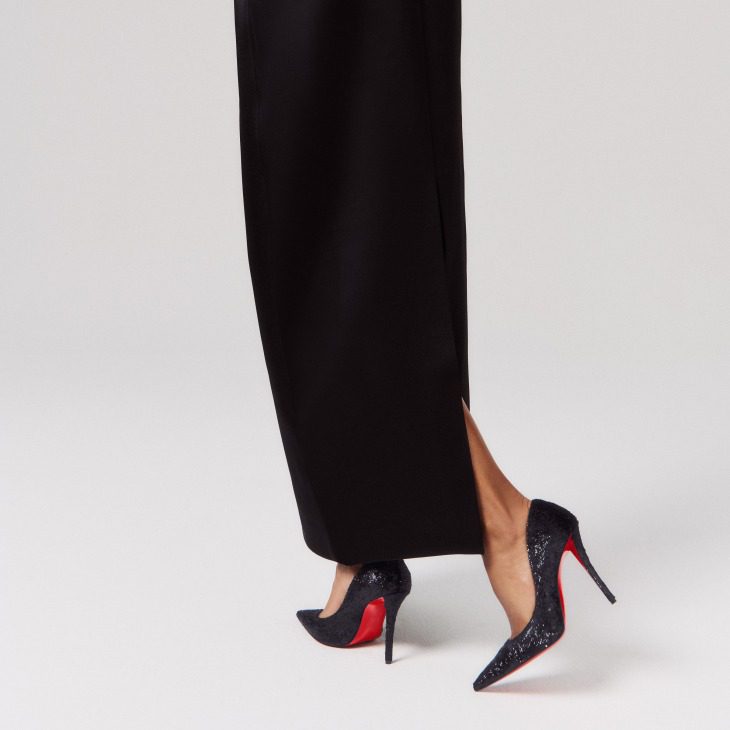
photo: eu.christianlouboutin.com
” Luxury isn’t about what you have, but how it makes you feel” – I read this somewhere and it really stuck with me.
Is it worth it? If you see it as a long-term investment in yourself and your style, not just an impulse buy – absolutely yes.
Are you ready to take that step?
MILA
fashion & lifestyle editorial team
Luxury Blog





Leave a Comment