

Chanel or Louis Vuitton – which brand is more “high-end”?
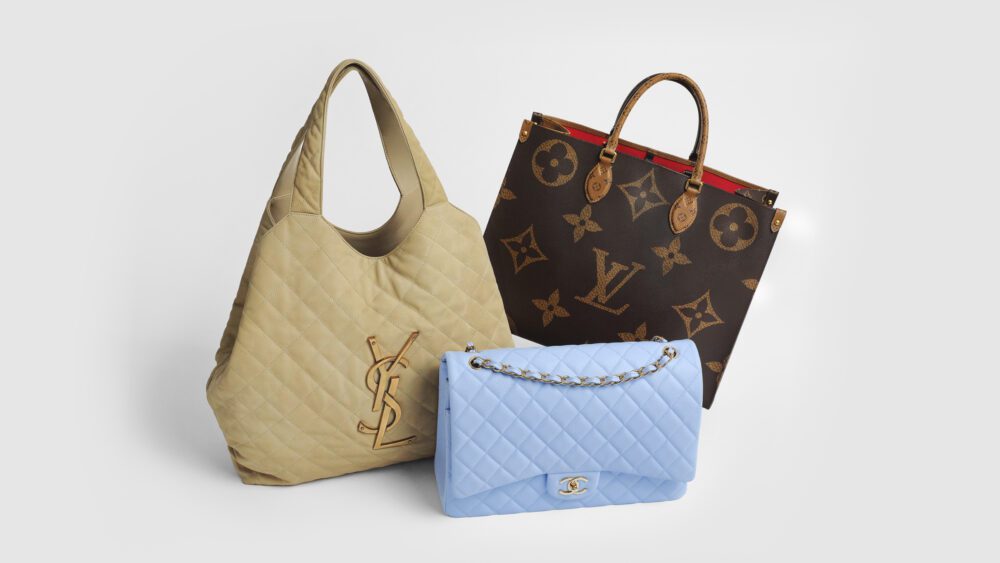
Which brand ranks higher? In 2025, the answer depends on whom you ask. Brand Finance Apparel 2025 places Chanel in first position with a brand value of $37.9 billion (an increase of 45%), while Louis Vuitton reached $32.9 billion. Meanwhile, FashionUnited 2025 reverses this order: LV leads with $40.7 billion, Chanel has $34.2 billion. And if we look at consumer interest in Europe, Louis Vuitton dominates in 29 countries with 13.74 million searches.
Chanel or Louis Vuitton? – in luxury, not everything is obvious
“High-end” in the world of luxury is not a uniform concept. We can talk about exclusivity (how hard it is to get a product), rarity ( limited editions, craftsmanship), the price of a handbag, the total brand value, popularity on social media, or resale value on the secondary market. Each of these criteria gives a different answer.
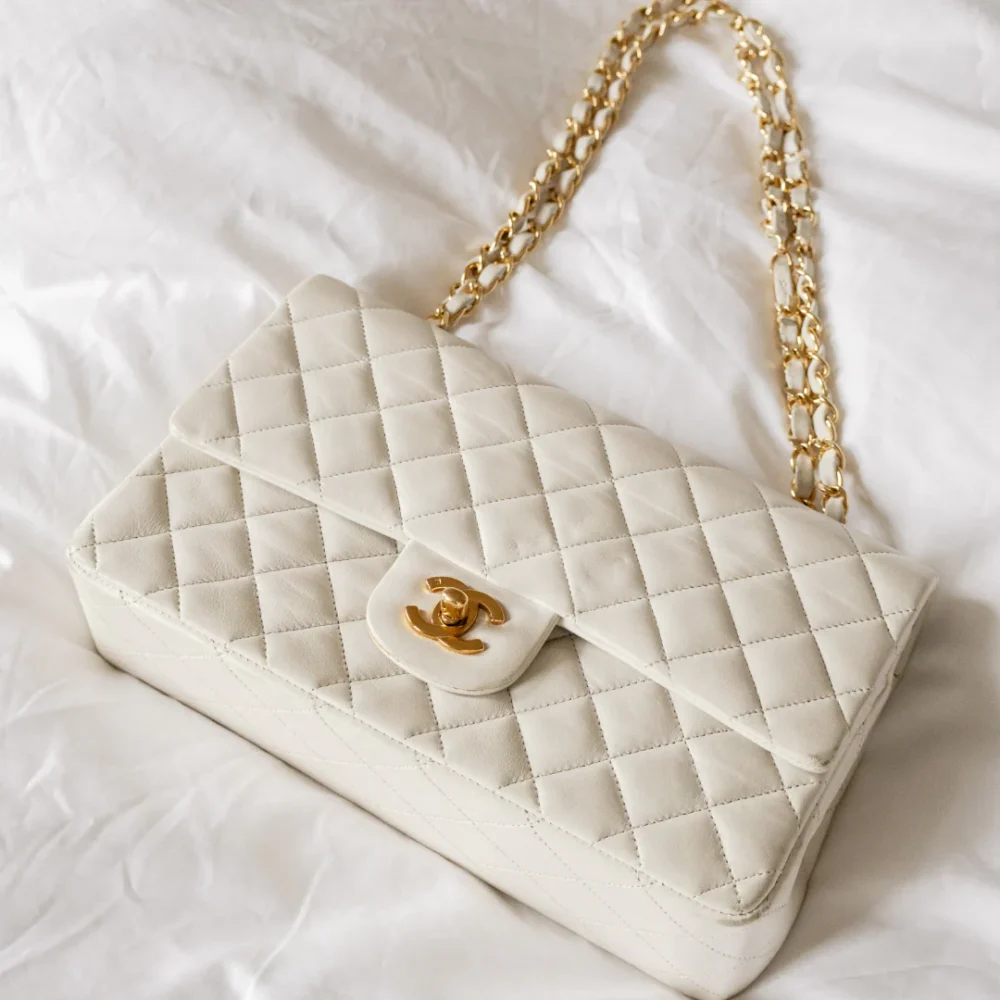
photo: lxryicons.com
That’s why this article won’t simply tell you “Chanel is better” or “LV wins”. Instead, we’ll go through specific evaluation dimensions: prestige, price, materials, availability, investment value. Because this question deserves more than a simplified hierarchy.
What does “high-end” mean in luxury fashion?
Let’s start with the basics, because the term “high-end” sounds simple, but in the world of luxury it has very specific, measurable meanings. It’s not just about the price or whether a bag costs 5 or 15 thousand zlotys.
The pyramid of luxury
The fashion industry divides luxury into tiers, a bit like a football league. At the very top, we have Ultra‑Luxury/Heritage —this is where Hermès and Chanel sit. They are defined by extreme exclusivity, production that’s almost deliberately limited, and a “not for everyone” policy. Hermès might make you wait years for a Birkin. Chanel raises prices every quarter and… people still line up.
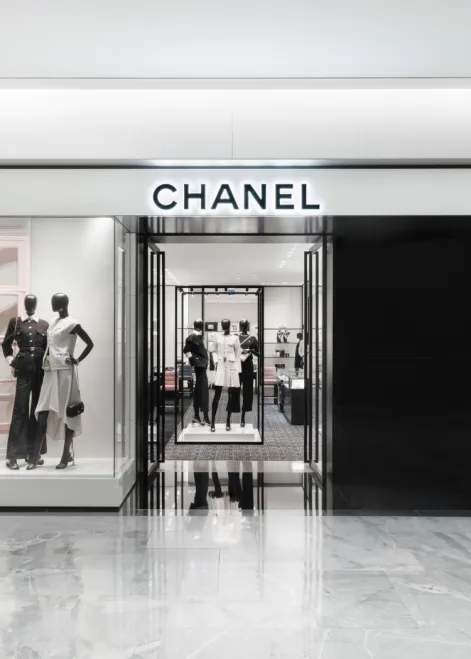
photo: chanel.com
One tier below is High Luxury/Powerhouse —Louis Vuitton, Dior, Goyard. They have prestige and quality, but also focus on scale and accessibility. LV opens boutiques like McDonald’s (just prettier) and wants you to buy a bag now, not in three years.
Chanel wins in snob appeal, you buy it because you know not everyone can. LV dominates in recognition and signal value, the LV logo shouts “luxury” to the whole world, which is also a form of status—just a different one.
Interestingly, rankings like Pegai place LV higher (29/40 points, tier A) than Chanel (28/40, tier B), because they count scale and global impact. But ask a vintage collector, and you’ll hear the exact opposite. It depends on how you measure “higher”—by rarity or by power.
How did Chanel and LV build their prestige?
Both brands are over a hundred years old, but their beginnings were completely different. Chanel started in 1910 with a Parisian hat shop, and by 1921 Coco had launched Chanel No. 5, which remains an icon to this day. Then came the 2.55 handbag in 1929 (the one with the distinctive chain) and the little black dress, which changed the way women dressed. Philosophy? Simplicity, emancipation, rebellion against crinolines. Karl Lagerfeld picked up on this code and developed it for 36 years (1983-2019), so the brand’s codes are more consistent than almost anywhere else. To this day, Chanel belongs to the Wertheimer family, remains private, which gives it a certain exclusivity.
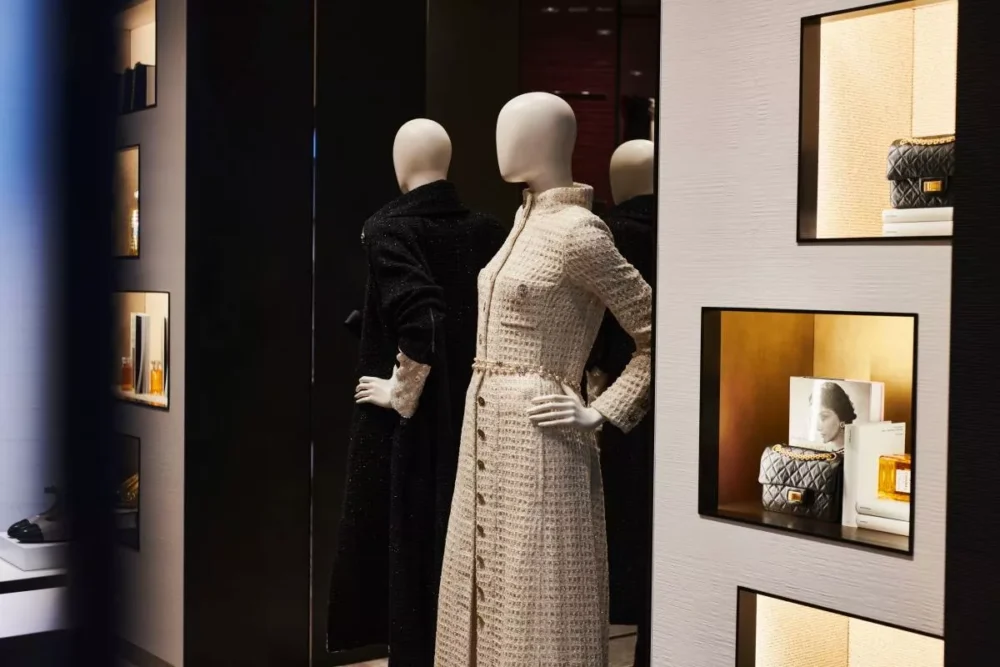
photo: vogue.pl
From trunks to a global powerhouse
Louis Vuitton dates back to 1854 and a workshop for travel trunks. Innovations in luggage sounded dull back then, but the 1896 monogram turned out to be a hit (still more recognizable today than most logos). In 1930, the Speedy appeared, and over time the brand moved into clothing.
Parisian discretion versus monogram
Chanel means quilting, chains, black-and-white contrast. LV stands for travel, canvas, the giant monogram. The first says “I know that you know,” the second shouts “look what I have.” Both approaches work, they just appeal to different people. Heritage influences the perceived “high-end” status so that Chanel is often seen as more elite precisely because of this discretion and owner privacy. But let’s not kid ourselves, both are at the top. Now it’s time to look at how this plays out in hard market data.

photo: chicagomag.com
Rankings, revenues, and popularity 2025-2026
Funny enough, every ranking of luxury brand value says something different. Brand Finance Apparel 2025 puts Chanel in first place with a valuation of $37.9 billion (up 45%), and Louis Vuitton in second with $32.9 billion. FashionUnited 2025 reverses this order: LV leads with $40.7 billion, Chanel has $34.2 billion. Interbrand 2025 also gives first place to LV ($48.4 billion, though down 4.91%), while Chanel falls far behind with $30.5 billion (down 8.13%).
| Source | #1 | #2 |
|---|---|---|
| Brand Finance 2025 | Chanel 37.9 bn \(| LV 32.9 bn\) | |
| FashionUnited 2025 | LV 40.7 bn (| Chanel 34.2 bn) | |
| Interbrand 2025 | LV 48.4 bn \(| Chanel 30.5 bn\) |
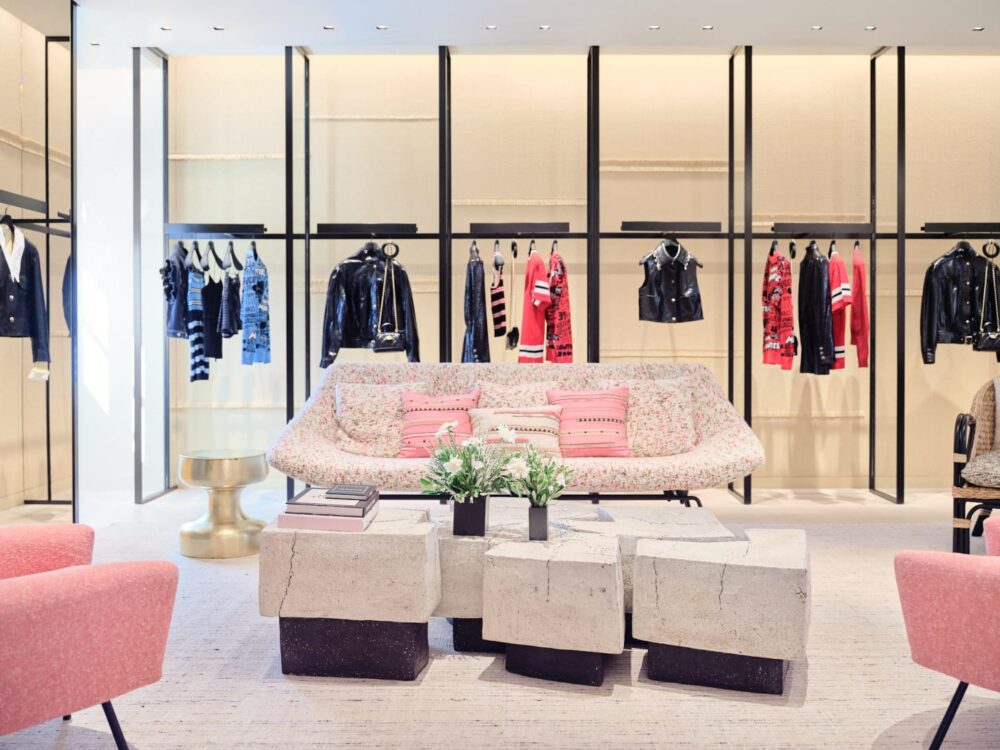
photo: zoemagazine.net
Why such differences? The methodologies vary. Some focus on revenue, others on brand recognition or the potential for future profits. In practice, both brands play in the same league—the results just depend on who’s doing the counting.
Popularity and scale: where LV leads
When it comes to reach, Louis Vuitton holds an undeniable advantage. A popularity study in Europe shows that LV is the number one brand in 29 countries, with 13.74 million searches. That’s a massive difference in scale.
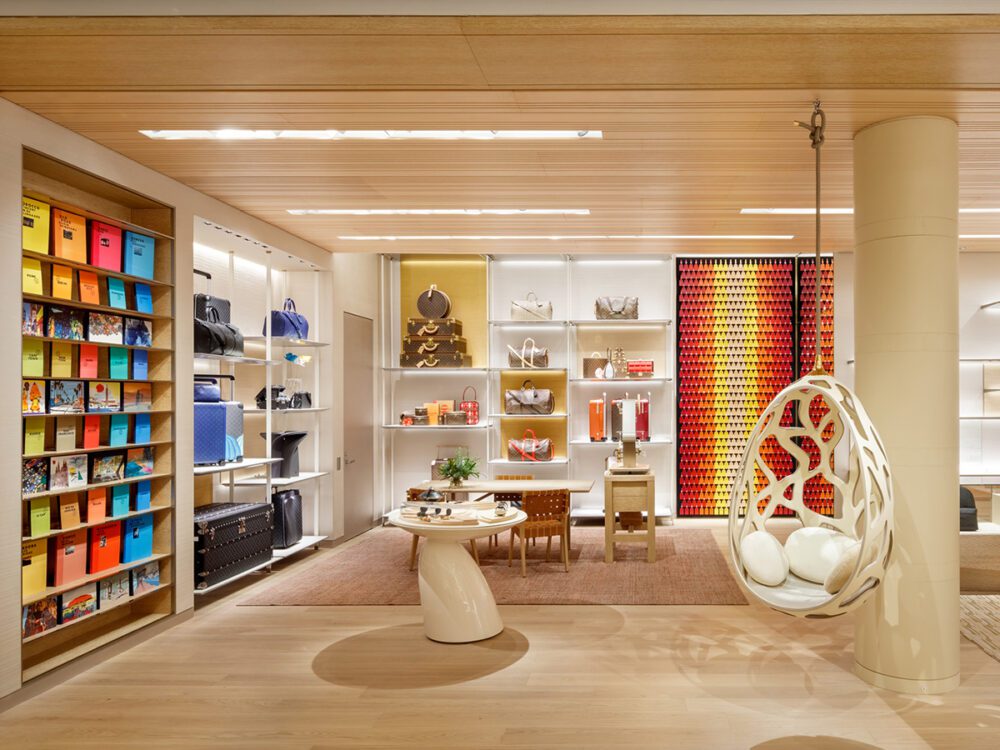
photo: hauteliving.com
Revenue? LVMH Fashion & Leather (where LV accounts for the lion’s share) generated around €42 billion in the first half of 2025, although a slowdown is visible. Chanel reported about $19.7 billion for 2023, but in 2024 revenues dropped by 4.3%. China, once a growth engine, is now slowing down. Both brands responded with price increases, which paradoxically strengthens their image of exclusivity.
What’s next? Louis Vuitton is opening its first hotel in Paris in 2026, while Chanel is rapidly expanding its boutique network. Both are focusing on experience, not just the product.
Where is the difference really noticeable?
Let’s start with what you’re actually holding in your hand. The Chanel Classic Flap features caviar or lambskin leather, Matelassé quilting, and the iconic CC clasp. It’s sturdy, heavy, and finished with meticulous attention to detail. Louis Vuitton? Monogram canvas (yes, that signature brown pattern is coated canvas, not leather), although in premium lines like Capucines you get full leather. And here’s a note: recent years have brought quite a bit of discussion about quality. LV canvas is sometimes criticized for bubbling or cracking of the coating, while Chanel has received comments about stitching in newer models. Nothing is perfect.
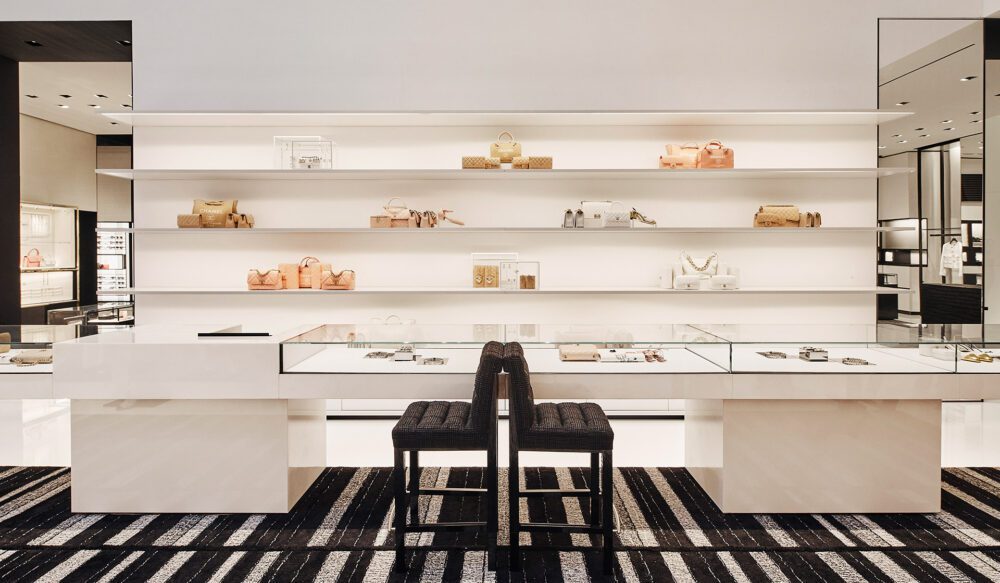
photo: miamidesigndistrict.com
Prices and availability
Chanel Medium Classic Flap now costs around $10,800 (for comparison: in 2019 it was about $5,800, which means an increase of +86% over five years). Louis Vuitton Neverfull? From $1,500 to $2,000. The difference speaks for itself.
Availability also plays a role. Chanel applies limits, unofficial “quotas” on the most popular Flaps, and you need to have a purchase history at the boutique. LV? The monogram canvas is more widely available, never discounted, but you’ll get it faster. It’s a matter of strategy: exclusivity vs. volume.
Resale
Vestiaire Collective (2025) places Chanel at the top spot for luxury handbag resale, with LV right behind. The Classic Flap appreciates annually by +8-16%, holds its value, and can be an investment. Louis Vuitton? Higher sales liquidity, popular models sell quickly, but without such a value jump.
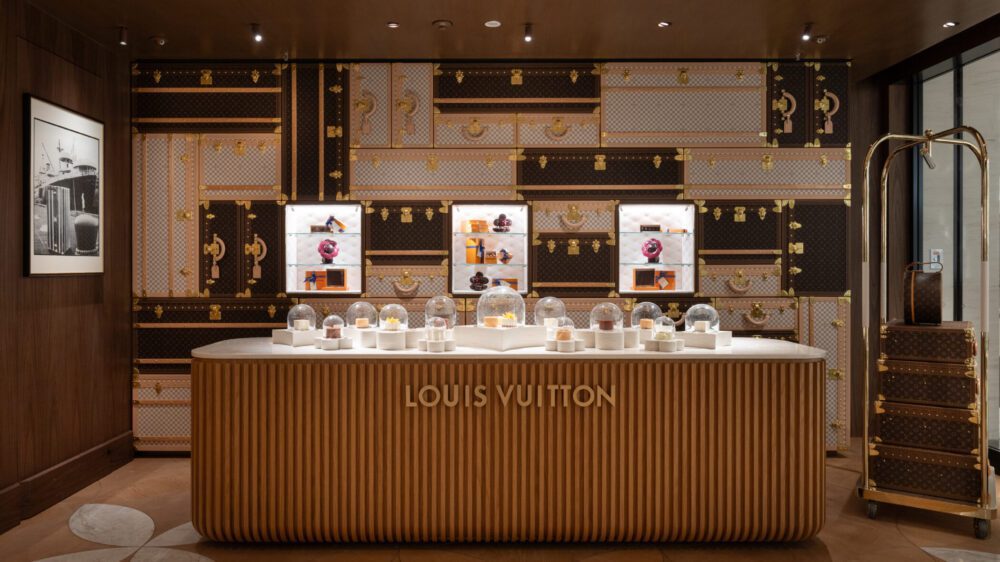
photo: globetrender.com
Practicality versus investment prestige. Neverfull for everyday use, Classic Flap for years and as an asset. Two different philosophies of use.
The boundary between prestige and accessibility – the final word
Actually, the hierarchy between Chanel and Louis Vuitton doesn’t exist in the way most people imagine. Chanel wins in the realm of untouchable exclusivity, control over distribution, and the investment value of icons like the 2.55. Louis Vuitton, on the other hand, dominates with scale, collection diversity, and global recognition. These are two prestige strategies that don’t compete directly, but rather respond to different needs.
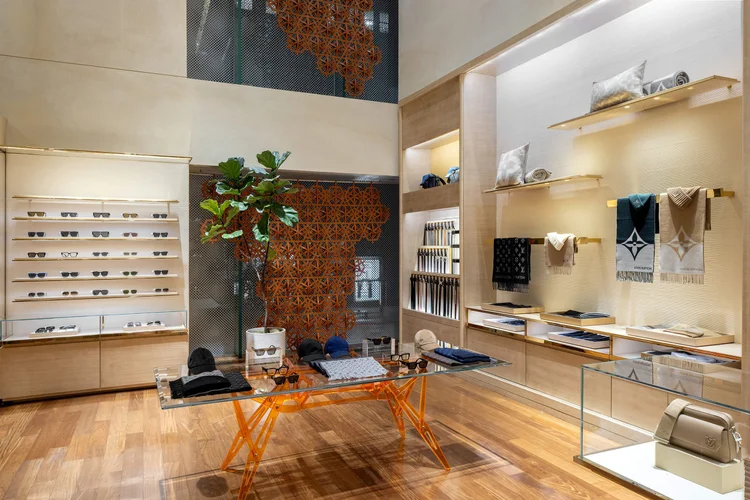
photo: theretailarchive.com
For someone looking for a handbag as a status symbol and a capital investment, Chanel is the obvious choice. For someone who wants to regularly carry a beautiful, practical piece of luxury, Louis Vuitton makes more sense. Neither answer is better, just different.
The decision comes down to the question: what do you really need from a premium brand? Once you know that, the choice becomes simple.
Xonia
editorial team people & mo





Leave a Comment