

Belgian Grand Prix – a Formula 1 legend from wet dramas to the hybrid era
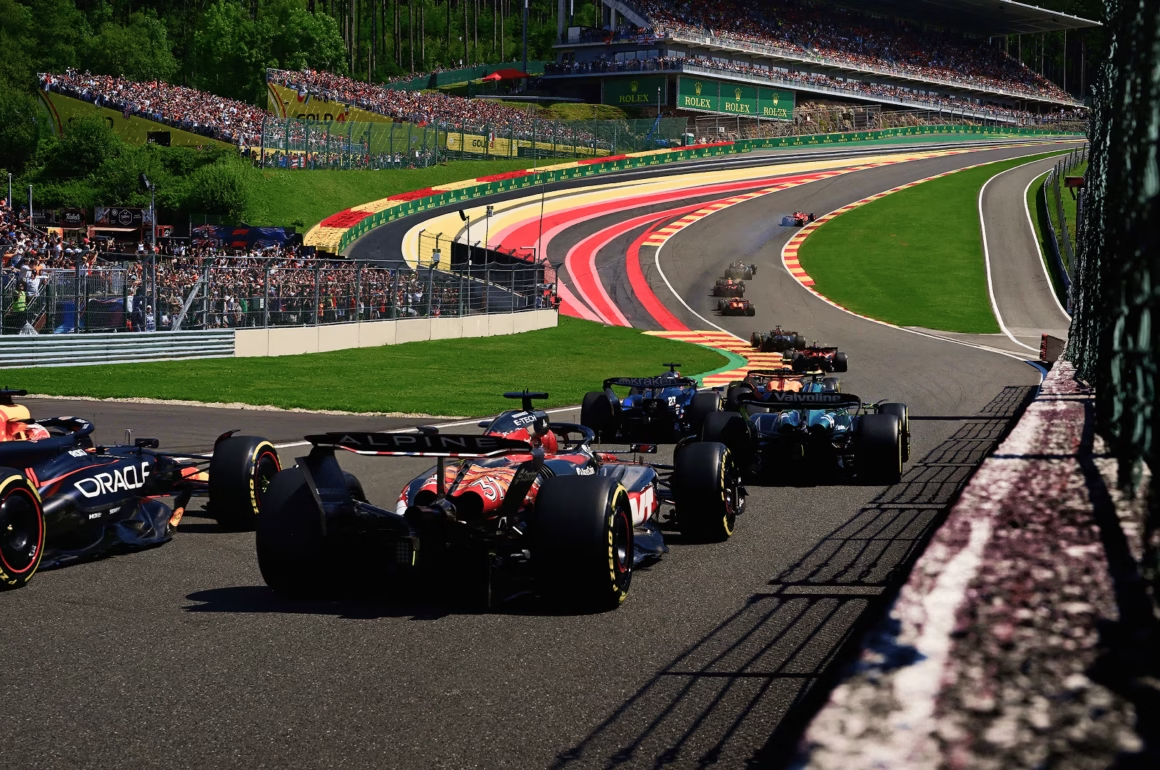
It’s raining as I write these words, and tomorrow the sun might be shining — that’s Spa-Francorchamps for you.
I remember how last year the drivers practiced in perfect conditions, and on Sunday they had to battle a real downpour. That’s the magic of this track—you never know what to expect.
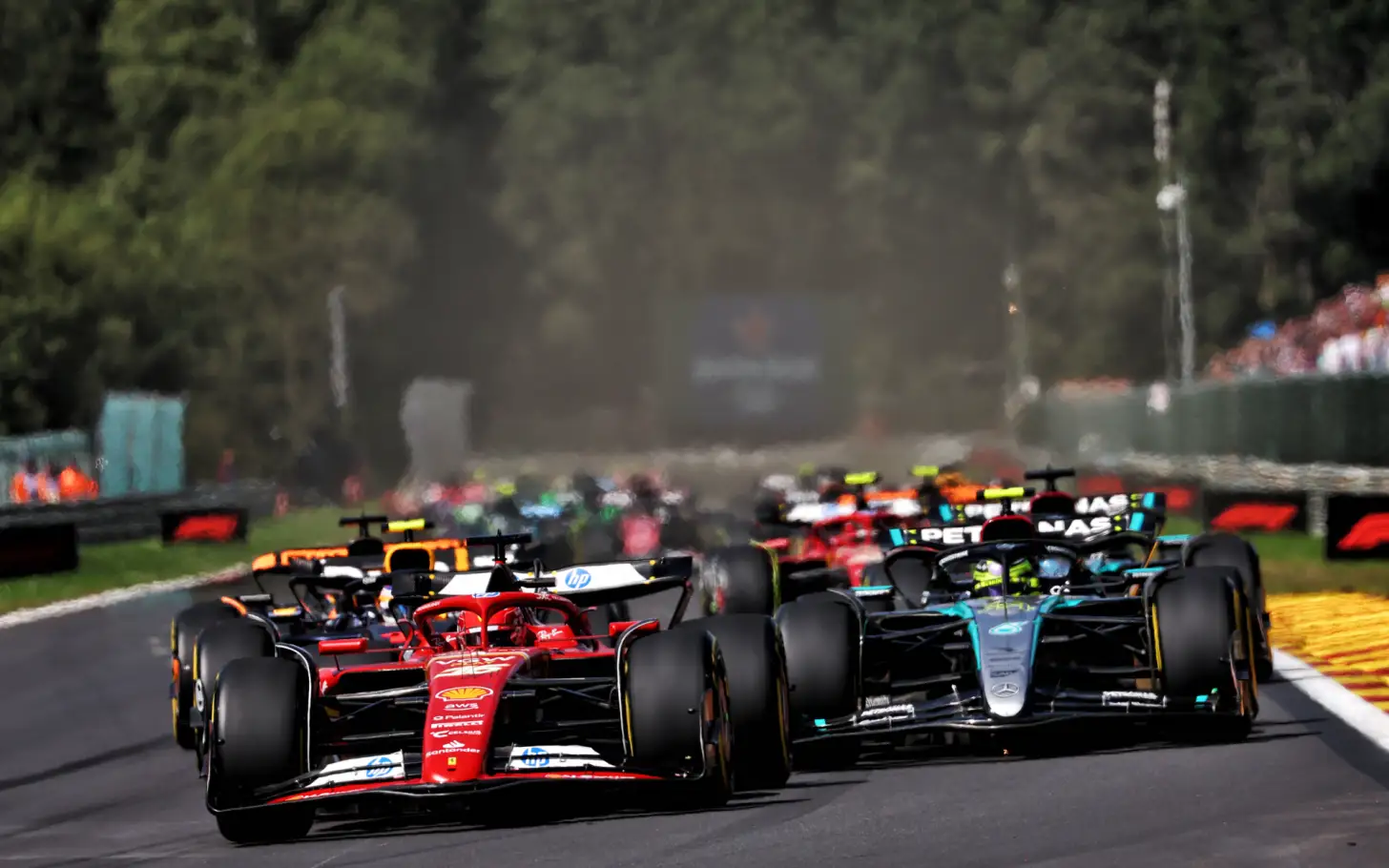
The numbers speak for themselves. In 2025, the Belgian Grand Prix will celebrate its 70th edition in Formula 1. The weekend attracted over 200,000 fans from all over the world. And for good reason.
Belgian Grand Prix
Oscar Piastri won that race, and it was more than just an ordinary victory. You could say it was the moment we caught a glimpse of the future of F1. The young guns are taking over from the legends.
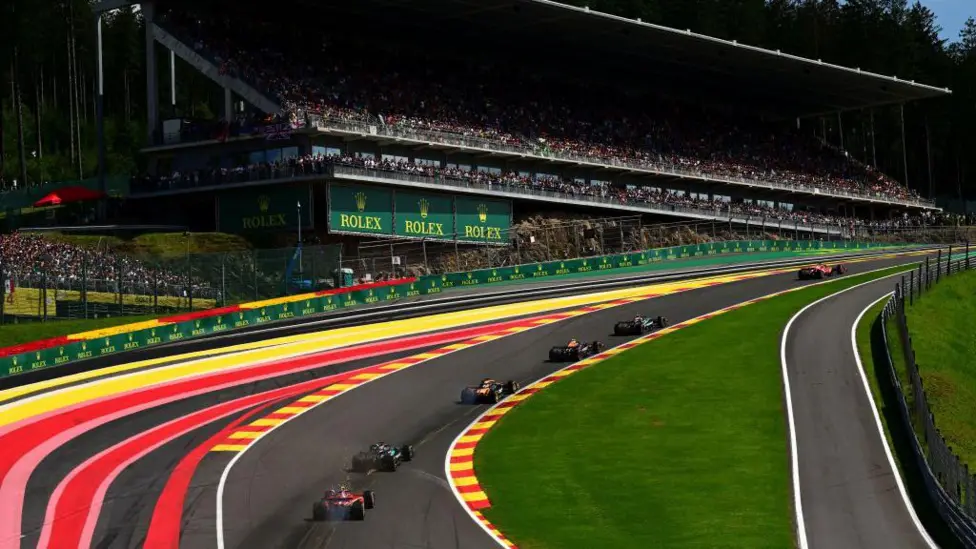
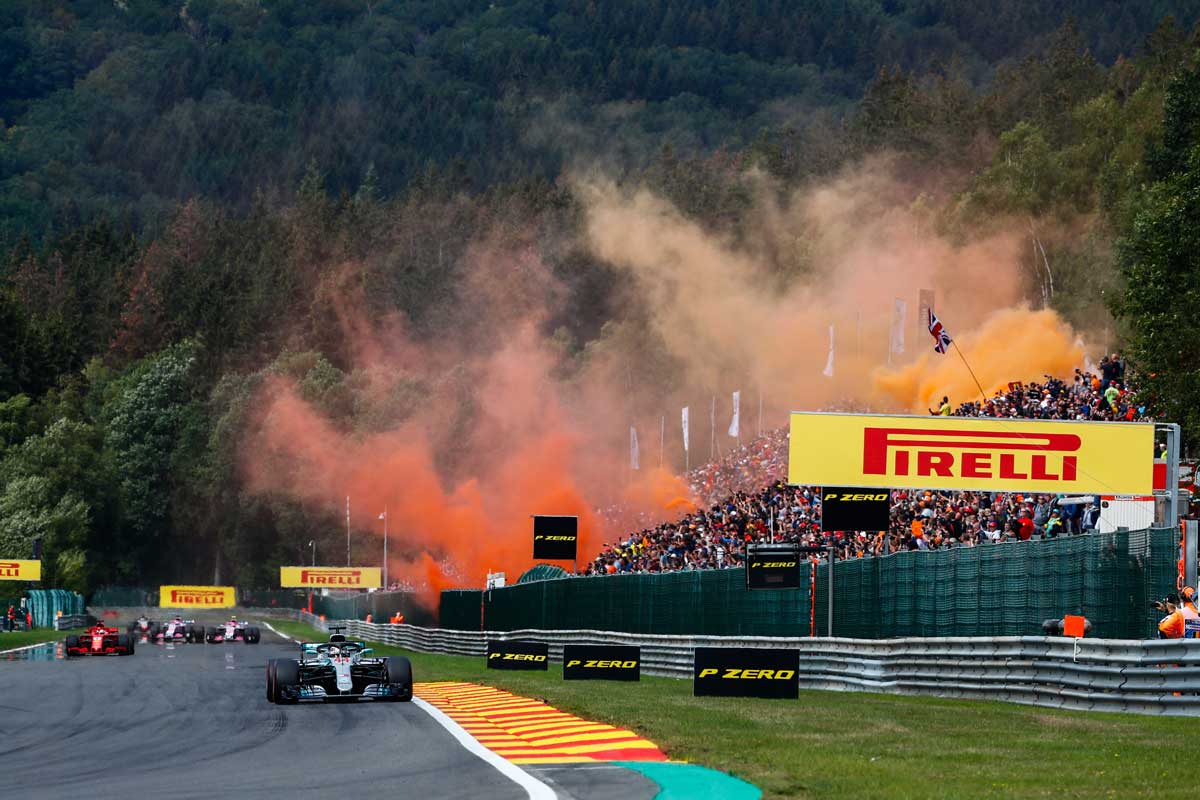
Spa is no ordinary track. It’s a place where rain can change everything in five minutes. Where drivers race through the forest at 300 km/h. Where tradition blends with modernity in a way you won’t find anywhere else.
The Belgian Grand Prix has something that can’t be explained by dry facts. Maybe it’s because the weather here is as unpredictable as the races themselves. Maybe it’s because the fans are exceptionally loud. Or maybe it’s simply because Spa has a soul.
Every season brings new surprises. Every race is a different story. And that’s exactly why it’s worth getting to know this place better—from its very beginnings, through its evolution, to the challenges it faces today.
Before we explore how Spa became a motorsport icon, it’s important to understand that this icon is still evolving.
From 1925 to the Hybrid Era – The History and Evolution of the Belgian Grand Prix
Could anyone in 1925 have predicted how much the race in Belgium would change? Back then, no one thought about safety the way we do today.
The first Belgian Grand Prix took place in 1925 at the Spa-Francorchamps circuit. I visited recently as a tourist, and it’s hard to believe it once measured as much as 14.9 kilometers. It was just an ordinary public road closed off for the race.
The real story began in 1950, when Formula 1 entered the world championship. But Spa was a terrifying place back then. Drivers raced between trees, with no safety barriers. Jackie Stewart called it the “green hell.” In the 1960s and 70s, many drivers lost their lives there.
| Year | Event |
|---|---|
| 1925 | First Belgian Grand Prix |
| 1950 | Inclusion in the F1 championship |
| 1972 | Transfer to Nivelles |
| 1974 | Relocation to Zolder |
| 1983 | Return to the renovated Spa |
| 2003 | The initial impact of tobacco restrictions |
| 2006 | Further advertising restrictions |
| 2014 | The dawn of the hybrid era |
After the tragedy in 1970, the drivers boycotted the race. The organizers had to take action. In 1972, Belgium moved to the dull Nivelles, then to Zolder. But it just wasn’t the same.
In 1983, a breakthrough occurred. Spa returned, but now as a modern 7.004 km circuit. The most important sections—Eau Rouge, Blanchimont—were preserved, but safety zones were added. I think it was a good compromise between tradition and pragmatism.
The modern era brought new challenges. In 2003 and 2006, tobacco advertising restrictions changed the calendar. Some races disappeared, others were rescheduled. Belgium survived, but sometimes it was hanging by a thread.
2014 changed everything—the era of hybrid engines had arrived. Suddenly, it wasn’t just about speed anymore, but also energy efficiency. Drivers had to manage power like never before. This is a completely different Formula 1 than in the days of Stewart or Senna.
Today, Spa stands as a symbol of motorsport’s evolution. From a perilous public road to a state-of-the-art arena. The modernized circuit presents drivers with entirely new challenges, which we’ll explore in the next section.
Spa-Francorchamps under the microscope – key features and challenges of the circuit
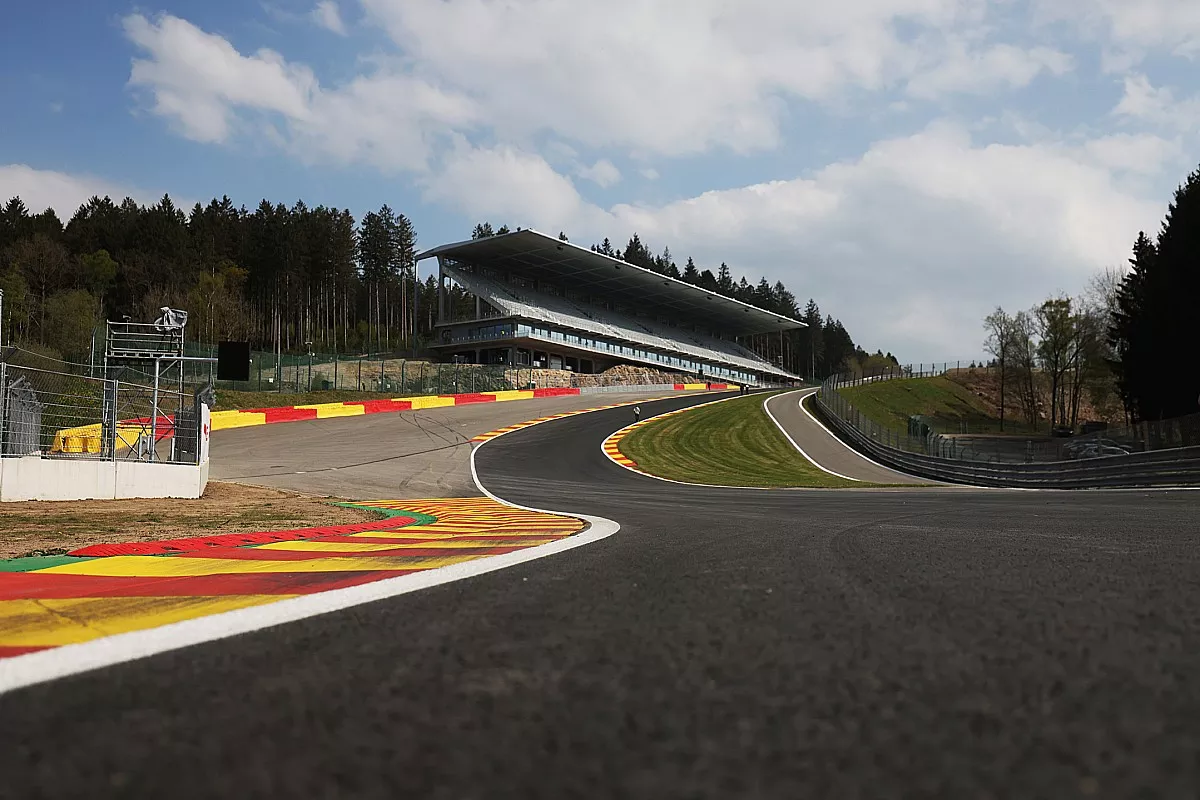
When I enter Eau Rouge, I always feel my heart race. This part of the track isn’t just a corner—it’s a vertical rollercoaster. The car drops down through La Source, only to rocket uphill through the famous sequence. The elevation change? Over 100 meters across the whole circuit. It’s like driving along a mountainside.
In fact, Kemmel Straight perfectly illustrates the engineers’ biggest dilemma. Downforce or top speed? You can’t have both at once. Too much wing, and the driver loses 10-15 km/h on the straight. Too little, and the car goes wild through the fast esses in the middle sector.
I remember one race when the sun was shining in the morning, and an hour later it was pouring rain. That’s just how it is in the Ardennes. The weather changes every half hour here. Pirelli has to prepare compounds for everything—from dry asphalt heated to 50 degrees, to an icy wet track. Sometimes, on a single lap, it’s dry at the start and wet at Bus Stop.
Drivers say Spa is the most physically demanding track. It’s not just about G-forces—it’s about the speed of decision-making. At Pouhon, you have maybe a second to judge the grip. Get it wrong, and you’re in the barriers at 200 km/h.
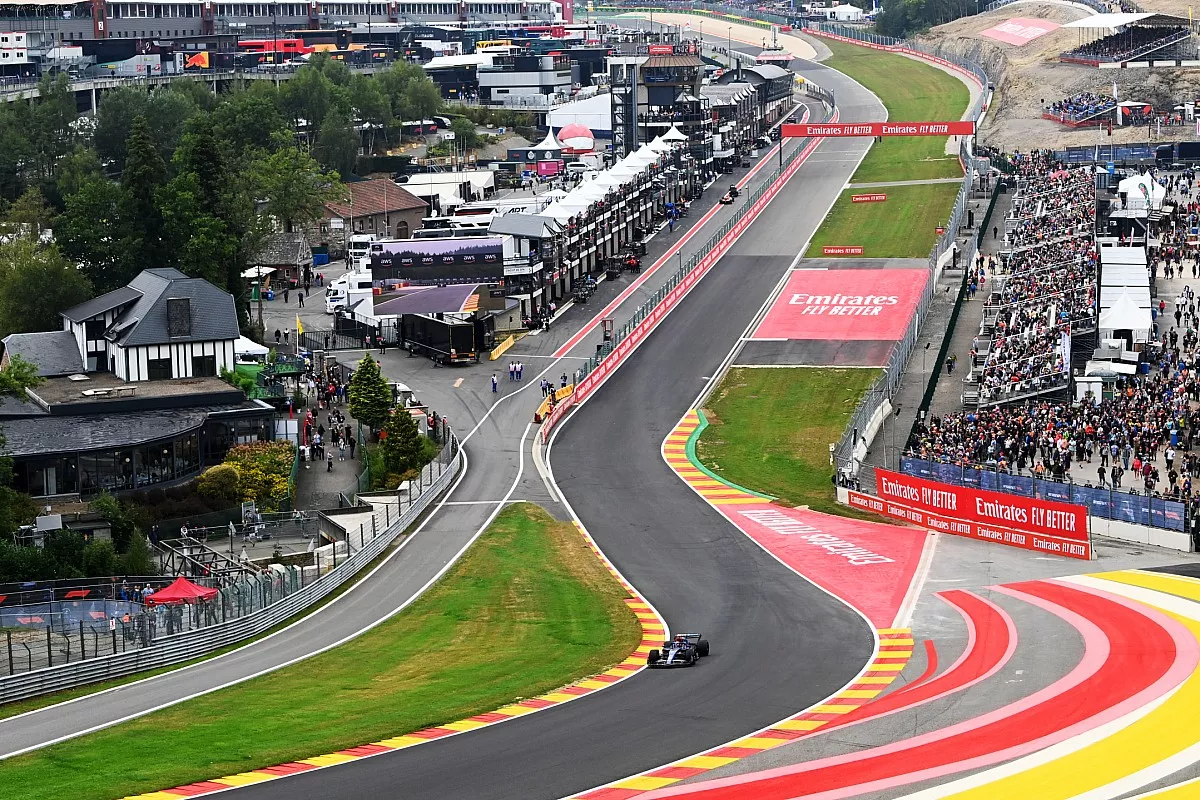
The cars here operate at the very limits of their capabilities. The suspension needs to be soft for the curbs, yet stiff for rapid changes of direction. The brakes glow red-hot at the end of Kemmel, only to cool down again in the slower sectors.
When conditions and technique come together as one, moments are created that become legendary…
From Fangio to Piastri – breakthrough moments and controversies
I remember watching that famous Hakkinen move back in 2000. Mika was chasing Schumacher for half the race, and then suddenly—boom! He used Zonta as a moving obstacle and overtook the German in the narrowest part of the track. It was absolutely unbelievable.
Häkkinen’s brilliant maneuver (2000)
Michael Schumacher was leading the race, but Häkkinen wasn’t giving up. At one point, Brazilian Ricardo Zonta was driving slowly ahead of them. Normally, that would have meant the end of any chance to overtake. But Mika had a different idea.
The Finn launched his attack precisely as both were passing Zonta. Schumacher had to slow down behind the slow Brazilian, and Häkkinen took advantage of the second line, overtaking both drivers at once. The German didn’t even have time to react.
“That was one of the best maneuvers I ever pulled off in my career” – Häkkinen recalled later.
The non-race from 2021
Two years ago, I saw something even stranger. It poured rain all weekend. On Sunday, the conditions were so terrible that the race lasted… three laps behind the safety car. And that was it. Yet they still got half points for it.
The drivers were furious. So were the spectators. The FIA admitted it was an organizational mistake. This “race” changed the rules regarding the minimum number of laps required to award full points.
Schumacher’s first triumph (1992)
Michael was only 23 at the time. He was driving for Benetton, and no one expected him to win under such conditions. Rain, chaos, accidents—and the young German was slicing through the field like a knife through butter.
This victory marked the beginning of a legend. Schumacher proved he could race in any conditions. The rest is history—seven world championship titles.
Hubert’s Tragedy (2019)
I don’t like writing about this, but the death of Anthoine Hubert during the F2 race shook the entire community. The young Frenchman was only 22 years old. The accident was so serious that the FIA immediately began working on new safety solutions.
Additional energy-absorbing barriers were introduced, and race neutralization procedures were changed. The tragedy served as a reminder to everyone that Formula 1 remains a dangerous sport.
All these moments—triumphs and tragedies—have shaped the history of Spa-Francorchamps. Each has left a mark on the memories of fans. How these emotions translate into the business and image value of the race, we will discuss further…
Modernity, economy, and a green future of racing
I honestly didn’t expect that the Belgian GP generates as much as 106 million euros annually for the Ardennes region. That’s a huge amount of money for just one race weekend. But when you think about how many people come, how many hotels they book, how much food they buy—it starts to make sense.
Most of this money comes from a few sources. Tickets are an obvious one, but tourism is what really makes a difference. People fly in from all over the world, stay for a few days, and explore the area. Sponsorship also adds a significant amount to the pot.
| Revenue | Estimated value |
|---|---|
| Tourism and accommodation | 45,000,000 € |
| Tickets and merchandising | 28,000,000 € |
| Local sponsorship | €18,000,000 |
| Gastronomy and services | 15,000,000 € |
Liberty Media has a contract valid until 2025. I’ve heard that talks about an extension are ongoing, but it’s not that simple. Spa is expensive to maintain, and the F1 calendar is getting crowded.
Moët & Chandon comes in as the title sponsor in 2025. An interesting choice—champagne and racing have always gone hand in hand. Their marketing activations are expected to be quite extensive, although the details have yet to be revealed.
What surprised me was how seriously they take environmental issues. Reducing CO₂ emissions and using hybrid engines is one thing. But they also organize special buses for fans so there are fewer cars in the area. It makes sense—those post-race traffic jams are a nightmare.
I think that by 2030, motorsport will have to go even greener. Otherwise, social pressure will be too great. F1 is aware of this and is trying to adapt.
Business-wise, Spa is in a strange situation. On one hand, it brings in money and has history. On the other, costs are rising and new tracks offer more money. It’s a balancing act between tradition and real economics.
Is this balance of passion and responsibility enough to keep the Belgian GP on the calendar?
The future direction – what’s next for the Belgian Grand Prix?
Will the Belgian Grand Prix survive the next decade? I often think about this as I watch the changes in F1.
I see three key trends shaping the future of Spa-Francorchamps:
• Young winners like Piastri and Norris are attracting a new generation of fans – this is shifting the audience demographics and opening doors for fresh sponsors
• AI technologies in weather forecasting and upcoming carbon-neutral engines could turn Spa into a laboratory for F1
• Extending the contract beyond 2025 is a battle between European tradition and expansion into new markets
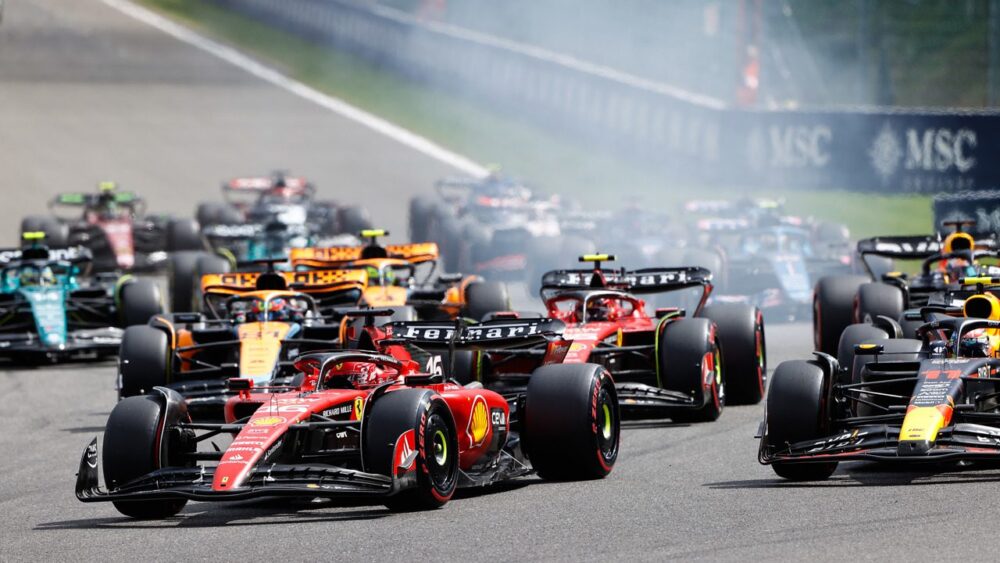
I believe the key is flexibility. A spa can’t rely solely on nostalgia—it has to offer more than just beautiful memories.
The future of the Belgian Grand Prix depends on its ability to combine its legendary history with the demands of modern sports business.
Tom F
lifestyle editor
Luxury Blog




Leave a Comment