

Baby Botox – a natural look without losing facial expressions
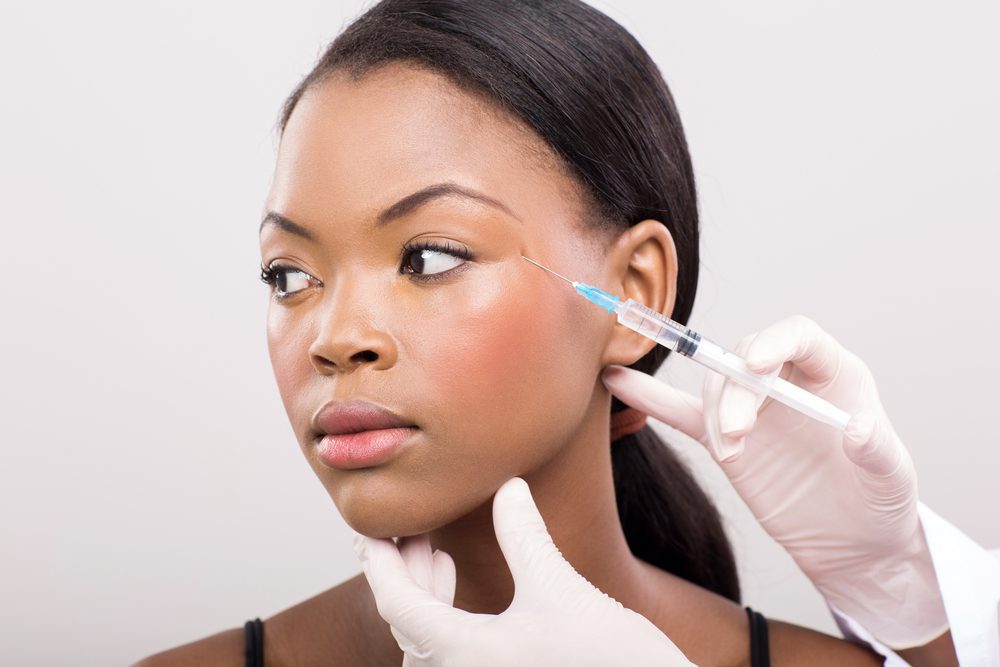
Over 7 million procedures are performed annually—that’s the current global statistic for Baby Botox. What was once a niche phenomenon just a few years ago is now becoming a mainstream trend in aesthetics.
It’s hardly surprising. Botox used to be associated with the “frozen faces” of celebrities on tabloid covers. Those days are long gone. Today’s women want something entirely different—a natural look without losing facial expressions. It’s no longer about dramatic change, but about subtly enhancing what they already have.
Baby Botox – microdoses, maximum effect
Millennial women, in particular, approach this topic differently than previous generations. Data shows that as many as 40% of patients are women under the age of 35. They don’t wait for deep wrinkles—they act preventively. This is a completely new way of thinking about aesthetics.
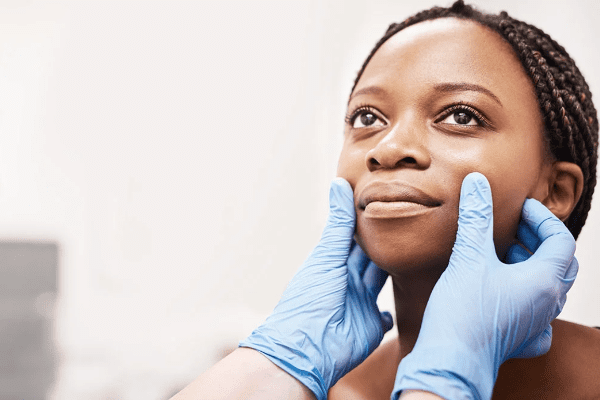
photo: familydentalclinic.uk
The history of Baby Botox dates back to 2010, when “microdoses” were first discussed as an alternative to standard protocols.
To truly understand this phenomenon, it’s worth looking at it from three perspectives:
- Mechanism of action and modern protocols – how exactly does Baby Botox work and how does it differ from traditional methods
- Balance of benefits and risks – what you can gain and what to watch out for
- A practical guide – how to prepare for the procedure and what to expect
Each of these axes reveals a different side of Baby Botox. The first is pure science and technique. The second—an honest assessment of pros and cons. The third—practical tips for anyone considering this step.
Interestingly, the popularity of Baby Botox is rising in parallel with trends like “no makeup makeup” and a minimalist approach to beauty. This is no coincidence—everything is united by a shared philosophy of naturalness.
But how exactly does the mechanism work that allows you to maintain facial expressions while smoothing the skin?

photo: elle.com
Mechanism of action and innovative mesobotox protocols
Microdosing in mesobotox is truly a revolution in how we think about neurotoxin use. Instead of the traditional 20-50 units per area, here we’re talking about precise 10-20 units of onabotulinumtoxin A per region. This is much more than just cosmetic tweaks—it’s a shift in the entire biochemical approach.
The neurophysiological mechanism of acetylcholine blockade remains the same, but the depth of application makes all the difference. In Baby Botox, injections are made at a depth of 0.5-1 cm under the skin, into the intradermal layer. Classic Botox goes deeper, often reaching the muscle. This difference in penetration affects how the neurotoxin interacts with SNARE receptors.
| Aspect | Baby Botox | Classic Botox |
|---|---|---|
| Application depth | 0.5–1.0 cm (intradermal) | 1.5–3.0 cm (intramuscular) |
| Dose per area | 10-20 u. | 20-50 u. |
| Dilution | 1:3 (standard) | 1:2 or 1:4 |
| Needle diameter | 30-32 G | 27-30 G |
Key observation: Intradermal administration requires a different diffusion timing—the neurotoxin spreads horizontally, not vertically as in the classic method.
Equipment is a separate topic. 30-32 G needles are becoming the standard, as they allow for precise micro-injections without damaging tissue. In 2025, AI-guided injection mapping was introduced—computer systems analyze facial anatomy and suggest optimal injection points. It sounds futuristic, but it’s already a reality in several clinics.
Dilutions have changed as well. The standard 1:3 means that 3 ml of saline solution is added to 100 units of botulinum toxin. Some protocols are experimenting with 1:4, especially for larger application areas.
Regional differences are significant—the FDA in the US requires documentation of every step of the procedure, while in Poland the focus is more on physician certification.
American protocols emphasize pre-procedural mapping and 48-hour monitoring. In Europe, procedures are more flexible but also less standardized. This can affect the reproducibility of results between different centers.
The innovations of 2025 are also introducing new diluents—not just saline, but preparations with added hyaluronic acid at a concentration of 0.1%. This is intended to improve the stability of the neurotoxin in tissue.
These technical parameters form the foundation for understanding why mesobotox delivers different results compared to traditional applications.
Benefits versus controversies: an objective analysis of effects and risks
Baby Botox sparks strong emotions, even though clinical data is quite clear. It’s worth looking at the facts without embellishment.
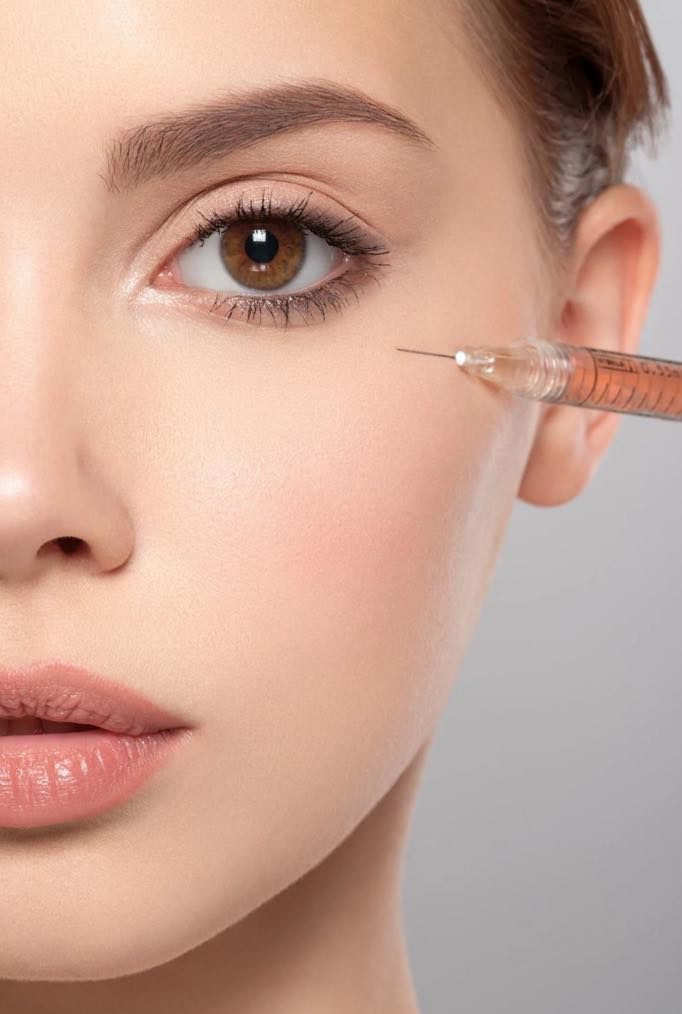
photo: drmichaelprager.com
Patient satisfaction ranges between 85-95% according to the latest studies from 2024. This is a much higher rate than with traditional aesthetic procedures. Why is that? Most likely because of the subtlety of the effects.
Benefits
Smooths out wrinkles without the “frozen” face. Maintains natural facial expressions while reducing tension lines. Results are visible within 3-5 days. No lengthy recovery—most people can return to work the next day.
Risks
Side effects occur in less than 5% of patients. Most commonly, these are mild swelling or small bruises at the injection site. Asymmetry appears in 1-2% of women, but usually resolves on its own within a week. Less frequently—temporary weakening of facial expressions.
It’s important to note that the effects last shorter than with standard Botox. We’re talking about 2-4 months instead of half a year. Some see this as a drawback, others as an advantage.
“Baby Botox lets you control the intensity of changes,” says Dr. Anna Kowalska, an aesthetic medicine specialist.
The emotional controversy is a separate issue. fMRI studies from 2023-2024 reveal fascinating findings. It turns out that limiting facial expressions affects the activity of the amygdala—the part of the brain responsible for processing emotions. Patients after the procedure showed reduced reactivity to negative stimuli.
That sounds positive, but it raises ethical questions. Is modifying the ability to express emotions still aesthetic medicine, or already an intervention in the psyche? Some researchers suggest that limited facial expressiveness may hinder nonverbal communication with others.
On the other hand, women often report improved well-being. They worry less about their appearance and feel more confident. Is this a placebo effect or a real neurological change? Probably a bit of both.
It’s also worth mentioning the phenomenon of habituation. The body gets used to botulinum toxin, so subsequent treatments may be less effective. However, this mainly applies to intensive use over many years.
The decision to undergo Baby Botox should be based on reliable knowledge, not media myths. Neither demonizing nor idealizing the procedure serves patients well. What matters is an informed choice based on facts.
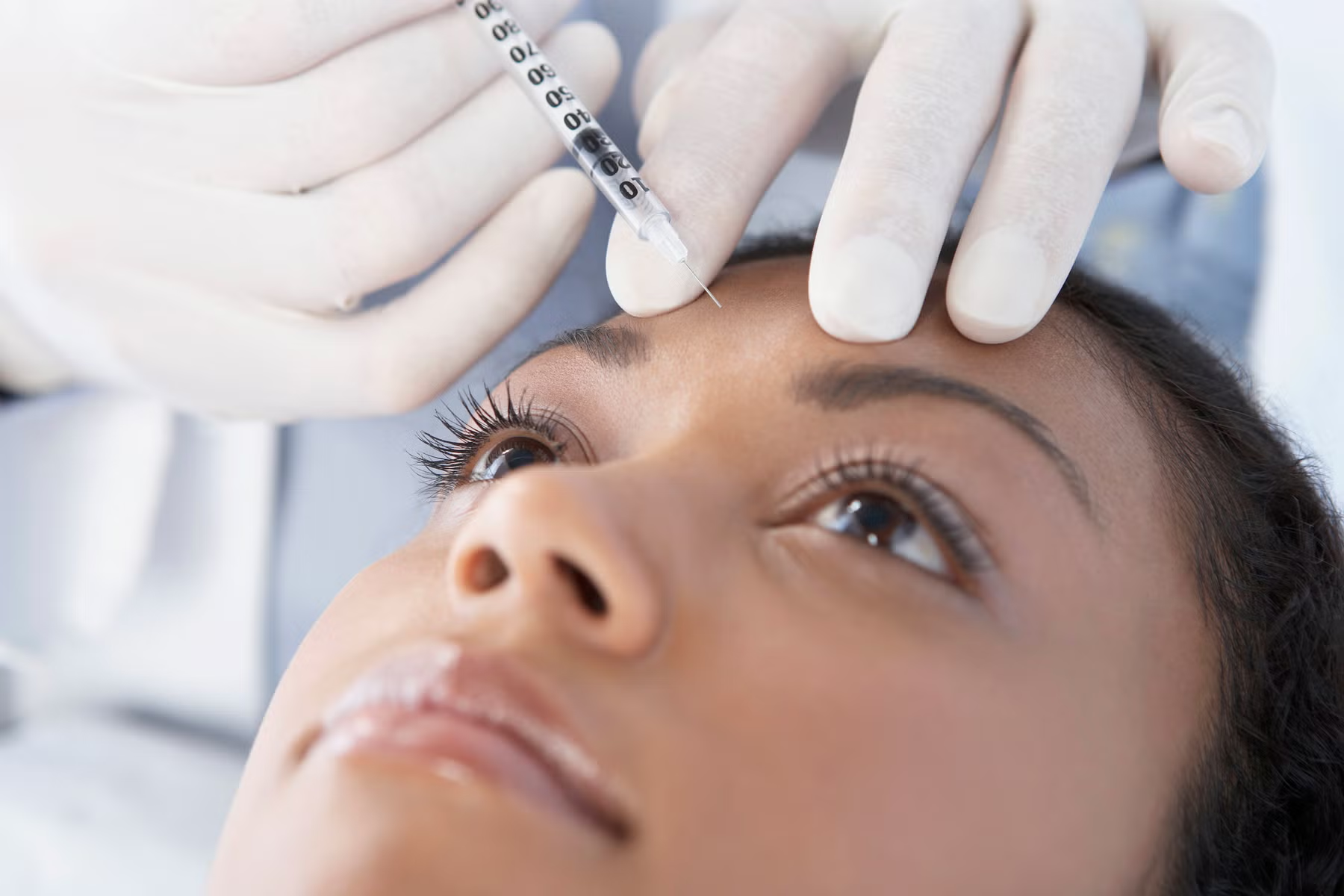
photo: womenshealthmag.com
From Consultation to Check-up: A Practical Guide for Patients
Choosing a clinic for botox injections isn’t something you should do on a whim. Many women make the mistake of going to the first place they find online. Then they’re surprised when the results aren’t what they expected.
Let’s start with the basics—how to pick the right clinic. Always check if the doctor is registered with the Medical Chamber and holds a PTMEiAA (Polish Society of Aesthetic and Anti-Aging Medicine) certificate. These aren’t just empty formalities—they’re your guarantee that you’re dealing with someone who knows what they’re doing. The cleanliness of the office matters too—if something feels off during your visit, it’s better to walk away.
The process is similar in most clinics, but the details can vary quite a bit.
A week before the procedure (07.12.2024): Initial consultation, choosing treatment areas, scheduling the appointment On the day of the procedure (14.12.2024): Arrive 15 minutes early, review expectations, procedure lasting 10-20 minutes Immediately after (14.12.2024): Aftercare instructions, scheduling a follow-up, possible mild redness Follow-up after 14 days (28.12.2024): Assessing results, possible touch-ups, discussing next steps Follow-up after 3 months (14.03.2025): Evaluating longevity of results, planning future treatments
Costs vary significantly depending on the city. I checked prices in several major centers:
| City | Price per area | Notes |
|---|---|---|
| Warsaw | 400-500 PLN | The highest prices, the widest selection of clinics |
| Kraków | 350-450 PLN | National average, good quality |
| Wrocław | 300-400 PLN | Competitive prices, a growing number of clinics |
After the procedure, following the recommendations is crucial. Sauna use is strictly off-limits for 48 hours—heat can affect the distribution of Botox. Physical activity? You can safely resume it after 24 hours, but don’t overdo it at the gym. Cold compresses are helpful if any swelling appears.
Can I get Botox while pregnant?
No, pregnancy and breastfeeding are absolute contraindications. There are no studies confirming safety for the child.
When will I see the first results?
Usually after 3-5 days, with the full effect visible after 14 days. If nothing has changed after two weeks, please come back for a follow-up appointment.
What if I don’t like the result?
Botox cannot be reversed, but its effects naturally wear off after 3-6 months. That’s why good communication with your doctor before the procedure is essential.
The aesthetic medicine industry is developing at a rapid pace, with new technologies and treatment approaches transforming the way we think about beauty care.
Natural beauty in the future: what’s next for Baby Botox?
This article set out to show how Baby Botox fits into the new vision of natural beauty. It turns out that subtlety is key—smaller doses deliver better long-term results. Informed clients are increasingly choosing prevention over radical changes.
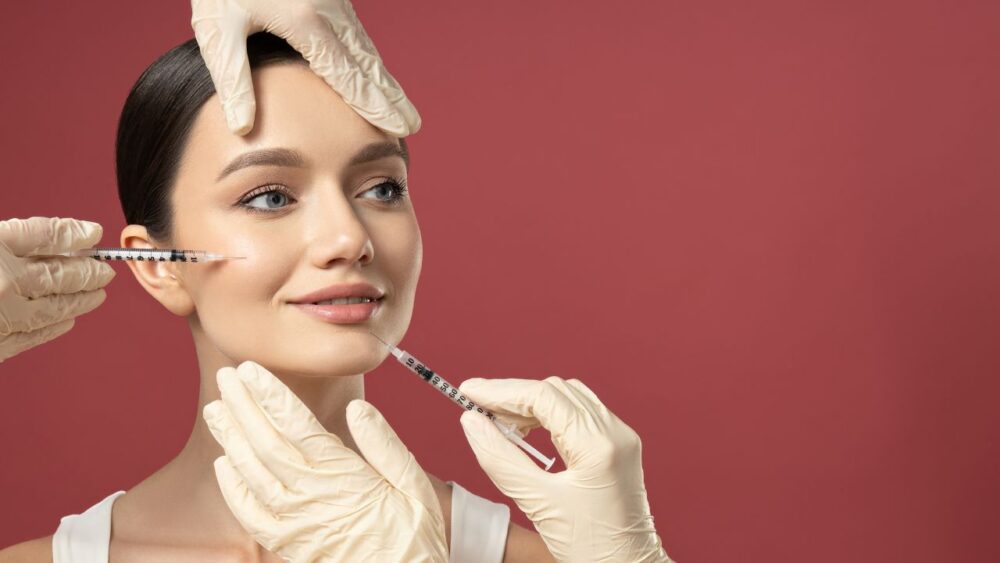
photo: saintaesthetix.com
The numbers speak for themselves. The aesthetic toxin market will reach a value of $125 billion by 2028. Experts predict it will double by 2030. That’s a huge leap, showing just how much attitudes toward aesthetic medicine are changing.
Honestly, I’m not surprised by this dynamic. I used to think such treatments were just a whim for wealthy women. Now I see it’s become part of regular self-care—like a visit to the hairdresser or beautician.
Two trends will shape the future of this industry. The first is AI-based personalization—algorithms will calculate optimal doses based on facial structure, age, and the client’s goals. The second revolution is the combination of Baby Botox with stem cell therapies. These combinations are designed to regenerate the skin at the cellular level, not just smooth out wrinkles.
Sounds like science fiction? Maybe a little, but the first clinics are already testing such solutions.
Technology will keep advancing, safety standards are rising, and prices will likely drop. But above all, it’s important to stay sensible and not get swept up by trends.
The future of natural beauty is in your hands—it’s worth staying up to date with new developments, but always put your health first.
Anette LU
aesthetic medicine editor
Premium Journalist






Leave a Comment