

Are Range Rovers considered luxury vehicles?
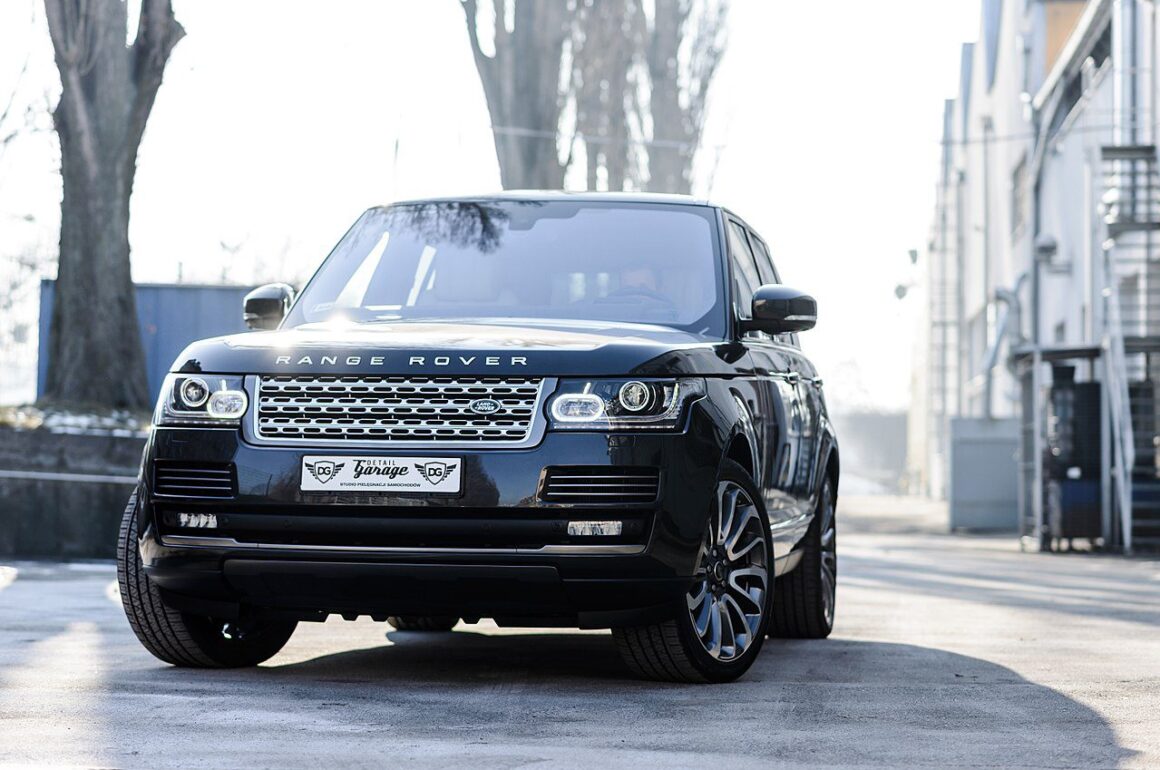
The saying goes, don’t judge a book by its cover—and the same applies to a car’s class, which shouldn’t be judged too hastily. The appeal and status of a given car depend largely on the country it’s in, as well as its country of origin. In Poland, an ordinary American cruiser that’s a common D-segment car in the US can attract much more admiration than its European counterpart of the same class. Take the Ford Mustang, for example: in the United States, it’s not synonymous with luxury or sport—just a remnant of the muscle-car glory days of the 1960s and ’70s. But are Range Rovers considered luxurious? Absolutely, but it’s worth understanding why. Range Rover is a completely different story—or rather, two sets of tires. Since the 1970s, the British Land Rover’s model line has evolved from the mid-range segment, through the upper class, and indeed, has now joined the ranks of luxury vehicles.
Are Range Rovers considered luxury vehicles?
Often seen on the streets and strikingly similar—Land Rover and Range Rover. It’s no surprise, since although they are two separate brands, both are produced by the British manufacturer Land Rover. Range Rover is a model line that began to take shape in the 1960s, thanks to engineers Gordon Bashford and Spen King. Bashford and King set out to create a vehicle that would combine the advantages of an off-road car with the comfort of a traditional passenger vehicle.
Are Range Rovers considered luxury vehicles? – if so, what makes them so?
After all, we know that Land Rover used to focus exclusively on off-road vehicles. There probably isn’t a single film about Africa or other remote corners of the world with extreme terrain conditions where you wouldn’t spot the iconic Defender. As a “Brit,” it also had to appear in the James Bond film series, among others.
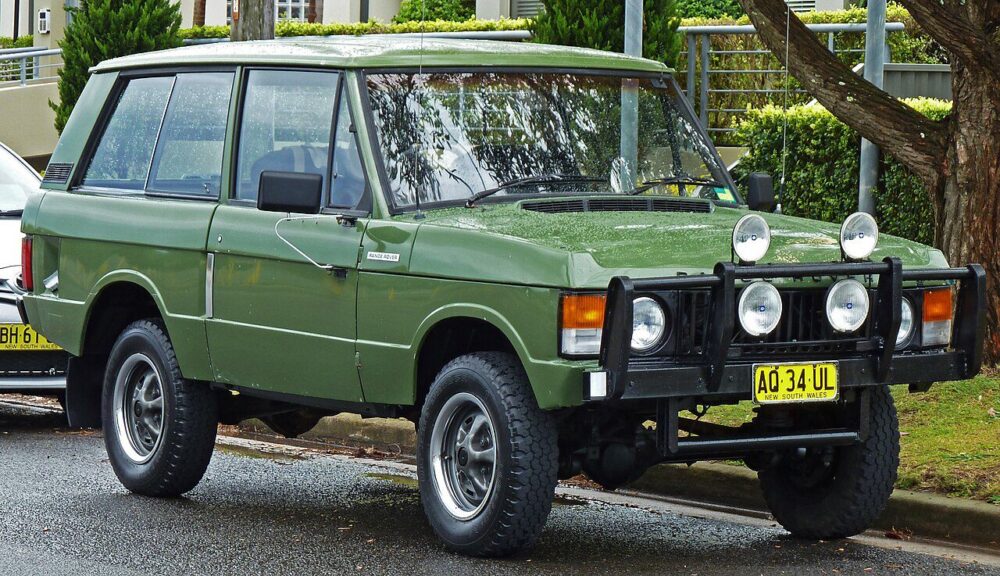
The first prototype of the Range Rover was built in 1967. Land Rover engineers concealed it under the codename “Velar”—from the Italian “velare,” which literally means “hidden.” Velar remained “velare” for another 25 prototypes, as the British produced a total of 26 units. Three years later, the world was introduced to the first Range Rover model. This vehicle was exactly what its creators intended it to be—versatile. The first Range Rover featured permanent four-wheel drive, a split tailgate, and a distinctive body line reminiscent of traditional Land Rover models. Yet there was something about it that quickly made it a living legend on the road—primarily on the road, as it was the forerunner of the SUV, though it also handled off-road terrain quite well. In fact, the photos clearly reveal the somewhat rugged character of this car. Subsequent generations looked less and less “off-road” and increasingly “urban.” The level of luxury also rose, both inside and out.
After 11 years of successfully conquering the market, the Range Rover Classic was refreshed with a five-door version, making it more appealing as a vehicle for families, which at the time could still be quite large. However, the bodywork itself did not change much.
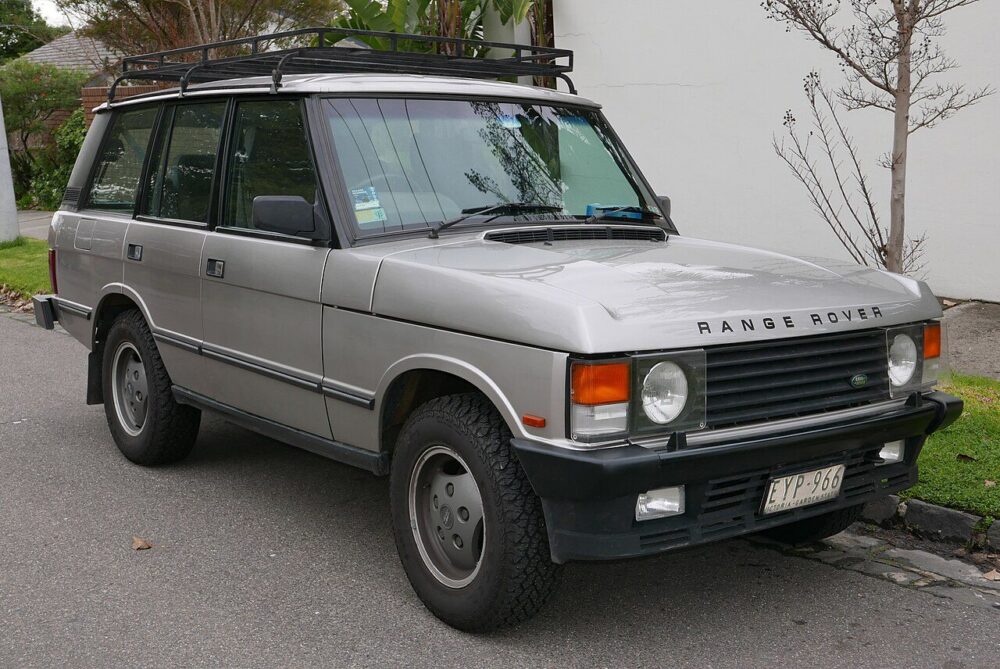
1994 Range Rover. Your ticket to the luxury SUV segment
Another milestone in the history of the Range Rover was the introduction of its second generation (P38A). Looking at it, you can clearly see it has moved up a notch—into the premium car segment. At this point, the Range Rover almost completely sheds its off-road heritage, although it still retains a hint of the Land Rover Defender from that era. The similarities are obvious at first glance. Nevertheless, in reality, these are already two entirely different vehicles.
The engineers retained the robust body and large-displacement engines in the second generation, offering two versions: a 4.0-liter V8 and a 4.6-liter V8. Later, a more economical 2.5-liter diesel engine developed by BMW was added to the lineup, allowing the vehicle to better meet the needs of different customers.
The interior of the second-generation Range Rover was designed with comfort and luxury in mind. High-quality materials such as leather and wood were used, along with advanced technologies that, at the time, set a new standard in the premium SUV segment—a segment Range Rover entered after 1994. By the mid-1990s, Range Rover was already owned by BMW, which continued to develop the brand. There was even a prototype SUV with a V12 engine from the BMW 7 Series, but it ultimately never went into production.
The production of the second-generation Range Rover continued until 2002, when it was replaced by the model’s third generation. The P38A played a key role in strengthening Range Rover’s position as a synonym for luxurious and versatile SUVs, combining elegance with unmatched off-road capabilities. To this day, the Range Rover II is highly valued by collectors, especially brand enthusiasts.
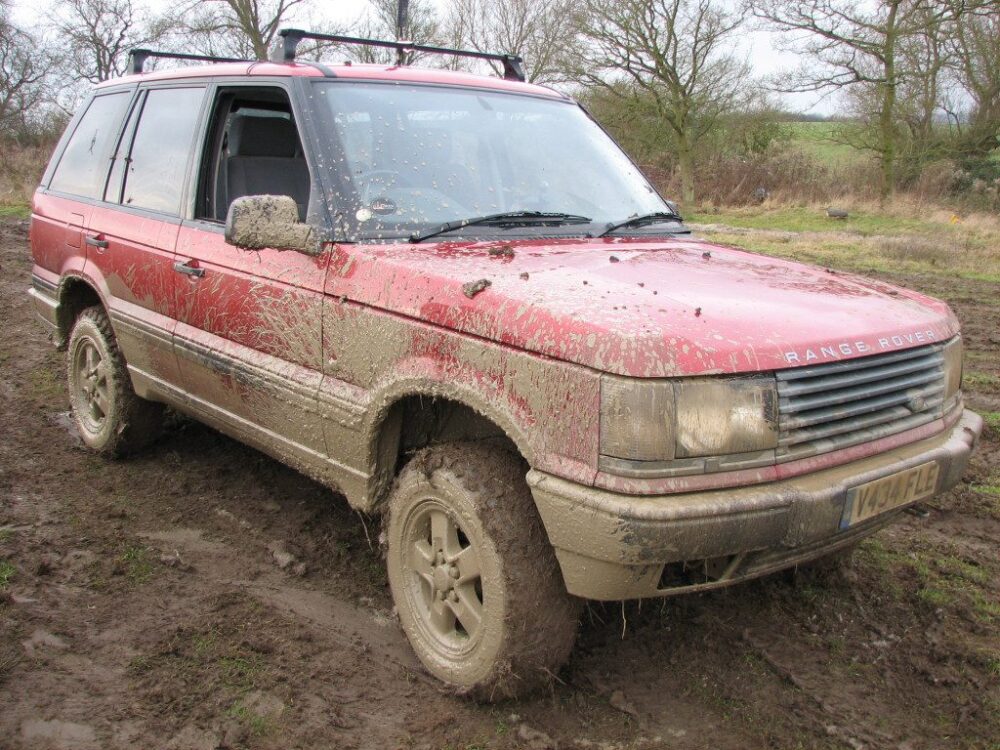
Third- and fourth-generation Range Rover
The Range Rover III is arguably the most iconic model from this luxury SUV brand. The third generation made a spectacular entrance into the top tier of the F-segment SUV s. Beyond its luxurious finishes, this model is packed with technology—including advanced navigation systems, premium audio installations, and cutting-edge electronics. Innovations were also applied to the very construction of the vehicle, ensuring the suspension delivers comfort both on asphalt and rough, unpaved terrain. Produced from 2002 to 2012, the design language of this model is still evident in today’s Range Rovers.
The fourth generation Range Rover practically oozed luxury. The latest model of the popular SUV was unveiled at the Paris Motor Show. It was the world’s first SUV with a body made entirely of aluminum, which allowed for a significant weight reduction of about 400 kg, resulting in improved fuel efficiency. Range Rover did not compromise on powerful engines, either. The entry-level option was a V6 3.0 TD with 258 hp, while the top-of-the-line version featured a V8 5.0 Supercharged engine delivering 550 hp. All versions of the new Range Rover came equipped with an 8-speed transmission and the signature four-wheel drive. Despite its unmistakably luxurious character and direct competition with the Mercedes S-Class of the time, the Range Rover still retained its off-road capabilities, performing exceptionally well off the tarmac. In this respect, the Mercedes certainly lagged behind.
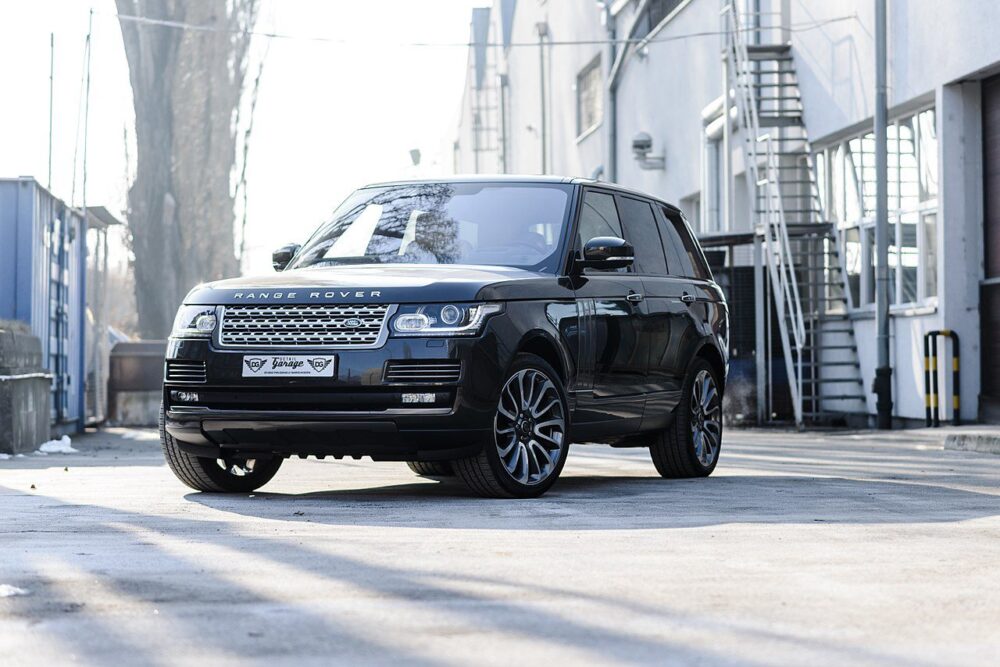
Range Rover today – the Rolex of SUVs
Since then, BMW has been “cashing in,” as there hasn’t been another Range Rover release as significant as the fourth generation. Since that time, the brand has been refreshing its existing achievements while occasionally introducing various unusual variations.
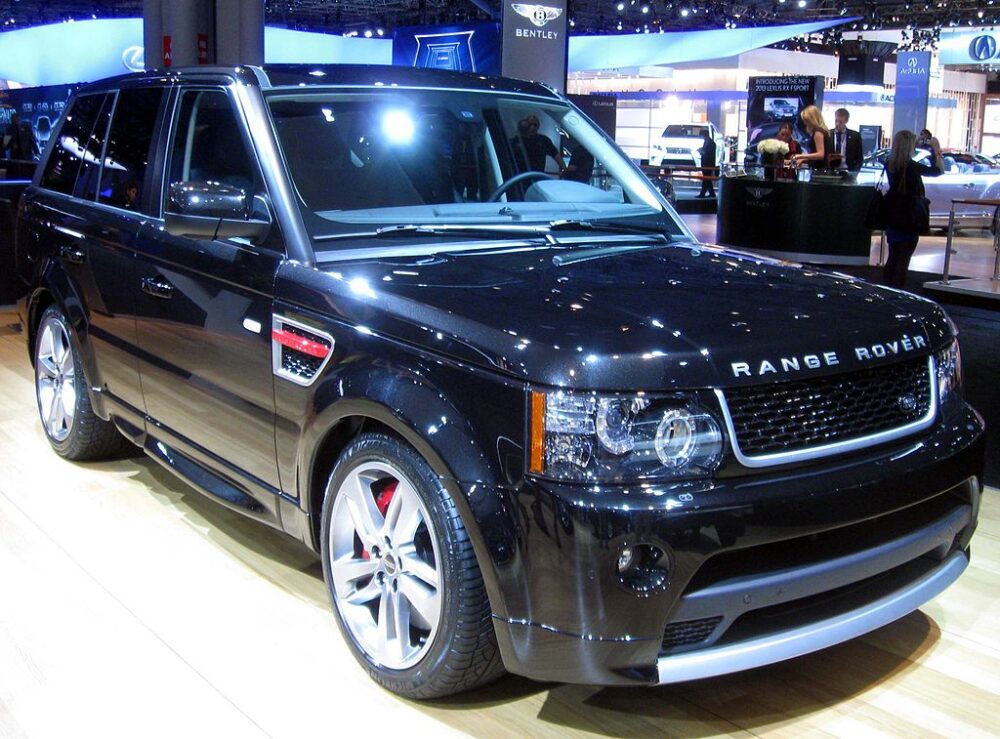
In 2005, the Range Rover Sport was introduced, followed by its latest version, the Range Rover Sport SV, which has been recognized as the fastest model in the brand’s history. The creators focused here on classic luxury and off-road capabilities, infused with a touch of sporty character.
Range Rover Evoque has also entered the market—the smallest in the family, it has gained recognition for its compact size while retaining all the features of the fourth generation, further enhanced by the latest advances in technology and design.
Finally, Range Rover returned to its roots with the Velar model—named after the original Range Rover Classic prototype from the 1970s. The Velar bridges the gap between the Evoque and the Sport, creating a kind of hybrid of both models. This model stands out with its sleek silhouette and modern interior, as well as impressive performance.
Are Range Rovers considered luxury vehicles?
In summary, yes! Range Rover is now definitely a luxury car, competing with brands such as Mercedes, Rolls-Royce, and Bentley.





Leave a Comment