

Antique Porcelain
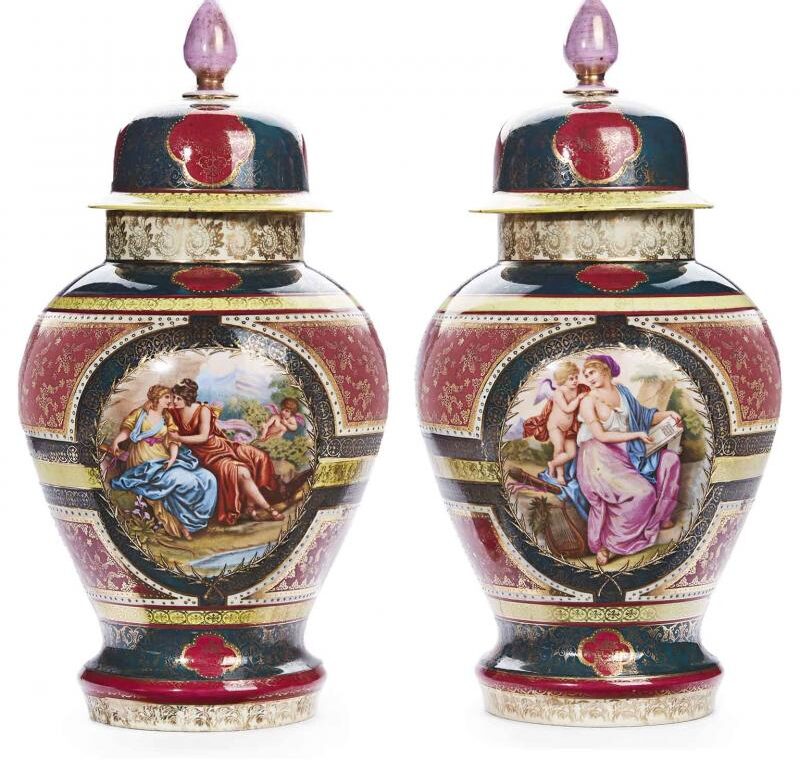
Today, we’ll be writing about one of the most breathtaking treasures we’ve discovered in the world of art.
In other words, antique porcelain is a remarkable form of art that not only reflects the craftsmanship and technical achievements of its era, but also represents an exceptionally important part of our cultural heritage. Either way, it is a material that has captivated people for centuries with its delicacy, refined design, and durability. In this article, we will take a closer look at antique porcelain, exploring its significance and impact on the world of art and culture.
Shaping history through the delicate art
It is a fact that antique porcelain, also known as Chinese porcelain, originates from China, where its production flourished as early as the 7th century. However, it was during the Tang dynasty (618–907 AD) that porcelain began to gain widespread recognition. This marked a true revolution in the art and craft of ceramics. The high firing temperature and unique ingredients used in its production made porcelain a material of exceptional hardness and translucency.
Porcelain is a type of ceramic distinguished by its exceptional properties. Its production requires specialized knowledge and skills. Since ancient times, various cultures around the world have created their own types of porcelain, but it was in China that large-scale production first developed during the Tang and Song dynasties.
The uniqueness of antique porcelain
First and foremost, antique porcelain has many distinctive features that set it apart. One of them is its blue-and-white hue, which exudes delicacy and elegance. The patterns painted on porcelain often depict flowers, birds, dragons, or mythical figures. The precision of these paintings is astonishing, with details refined to the smallest degree.
Not to mention the unique texture of antique porcelain. Its smooth, glossy surface feels exceptionally pleasant to the touch. Combined with its subtlety and lightness, antique porcelain catches the eye and inspires admiration.
An important aspect of antique porcelain is also its historical and cultural value. Above all, for centuries it has been a symbol of luxury and prestige. Incidentally, valuable porcelain pieces were exported to various parts of the world, captivating royal courts and art collectors. Antique porcelain is an important testament to the culture and art of past eras.
While antique porcelain is primarily associated with China, other regions of the world also have their own porcelain-making traditions. For example, porcelain from Meissen in Germany and Sevres porcelain from France are highly renowned and considered true gems among ceramic works.
Every antique porcelain enthusiast knows how important it is to care for these precious items. The delicate nature of porcelain requires proper storage and handling. It is essential to avoid bumps and drops that could cause damage. Regular cleaning and maintenance will also help preserve the beauty of porcelain for many years to come.
The history of porcelain: the evolution and flourishing of ancient ceramic traditions.
To tell the truth, Chinese porcelain quickly gained worldwide recognition and admiration for its exceptional quality and beauty. Initially, Chinese porcelain was exported to other countries, where it was valued as a luxury commodity. However, European countries soon began attempting to recreate the mysterious recipe and production techniques. Above all, the Dutch East India Company played a key role in the porcelain industry, introducing Chinese porcelain to the West and later opening the first porcelain factories in Europe.
In Europe, porcelain production gained popularity in the 18th century. Manufactories in Meissen (Germany), Sèvres (France), and other locations became renowned for creating exceptional works of art. Patterns and decorations were often inspired by nature, mythology, genre scenes, or architectural elements. The delicacy, precision, and richness of detail that characterized these pieces made them highly valuable and sought after by collectors.
Each period in the history of porcelain has its own unique features and styles. For example, Rococo porcelain is often decorated with asymmetrical, swirling patterns, while Neoclassical porcelain features more geometric and symmetrical designs. Porcelain from the Romantic era often depicted scenes full of emotion and drama.
It is also worth mentioning antique porcelain as a valuable source of historical knowledge. By studying various patterns, marks, signatures, and stamps on antique porcelain, researchers can reconstruct the history of production, exchange information, and date individual pieces. This valuable source of information helps us better understand the development and evolution of this noble craft.
Antique porcelain is also an important part of cultural heritage. Works of antique porcelain are preserved and displayed in museums around the world, where they are admired by crowds of visitors. They are symbols of our history and culture, reminding us of the skills and talents of master craftsmen from the past.
Antique porcelain – a golden legacy preserved to this day.
Today, antique porcelain is not only a valuable work of art but also a highly sought-after collector’s item. Its value continues to rise, and art auctions often reach staggering prices for unique pieces. Collectors around the world seek out antique porcelain to enrich their collections and appreciate the beauty and craftsmanship of bygone eras.
Contemporary porcelain production continues to blend tradition with modern technologies. Porcelain makers strive to preserve and nurture the heritage of craftsmanship while also experimenting with new techniques and styles. Porcelain still plays an important role in our society, both as a functional object and as a work of art.
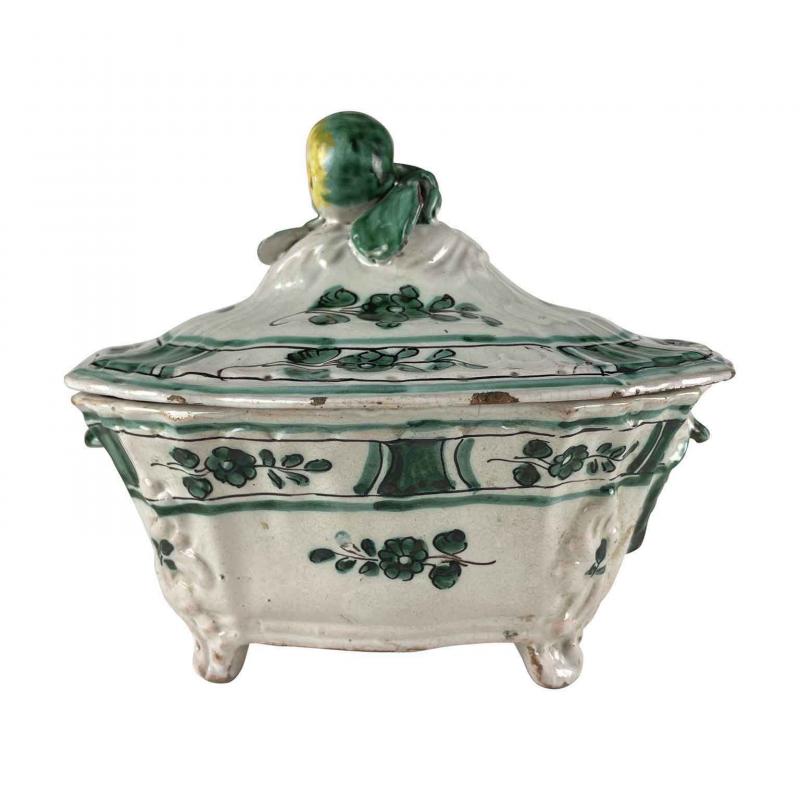
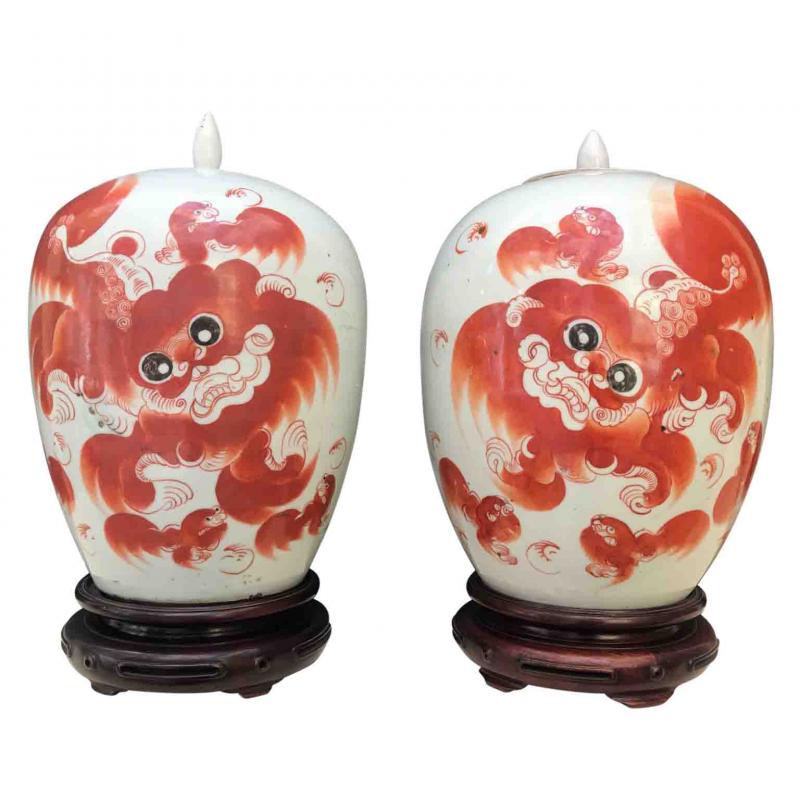
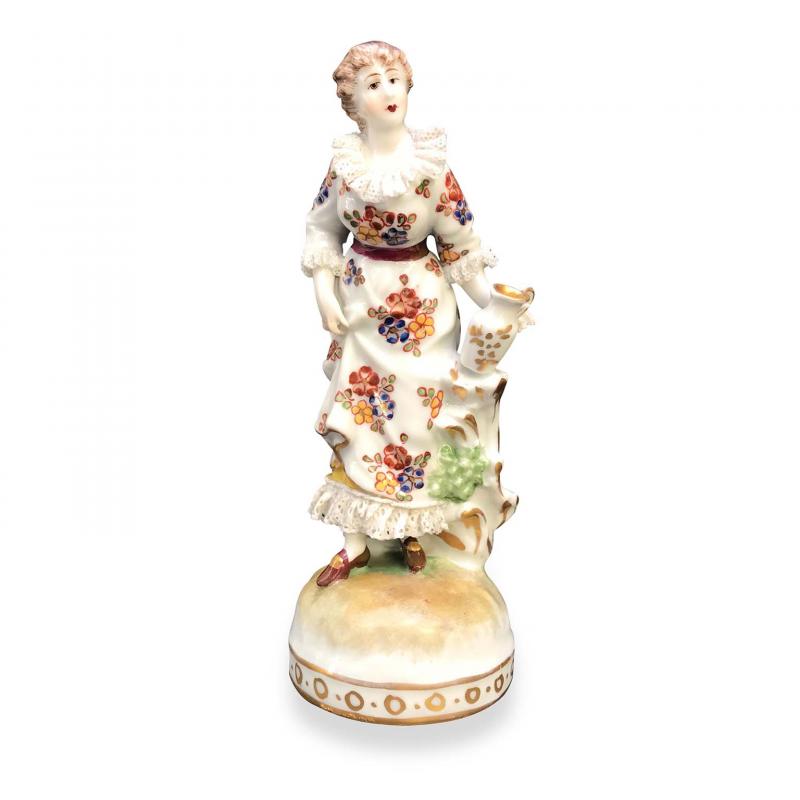
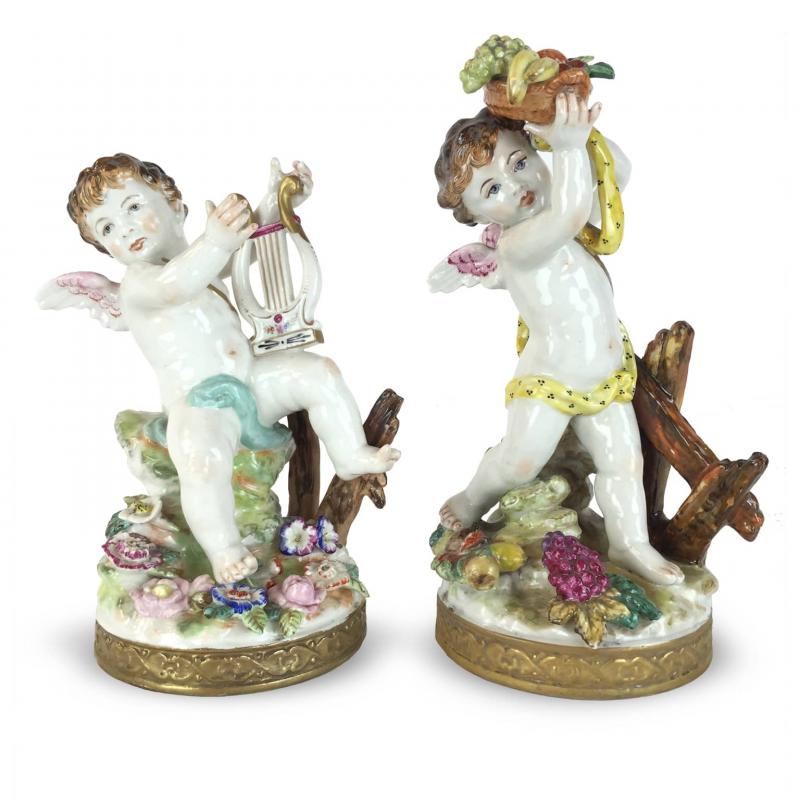
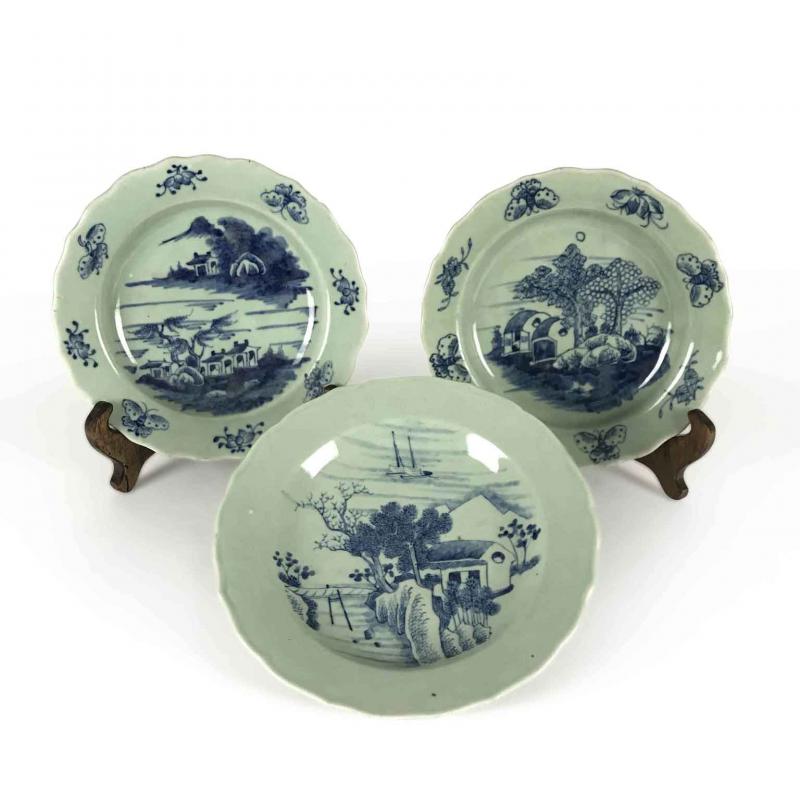
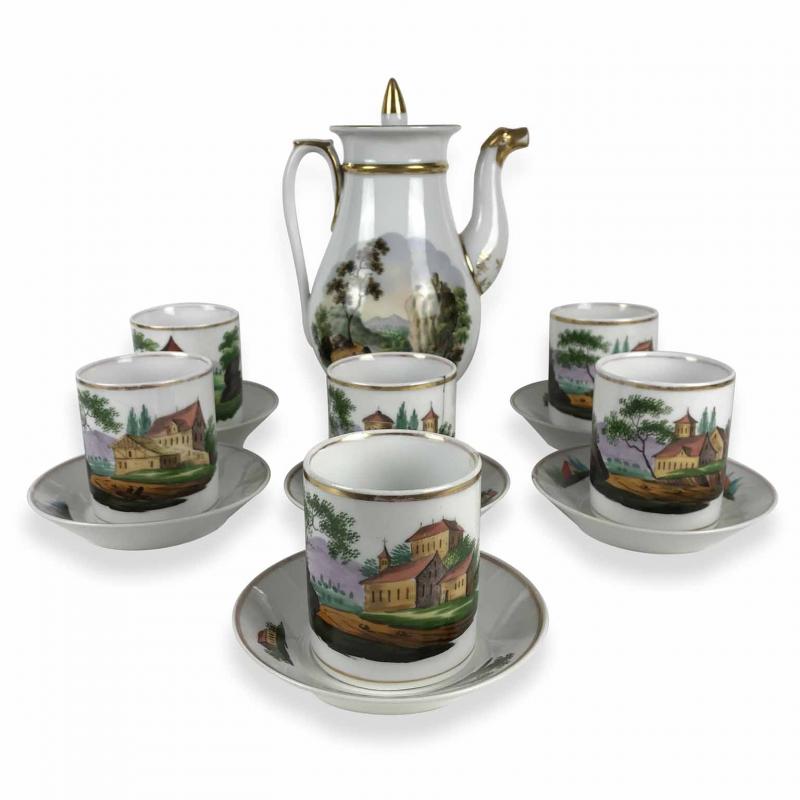
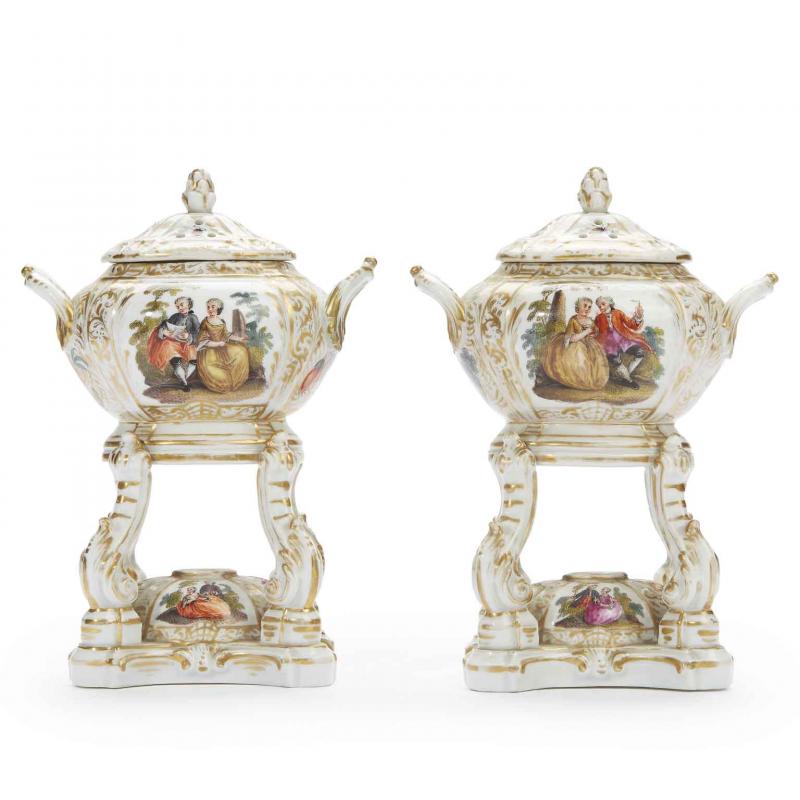
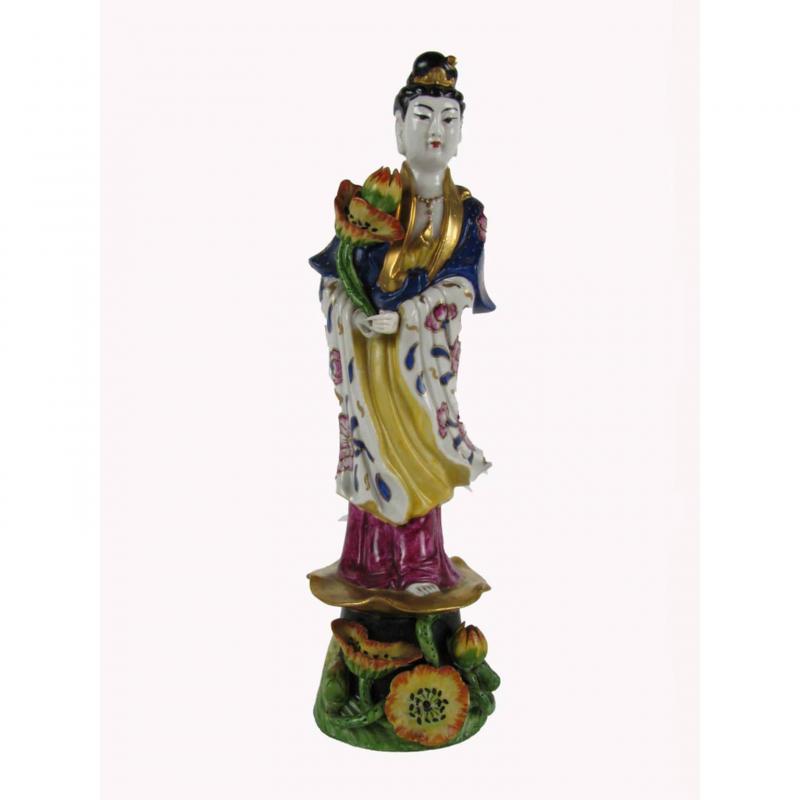
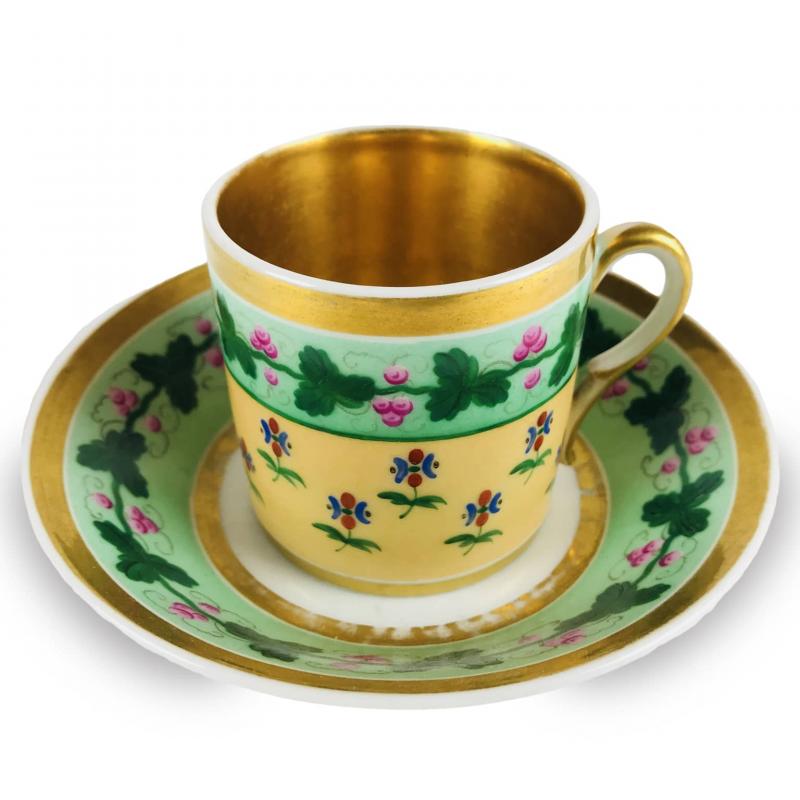
Examples of antique porcelain:
Antique porcelain is not only a piece of history but also a precious treasure of cultural heritage. Here are some examples of preserved antique porcelain that stand as a testament to the beauty and refinement of this noble craft.
Meissen: Founded in 1710 in Germany, the Meissen porcelain manufactory is one of the oldest and most important porcelain producers in the world. Its creations are renowned for their exceptional craftsmanship and intricate detail. Meissener Porzellan is a symbol of prestige and sophistication.
Sèvres: The Sèvres porcelain factory, established in France in 1756, is renowned for creating exquisite works of art for royal courts and aristocracy. Sèvres porcelain is distinguished by the delicacy of its designs as well as innovative painting and gilding techniques.
Copenhagen: The Royal Porcelain Factory in Copenhagen, founded in 1775, is one of the most renowned porcelain manufacturers in Europe. Its pieces are distinguished by elegant shapes and subtle decorations, often inspired by nature.
In short, the examples mentioned above are just the tip of the iceberg. All around the world, there are many other factories and workshops that produced antique porcelain and left an indelible mark of their beauty.
Strictly speaking, antique porcelain is a timeless testament to the enduring and ever-inspiring nature of art and beauty. Its delicacy, craftsmanship, and intricate patterns captivate the eye and leave a lasting impression. It is a legacy of the past that has survived the centuries and continues to enchant us with its unique magic.
In conclusion, we must emphasize that antique porcelain is not only a beautiful expression of craftsmanship, but also a remarkable source of historical and cultural knowledge. Its delicacy, unique designs, and technical achievements are highly valued by collectors and art enthusiasts around the world. Antique porcelain is a symbol of our heritage, one that deserves to be appreciated and preserved for future generations.





Leave a Comment