

Advantages of original terracotta pots – plant health and style
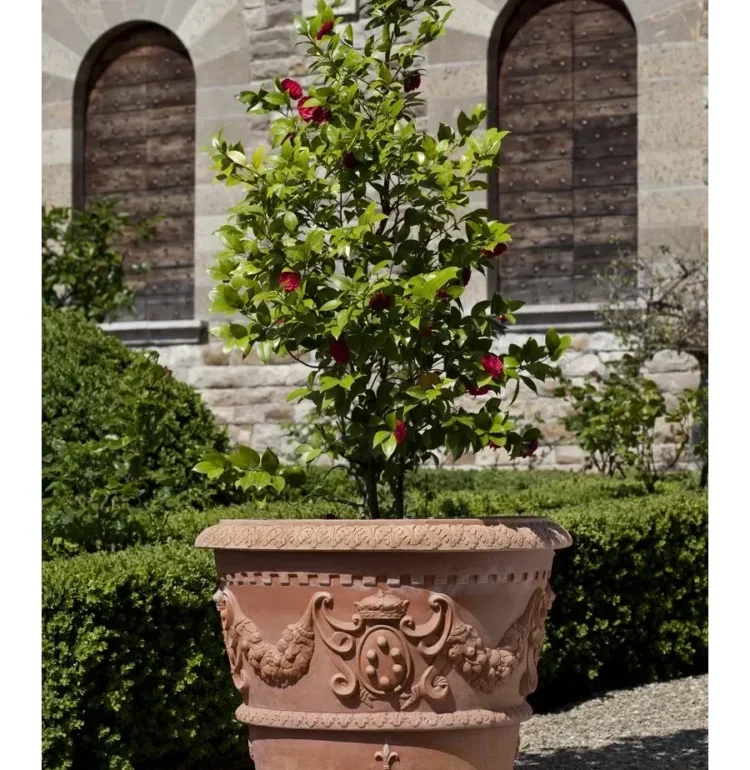
Terracotta sounds exotic, but it’s simply “terra cotta,” fired earth. Clay shaped and fired at 900-1100°C, without glaze, with a visible porous structure. And it’s precisely this raw, almost unrefined character that makes terracotta pots popular again in European homes.
Advantages of original terracotta pots: when clay makes a comeback
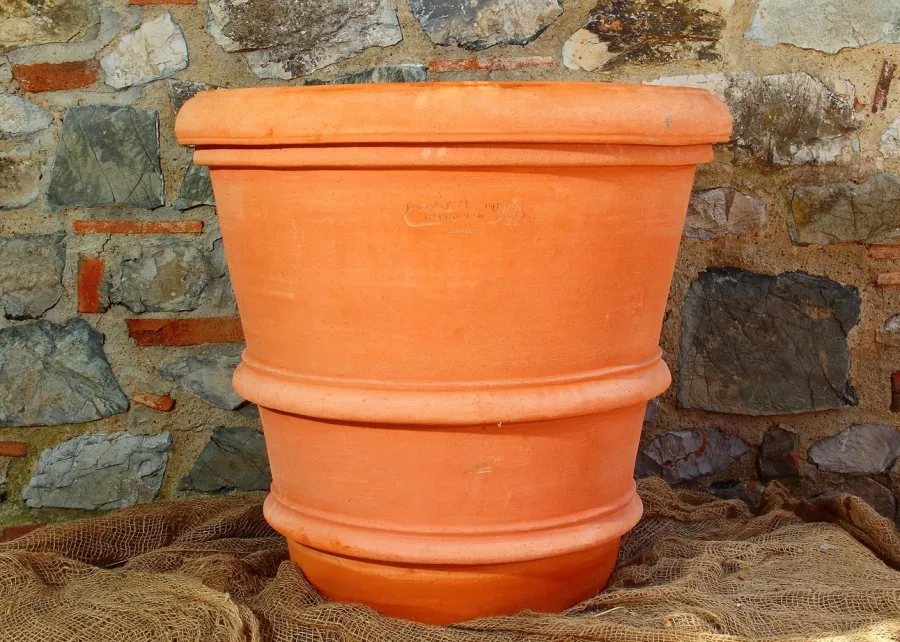
Original terracotta is a natural material, usually fine-grained clay from regions such as Tuscany (the famous Impruneta) or parts of Germany. After firing, it remains breathable, warm to the touch, with an imperfect surface. Here, there are no glossy glazes or plastic imitations that only pretend to be porous. Real terracotta absorbs water, “works” with the soil, and ages with a patina of mineral salts. Imitations made from polyethylene foam or glazed ceramics cannot do this.
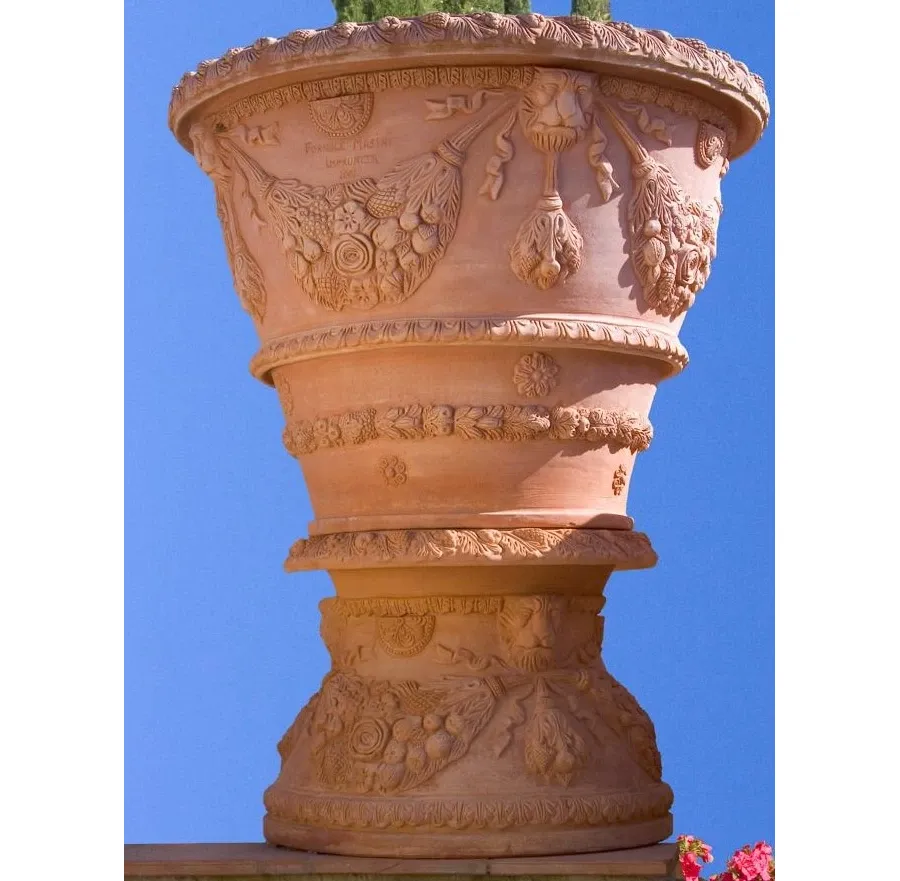
Fornace Masini
Why does this matter in 2025? Because we are returning to natural textures. Biophilic design focuses on tangible, honest materials, and EU pressure to reduce single-use plastics has also shifted attention to long-lasting objects. A terracotta pot can last for decades, while a plastic one ends up in the trash after cracking or discoloration. In the next section, you’ll see how these features directly affect plant health.
Key benefits for plants and the environment
The biggest advantage of terracotta? The walls “breathe.” Microscopic pores in the clay let air through and allow excess water to evaporate outside, not just through the holes at the bottom. This lowers the risk of root rot, especially for plants sensitive to overwatering. Succulents, cacti, sansevierias, or orchids really feel the difference. In plastic, such a plant sits in swampy soil, but here the roots have a chance to dry out between waterings.
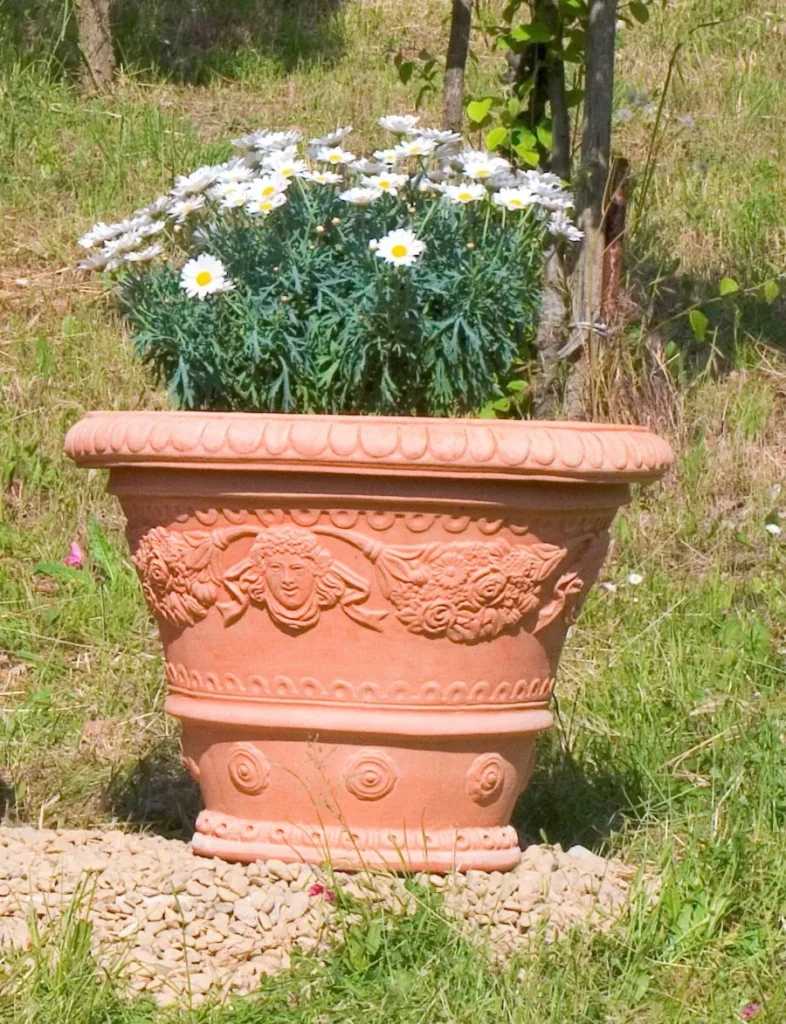
Fornace Masini
Another cool thing: clay changes color depending on moisture. A dry pot gets lighter, a wet one gets darker. White patina (salt deposits from hard water) is a sign that it’s worth rinsing the soil with distilled water from time to time. Simple visual control, no devices needed.
Thermal properties, durability, and eco aspect
Fornace Masini
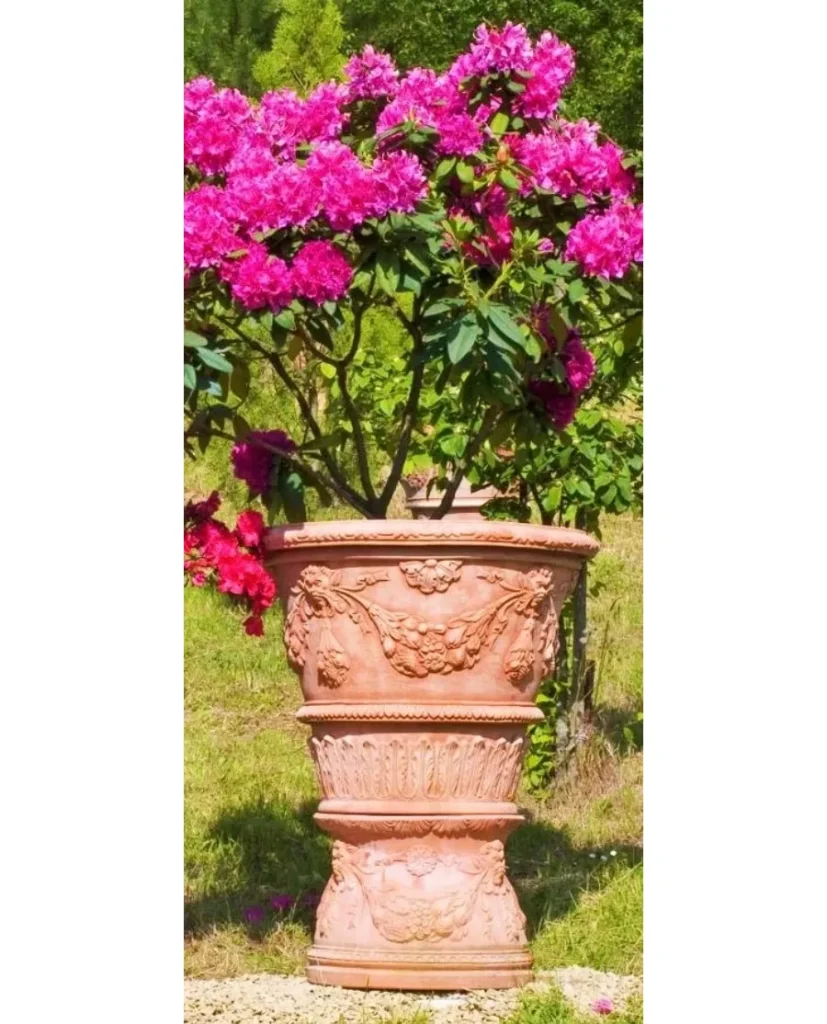
Terracotta heats up and cools down slowly, so the root system doesn’t experience thermal shock in summer or winter. In winter, the walls provide insulation; in summer, they don’t overheat like metal or dark plastic. Original, well-fired pots (especially Italian and German) can withstand frost down to about −20°C, −25°C, as long as you have proper drainage and they aren’t standing in a puddle. UV resistance means the color won’t fade for years.
Eco-friendly? The material is biodegradable, non-toxic, and produced locally in Europe. The earthy, matte colors highlight the shape of the plants instead of competing for attention.
Fornace Masini
But there is a trade-off: terracotta speeds up soil drying, so moisture-loving plants (ferns, calathea) will need more frequent watering. The pots are heavy, and sometimes white stains may appear. On the plus side, the roots will stay healthy.
How to recognize an original and choose the right terracotta pot?
The quality of terracotta varies greatly, and not every orange clay pot will survive the first winter on the balcony. You can check the key parameters even online, as long as you know what to look for.
Fornace Masini
Parameters that indicate authenticity
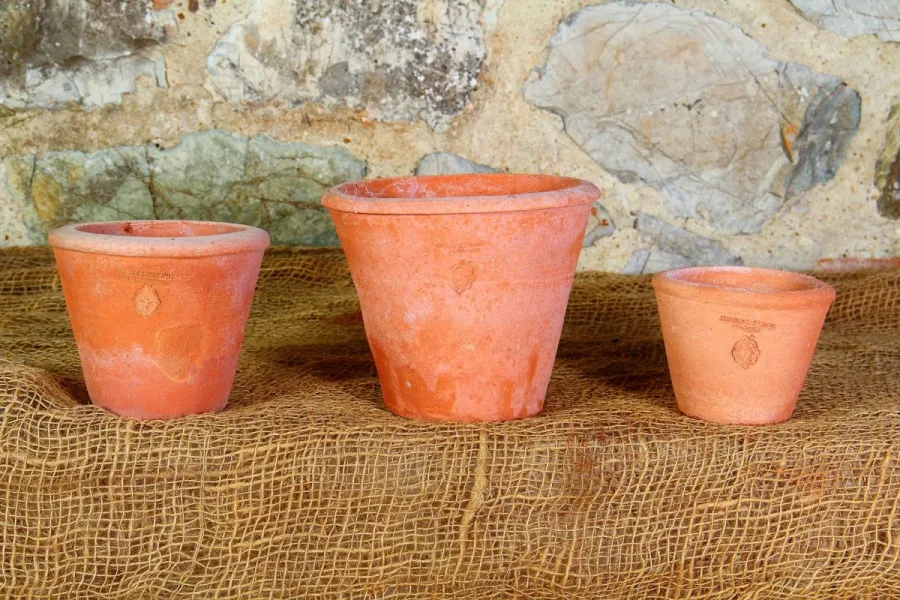
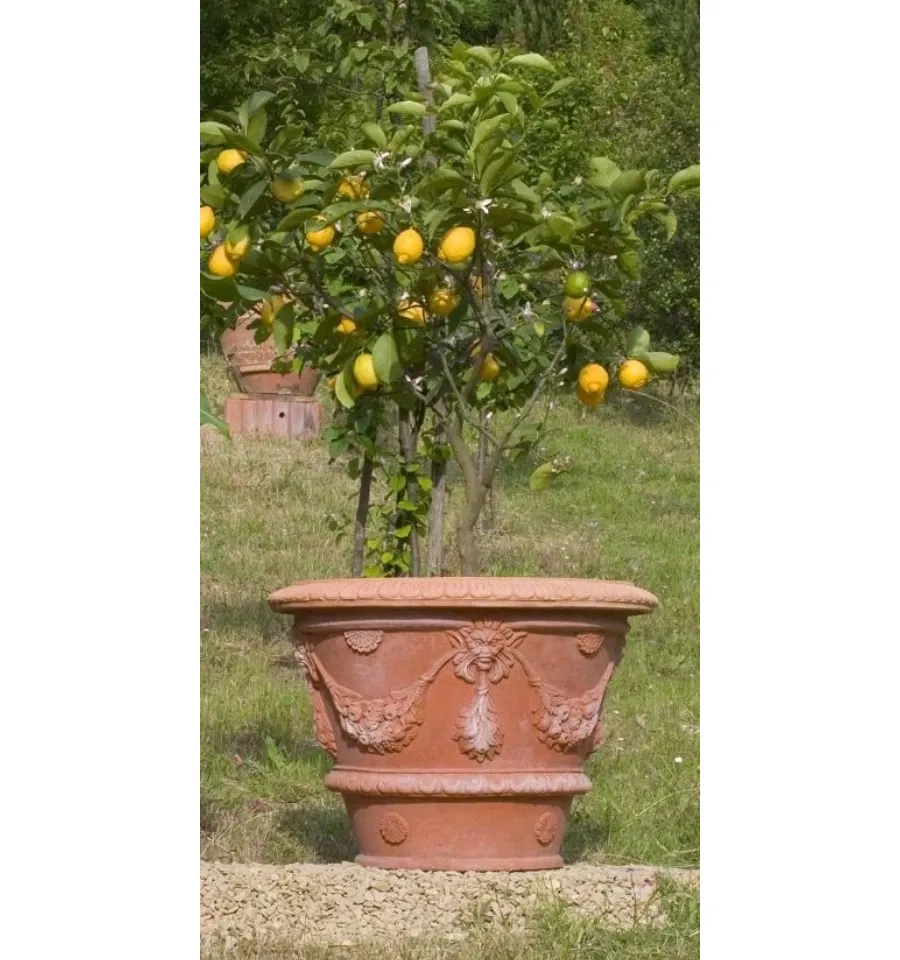
Real terracotta is made from fine-grained, purified clay fired at a temperature of 980-1100°C. This range ensures the material becomes frost-resistant and can withstand freeze-thaw cycles. Premium manufacturers, such as Fornace Masini from Tuscany’s Impruneta or the German workshop SPANG, conduct frost resistance tests down to −20°C, and sometimes even −25°C. A good planter has at least 3 drainage holes with a diameter of 3-12 mm. Wall thickness also matters: thinner walls dry out faster (great for succulents), while thicker ones provide better insulation for roots during significant outdoor temperature fluctuations.
Fornace Masini
Where to buy?
The offer on the market ranges from 9 to 227 cm in height. Prices start at around 10 euros for small pots and can exceed 8,000 euros for large Italian handicrafts. Originals are imported by, among others, Luxury Products, and some garden stores also offer a decent selection of imports. If you’re looking for something for the balcony, check for the “frost-resistant” label and use pads to avoid moisture stains.
https://www.youtube.com/watch?v=Sie2VYzedjg
Terracotta that works with nature
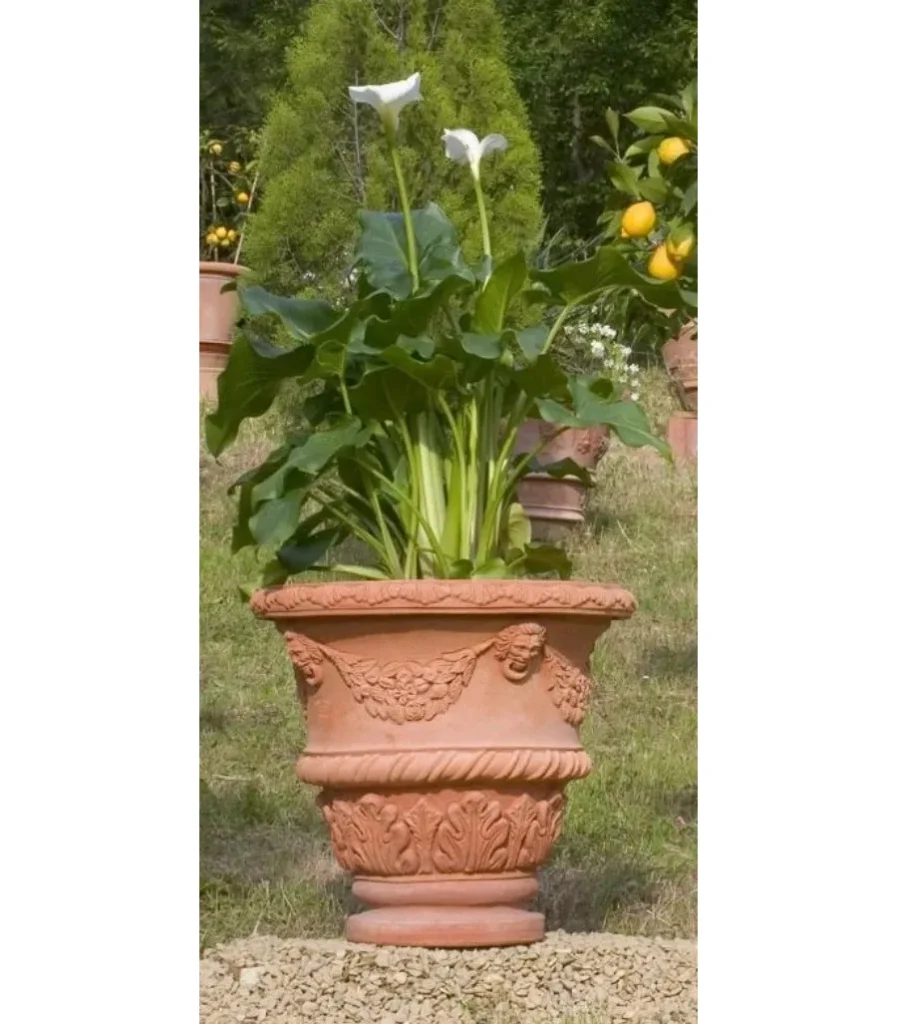
Porous clay that breathes along with the roots is actually the oldest self-regulating system for potted plants. Few modern materials handle excess moisture drainage as well while also maintaining the right level of hydration. It’s this balance that has made terracotta a reliable choice for centuries in cultivating plants sensitive both to drying out and to root waterlogging.
Fornace Masini
By choosing unglazed ceramics, you’re opting for a solution that works in harmony with the plant’s natural processes instead of restricting them. A terracotta pot doesn’t fight the rhythm of vegetation—it supports it, which is why flowers simply grow better in it.
Steffan
Luxury Blog editor
nature & lifestyle enthusiast





Leave a Comment